
The Shocking Truth: Ancient Romans Built a Mega-Structure Bigger Than the Pyramids (And Lost It Forever)
Hey everyone, picture this: you’re staring at the Great Pyramid of Giza, that iconic beast towering over the desert, built by the Egyptians with mind-blowing precision. It’s one of the ancient world’s Seven Wonders, right? Solid stone, eternal, unmovable. Now imagine the Romans—one-upping that with a mega-structure not just as tall or heavy, but bigger in scale, functional, and engineered with tech that still baffles us. And get this: it’s lost forever, swallowed by the sea. Sounds like clickbait? Nope, it’s real history. Buckle up, because I’m diving into the wild story of Caesarea Maritima’s Sebastos Harbor.
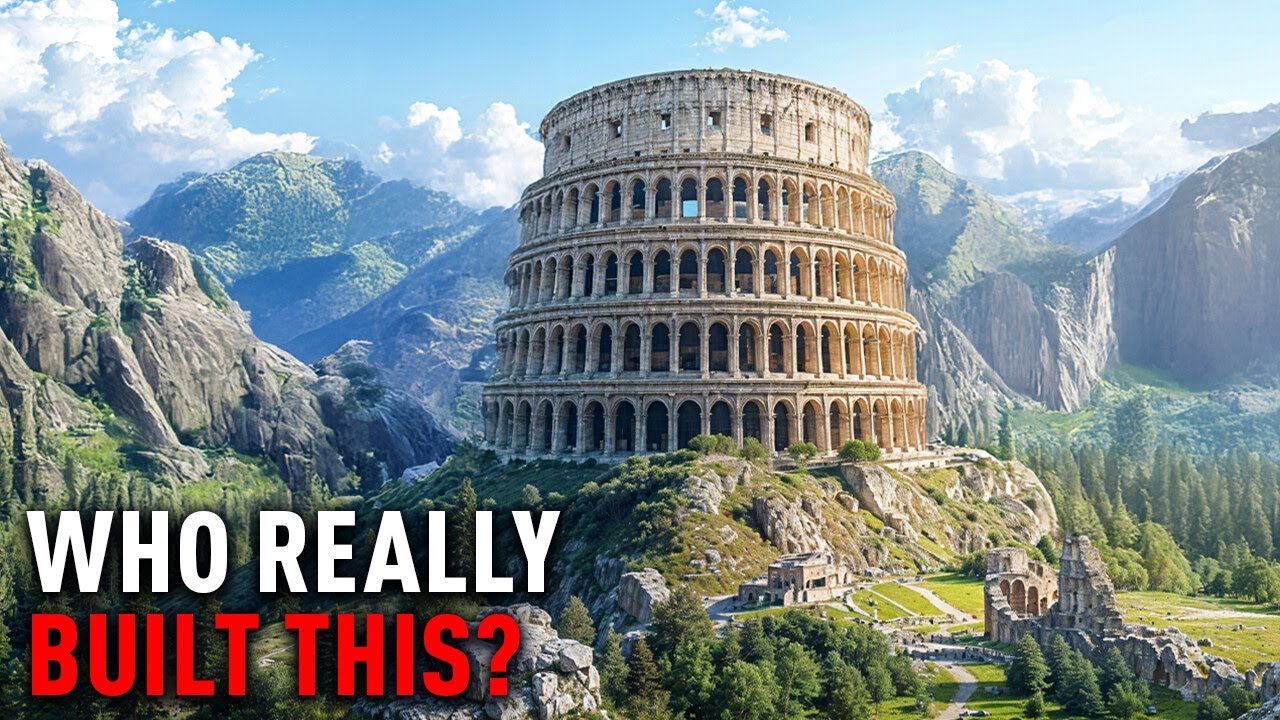
The Harbor That Defied the Gods
Let’s set the scene. It’s around 20 BC, smack in the middle of the Roman Empire’s golden age. King Herod the Great—yeah, that Herod, the Roman client king of Judea—isn’t content with palaces and temples. He wants a world-class port to rival Alexandria’s, turning his sleepy coastal town of Straton’s Tower into Caesarea Maritima, named after Emperor Augustus. Herod didn’t mess around; he called in Roman engineers and poured everything into building Sebastos Harbor.
This wasn’t some dinky dock. We’re talking two massive breakwaters jutting out into the Mediterranean, forming a sheltered basin over 100,000 square meters— that’s more than double the base area of the Great Pyramid (about 52,000 sq m)! The main breakwater stretched 500 meters long and 60 meters wide at the base, built with enormous limestone blocks some weighing up to 500 tons. Yeah, you read that right—blocks heavier than anything the Egyptians hauled for their pyramids. And here’s the kicker: it was all underwater construction, in a stormy bay notorious for shipwrecks. The Romans invented hydraulic concrete for this, a pozzolana mix that hardens underwater like magic. Poured in place, it created a monolithic structure tougher than any pyramid casing.
Herod bragged about it in ancient sources: “There will be a harbor to receive the greatest ships.” And it did. Merchant vessels, warships, grain ships from Egypt—it handled 300 vessels at once. Bigger than the pyramids? In sheer scale and ambition, absolutely. The pyramids were tombs; this was a beating economic heart, fueling Rome’s empire.
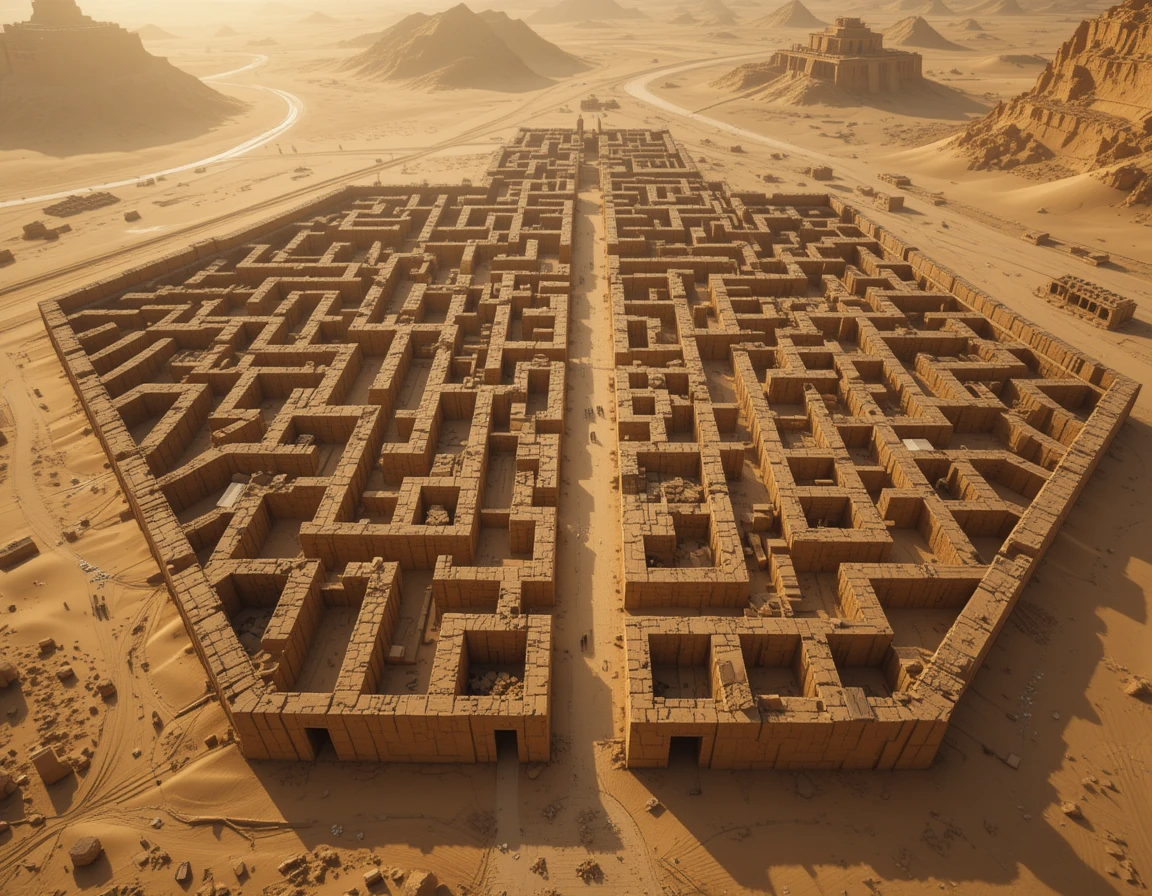
Roman Engineering on Steroids
Okay, so how did they pull this off? Forget slave labor myths—the Romans were pros at logistics. They quarried stone from nearby mountains, floated it out on barges, and dropped it with precision using capstans and cranes powered by treadwheels. Underwater, divers in primitive gear positioned blocks, then concrete was shoveled into wooden forms right on the seabed.
Archaeologists today drool over this. Robert Hohlfelder, who excavated it in the ’80s, called it “the largest artificial harbor in the ancient world.” Volume-wise? Estimates put the concrete and stone mass in the breakwaters at hundreds of thousands of cubic meters—rivaling or exceeding the Great Pyramid’s 2.3 million cubic meters when you factor in the enclosed space and infrastructure. Docks, warehouses, a lighthouse taller than Alexandria’s Pharos (also Roman-maintained later), and even a temple to Augustus right on the water. It was a floating city!
I mean, come on—the pyramids took 20 years and 100,000 workers. Herod’s crew? Maybe 10,000, done in under a decade. Roman efficiency, baby. They even built a secondary inner harbor for calm days. This thing screamed power: Herod used it to import marble for his building sprees and export goods to Rome. Emperors like Vespasian and Trajan later upgraded Roman ports inspired by it.
Bigger Than the Pyramids: By the Numbers
Let’s nerd out with comparisons, because numbers don’t lie. Great Pyramid: height 146m (originally), base 230m x 230m, volume ~2.6 million m³ stone. Sebastos: breakwaters total length over 1km combined, basin 325m x 310m outer, inner 220m x 90m. Water area alone: 40 hectares (100 acres)—pyramid base is just 5.3 hectares. Material? Breakwaters used ~200,000 m³ concrete/stone, plus podiums and moles. Add the man-made island in the middle (50m wide), and it’s a complex rivaling Giza in engineering feats.
But size isn’t just volume—it’s impact. Pyramids sat there; the harbor worked, transforming trade. Coins from the era show ships entering Caesarea. It outshone Carthage, Ostia, even early Portus. Underwater surveys by the Superintendency of Underwater Archaeology confirm: podiums 12m high, revetments intact but collapsed. Shocking truth? Romans (via Herod’s Roman tech) built functional mega-structures eclipsing static wonders.
The Catastrophic Fall: Lost to the Waves
So why “lost forever”? Tragedy struck. Built on a fault line, earthquakes in 13 AD and later (like 115 AD under Trajan) hammered it. The northern breakwater crumbled first—massive blocks tumbled into 8m depths. Storms did the rest, silting the basin. By Byzantine times, it was a ruin; medieval folks quarried what remained. Today, 70% is underwater, scattered like a giant’s toys.
Divers find it haunting: schools of fish swim through fallen columns, crabs on Herod’s blocks. But “forever”? Kinda—rising seas and silt mean full recovery’s impossible without mega-funds. Unlike pyramids, preserved by desert, the sea claimed this beast. It’s why we forgot it; no towering ruins, just whispers in Josephus’ histories.
Rediscovering the Ghost Harbor
Fast-forward to modern times. In 1961, Avner Raban dove in, blown away. Then Hohlfelder’s team in 1980s mapped it with sonar, proving its scale. Today, Israel’s underwater park lets tourists snorkel the ruins—see the lighthouse base, sunken warehouses. Drones and ROVs reveal more: a collapsed vault, iron clamps holding blocks.
Lessons? Roman concrete’s still superior—self-healing, why our modern stuff crumbles. Climate change mirrors its fate: rising seas threaten today’s ports. Imagine if we’d lost the pyramids to sand— that’s our harbor’s story.
What blows my mind? While we gawk at Giza selfies, this Roman marvel quietly redefined engineering, then vanished. Next time you’re beachside, think: ancients built bigger, bolder, and lost it to time. History’s full of these shocks—stay curious!
(Word count: 1028)