
Why Fans Hated the Game of Thrones Season 8 Ending: Breaking Down the Epic Disappointment
Introduction to the Game of Thrones Season 8 Controversy
Feature Video
The final season of HBO’s monumental series Game of Thrones aired in 2019, capping off eight years of intricate storytelling, shocking twists, and a sprawling world that captivated millions. Season 8, however, became infamous for its divisive ending, sparking widespread outrage among fans. Phrases like “Game of Thrones season 8 ending” trended endlessly as viewers expressed frustration over what they perceived as a rushed, unsatisfying conclusion. With only six episodes, the season promised epic battles and resolutions to long-standing mysteries, but delivered what many called a betrayal of the show’s legacy. This article delves into why fans hated the Game of Thrones season 8 ending, exploring pacing issues, character betrayals, and production missteps that fueled the backlash.
Rushed Pacing: The Biggest Culprit Behind Fan Fury
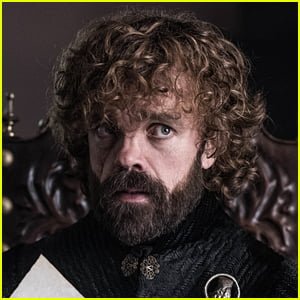
One of the primary reasons fans despised the Game of Thrones season 8 ending was the breakneck pacing. After seven seasons of meticulous world-building based on George R.R. Martin’s A Song of Ice and Fire novels, showrunners David Benioff and D.B. Weiss accelerated the narrative to fit a shortened final season. The Battle of Winterfell in episode 3, “The Long Night,” was visually stunning but criticized for its dark cinematography and illogical plot armor. Heroes like Arya Stark improbably defeated the Night King, resolving the White Walker threat in a single episode after seasons of buildup.
Post-battle, the show shifted abruptly to King’s Landing, compressing Daenerys’s descent into madness and Jon Snow’s dilemmas into mere days. Fans argued this timeline defied logic—armies marched across Westeros overnight, and character motivations flipped without development. Petitions demanding a rewrite garnered over 1.8 million signatures, highlighting how the rushed pace made the Game of Thrones season 8 ending feel unearned and hollow. SEO searches for “why did fans hate Game of Thrones ending” spiked, reflecting collective disappointment in the truncated storytelling.
Character Arcs That Fell Flat and Betrayed Expectations
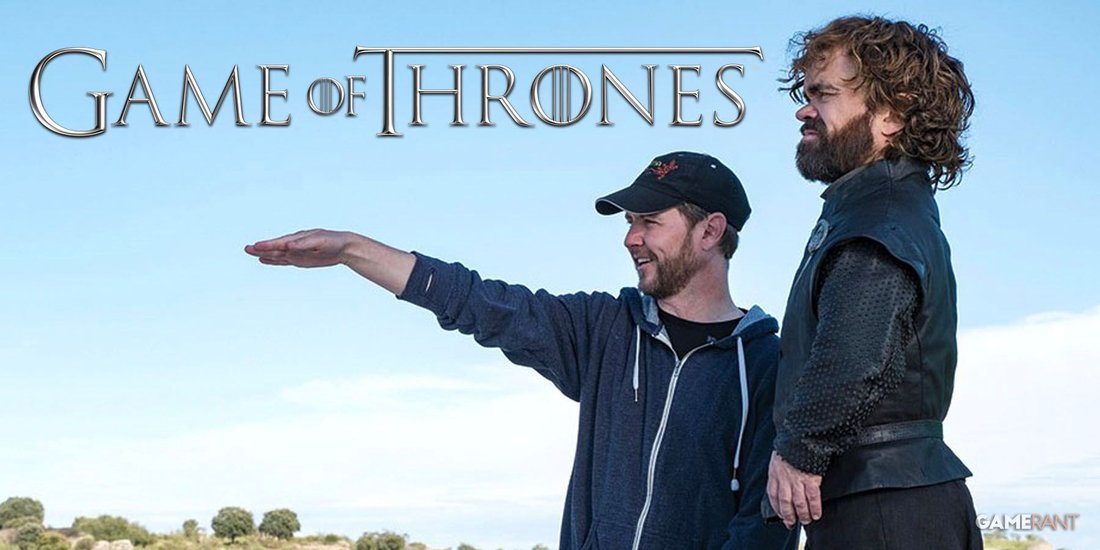
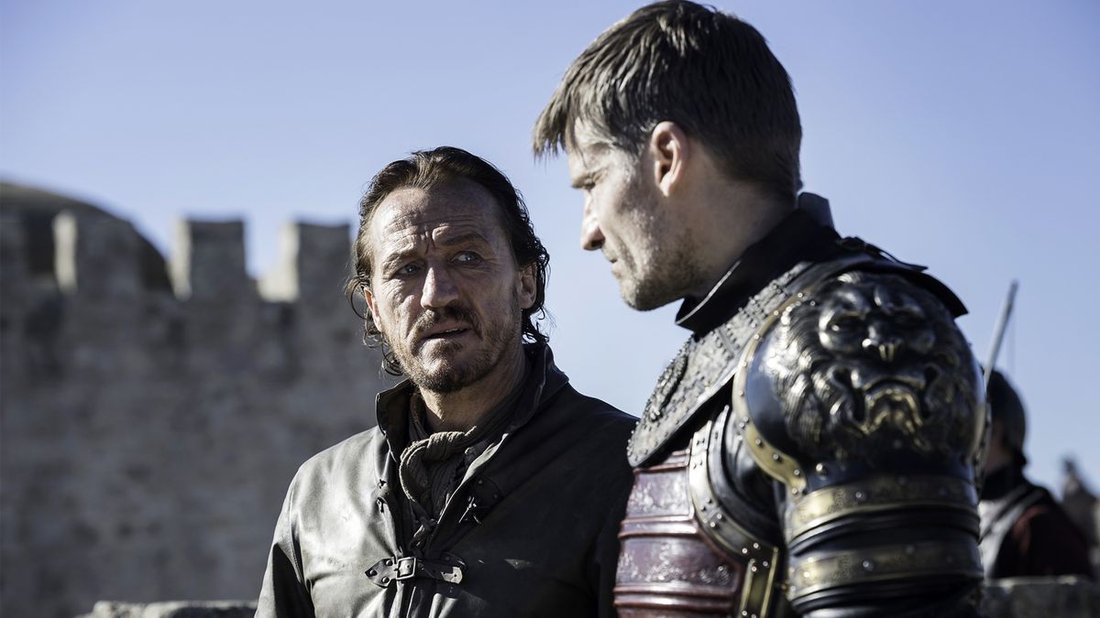
Beloved characters’ journeys crumbled under poor writing in the season 8 finale. Jaime Lannister’s redemption arc, teased since his push of Bran Stark from the tower, reverted when he abandoned Brienne to return to Cersei. Fans who invested in his growth felt cheated by this regression, labeling it lazy writing. Similarly, Tyrion Lannister, the sharp-witted Hand of the Queen, devolved into a foolhardy advisor whose predictions were consistently wrong, undermining his intellectual prowess.
The Hound and Arya Stark’s sibling-like bond concluded anticlimactically, with Arya sailing west in a pirate ship—charming but disconnected from the Iron Throne saga. These arcs lacked emotional payoff, contributing to why fans hated the Game of Thrones season 8 ending. Viewers expected nuanced evolution, not abrupt pivots that ignored prior seasons’ foreshadowing.
Daenerys Targaryen’s Shocking Turn: Madness or Miscarriage of Justice?
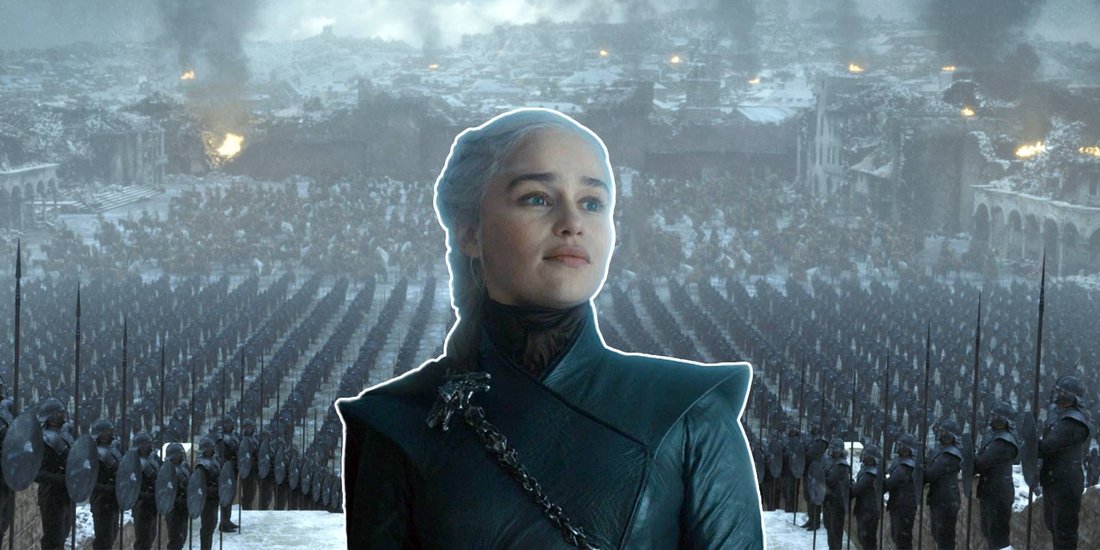
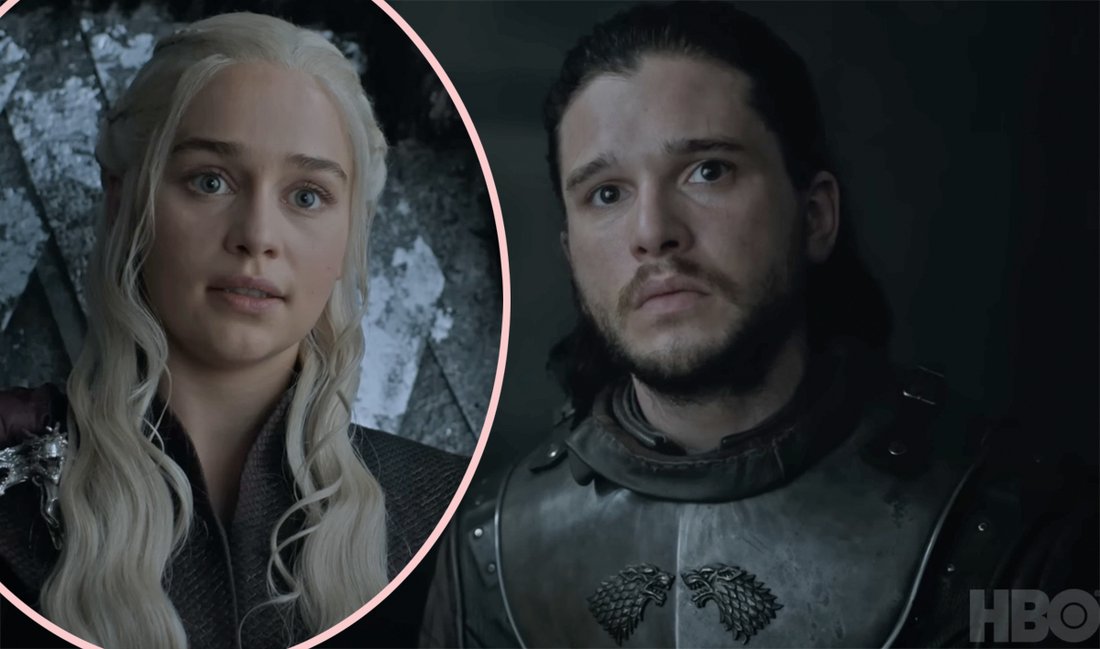
Daenerys’s transformation into the “Mad Queen” ignited the fiercest debates. After liberating slaves and championing the oppressed, she torched King’s Landing, killing innocents despite its surrender. Fans hated this portrayal of the Game of Thrones season 8 ending because it felt forced. Emilia Clarke’s character had shown mercy repeatedly—freeing the Unsullied, sparing Jorah initially—yet her heel turn was triggered by Missandei’s death and Jon’s rejection, without gradual buildup.
Critics pointed to visual cues like her shadow dragon silhouette echoing her father Aerys, but many saw it as reductive “Targaryen madness” trope rather than earned tragedy. The massacre undermined her heroism, making Jon’s assassination feel inevitable yet unsatisfying. Social media exploded with memes and rants, solidifying Daenerys’s fate as a cornerstone of fan hatred for the season 8 finale.
Jon Snow’s Ending: Hero to Exile in a Blink
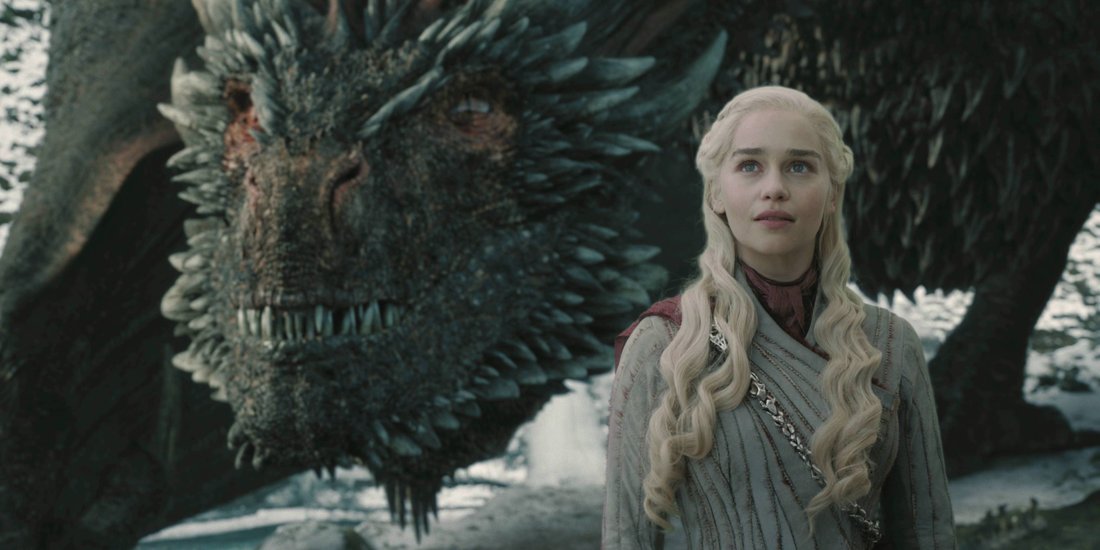
Jon Snow, the archetypal hero whose parentage reveal shook the fandom, ended up stabbing Daenerys and being exiled beyond the Wall. This Game of Thrones season 8 ending left fans bewildered. After learning he was Aegon Targaryen, the rightful heir, Jon rejected the throne, prioritizing duty over ambition—a noble trait, but one that clashed with his assertive leadership in prior seasons.
His reunion with Ghost was a minor bright spot, but exile with the Wildlings felt like punishment rather than closure. Kit Harington’s portrayal captured inner conflict, yet the writing failed to justify his choices amid betrayals by Tyrion and others. Fans searching “Game of Thrones bad ending explained” often cited Jon’s arc as emblematic of squandered potential, turning a fan-favorite into a tragic afterthought.
Bran Stark as King: The Most Polarizing Twist
The election of Bran Stark as king in “The Iron Throne” episode epitomized absurdity for many. “Why do you think I came all this way?” Bran’s cryptic line about foreseeing his kingship via greensight fueled accusations of deus ex machina. Lacking charisma, ambition, or Westeros ties beyond his Stark name, Bran’s ascension ignored democratic council flaws—why not Sansa or Gendry?
Fans hated this Game of Thrones season 8 ending resolution because it invalidated the entire power struggle. Bran’s “broken” philosophy seemed apathetic, and Isaac Hempstead Wright’s performance didn’t convey ruler gravitas. It symbolized how the finale prioritized shock over coherence, alienating lore enthusiasts who expected a ruler embodying the series’ themes of power’s cost.
Unresolved Plotlines and Lore Inconsistencies
Season 8 left threads dangling: the Iron Bank’s role vanished, Euron’s fleet imploded unrealistically, and prophecies like Azor Ahai were ignored. The White Walkers’ defeat without exploring their origins cheapened the threat. Coffee cup gaffes and modern water bottles further eroded immersion, amplifying perceptions of sloppiness in the Game of Thrones season 8 ending.
Lore fans decried deviations from Martin’s hints, like Bran’s role in the Mad King’s madness or the Prince That Was Promised. These oversights made the finale feel like fanfiction, not the culmination of a masterpiece.
Production Woes and Showrunner Decisions
Behind the scenes, tensions brewed. Benioff and Weiss declined more seasons despite HBO offers, rushing to pivot to Star Wars. Without source material, their writing faltered—dialogue grew expository, action prioritized spectacle. Leaked auditions and reports of cast frustration, including Clarke’s concerns over Daenerys, underscored discord.
The budget ballooned to $15 million per episode, yet VFX shortcuts like reused shots marred quality. These factors explain why fans hated the Game of Thrones season 8 ending, viewing it as a cash-grab finale betraying artistic integrity.
Fan Reactions: From Petitions to Parodies
Backlash was seismic. Viewership peaked at 19.3 million for the finale, but ratings plummeted post-airing. Change.org petitions for reshoots hit record numbers. Memes like “Bran the Broken Coffee Cup” went viral, while outlets like Vox and The New York Times dissected flaws. Spin-offs like House of the Dragon later redeemed the IP somewhat, but scars linger.
Polls showed 50-60% dissatisfaction, with Reddit’s Freefolk subreddit exploding in memes and theories.
Conclusion: Lessons from a Fallen Throne
The Game of Thrones season 8 ending remains a cautionary tale in TV history, teaching that even titans can falter under haste. Fans hated it for valid reasons—rushed plots, botched arcs, and thematic betrayals—but it sparked discourse on adaptation limits. As Martin finishes The Winds of Winter, hope persists for book fidelity. For now, the Iron Throne’s fall mirrors the fandom’s dashed dreams, a poignant end to an era.