
The Amityville Horror: True Story vs Movie – Fact, Fiction, and Enduring Legacy
The Amityville Horror: True Story vs Movie – Fact, Fiction, and Enduring Legacy
The Amityville Horror has captivated audiences for decades, blending chilling real-life tragedy with supernatural terror. But how much of the iconic story is rooted in truth, and how much is Hollywood embellishment? This article dives deep into The Amityville Horror true story vs movie, separating verifiable facts from cinematic fiction. From the gruesome 1974 murders to the Lutz family’s haunted 28 days and the blockbuster 1979 film, we’ll explore the events, controversies, and cultural impact that keep this tale alive in horror lore.
The True Story: The DeFeo Murders and the Lutz Hauntings
Feature Video
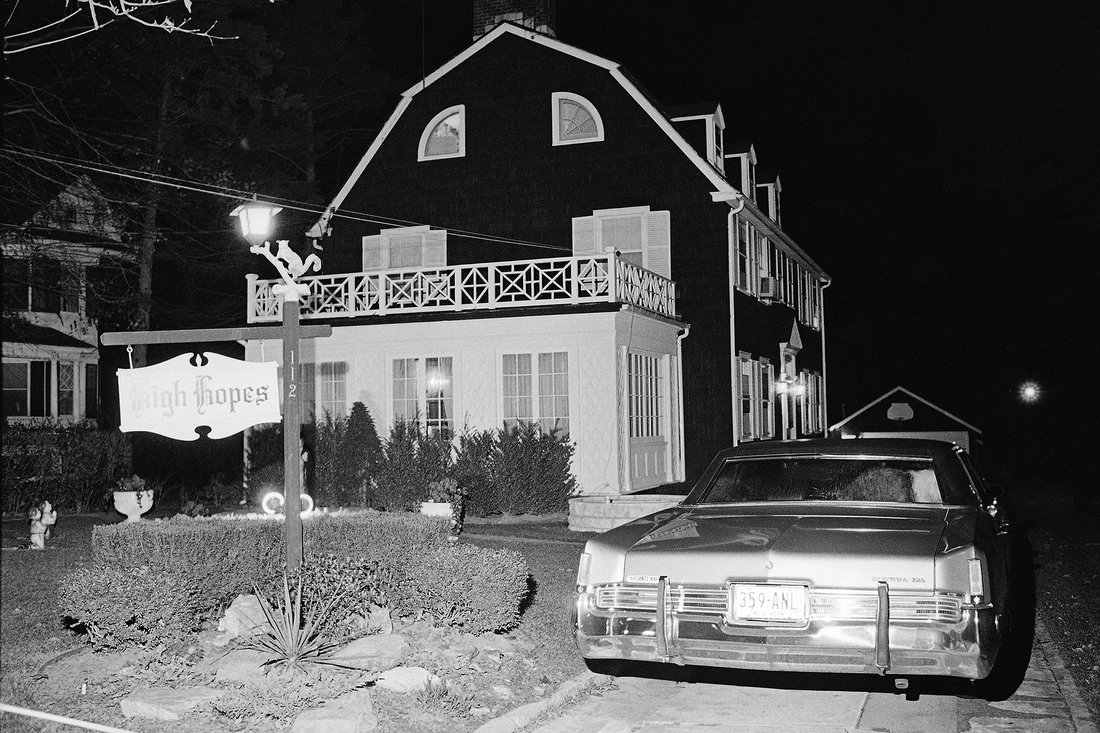
The Amityville Horror begins with undeniable tragedy. On November 13, 1974, 23-year-old Ronald DeFeo Jr. murdered his entire family in their Dutch Colonial home at 112 Ocean Avenue, Amityville, New York. Using a .35-caliber rifle, DeFeo killed his parents, two brothers, and two sisters while they slept. The bodies were found face-down in their beds, undisturbed, leading to speculation about drugs or supernatural influences. DeFeo confessed but claimed voices commanded him to kill. He was convicted of six counts of second-degree murder in 1975 and sentenced to life in prison.
The house sat empty until December 18, 1975, when George and Kathy Lutz, newlyweds with Kathy’s three children from a previous marriage, moved in. They bought it for $110,000, drawn by its waterfront location despite the horrific past. According to the Lutzes, their 28-day stay was a nightmare of paranormal activity. George reported waking at 3:15 a.m. nightly to “cold spots” and marching band-like noises. Black ooze seeped from walls, swarms of flies appeared in winter, and levitating beds were claimed. Kathy saw half-pig, half-boy apparitions, and the family heard growling voices chanting “Get out!”
They invited Father Ralph Pecoraro (pseudonym “Father Mancuso” in accounts) for a blessing, but he allegedly heard a demonic voice warning him away. The Lutzes fled on January 14, 1976, leaving possessions behind. Their story exploded into the 1977 bestseller The Amityville Horror by Jay Anson, based on the Lutzes’ tapes and sessions with paranormal investigators like Ed and Lorraine Warren. Anson’s book sold millions, grossing over $4 million in film rights.
Investigations followed. Suffolk County police found no evidence of hauntings during the murders. Ed Guerin, a Newsday reporter, spent nights in the house in 1976 and reported nothing unusual. Yet, the Lutzes passed polygraphs, and Father Pecoraro confirmed hearing a voice, though the Catholic Church distanced itself.
The Amityville Horror Movie: 1979 Adaptation and Beyond
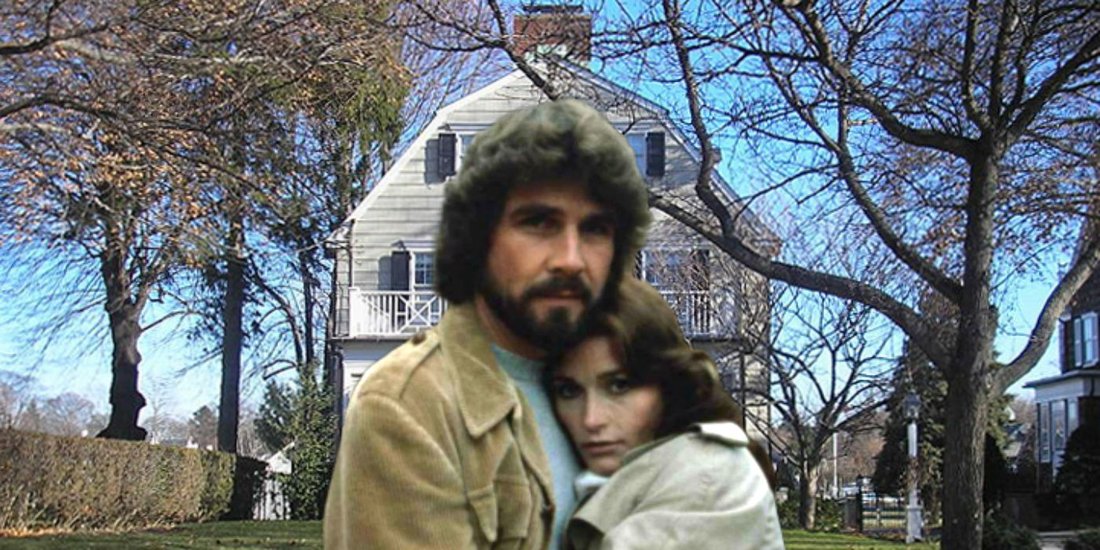
Director Tobe Hooper (The Texas Chain Saw Massacre) was initially attached, but Stuart Rosenberg helmed the 1979 MGM film starring James Brolin as George Lutz and Margot Kidder as Kathy. The screenplay by Sandor Stern stuck closely to Anson’s book, grossing $107 million on a $4.5 million budget. Iconic scenes include the red-eyed pig “Jodie,” bleeding walls, and George wielding an axe against a marching horde of demons.
The movie amps up the terror: The house’s boomerang shape is exaggerated as evil architecture. A famous fly-swarm scene occurs in a priest’s confessional, and Kathy levitates nude—pure Hollywood flair. The real Father Pecoraro appears briefly, but his role is dramatized. Sequels proliferated: Amityville II: The Possession (1982) fictionalizes the DeFeo murders as demonic possession; Amityville 3-D (1983) brings sci-fi; and low-budget entries like Amityville 4: The Evil Escapes (1989 TV movie) spawn lamp hauntings.
A 2005 remake directed by Andrew Douglas starred Ryan Reynolds as George, updating effects with CGI flies and slime. It earned $108 million but scored 22% on Rotten Tomatoes. Over 20 films bear the name, including The Amityville Horror (2018) on Netflix, blending true-story elements with fresh scares.
Key Differences: True Story vs Movie Comparisons
When pitting Amityville Horror true story vs movie, stark contrasts emerge. The murders: Real DeFeo victims showed no defensive wounds, supporting his sleeping-family claim. Movies like Amityville II depict possession, with DeFeo (played by Jack Sholder) hearing voices—echoing his trial defense but unproven.
Hauntings diverge wildly. Lutzes claimed subtle horrors: cold spots, odors, visions. Movies escalate to overt spectacles—axes through doors, full-body levitations, and a house-lifting tornado finale absent in reality. The priest’s involvement: Real Father Pecoraro blessed the house once and fled after a voice; films show repeated exorcisms and stigmata.
Jodie the pig-man: Lutzes described a “friend” entity; movies make it a red-eyed demon terrorizing children. No historical records confirm Indian burial grounds or witch-burnings (1660s claims), yet films invent them. The Lutzes’ flight: They packed minimally; cinema shows frantic midnight escapes.
Timeline tweaks: Book/movie compresses events; real Lutzes stayed through Christmas, paying bills until January. No real police shootouts or exploding houses occurred.
Controversies and Hoax Allegations
Is the Amityville Horror a hoax? Skeptics abound. In 1979, DeFeo’s lawyer William Weber and Lutzes’ attorney admitted fabricating the story over wine for profit, per Reader’s Digest. Weber claimed Anson exaggerated tapes. The Lutzes sued Weber for breach of contract, settling out of court.
Investigator Joe Nickell debunked claims: Fly swarms unlikely in winter; ooze was plumbing issues. The house’s address changed to 108 Ocean Avenue post-fame to deter tourists. Subsequent owners, like the Cromartys (from 1987), reported no activity. A 1979 documentary crew found mundane explanations.
Yet, believers point to polygraphs, Warrens’ photos of “demonic boys,” and DeFeo’s prescient “high on drugs” mutterings. Ronald Jr. died in 2021, maintaining possession claims. Father Pecoraro never recanted, and the Lutzes stood by their account until deaths (George 2006, Kathy 2004).
Cultural Impact and Lasting Legacy
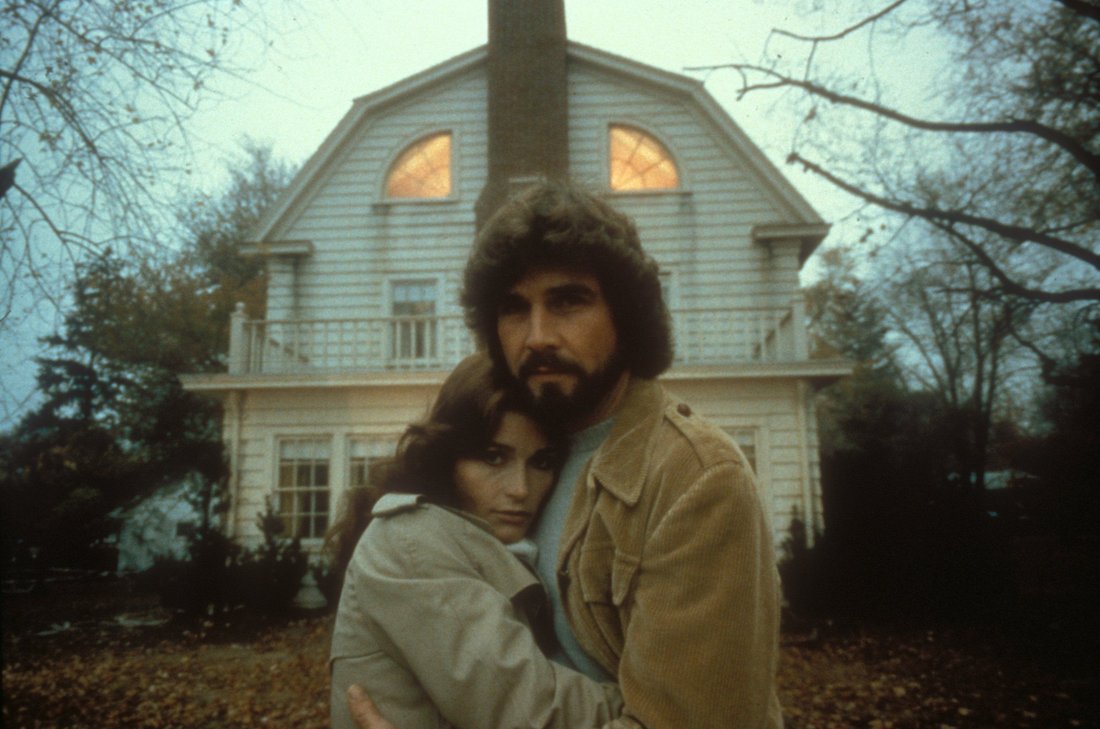
The Amityville Horror true story vs movie debate fuels its endurance. It birthed a franchise worth over $200 million, inspired The Conjuring universe via Warrens, and popularized “based on true events” horror. Parodies like Scary Movie 2 nod to its tropes. The house, now private, draws ghost hunters; Zillow listings highlight its infamy.
SEO-wise, searches for “Amityville Horror real story” spike around Halloween, proving viral appeal. Documentaries like My Amityville Horror (2012) feature Daniel Lutz affirming events. Podcasts and TikToks dissect evidence, keeping the myth alive.
Psychologically, it taps fears of home invasion—literal murders turning spectral. Whether hoax or haunting, Amityville warns of trauma’s lingering shadows.
Conclusion: Where Truth Meets Terror
The Amityville Horror true story vs movie reveals a core tragedy embellished into legend. Murders are fact; hauntings contested. Movies prioritize chills over accuracy, turning unease into spectacle. As George Lutz said, “The story is true… believe it or not.” For horror fans, that’s the allure—blurring lines between real evil and imagined demons. Explore the house’s history, watch the films, and decide: fact, fiction, or something sinister in between?
(Word count: 1,248)