
The Brain-Computer Revolution: Merging Minds with Machines by 2030
Imagine Thinking Your Way Through the World
Picture this: You’re stuck in traffic, but instead of honking your horn in frustration, you just think about your destination, and your car zips off on autopilot. Or maybe you’re typing an email, but nope—your thoughts beam it straight to your friend’s brain across the globe. Sounds like sci-fi? Buckle up, because by 2030, brain-computer interfaces (BCIs) could make this our new normal. I’m talking about the brain-computer revolution, where human minds merge seamlessly with machines. It’s not just hype; it’s happening right now, and it’s accelerating faster than you can say “Neuralink.”
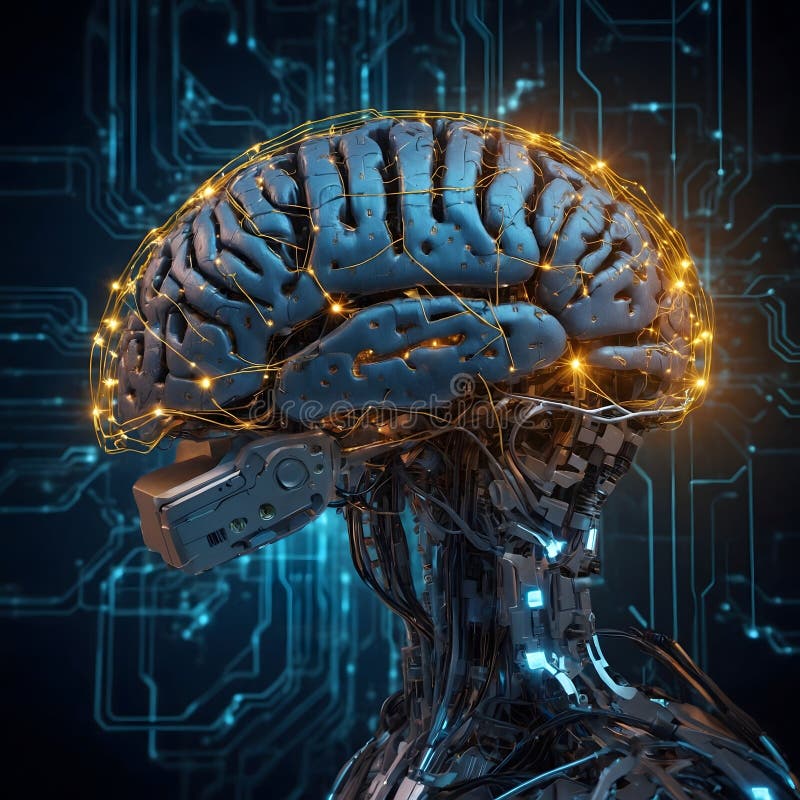
I’ve been geeking out over this tech for years. From watching monkeys play Pong with their minds to paralyzed patients tweeting via thought alone, the progress is mind-blowing—pun intended. By 2030, experts predict we’ll see BCIs go mainstream, transforming medicine, communication, and even what it means to be human. Let’s dive in and explore how we’re hurtling toward this future.
The Building Blocks: How Brain-Computer Interfaces Work
At its core, a BCI reads your brain’s electrical signals and translates them into actions. Think of your brain as a supercomputer firing off neurons like fireworks. Invasive BCIs, like Elon Musk’s Neuralink, implant tiny threads—thinner than a human hair—into your cortex. These pick up signals from thousands of neurons and beam them wirelessly to a computer.
Non-invasive options, like EEG headsets, sit on your scalp and detect broader brain waves. They’re clunkier but safer—no surgery required. Then there’s the hybrid future: optogenetics, using light to zap specific neurons, or even nanotechnology swimming through your bloodstream.
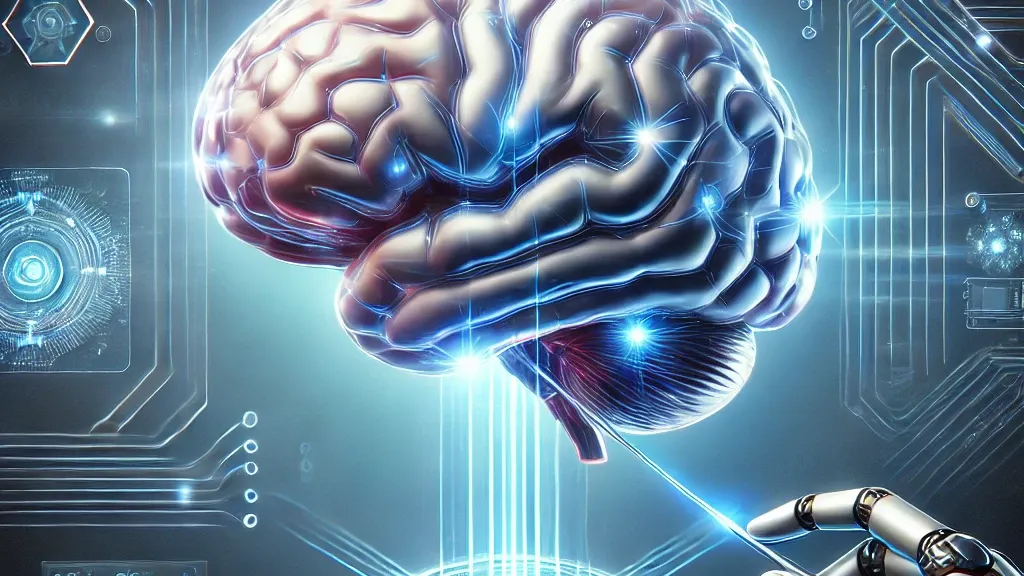
Right now, decoding is getting scary good. AI algorithms learn your unique “neural dialect,” turning fuzzy thoughts into precise commands. Remember when voice assistants struggled with accents? BCIs are leapfrogging that, aiming for pure thought control.
Today’s Trailblazers: From Labs to Real Lives
Neuralink stole the show in 2024 when their first human patient, Noland Arbaugh, played chess and learned languages just by thinking. That chip has over 1,000 electrodes, up from the dozens in older tech. Meanwhile, Synchron’s stent-based implant lets ALS patients text and bank from their couch—no skull drilling needed.
Blackrock Neurotech has folks with quadriplegia controlling robotic arms to feed themselves. And don’t sleep on Kernel or CTRL-Labs (now Meta’s baby), pushing wearable BCIs for gaming and VR. In China, researchers are wiring brains to drones for search-and-rescue ops.
Trials are exploding. By 2025, we could see FDA approvals for vision restoration—implants that let the blind “see” via camera feeds piped straight to the visual cortex. It’s not perfect yet; signal drift and battery life are hurdles. But with Moore’s Law on steroids, expect exponential gains. By 2030? Consumer-grade implants could be as common as smartwatches.
2030 Visions: Minds Merged, Worlds Transformed
Fast-forward to 2030. You’re at a meeting, but instead of slides, ideas flow telepathically. “Brain-to-brain” communication becomes reality, pioneered by DARPA’s experiments linking rat brains in 2013. Now scale it: instant knowledge sharing, no language barriers. Want to learn Mandarin? Download it overnight via high-bandwidth BCI.
Superhuman cognition awaits. BCIs could offload memory to the cloud, crunch math at quantum speeds, or simulate scenarios in your mind’s eye. Gamers, imagine feeling every sword swing in VR. Pilots? Merge with their jets for instinctive maneuvers.
Medicine gets a revolution. Parkinson’s tremors? Zapped away in real-time. Depression? Neural pacemakers tweak mood circuits. Alzheimer’s? External brains compensate for foggy ones. Longevity hackers might upload consciousness snippets, blurring life and death.
And the metaverse? Forget clunky controllers—your avatar dances to your whims. Work? Collaborative mind-melds boost productivity 10x. Dating? Sense emotions before words fail.
Life-Changing Applications Beyond the Hype
Let’s get practical. For the 15 million with spinal injuries worldwide, BCIs mean walking again—via exoskeletons or digital avatars. Blindness affects 2.2 billion; retinal prosthetics evolve into full cortical implants, restoring sight richer than natural vision.
In education, kids “download” calculus, teachers beam concepts directly. Artists paint with thoughts, composers hear symphonies in silence. Sports? Enhanced reflexes for pros, or para-athletes competing on equal footing.
Global challenges? Farmers think-command drone swarms for precision agriculture. Soldiers interface with AI squads, reducing casualties. Climate modelers simulate Earth systems mentally. The ripple effects? Economies boom as human limits dissolve.
I chatted with a neuroengineer recently; she predicts 50% adoption in high-income countries by 2030 for medical or enhancement reasons. Prices drop from $100K implants to $1K subscriptions, like LASIK today.
The Shadow Side: Ethics, Risks, and Brain Hacks
Hold up—not all sunshine. Privacy? Your thoughts are data goldmines. Hackers could puppeteer your actions or steal secrets. Imagine ads invading your daydreams.
Inequality looms: Early adopters (the rich) get god-mode, widening gaps. Ethics boards wrestle with consent—can kids opt in? What about addiction to neural highs or identity loss in shared minds?
Regulation lags. Who owns your neural data? Governments might mandate implants for “public safety.” And the existential bit: Are enhanced humans still human? Transhumanists cheer; purists panic.
Safeguards emerge: Blockchain for thought-privacy, kill-switches, open-source decoders. But 2030 will test society. We’ll need global treaties faster than we built the internet.
Are You Ready to Plug In?
By 2030, the brain-computer revolution isn’t a maybe—it’s probable. Companies like Neuralink aim for 1 million users; competitors race behind. We’re on the cusp of merging minds with machines, redefining intelligence, empathy, reality.
Excited? Terrified? Both? Me too. This isn’t just tech; it’s evolution’s next leap. Will you be an early adopter, tweaking your brain for the edge? Or hold out, cherishing raw humanity? One thing’s sure: The revolution’s coming. Time to start thinking about it—literally.