
5 Cybersecurity Hacks That Could Shut Down Your Life Tomorrow
Picture this: You’re sipping your morning coffee, scrolling through emails, when bam—your bank account’s drained, your smart home locks you out, and your phone’s hijacked. Sounds like a bad movie plot? Nope, it’s the harsh reality of cybersecurity threats lurking just one click away. In our hyper-connected world, hackers don’t need to be geniuses; they exploit simple mistakes we all make. Today, I’m diving into five sneaky hacks that could derail your life tomorrow. I’ll break down how they work, real-world scares, and quick fixes to armor up. Buckle up—this isn’t fear-mongering; it’s your wake-up call.
1. Phishing: The Deceptive Email Trap
Phishing is the king of cyber cons, responsible for 90% of data breaches. Hackers craft emails mimicking your bank, boss, or even Netflix, urging you to “verify your account” with a link. Click it, enter your login, and poof—they’ve got your credentials.
Remember the 2023 MGM Resorts hack? Attackers posed as IT support, tricking employees into spilling access codes, shutting down casinos and hotels for days. Your life? One phishing email could freeze your finances, steal your identity, or lock you out of email for weeks.
How to dodge it: Hover over links before clicking—does the URL look fishy (pun intended)? Use a password manager with breach alerts. Enable multi-factor authentication (MFA) everywhere. And train your gut: legit companies rarely demand urgent logins via email. Stay vigilant; your inbox is enemy territory.
2. Ransomware: Your Files Held Hostage
Ransomware encrypts your data, demanding crypto payment for the key. It’s exploded—attacks rose 93% in 2023. You download a “free” PDF invoice? Boom, locked out of photos, docs, everything.
Take Colonial Pipeline in 2021: Hackers crippled U.S. fuel supplies, causing shortages and panic. On a personal level, imagine losing family videos or work files right before a deadline. Recovery? Often impossible without paying, funding more crime.
Fight back: Backup 3-2-1 style (3 copies, 2 media types, 1 offsite/cloud). Use antivirus like Malwarebytes. Avoid shady downloads—stick to official sources. If hit, don’t pay; report to FBI’s IC3. Your data’s your lifeline—protect it fiercely.
3. SIM Swapping: Hijacking Your Phone Number
SIM swapping tricks carriers into porting your number to hackers’ devices. They request a swap using stolen personal info from data breaches, bypassing SMS 2FA. Suddenly, they’re resetting your Gmail, bank apps—total takeover.
T-Mobile lost 37 million customers’ data in 2023, fueling swaps. Celeb Jack Dorsey’s Twitter got hacked this way in 2019. Your life grinds to halt: no calls, texts, app access. Bills unpaid, accounts drained.
Defend: Set a PIN or passphrase with your carrier for porting requests—do it today! Switch to app-based 2FA (Authy, Google Authenticator) over SMS. Freeze your credit with Equifax/TransUnion. Monitor for weird carrier texts. Your phone’s your digital keyring—guard it like gold.
4. Password Reuse and Stuffing Attacks
Credential stuffing automates stolen passwords from one breach (LinkedIn’s 700M dump?) across sites. Reuse “Password123” everywhere? Hackers crack one, own all. No fancy hacks needed—just bots.
LastPass breach 2022 exposed vaults; reuse amplified damage. Imagine your email, Amazon, work VPN—all compromised overnight. Job loss, identity theft, endless recovery headaches.
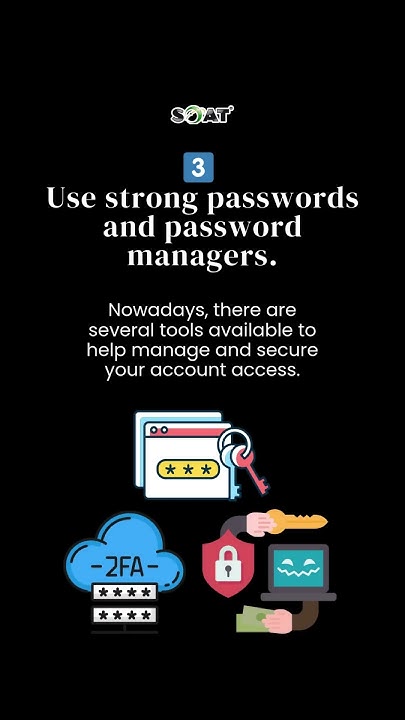
Fix: Unique, strong passwords via Bitwarden/LastPass. Enable breach scanning (Have I Been Pwned?). Use passphrases like “BlueElephant42!RunsMarathons”. Change defaults on all devices. Password managers auto-fill securely—embrace them. Laziness is the hacker’s best friend.
5. Rogue Wi-Fi and Man-in-the-Middle Snooping
Public Wi-Fi at Starbucks? Hackers set fake “FreeCoffeeWiFi” hotspots or eavesdrop traffic. They intercept logins, cookies, injecting malware mid-session.
2024 saw Starbucks/AT&T breaches via rogue access points. Your unencrypted banking? Stolen in seconds. Life shutdown: fraud alerts, frozen cards, stranded without secure net.
Counter: VPN always (ExpressVPN, Mullvad)—encrypts everything. Forget auto-join networks; verify hotspot names. HTTPS everywhere? Check padlock icon. Mobile hotspot your phone for safety. Offline mode for sensitive stuff. Wi-Fi’s a wild west—ride protected.
These hacks aren’t sci-fi; they’re daily threats exploiting trust and convenience. But knowledge is power—you’ve got the tools now. Audit accounts today: MFA on, backups running, VPN downloaded. Share this with friends; cyber safety’s communal. Stay one step ahead, and hackers stay shut out. Your digital life’s too vital to gamble.