
The Mary Celeste Ghost Ship Mystery Explained: Unraveling the Enduring Enigma
The Mary Celeste ghost ship mystery has captivated imaginations for over 150 years. Often dubbed the world’s most famous ghost ship, this abandoned vessel was discovered adrift in the Atlantic Ocean in 1872, completely intact but with its crew vanished without a trace. What happened to the 10 people aboard? Was it piracy, mutiny, or something more supernatural? In this comprehensive article, we explain the Mary Celeste mystery, exploring its history, the eerie discovery, leading theories, and why it remains unsolved. If you’re fascinated by maritime horrors and unexplained disappearances, read on for a detailed breakdown.
The Background of the Mary Celeste
Feature Video
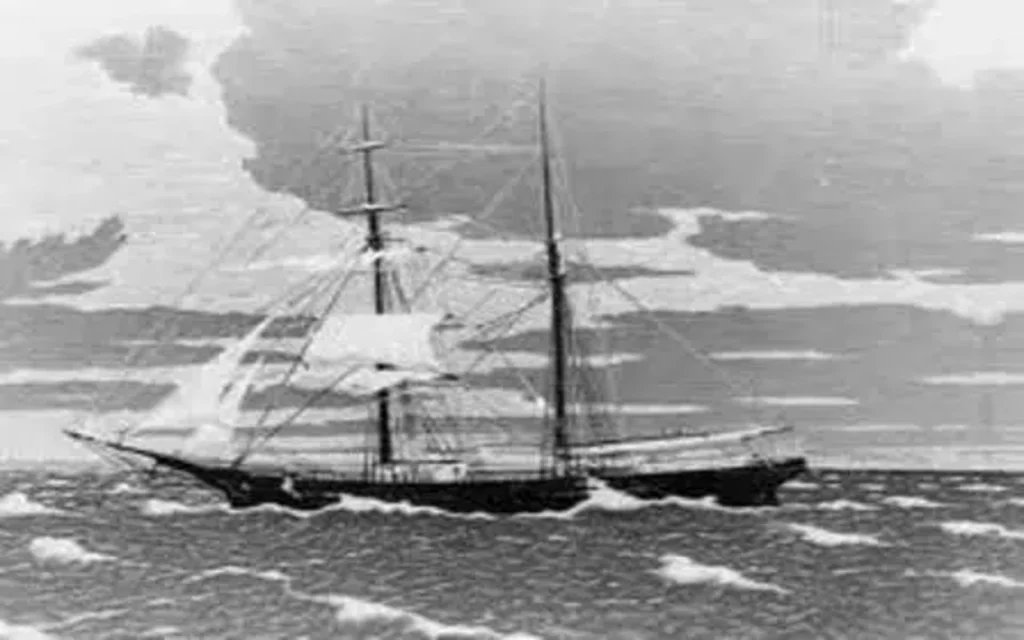
Built in 1861 in Nova Scotia, Canada, as the Amazon, the ship was a sturdy brigantine measuring 99 feet long with a tonnage of 282. It endured a turbulent early life, including a collision and name changes, before being renamed Mary Celeste in 1869 after its New York owners. By 1872, it was under the command of Captain Benjamin Spooner Briggs, a seasoned 37-year-old mariner from Massachusetts. Briggs, his wife Sarah, their two-year-old daughter Sophia, and a crew of seven experienced sailors set sail from New York on November 7, 1872, bound for Genoa, Italy, with a cargo of 1,701 barrels of raw American alcohol.
The voyage was routine at first. The Mary Celeste was well-provisioned for six months, carrying ample food, water, and supplies. Briggs was known for his competence and family-oriented nature—his wife and daughter joined him, a rare occurrence for merchant ships. Little did they know, this would be their last journey. The Mary Celeste ghost ship story begins here, setting the stage for one of history’s greatest maritime puzzles.
The Fateful Departure and the Dei Gratia Encounter
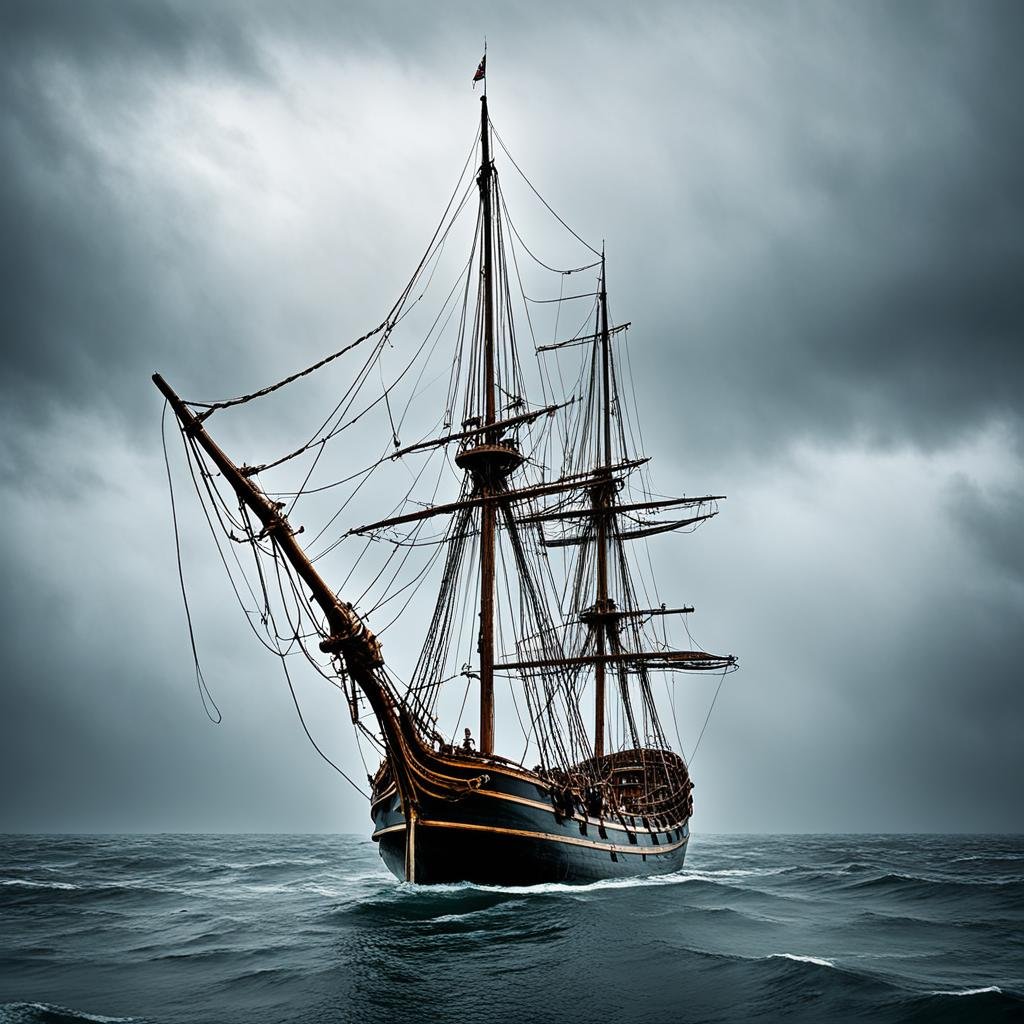
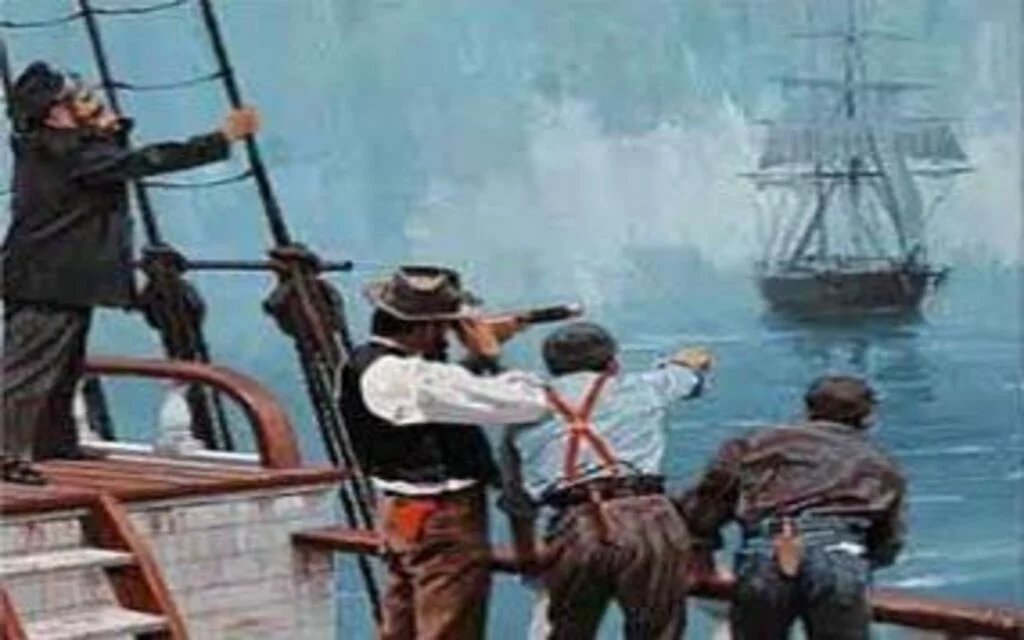
On December 4, 1872, about 400 miles east of the Azores, the Canadian brigantine Dei Gratia spotted a ship sailing erratically under partial sail. Captain David Morehouse, recognizing it as the Mary Celeste—a vessel his wife knew from Briggs—sent Second Mate John Wright and three others to investigate. What they found was chilling: a pristine ship with no sign of life.
The Dei Gratia crew boarded the Mary Celeste and discovered it seaworthy, with sails partially set, cargo mostly intact, and personal belongings untouched. A six-month supply of food remained, the crew’s pipes, tobacco, and clothing were in place, and even the captain’s log was updated to November 25. Yet, the lifeboat was missing, the ship’s compass destroyed, and a sword found under the captain’s bed was stained with what appeared to be blood—later debunked as rust. This eerie scene fueled the legend of the Mary Celeste ghost ship.
The Eerie Condition of the Abandoned Vessel
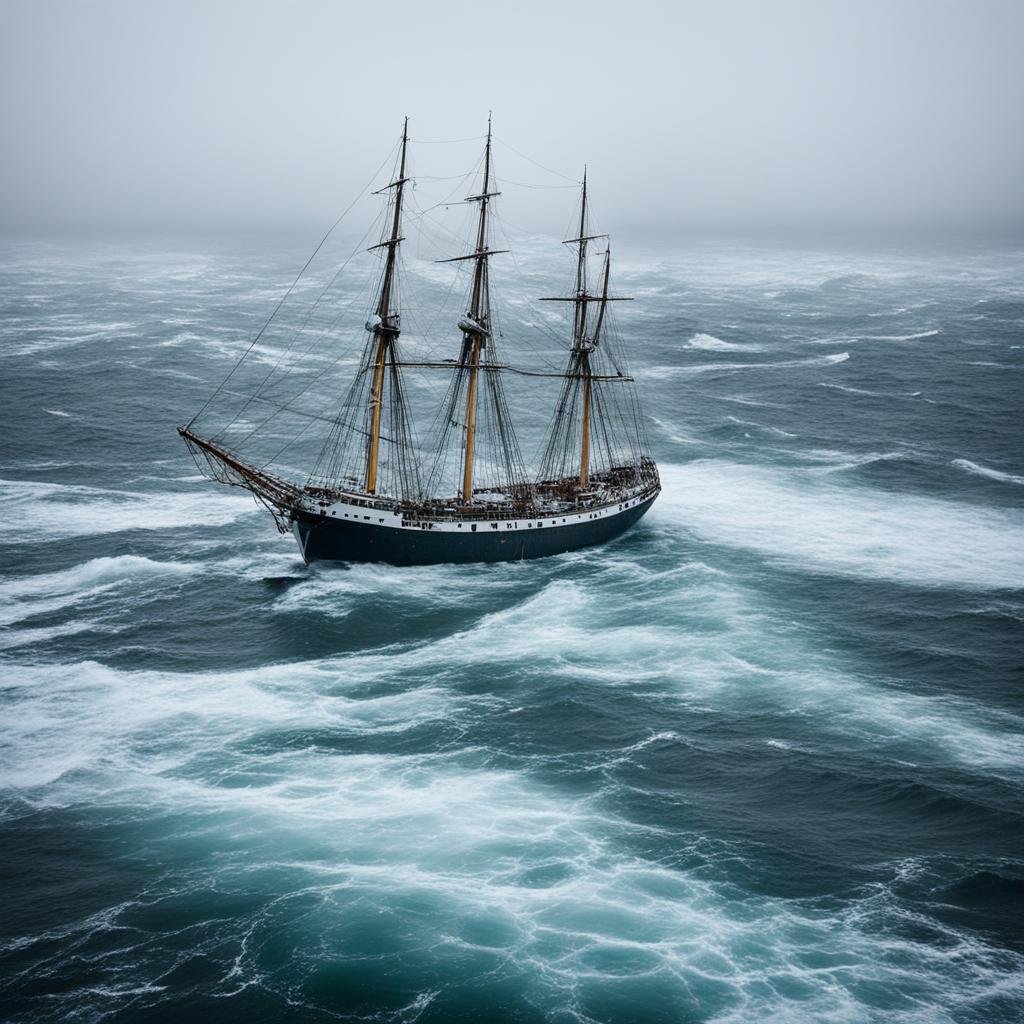
Investigators noted several anomalies that deepened the Mary Celeste mystery. One of the alcohol barrels was breached, leaking fumes, but 1,700 others were secure. Water in the bilge was minimal—about three feet—hardly enough to panic a crew. The ship’s clock had stopped, a sewing machine was out with half-finished work, and a slate with child’s alphabet was on the floor. No violence was evident: no bloodstains (the “blood” was actually paint), no signs of struggle, and the galley stove secure despite rough weather.
The missing lifeboat was found later, upright and seaworthy, suggesting the crew departed voluntarily. A money belt with $450 gold remained in the captain’s cabin, ruling out immediate robbery. These details paint a picture of sudden, orderly abandonment, amplifying the supernatural aura surrounding the Mary Celeste ghost ship mystery explained in countless books and films.
Official Investigations and Inquiries
The Mary Celeste was towed to Gibraltar for a formal inquiry by Frederick Solly-Flood, Attorney General of Gibraltar. The British Board of Trade hearing in 1873 scrutinized Captain Morehouse and the Dei Gratia crew for potential insurance fraud—a theory that persisted due to the valuable cargo. However, no evidence supported this; the alcohol’s worth had depreciated, and salvaging yielded little profit.
Witnesses, including the Dei Gratia officers, testified to the ship’s pristine state. Solly-Flood initially suspected mutiny but found no proof. Conspiracy theories arose, including claims of crew madness from alcohol fumes or a waterspout. Ultimately, the inquiry exonerated all parties, leaving the fate of Briggs and his crew a riddle. Modern analyses, like those by historian Paul Begg, confirm the ship’s condition was unremarkable for the era.
Leading Theories: Natural Causes Over Supernatural?
Over decades, theories abound for the Mary Celeste ghost ship mystery. Piracy was dismissed—no plunder, and Azores pirates targeted smaller vessels. Mutiny? Unlikely, given the harmonious crew and lack of violence. The “drunken crew” idea from fumes was popularized by Arthur Conan Doyle’s 1884 story “J. Habakuk Jephson’s Statement,” but only one barrel leaked, and alcohol was denatured, non-potable.
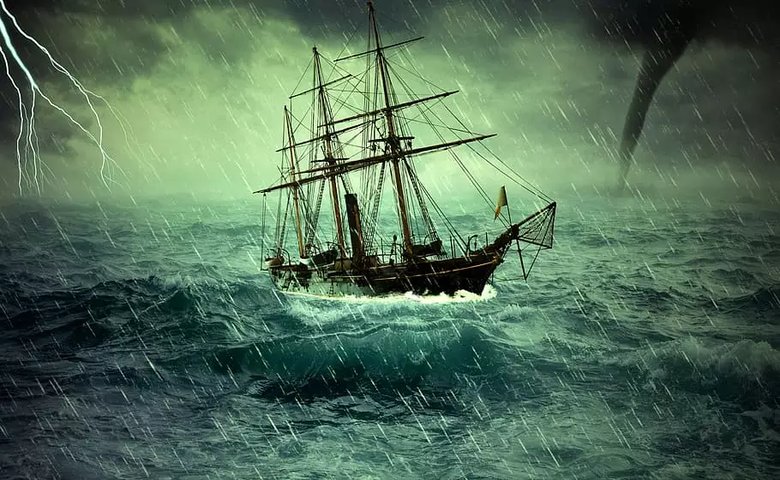
A compelling natural explanation is the “seaquake” or waterspout theory. In 2001, journalist Guy Stewart speculated a waterspout—a tornado over water—caused panic, prompting abandonment. However, evidence is scant. More plausible is the fumes-and-fear hypothesis by Dr. Andrea Sella (University College London, 2015): alcohol vapors from the breached barrel created a vapor cloud, mimicking an explosion risk. Crew, fearing ignition, fled in the lifeboat, only for winds to carry it away as the Mary Celeste stabilized.
The Fume Explosion Theory in Detail
Sella’s model posits that butane-like fumes from the alcohol barrels built up in the hold. A spark from static or the crew’s lanterns could ignite a non-damaging flash fire, terrifying the inexperienced with raw alcohol (many crew were new). They launched the lifeboat, tied it to the ship with a trailing line that snapped in rough seas. The Mary Celeste then sailed on empty, discovered 11 days later.
Supporting evidence: the breached barrel was near the main hatch, and explosive alcohol vapors are known maritime hazards. This rationalizes the orderly departure without supernatural elements, though it doesn’t explain why they didn’t return when no fire occurred.
Other Exotic Theories and Dismissals
Supernatural tales claim sea monsters, UFOs, or Bermuda Triangle-like forces—sensational but unsubstantiated. The “Briggs family curse” stems from folklore, but Briggs’ prior voyages were safe. Some suggest the crew reached safety in Portugal, but no records exist. Historian Jan Drent’s research points to a possible gale forcing abandonment, with the lifeboat swamped later.
Insurance fraud by Morehouse is a persistent myth, fueled by the Arthur Conan Doyle tale exaggerating horrors. Yet, audits showed no motive. The Mary Celeste continued sailing until wrecked in 1885 off Haiti, its legacy enduring.
The Legacy of the Mary Celeste in Pop Culture
The ghost ship’s fame exploded via Doyle’s fiction, inspiring films like “Phantom Ship” (1935) and “The Mystery of the Mary Celeste” (1935) with Bela Lugosi. It features in “The Triangle” TV series, “Doctor Who,” and novels by Clive Cussler. Modern podcasts and YouTube channels dissect the Mary Celeste mystery explained through CGI recreations.
Its allure lies in ambiguity: a perfect ship, vanished souls. Museums like the Maritime Museum of the Atlantic display artifacts, keeping the enigma alive. SEO searches for “Mary Celeste ghost ship” spike around Halloween, blending history with horror.
Conclusion: Why the Mystery Persists
The Mary Celeste ghost ship mystery explained boils down to human error amid natural perils—likely fumes and panic—rather than ghosts. Yet, without the lifeboat or bodies, certainty eludes us. Briggs, Sarah, Sophia, and the crew vanished into legend, reminding us of the ocean’s unforgiving mystery. Whether rational or spectral, the Mary Celeste endures as maritime folklore’s crown jewel, inviting endless speculation.
(Word count: 1,248)