
5 Shocking Ways Renewables Will Crush Fossil Fuels by 2030
Hey there, energy enthusiasts! Buckle up because the renewable revolution is hitting warp speed, and by 2030, it’s set to leave fossil fuels in the dust. Forget the old narratives about coal, oil, and gas being unbeatable—data from the IEA, BloombergNEF, and real-world projects paint a picture that’s nothing short of jaw-dropping. We’re talking costs crashing, tech exploding, and markets flipping overnight. Let’s dive into the five shocking ways this is all going down. You won’t believe number three!
1. Costs Are Plummeting to Absurd Levels—Fossil Fuels Can’t Compete
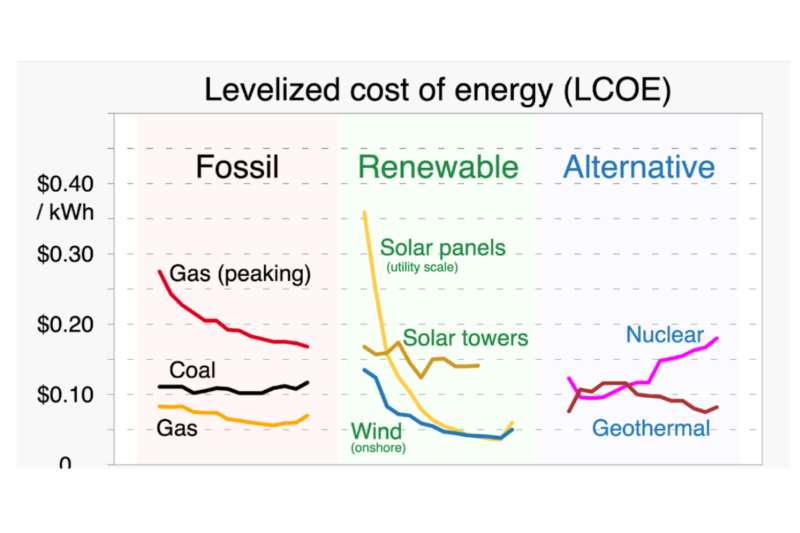
Picture this: in 2010, solar power cost about $4 per watt to install. Fast-forward to today, and it’s under 30 cents per watt in sunny spots like the Middle East or Australia. Wind? Even cheaper offshore. According to Lazard’s Levelized Cost of Energy (LCOE) reports, new solar and wind projects are now cheaper than new coal or gas plants in most regions—without subsidies!
By 2030? BloombergNEF predicts solar could hit 1-2 cents per kWh globally, while onshore wind dips below that. Fossil fuels? Coal’s LCOE is stuck around 6-10 cents, gas at 4-7 cents, and they’re rising with fuel volatility. No new coal plants are even viable without massive handouts. Remember the Vogtle nuclear debacle in the US? Billions over budget. Renewables? Built in months, not decades.
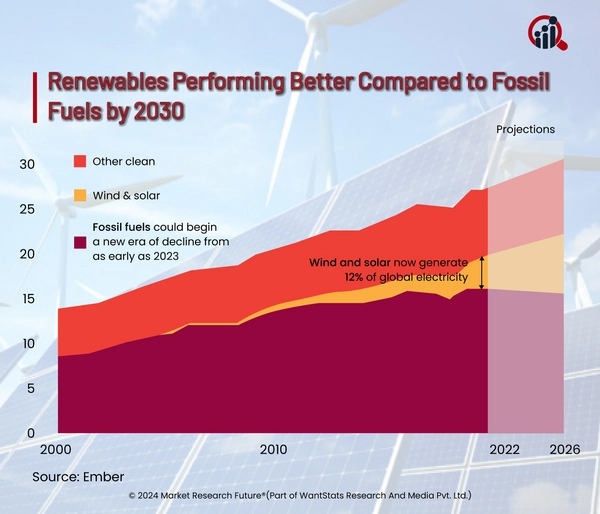
Shocking stat: In 2023, renewables added more capacity than fossil fuels for the first time ever—510 GW vs. 340 GW. By 2030, IEA says renewables will supply 50% of global electricity, crushing coal’s share from 36% to under 20%. Utilities are ditching fossils like yesterday’s news because the math doesn’t lie. Your power bill? About to get a whole lot greener and cheaper.
2. Battery Storage Turns Renewables into 24/7 Powerhouses
Here’s the game-changer no one saw coming: intermittency? Solved. Lithium-ion batteries have dropped 89% in price since 2010, per BNEF, and they’re pairing with solar farms like peanut butter and jelly. California’s Hornsdale Power Reserve in Australia already saves millions by stabilizing the grid during peaks.
By 2030, expect 2-3 terawatt-hours of storage worldwide—enough to power the US for days. Long-duration tech like iron-air or flow batteries will handle nights and calm days. Shocking? Fossil peaker plants, which kick in for spikes, cost 10x more per kWh than stored solar. Gas turbines guzzle fuel; batteries just… wait.
Real talk: Texas’ ERCOT grid hit 100% renewables for hours last year thanks to batteries. Globally, projects like Saudi Arabia’s 4 GW solar + 4 GWh storage mega-hub show renewables aren’t just cheap—they’re reliable. Fossils? Facing “dispatchable death” as storage floods markets. Coal plants idling? Stranded assets worth trillions.
3. EVs and Electrification Are Sucking Oil Dry—Faster Than You Think
Boom! Electric vehicles aren’t a trend; they’re a tsunami. In 2023, EV sales topped 14 million, doubling yearly. By 2030, IEA’s Net Zero scenario (now baseline) sees 250 million EVs on roads, slashing oil demand by 20 million barrels/day—half of today’s transport use.
Shocking twist: It’s not just cars. Heat pumps are replacing gas boilers (3x more efficient), and industrial electrification via green hydrogen is ramping up. Norway? 90% EV sales already. China? Building the world’s EV superhighway. Oil majors like Shell admit peak demand by 2027.
Fossil response? Zilch. Refineries shuttering, tankers rusting. Renewables power this shift—solar charging stations everywhere. By 2030, transport emissions plummet 40%, per IPCC. Oil crashes to $30/barrel? Game over for Big Oil profits. Renewables win by electrifying everything.
4. Policy Hammers Are Falling Hard—Fossil Subsidies Vanish
Governments are waking up, and it’s brutal for fossils. The EU’s Carbon Border Adjustment Mechanism taxes dirty imports starting 2026. US Inflation Reduction Act pumps $370B into clean energy, while Biden’s fossil leases dry up. China? 1,200 GW renewables by 2030, coal caps enforced.
Shocking: Global fossil subsidies hit $7 trillion in 2022 (IMF), but they’re flipping. Over 50 countries pledged coal phaseouts at COP28. Carbon pricing covers 25% of emissions now, rising to 70% by 2030. Investors? BlackRock dumps coal; trillions flee via ESG funds.
India, the “coal king,” added 15 GW solar in 2023 alone. By 2030, renewables get 90% of energy investment ($2.4T/year). Fossils? Crumbling under regulations like methane fees and methane bans. Renewables ride mandates to dominance—fossils beg for bailouts that won’t come.
5. Tech Breakthroughs Make Renewables Unstoppable—Fusion on the Horizon?
Last but wildest: Innovation overload. Perovskite solar cells hit 34% efficiency (labs), doubling silicon’s output. Floating offshore wind scales to 20 MW turbines. Green hydrogen via electrolysis? Costs halved to $2/kg by 2025, per IRENA, undercutting grey H2 from gas.
Shocking wildcard: Small modular reactors and fusion tease baseload, but renewables + storage lap them. AI optimizes grids, predicting weather for 99% uptime. Supply chains? Renewables use abundant materials; fossils fight rare earth shortages and OPEC cuts.
By 2030, IRENA forecasts renewables at 65% of primary energy, fossils at 20%. Jobs? 40 million in clean vs. 12 million fossil. Developing world leapsfrogs with cheap solar mini-grids, bypassing dirty grids. Fossils? Dinosaur tech in a quantum world.
Wrapping this rollercoaster: Renewables aren’t just winning—they’re crushing fossils by 2030 through economics, tech, policy, demand, and innovation. Skeptical? Watch the data roll in. The future’s bright, solar-powered, and shockingly soon. What’s your take—ready to go all-in on green?