
Why Renewables Will Make Oil Obsolete by 2030 – And How to Cash In Now
Hey, Oil’s Days Are Numbered – Believe It or Not
Picture this: It’s 2030, and you’re filling up your electric vehicle at a solar-powered charging station while oil rigs rust away in the desert. Sounds like sci-fi? Think again. I’ve been following the energy shift for years, and the data doesn’t lie – renewables are on a collision course to make oil irrelevant by the end of the decade. Costs are plummeting, tech is exploding, and governments worldwide are flipping the switch. But here’s the exciting part: you can position yourself to profit big time right now. Let’s dive in, shall we?
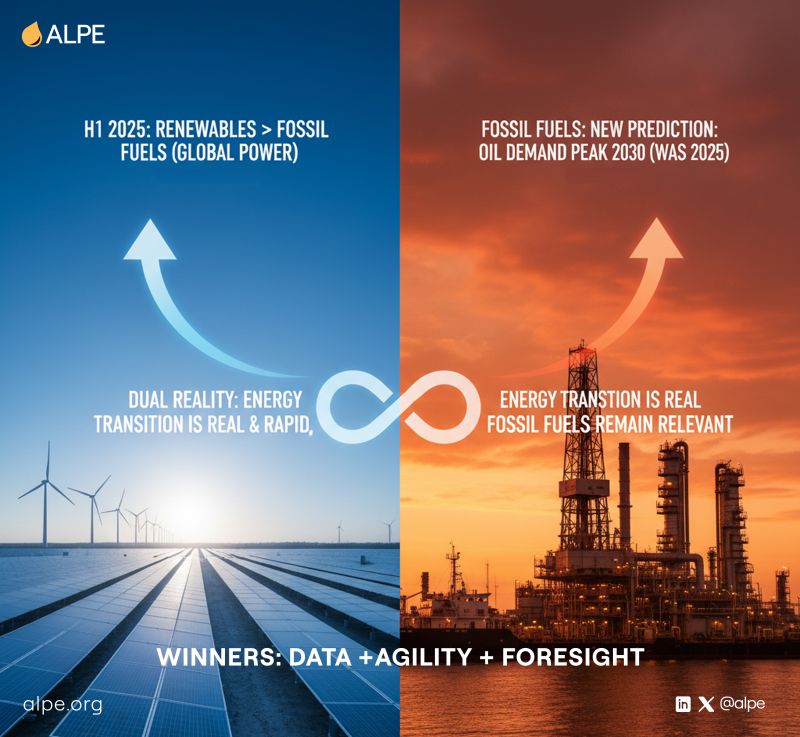
The Cost Killer: Renewables Are Already Cheaper Than Oil
Remember when solar panels were a luxury for eco-warriors? Those days are gone. Today, the levelized cost of energy (LCOE) for new solar and wind farms is often under $30 per megawatt-hour – cheaper than new coal or gas plants, and even beating existing fossil fuel operations in sunny or windy spots. BloombergNEF reports that renewables made up 86% of new power capacity added globally in 2023. Why? Simple economics.
Oil, meanwhile, is a rollercoaster. Sure, it spiked to $120 a barrel in 2022, but volatility kills. Extraction costs are rising as easy oil dries up – think deepwater drilling or tar sands. Renewables? Predictable as the sunrise. Battery storage is the game-changer here. Lithium-ion prices have dropped 89% since 2010, per the International Energy Agency (IEA). By 2030, expect grid-scale storage to make renewables dispatchable 24/7, obliterating oil’s edge in flexibility.
I chat with engineers in the industry, and they laugh at oil’s inefficiencies. A modern wind turbine generates power for pennies per kWh over its 25-year life. Oil? Burn it once, and it’s gone. No wonder ExxonMobil’s own forecasts show oil demand peaking by 2035 – but I say 2030 is realistic with acceleration.

EVs: The Nail in Gasoline’s Coffin
Oil’s lifeblood is transportation – 60% of demand. Enter electric vehicles (EVs). Tesla’s not alone anymore; BYD in China outsold them last year. Global EV sales hit 14 million in 2023, up 35% from 2022. The IEA predicts 250 million EVs on roads by 2030, displacing 20 million barrels of oil per day. That’s a quarter of today’s demand!
Batteries are the secret sauce. Solid-state tech from Toyota and QuantumScape promises 600+ mile ranges and 10-minute charges. Charging infrastructure? It’s exploding – 40 million public chargers by 2030, says McKinsey. Airlines and shipping? Electrification for short-haul, hydrogen for long. Saudi Aramco admits peak oil demand by 2030. OPEC’s scrambling, cutting production to prop up prices, but it’s futile. Renewables + EVs = oil’s obsolescence.
Policy Power: Governments Are All In
No crystal ball needed – just read the policies. The US Inflation Reduction Act pumps $369 billion into clean energy, with tax credits making solar/wind builds irresistible. Europe’s REPowerEU aims for 45% renewables by 2030. China, the manufacturing beast, installed more solar in 2023 than the rest of the world combined.
Carbon pricing is tightening: EU’s ETS, California’s cap-and-trade, and 70+ countries with taxes. Net-zero pledges cover 90% of global emissions. Even oil giants like BP and Shell are pivoting – Shell’s cutting oil investment by 30%. Geopolitics seals it: Russia’s war accelerated Europe’s gas independence via LNG and renewables. By 2030, fossil fuel subsidies could flip to carbon tariffs, making oil a pariah.
Tech Tsunami: What’s Coming Next
Perovskite solar cells hitting 30% efficiency? Green hydrogen from electrolysis at $1/kg? Floating offshore wind unlocking terawatts? These aren’t dreams – prototypes are live. Long-duration storage like iron-air batteries will store months of energy. AI optimizes grids, cutting waste by 20%. Fusion? Maybe a wildcard by 2030.
The IEA’s Net Zero by 2050 scenario shows oil demand crashing 75% from today. Their Stated Policies Scenario? Still a peak by 2030. Renewables capacity triples to 11,000 GW. Oil becomes niche: aviation, petrochemicals maybe, but volumes plummet.
Time to Cash In: Your Playbook for 2030 Riches
Okay, enough doom for Big Oil – let’s talk gains. I’m not your financial advisor (do your DD), but here’s where smart money’s flowing. First, solar and wind stocks. Enphase Energy (ENPH) dominates microinverters; their home solar kits are flying off shelves. First Solar (FSLR) for utility-scale panels – thin-film tech crushes costs.
Wind? Vestas (VWSYF) and Orsted (ORSTED) lead. Batteries: Panasonic (PCRFY) and CATL via ETFs. Tesla (TSLA)? Beyond EVs, their Megapack storage is booked for years. Don’t sleep on inverters like SolarEdge (SEDG) or charge-point leaders like ChargePoint (CHPT).
ETFs for diversification: iShares Global Clean Energy (ICLN) holds 100+ names. Invesco Solar (TAN) up 50% YTD. Global X Lithium & Battery Tech (LIT) for the EV boom. Hydrogen plays: Plug Power (PLUG) or Bloom Energy (BE).
Undervalued gems? Utilities pivoting like NextEra Energy (NEE), the world’s largest renewable producer. Or Brookfield Renewable (BEPC) for hydro/wind portfolios yielding dividends. International? Orsted in Denmark or Iberdrola in Spain.
Strategy: Dollar-cost average into ETFs for safety. Allocate 10-20% of your portfolio to renewables. Watch for dips – post-election volatility is buying opps. By 2030, as oil craters to $40/barrel (my bet), these could 5x. I diversified last year and slept better watching Exxon tank while TAN soared.
One Last Push: Don’t Get Left Behind
Oil barons scoffed at the internet in the ’90s; don’t be them. Renewables aren’t “green dreams” – they’re the new oil, cheaper and infinite. By 2030, expect 50%+ global power from sun/wind, EVs at 60% new sales, oil demand down 30%. Trillions in stranded assets for fossils, trillions in growth for clean tech.
Grab a coffee, open your brokerage app, and start small. The revolution’s here – join it, profit from it. What’s your first move? Drop a comment!