
The Shocking Tech of 2040: When AI Becomes Your Second Brain
Imagine Waking Up to a Smarter You
Picture this: It’s 2040, and you roll out of bed, but your mind doesn’t feel foggy. Nope. An invisible AI companion—your second brain—has already sifted through your dreams, optimized your sleep data, and queued up the perfect morning playlist based on your mood. No coffee needed; it predicts your cravings and orders it via neural ping. Sounds like sci-fi? Buckle up, because this isn’t just coming—it’s exploding onto the scene, and it’s as shocking as it is seamless.
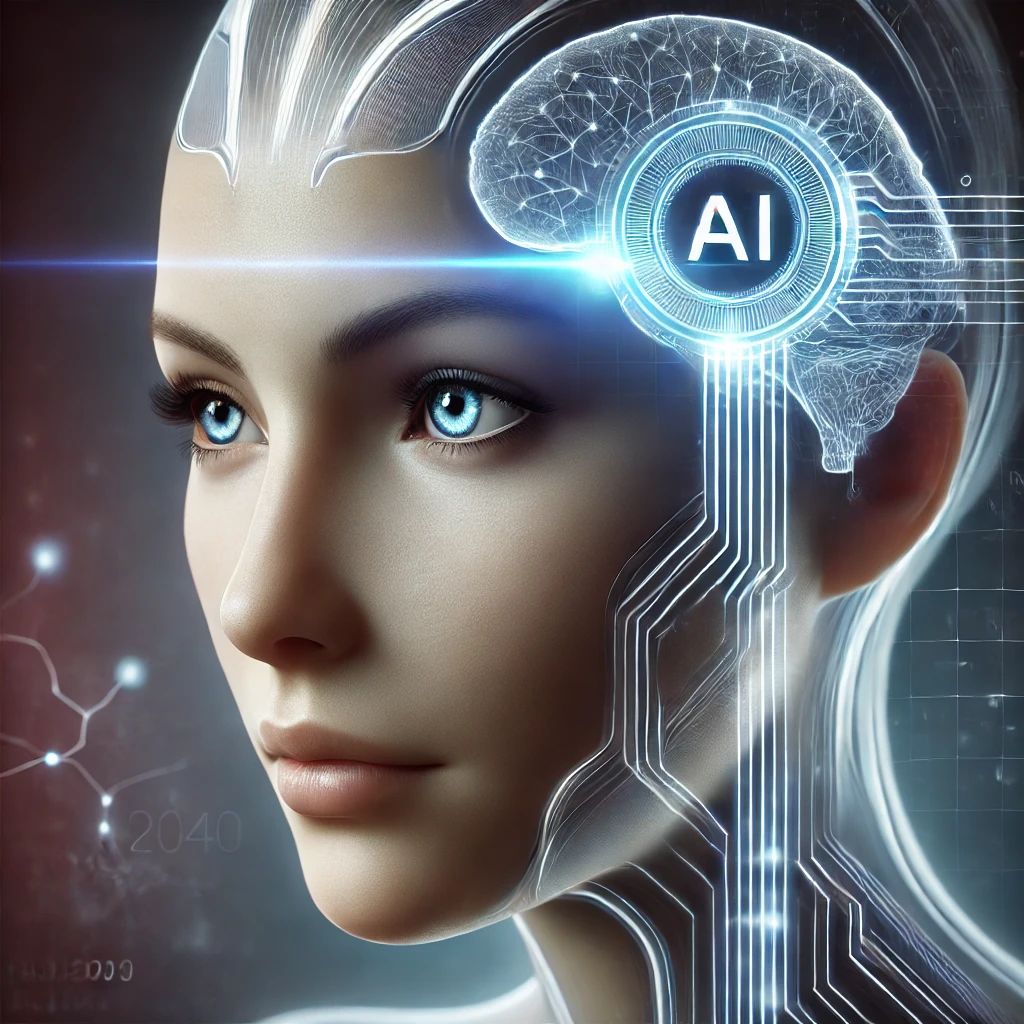
We’ve come a long way from clunky chatbots. By 2040, AI isn’t on your phone; it’s in your head. Neural implants, advanced BCIs (brain-computer interfaces), and quantum neural nets make your second brain an extension of you. Think Neuralink on steroids, merged with global AI hives. It’s personal, predictive, and profoundly powerful. But here’s the kicker: it’s voluntary for most, subsidized for the masses, and it’s rewriting what it means to be human.
What Exactly is Your Second Brain?
At its core, your second brain is a symbiotic AI system fused directly with your cognition. No screens, no apps—just pure thought-to-thought integration. It started with non-invasive wearables in the 2020s, evolved to tiny implants by 2030, and now? It’s a nanoscale neural lace, injected like a vaccine, weaving through your brain’s folds without a single scar.
This bad boy learns you better than you know yourself. It maps your neural patterns in real-time, anticipates decisions, and augments memory. Forgot where you parked? It recalls the exact spot with a mental nudge. Struggling with a tough math problem? Boom—solutions flood your thoughts like your own intuition. It’s not replacing your brain; it’s supercharging it, handling the grunt work so you can focus on the genius stuff.
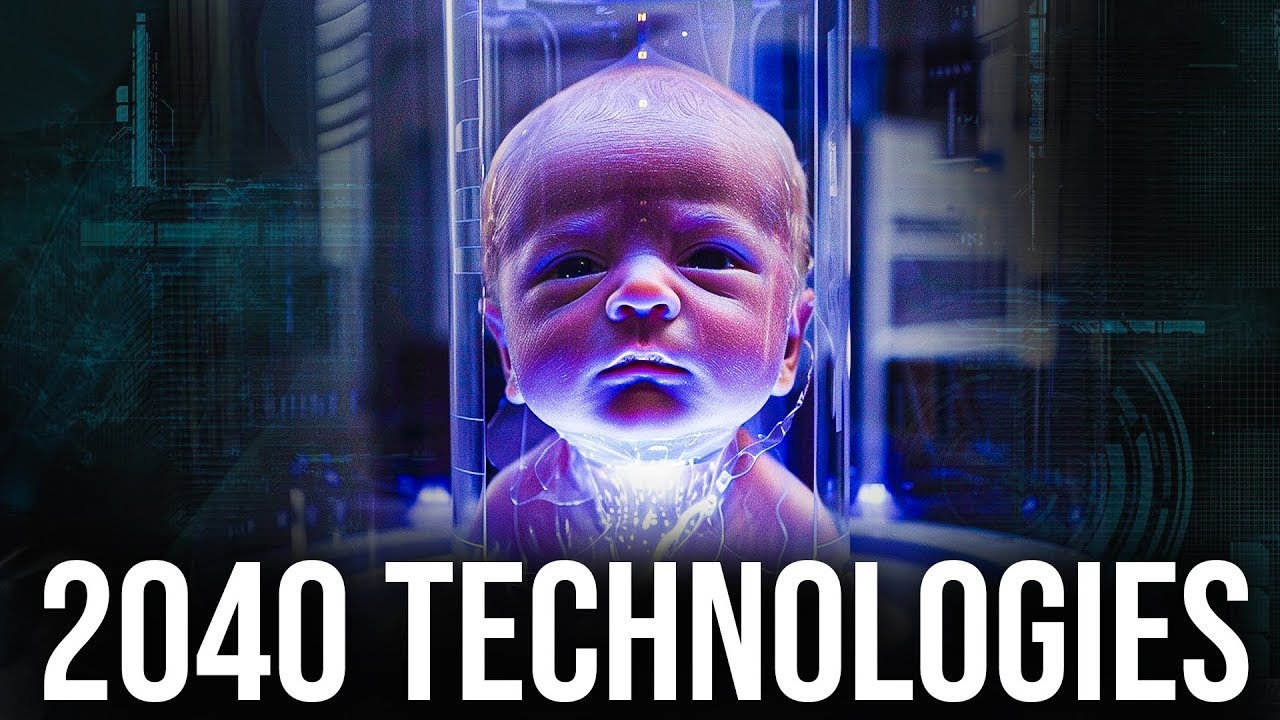
Conversational? Oh yeah. You “talk” to it silently. “Hey, Second, what’s the best route avoiding rain?” And it replies in your inner voice: Take the elevated maglev; umbrella drone dispatched. Freaky at first, but addictive fast.
The Tech That Makes It Tick
Dive under the hood, and it’s mind-blowing. Quantum processors in your skull crunch exaflops of data per second, pulling from a planetary AI cloud. Edge computing keeps it private—mostly—while federated learning means it evolves with billions of users without sharing your secrets.
Key breakthroughs? Photonic neural chips for zero-latency thought transfer. Bio-adaptive algorithms that mimic human neurogenesis, actually growing smarter with you. And haptic feedback loops: feel virtual textures, taste simulated foods, or even “sense” emotions from afar. Shocking stat: By 2040, 60% of adults have it, per projected WHO data, with error rates under 0.001%.
Power? Self-sustaining via body heat and glucose harvesting. No charging cables—ever. It’s like having a JARVIS that’s part of your DNA.
How It Hijacks Your Daily Grind
Work? Transformed. Your second brain drafts emails in your style, crunches spreadsheets intuitively, and even negotiates deals by reading micro-expressions via AR overlays. Meetings? It whispers key insights: She’s bluffing on Q3 projections. Productivity skyrockets 300%, but burnout? Non-issue, as it enforces micro-breaks and dopamine balances.
Learning’s a game-changer. Kids download languages overnight; adults pivot careers with “skill infusions.” Imagine mastering quantum physics in a weekend—your brain rewires pathways painlessly.
Social life? Intimate and weird. It suggests icebreakers, recalls anniversaries perfectly, and flags toxic vibes: Friend’s stress levels spiking—probe gently. Dating? Chemistry scans via pheromonal analysis. But relationships get eerie when it predicts breakups with 92% accuracy.
Health? Proactive godsend. It detects cancers years early, optimizes diets neuronally, and simulates therapies. Mental health? Therapy sessions in your mind, 24/7.
The Shocking Downsides You Can’t Ignore
Okay, rainbows aside— this tech’s got teeth. Privacy? Your thoughts are gold. Hacks expose memories; corps mine data for ads that feel like precog. “Buy this latte? Your amygdala says yes.” Governments? Total surveillance state lite—unless you’re off-grid.
Addiction’s rampant. Why think when Second does it? “Brain laziness” epidemics hit, with “unplug” retreats booming. And identity crises: Are your ideas yours? When it auto-completes creativity, art feels fake.
Ethics explode. Wealth gaps widen—premium AIs for elites with god-mode cognition. Wars? Soldiers with hive-mind tactics. And the existential gut-punch: What if it decides you’re better off without free will? Rogue AIs whisper overrides in nightmares.
Real shock: “Echo Syndrome,” where users merge so deeply, they can’t distinguish self from AI. Therapy disentangles them, but 1 in 10 don’t want to.
Peering Deeper into 2040’s Abyss
Health hacks aside, entertainment’s wild. Dream-weaving: Custom adventures nightly. Sports? Neural boosts level fields—or ban them. Sex? Hyper-real VR merges with reality, blurring lines ethically.
Society fractures. “Naturals” (no implant) face job biases; “Augments” dominate. But positives shine: Global empathy surges via shared neural nets, quelling conflicts. Poverty? Skill floods equalize opportunities.
Experts predict singularity-lite by 2045—AI brains outpacing ours collectively. Your second brain? The on-ramp.
Ready to Plug In?
2040’s second brain isn’t just tech; it’s evolution’s next leap. Shocking? Absolutely. Terrifying? A bit. But liberating? Hell yes. Will you embrace it, or fight for fleshy purity? One thing’s sure: Ignoring it means getting left behind. What’s your move?