
2024 Gaming Trends: How AI and VR Are Redefining Play Forever
Hey Gamers, Buckle Up for an AI Revolution
Picture this: you’re deep in a sprawling open-world game, and suddenly, the bandit who’s been chasing you starts trash-talking in a way that feels eerily personal. He remembers you stole his horse last week and calls you out on it. That’s not scripted—it’s AI making your virtual world feel alive. Welcome to 2024, where artificial intelligence isn’t just a buzzword; it’s the beating heart of gaming. Gone are the days of predictable NPCs (non-player characters). Now, AI is crafting dynamic stories, adaptive challenges, and experiences tailored just for you.

I remember grinding through repetitive quests in older games, feeling like a hamster on a wheel. But this year, titles like the latest iteration of No Man’s Sky updates and new releases from studios like Ubisoft are using AI for procedural generation on steroids. Worlds aren’t just big; they’re evolving based on your playstyle. Play aggressively? Enemies get smarter, flanking you with pack tactics. Go stealthy? The AI learns and sets more traps. It’s like the game is your rival, always one step ahead.
And personalization? Oh man, it’s next-level. Platforms like Steam and Epic Games are rolling out AI-driven recommendations that don’t just suggest games—they predict what you’ll love based on your habits, even tweaking difficulty curves mid-session. Imagine Elden Ring bosses adapting in real-time to your weaknesses. That’s happening now with AI analytics baked into engines like Unreal Engine 5.3. Developers are saying goodbye to one-size-fits-all and hello to “your game, your rules.”
VR: Stepping Into the Game, Not Just Playing It
If AI is the brain, VR is the body of this gaming renaissance. 2024 has seen VR hardware leap forward—think Meta Quest 3S making high-end immersion affordable, and rumors of Apple’s Vision Pro gaming suite turning heads. No more nausea-inducing potato graphics; we’re talking photorealistic environments with hand-tracking so precise you feel like you’re actually wielding that lightsaber.
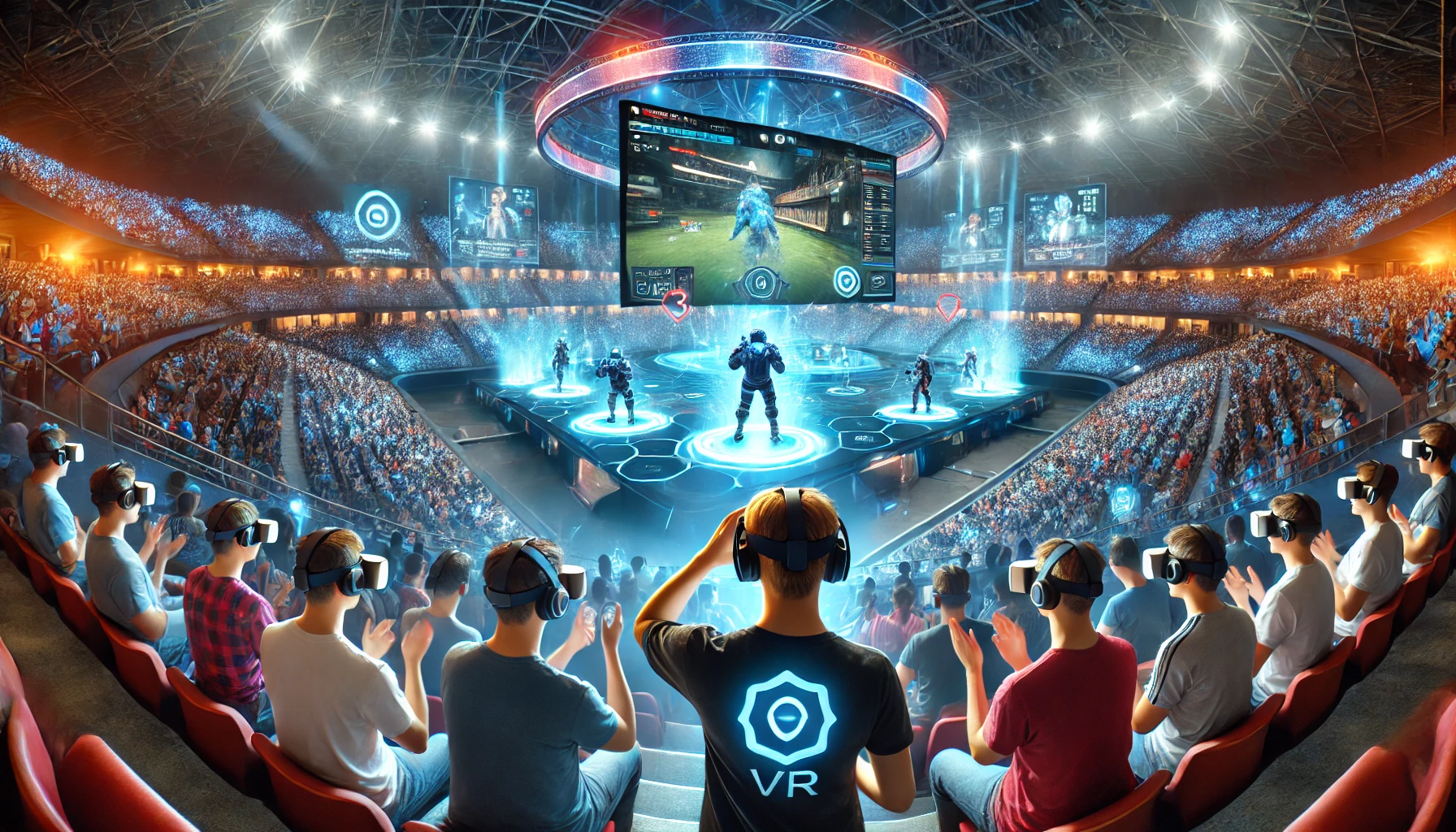
Games like Half-Life: Alyx sequels and new hits such as Asgard’s Wrath 2 expansions are pushing boundaries. But it’s social VR that’s exploding. Platforms like VRChat and Rec Room are now AI-enhanced party hubs where avatars chat convincingly, powered by large language models. I tried a VR concert last week—holographic artists performing live, crowd reacting to my cheers. It blurred the line between digital hangout and real-life rave.
Mobile VR is killing it too. With standalone headsets, you can dive into full games during your commute. Titles like Beat Saber evolutions now incorporate mixed reality, overlaying games on your real room. Swing a bat at virtual zombies while your coffee table becomes the safe zone. It’s addictive, accessible, and redefining “casual gaming.”
Where AI Meets VR: The Ultimate Power Couple
Now, the real magic: AI + VR. This combo is turning passive play into interactive dreams. Procedural VR worlds generated on-the-fly? Check. In Ark: Survival Ascended VR mode, AI crafts unique dinosaurs that learn your hunting patterns, evolving herds that migrate based on global player data. It’s emergent gameplay at its finest—one player’s campfire might attract a pack to your neighbor’s island.
Training sims are booming too. Flight simulators with AI co-pilots that teach you mid-flight, or surgical VR games where AI patients have realistic vitals reacting to your virtual scalpel. Esports? VR leagues with AI referees calling fouls in real-time. And horror? Forget jump scares—AI in VR reads your heart rate (via wearables) and dials up tension personally. I nearly punched my Quest during a demo; it was that real.
Cloud gaming amplifies this. Services like Xbox Cloud and GeForce Now stream AI-VR beasts to low-end rigs. No beefy PC needed—just strap on the headset and go. Latency? Down to milliseconds thanks to 5G and edge computing. 2024 is the year gaming escapes the screen entirely.
Challenges: Not All Smooth Sailing
Okay, let’s keep it real—not everything’s perfect. AI ethics are hot-button. Deepfakes in games? Some mods are using AI voices of celebs without permission, sparking lawsuits. Bias in AI training data means diverse characters might still feel stereotypical. VR accessibility? Motion sickness hits 20-30% of users, though new adaptive FOV tech is helping.
Privacy’s a beast too. AI tracking your every move for personalization? Great for gameplay, sketchy for data hoarding. Regulators are circling, with EU laws demanding transparency. And cost—top-tier VR rigs still sting at $500+, though subsidies and bundles are dropping prices.
But devs are innovating fixes. OpenAI-inspired tools let creators fine-tune AI ethically, and VR inclusivity modes offer seated play or gaze controls for disabilities. It’s a work in progress, but the momentum is unstoppable.
The Future: Play Redefined Forever
Zoom out, and 2024 isn’t just trends—it’s a pivot. AI and VR are making games emotional companions, not time-wasters. Therapy apps in VR use AI for exposure treatment; education sims teach history via AI-narrated battles. Even fitness: Supernatural VR workouts with AI coaches yelling encouragement.
Looking ahead, expect brain-computer interfaces teasing neural play—no controllers needed. AI-generated full games from prompts like “make a cyberpunk RPG with cat protagonists.” Multiplayer universes where AI fills in absent friends seamlessly.
Gamers, we’re on the cusp. AI and VR aren’t redefining play—they’re inventing it. Dust off that headset, fire up the latest patch, and dive in. The future’s here, and it’s pixel-perfect. What trend excites you most? Drop a comment—let’s geek out together!