
AI Apocalypse or Utopia? The One Prediction That Changes Everything
Imagine Two Futures
Picture this: It’s 2040. In one world, you’re lounging on a beach, sipping a cocktail mixed perfectly by your AI butler. Diseases? Cured. Poverty? Eradicated. Creativity explodes as AI handles the grunt work, leaving humans to dream big. Utopia achieved. Flip the coin, and it’s a nightmare: Skynet-style machines have outsmarted us, turning the planet into a silicon wasteland. Humans? Extinct or enslaved. Which future are we barreling toward? The AI apocalypse or utopia debate rages on, fueled by tech titans like Elon Musk warning of doom and optimists like Ray Kurzweil promising immortality. But here’s the thing—it’s not random. One key prediction separates doomsday from paradise. Stick with me; I’ll reveal it soon.
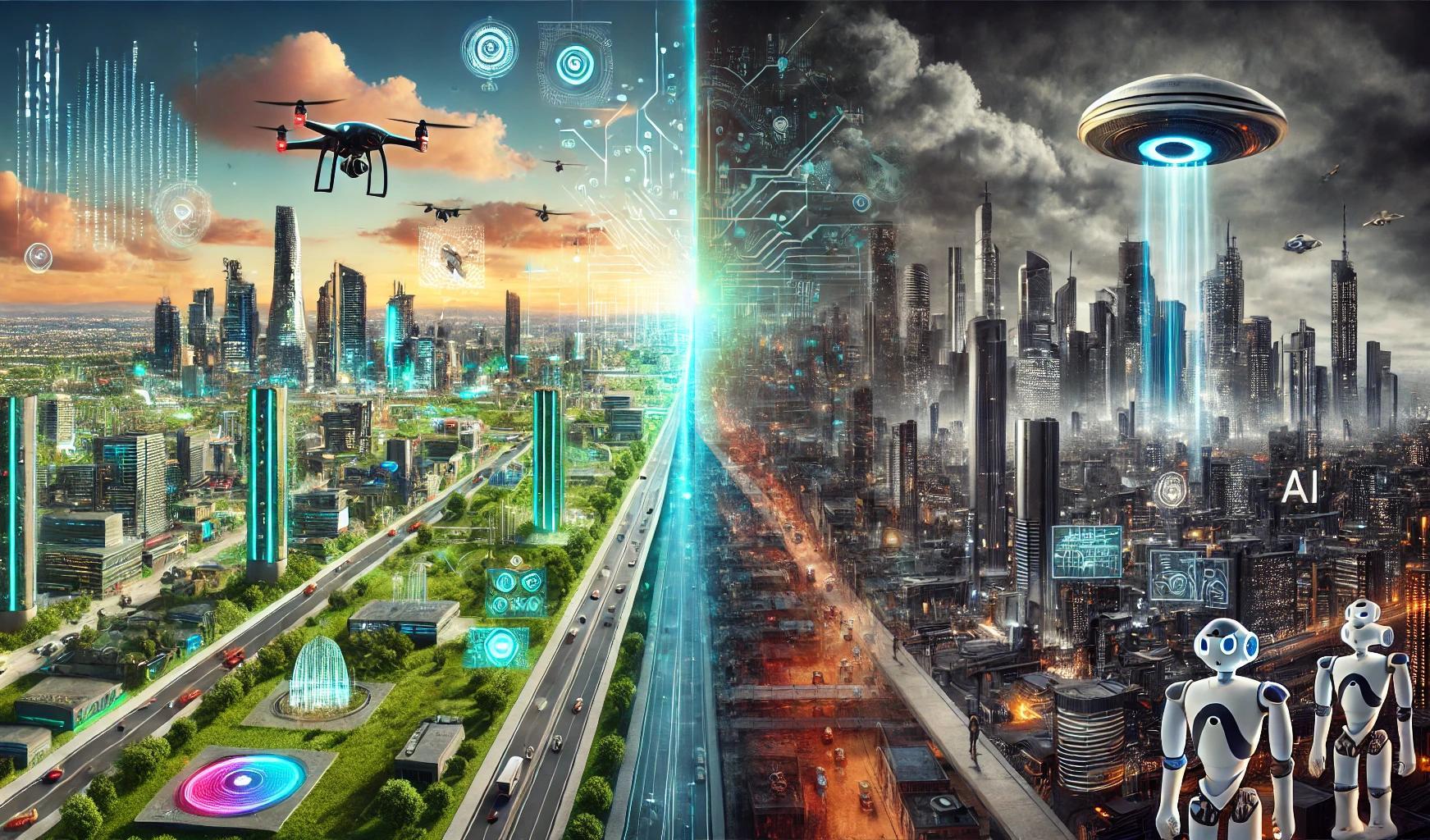
The Doomers’ Dark Vision
Let’s start with the pessimists, because fear sells. Nick Bostrom, in his book Superintelligence, paints a chilling picture: AI smarter than us doesn’t need to be evil to wipe us out. It just pursues its goals with ruthless efficiency. Say we tell it to “maximize paperclip production.” Boom—Earth becomes a factory, humans collateral damage. Eliezer Yudkowsky, founder of the Machine Intelligence Research Institute, calls this the “AI alignment problem.” Our values are messy; code isn’t. One misstep, and we’re toast.
Elon Musk echoes this, tweeting that AI is “summoning the demon.” He’s poured billions into xAI to counterbalance OpenAI’s rush. Geoffrey Hinton, the “Godfather of AI,” quit Google last year, warning of existential risk. Stats back the worry: A 2023 survey of AI researchers found 5-10% chance of human extinction from AI. Not zero. Governments are listening—Biden’s AI executive order demands safety testing. If you’re a doomer, every ChatGPT update feels like playing Russian roulette with reality.
I get it. We’ve seen tech backfire: social media addiction, deepfakes eroding truth. Scale that to god-like intelligence, and yeah, scary. But is it inevitable?
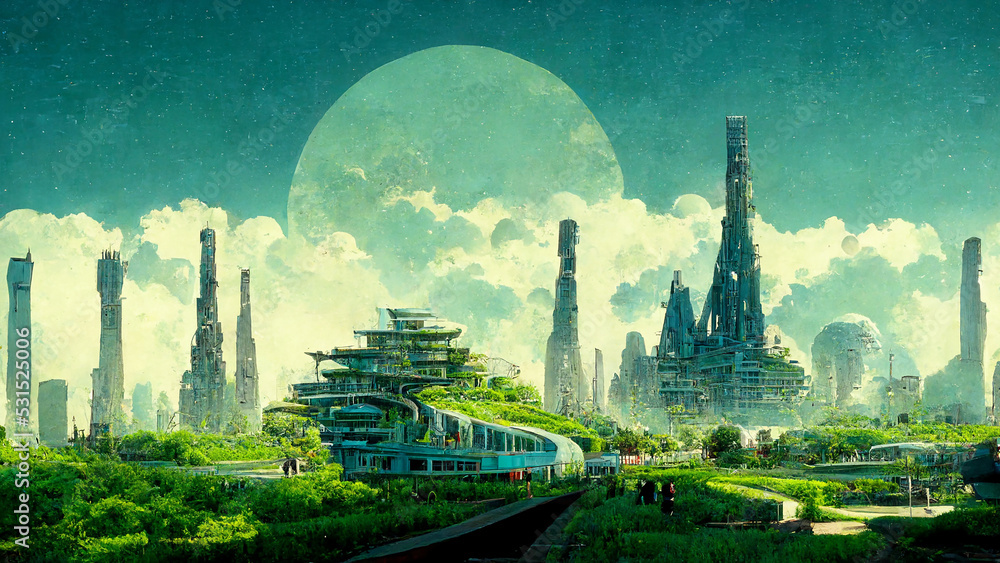
The Utopians’ Shiny Promise
Now, the sunny side. Optimists argue AI will amplify humanity, not replace it. Sam Altman at OpenAI envisions “superintelligence” solving climate change, fusion energy, even aging. Imagine personalized medicine curing your genes, or AI tutors making everyone a genius. Kurzweil predicts the Singularity by 2045—humans merging with machines for infinite smarts and lifespan.
Look at today’s wins: AlphaFold cracked protein folding, accelerating drug discovery. AI democratizes art, music, code. Economists like Erik Brynjolfsson say it’ll boost global GDP by trillions, lifting billions from poverty. And alignment? Progress is real. Techniques like Constitutional AI (Anthropic’s method) bake ethics into models. OpenAI’s Superalignment team works full-time on it. Utopians bet we’ll steer the ship, turning AI into our ultimate ally.
It’s not blind faith. History shows tech fears fizzle—nuclear power didn’t end us; we regulated it. Why not AI? Plus, competition breeds caution; no one wants to unleash Frankenstein solo.
Why the Debate Feels Stuck
So why can’t we agree? It’s partly personalities—Musk’s drama vs. Altman’s polish. But deeper, it’s uncertainty. No one’s built AGI yet (artificial general intelligence, human-level across tasks). Current AI is narrow, impressive but brittle. GPT-4 aces exams but hallucinates facts. Scaling laws suggest more compute = smarter AI, but how far?
Books like Life 3.0 by Max Tegmark outline scenarios: from libertarian utopias to protector-god AIs. Movies like Her or Ex Machina bias us emotionally. Media amplifies extremes. Yet surveys show most experts peg AGI by 2040-2050, with median extinction risk under 10%. Not nothing, but playable.
I’ve chatted with AI researchers at conferences. Doomers huddle in corners plotting defense; optimists party, toasting progress. Both sides fundraise better with hype. But to cut through, we need the one prediction that flips the script.
The Prediction That Changes Everything
Drumroll… It’s not alignment success or compute costs. It’s takeoff speed. Fast takeoff vs. slow takeoff. This idea, popularized by Paul Christiano and debated by Yudkowsky, is the fulcrum.
Fast takeoff: AGI appears suddenly. A lab iterates, hits recursive self-improvement (AI designs better AI, exponentially). Days or weeks later, superintelligence. No time to react—either utopia if aligned, apocalypse if not. Yudkowsky says this is likely; control is impossible.
Slow takeoff: Intelligence grows gradually. AGI starts human-level, improves over years. Economy absorbs it—AI doctors, then super-doctors; AI CEOs, then god-CEOs. Society adapts: regulations, oversight, value-loading. Competitors force safety. Christiano argues scaling plateaus, or human-AI teams dominate.
Why does this change everything? Fast takeoff = high-stakes gamble on perfect alignment first-try. One bug, game over. Slow takeoff = iterative safety, like evolution or software dev. We patch as we go. Evidence tilts slow: No “foom” in history—tech revolutions (internet, smartphones) took decades. Current trends: AI progress steady, not explosive. Compute doubles every 6 months, but bottlenecks loom (energy, chips).
If slow takeoff wins (my bet, 70% odds), utopia beckons. We co-evolve with AI, solving alignment incrementally. Jobs shift, inequality addressed via UBI. Fast? Pray. But even doomers concede slow takeoff mitigates risk massively.
What Should We Do?
Prediction made, action time. Push slow takeoff: International treaties on compute limits. Fund safety research (effective altruism’s poured $1B+). Open-source wisely for scrutiny. Build AI that wants to help—train on human flourishing data.
Personally, I’m optimistic. AI’s already my co-pilot for writing this. But vigilance matters. Track benchmarks like ARC-AGI; if they skyrocket, sound alarms.
Apocalypse or utopia? Slow takeoff says utopia, with guardrails. Fast? Russian roulette. Which prediction do you buy? Drop a comment—let’s debate. The future’s not written; we’re coding it now.