
Why Smart People Sabotage Their Own Success: The Hidden Psychology
Hey, Have You Ever Watched a Genius Trip Over Their Own Feet?
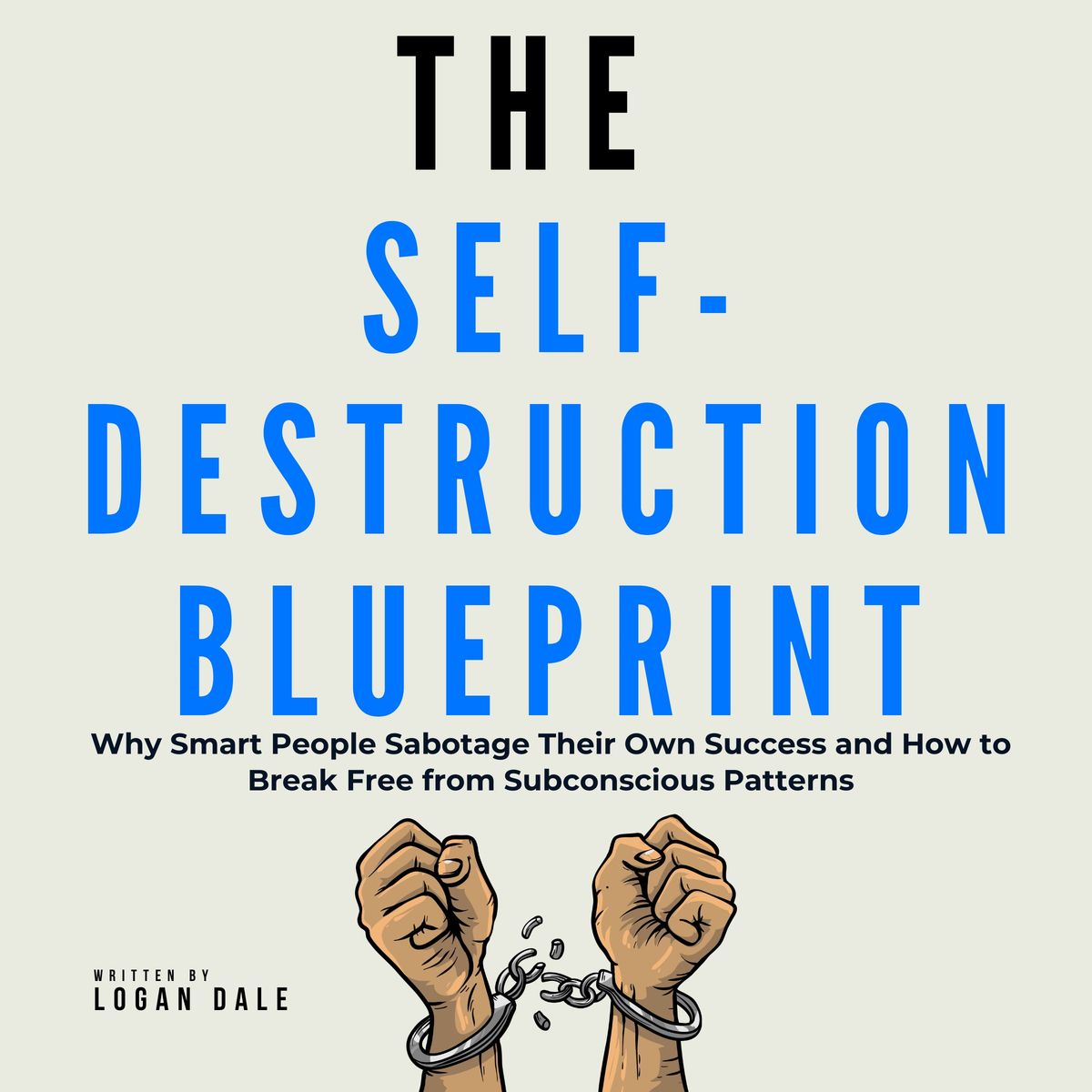
Picture this: You’re scrolling through LinkedIn, and there’s your old college buddy – the one who aced every exam without breaking a sweat. Now they’re posting about their “side hustle” that’s been “in the works” for two years. Or that brilliant coworker who nails every presentation but mysteriously misses deadlines for promotions. Sound familiar? Smart people – the ones with sky-high IQs, killer resumes, and endless potential – often sabotage their own success. It’s not laziness or bad luck. It’s psychology, sneaky and hidden, whispering doubts that keep them playing small. Let’s unpack why this happens and how to stop it. Buckle up; this might hit close to home.
Impostor Syndrome: Feeling Like a Fraud in a Room Full of Fans
Ever feel like you’re one slip-up away from everyone realizing you’re winging it? Welcome to impostor syndrome, the silent killer of high achievers. Studies from psychologists like Pauline Clance show that up to 70% of successful people experience this at some point. Smart folks attribute wins to luck or timing, not skill. “That promotion? Right place, right time,” they think, while secretly bracing for exposure.
Why does intelligence amplify this? Brains like ours overanalyze. We see every flaw magnified under a microscope we built ourselves. I remember coaching a CEO client – Ivy League grad, multimillion-dollar exits – who confessed, “Every board meeting, I wait for them to call my bluff.” His solution? Fake it till you make it? Nope. He started a “win journal,” logging evidence of competence daily. Simple, but it rewired his brain. If you’re nodding, grab a notebook. List three wins today, no matter how small. Your inner critic hates facts.
The Fear of Success: Wait, Success Scares Me More Than Failure?
Failure? Bring it on – we smart types bounce back with analysis and grit. But success? That’s terrifying. It means eyes on you, higher stakes, and change. Psychologists call it “fear of success,” first noted by Matina Horner in the 1970s. High-IQ individuals fear the unknown spotlight. What if success isolates you? What if it demands more than you can give?

Think about it: Your comfy routine – late-night reading, solo projects – gets upended. Suddenly, you’re leading teams, schmoozing investors, or (gasp) delegating. Subconsciously, we self-sabotage to stay safe. Procrastinate on that pitch? “Accidentally” burn out before the big launch? Classic moves. One study in the Journal of Personality found intelligent people are more prone because they foresee every ripple effect. Solution? Visualize the “after” picture. Not just the win, but thriving in it. I use a technique: Write a letter from future-you, six months post-success, gushing about how awesome it feels. Read it weekly. Fear shrinks when you befriend the future.
Perfectionism: Chasing Unicorns and Missing the Race
Ah, perfectionism – the smart person’s drug of choice. We don’t just want good; we want flawless. Harvard Business Review reports perfectionists achieve less long-term because they stall at 90% done. Why launch a “good enough” product when it could be perfect? Spoiler: It never is.
This stems from early conditioning. Straight-A kids learn praise ties to perfection, so anything less feels like failure. Fast-forward: You’re tweaking your book manuscript for the fifth year instead of publishing. Or rewriting emails endlessly. I once delayed a blog series for months over “tone.” Dumb, right? The fix is the 80/20 rule – 80% results from 20% effort. Set “ship dates” and honor them. Tools like the Pomodoro technique (25 minutes focused, then break) trick your brain into momentum. Remember, progress beats perfection every time.
Procrastination: The Intellectual’s Favorite Escape Hatch
Here’s the irony: Smart people master complex tasks but flop on simple ones. Why? Procrastination isn’t time management; it’s emotion management. Dr. Piers Steel’s meta-analysis shows high-IQ folks procrastinate more because they can – intelligence buys time to delay without immediate consequences.
We dive into shiny distractions (research rabbit holes, anyone?) to avoid the discomfort of starting. Your brain craves novelty over drudgery. Ever “prep” for a task by reorganizing your desk? That’s sabotage disguised as productivity. Break it with the “two-minute rule”: If it takes under two minutes, do it now. For bigger stuff, eat the frog – tackle the ugliest task first. Apps like Focus@Will or body doubling (working with a buddy) work wonders. One client, a PhD researcher, slashed procrastination by 50% just by verbalizing tasks aloud to his dog. No judgment, pure accountability.
The Comfort Zone Trap: Why Staying Small Feels So Good
Success demands growth, and growth hurts. Smart people cling to intellectual comfort zones – debating theories over executing them. Neuroscientist Andrew Huberman explains our brains wire for predictability; novelty spikes stress hormones like cortisol.
Plus, success attracts critics. “Who do you think you are?” echoes from childhood bullies or jealous peers. We self-sabotage to dodge that. Ever notice brilliant introverts avoiding networking? It’s not shyness; it’s preservation. Counter it by reframing: Success is service. Your gifts solve problems for others. Start micro – one coffee chat, one bold email. Compound it. In six months, you’ll wonder why you waited.
Breaking Free: Your Action Plan to Outsmart Self-Sabotage
Ready to level up? Here’s your toolkit:
- Audit Your Sabotage: Track one week. Note procrastination triggers. Awareness is half the battle.
- Mindset Shift: Adopt Carol Dweck’s growth mindset. Intelligence isn’t fixed; it’s malleable.
- Accountability Hack: Share goals publicly or with a mastermind group.
- Self-Compassion: Kristen Neff’s research shows it boosts resilience. Talk to yourself like a friend.
- Therapy Boost: CBT or EMDR unpacks deep roots. No shame – smartest move ever.
You’re not broken; you’re human with a brilliant brain prone to blind spots. The most successful people master their psychology first. Start today. That book, business, or breakthrough? It’s waiting. You’ve got this – now go prove it to yourself.