
Esports Empire: How Gamers Are Conquering the World One Tournament at a Time
Picture this: thousands of fans packed into a massive arena, lights flashing, pyrotechnics exploding, and the roar of the crowd shaking the foundations. No, it’s not a rock concert or a soccer match—it’s an esports tournament. Gamers, once dismissed as basement-dwelling nerds, are now global superstars raking in millions, with audiences rivaling the Super Bowl. Welcome to the Esports Empire, where pixels meet glory, and one clutch play can change everything.
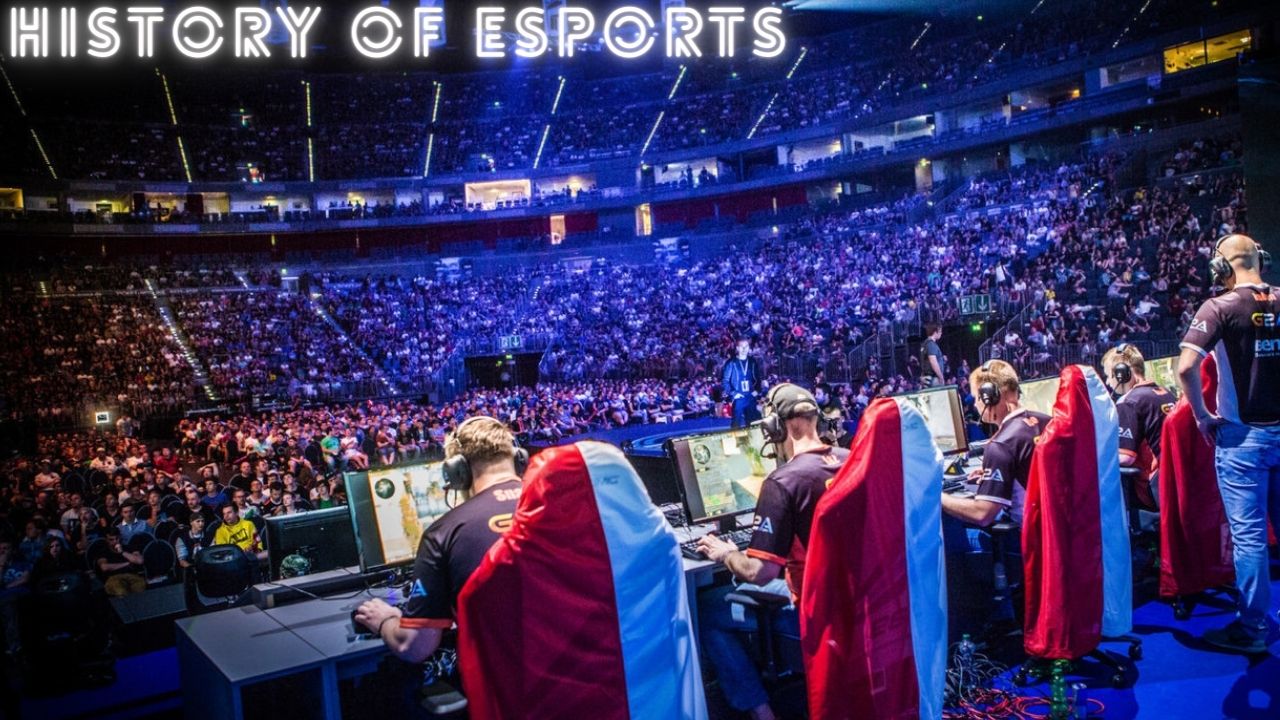
I’ve been hooked on esports since the early days of StarCraft in South Korea, but man, has it exploded. Today, it’s a juggernaut worth over $1.8 billion, projected to hit $3.6 billion by 2028. Kids dream of going pro, parents buy gaming chairs instead of soccer cleats, and brands like Red Bull and Intel throw cash at teams like it’s confetti. How did we get here? Let’s dive in.
From LAN Parties to Global Stages
Esports didn’t just appear overnight. It started in the smoky corners of internet cafes and college dorms. Back in the ’90s, Red Bull hosted the first Red Annihilation for Quake—tiny prize pools, but pure passion. Fast-forward to 2000, and South Korea turns StarCraft into a national sport, with pro leagues broadcast on TV. Brood War pros like Nada became household names, training 16 hours a day like Olympic athletes.
Then came the multiplayer online battle arena (MOBA) boom. League of Legends launched in 2009, and Riot Games built Worlds—their flagship tournament—into a spectacle. Remember Faker’s insane Zed outplay in 2013? That moment put esports on the map. Dota 2 followed suit with The International, where prize pools funded by crowdfunded battle passes hit $40 million in 2021. Crazy, right? These aren’t flukes; they’re the blueprint for conquest.
The Colosseums of Competition
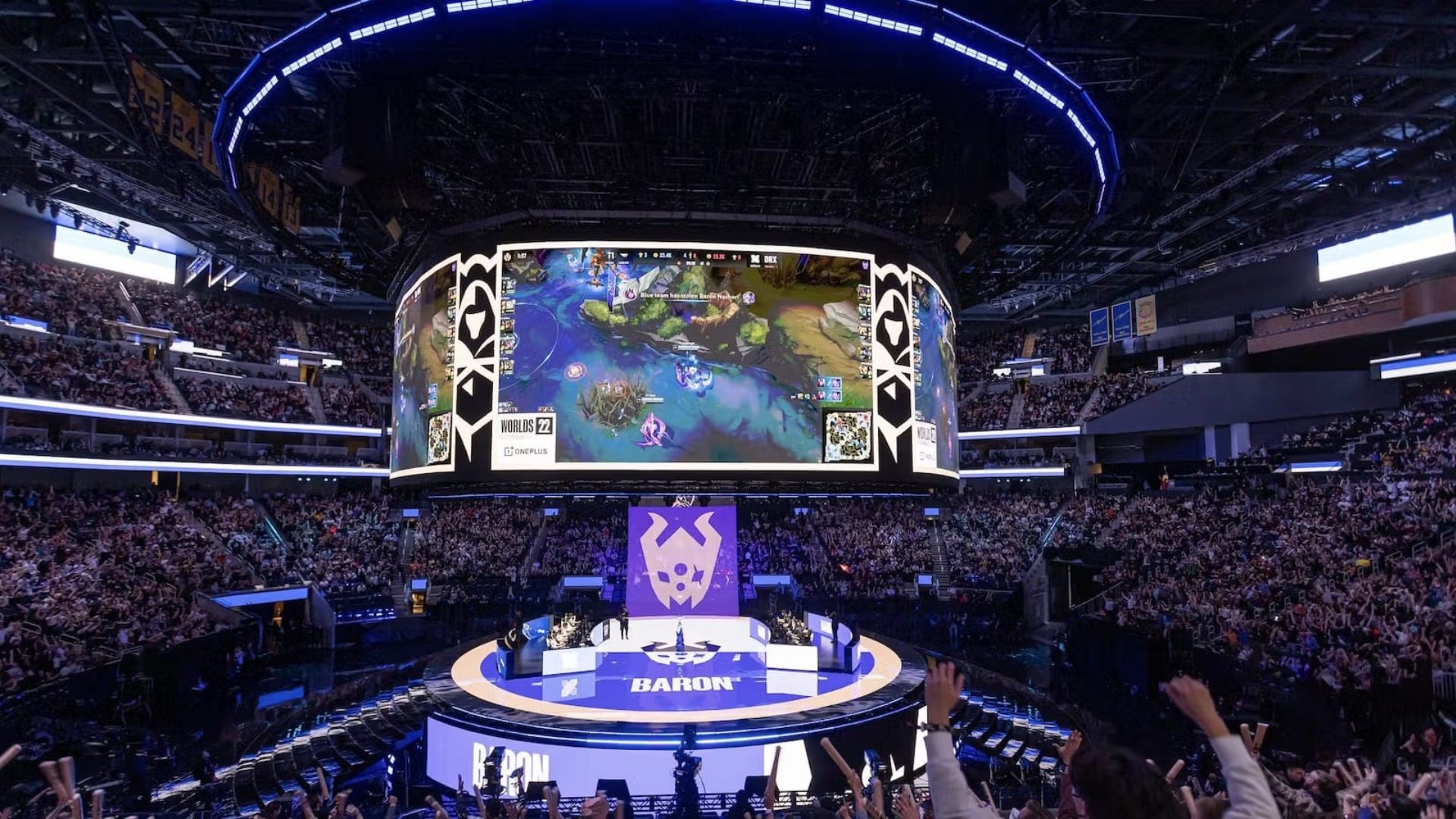
Today’s tournaments are straight-up empires. League of Legends World Championship routinely draws 100 million viewers online, peaking at 6.8 million concurrent for the 2022 final. Held in places like San Francisco’s Chase Center or Paris’ Accor Arena, it’s a traveling circus of hype. The stage? LED walls bigger than your house, player intros with K-pop idols, and opening ceremonies that’d make Coachella jealous.
Counter-Strike: Global Offensive (now CS2) Majors pack Berlin’s Mercedes-Benz Arena with 20,000 screaming fans waving flags from 50 countries. Prize? $1.25 million split among teams. Valorant Champions in LA? 1.5 million peak viewers. And don’t sleep on fighting games—EVO’s Street Fighter finals feel like underground raves turned mainstream. Mobile esports? PUBG Mobile Global Championship doled out $3 million in Saudi Arabia. Every continent has its battlefield, and gamers are storming them all.
Millionaire Gamers and Rockstar Lifestyles
Who are these conquerors? Pro players live like athletes on steroids. “s1mple,” the Ukrainian CS:GO legend, has over $1.7 million in earnings and endorsements from Rolex. Faker, the GOAT of League, pulls $2.5 million annually from T1, plus ads with BMW. These kids—often teens when they start—train in bootcamps with coaches, analysts, psychologists, and chefs. It’s grueling: 12-hour scrims, zero tolerance for tilt, and the pressure of million-dollar splits.
Take G2 Esports’ “Caps” from Denmark. He ditched school for League, now he’s a millionaire with a fanbase chanting his name in stadiums. Or Evil Geniuses’ Abed, grinding Dota from the Philippines to TI glory. Stories like these inspire a new generation. Twitch streams pull billions of hours watched yearly, turning casters like Shroud into celebs. It’s not just play—it’s branding, merch, and metaverse empires brewing.
The Global Fan Army
Esports conquers because it’s borderless. A kid in rural Brazil watches FaZe Clan dominate Fortnite via shaky Wi-Fi. In China, 500 million gamers tune into King of Glory leagues. Korea’s OGN channel is esports ESPN. Platforms like Twitch, YouTube Gaming, and now TikTok clips make it accessible—watch a highlight, get hooked, buy the skin.
Viewership stats are mind-blowing: 2023 Esports World Cup in Riyadh hit 100 million hours viewed across 23 titles. That’s more eyes than the NBA Finals some years. Communities thrive on Reddit, Discord, Twitter beefs. National pride fuels it—China vs. Korea in StarCraft is blood feud stuff. And inclusivity? Women like “Geguri” in Overwatch prove it’s for everyone, smashing stereotypes.
Money Talks: The Billion-Dollar Boom
Follow the cash. Sponsors pour in: Coca-Cola at Worlds, Mastercard for Visa rivals. Teams like FaZe, 100 Thieves (Drake’s squad), and TSM are valued at $100-400 million. Venture capital? $1.5 billion invested in 2022 alone. Saudi Arabia’s $45 million Esports World Cup? Bold flex into soft power.
Player salaries start at $100k for rookies, stars hit seven figures. Franchised leagues like OWL (RIP, but lessons learned) and LCS stabilize it. NFTs, Web3? Mixed bag, but blockchain teams like GamerHash are experimenting. The empire’s economy is self-sustaining, turning hobbies into hustles.
The Future: Olympics, VR, and Beyond
Esports is eyeing the throne. Already in Asian Games (gold medals!), debating Olympics entry. VR/AR tournaments? Imagine holographic League battles. Metaverses like Roblox host mini-Worlds. AI coaching? Coming soon. Challenges exist—burnout, scandals like match-fixing—but orgs are pro-ing up with unions and wellness programs.
By 2030, esports could eclipse traditional sports in youth appeal. Schools offer scholarships; universities like UCI have varsity teams. It’s cultural shift: gaming isn’t escape, it’s empire-building.
So, next time you scroll past a tournament stream, pause. That “noob” clutching a 1v5? They’re scripting history. Esports isn’t conquering the world—gamers are, one tournament at a time. Who’s your pick to rule next? Drop it in the comments!