
7 Cyber Hacks That Bypass Every Firewall (And How to Stop Them)
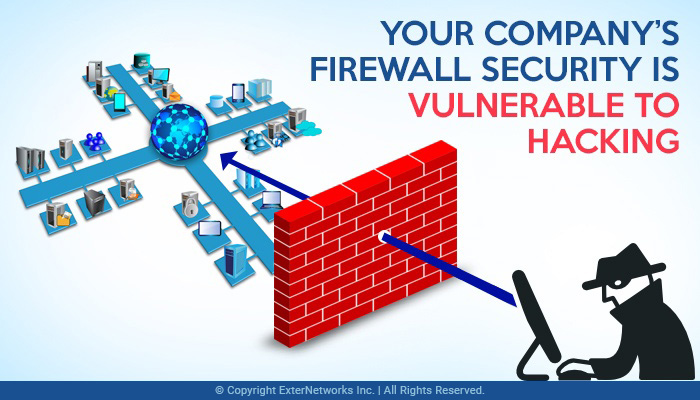
Hey there, cyber warriors and curious netizens! Firewalls are like the bouncers of your network—tough, reliable, and they keep the riffraff out based on rules like IP addresses, ports, and protocols. But here’s the kicker: hackers have sneaky ways to slip past them without even touching the front door. We’re talking about exploits that don’t rely on punching through ports or dodging packet filters. In this post, I’ll break down seven real-world cyber hacks that laugh in the face of firewalls, explain exactly how they work, and—most importantly—give you battle-tested tips to shut them down. Buckle up; your digital fortress just got an upgrade blueprint.
1. Phishing: The Human Firewall Fail
Picture this: You’re sipping coffee, an email pops up from “IT Support” with a urgent password reset link. Click it, and boom—credentials stolen. Phishing bypasses firewalls because it doesn’t traverse the network perimeter; it tricks you into handing over the keys. Firewalls can’t block human gullibility.
How to stop it? Train like your life depends on it (it does). Run regular phishing simulations with tools like KnowBe4. Enable multi-factor authentication (MFA) everywhere—MFA stops 99% of account takeovers. Use email filters like Microsoft’s ATP or Proofpoint, and teach your team the “pause and verify” rule: Hover over links, check sender domains, and never click under pressure. Pro tip: Browser extensions like uBlock Origin and HTTPS Everywhere add extra scrutiny.
2. USB Drops: Sneaky Physical Sneak-Ins
Ever find a random USB stick in the parking lot labeled “Employee Salaries 2023”? Plug it in out of curiosity, and malware like Stuxnet infects your air-gapped system. Firewalls? Useless here—data zips in via hardware, not the network.
Counter it with ironclad policies. Disable autorun on all endpoints (Group Policy in Windows does this). Use endpoint detection tools like CrowdStrike or Malwarebytes that scan USBs in real-time. Deploy Data Loss Prevention (DLP) software to block shady devices. And educate: “If it’s not yours, it’s a trap.” Bonus: Full-disk encryption ensures even if plugged in, data stays locked.
3. Insider Threats: The Enemy Within
Your disgruntled employee or unwitting pawn downloads a trojan on their laptop at home, brings it to work, and laterally moves across your network. Firewalls protect the edge, but insiders are already inside the velvet rope.
Lock it down with Zero Trust Architecture—verify every user, device, and request, no exceptions. Tools like Okta or BeyondCorp enforce this. Implement User and Entity Behavior Analytics (UEBA) via Splunk or Exabeam to spot anomalies like unusual data exfiltration. Least privilege access is key: No one gets god-mode. Regular audits and exit protocols for offboarding seal the deal.
4. DNS Tunneling: Hiding in Plain DNS
DNS queries are like network oxygen—firewalls rarely block them. Hackers encode malware commands or exfiltrate data in DNS packets, tunneling past filters. Tools like dnscat2 make it child’s play for attackers to C2 (command and control) your systems.
Stop the tunnel with DNS security. Use services like Cisco Umbrella or Quad9 that inspect and block anomalous DNS traffic. Rate-limit queries on your DNS server and monitor for high-volume or weird payloads with Wireshark or Zeek. Implement DNSSEC for integrity. Firewalls with deep packet inspection (DPI) like Palo Alto’s can flag this too.
5. HTTPS Tunneling: Encryption’s Dark Side
Everyone loves HTTPS—it’s secure, right? Wrong for firewalls. Attackers wrap malicious payloads in encrypted HTTPS traffic via proxies like ngrok or Cobalt Strike, making it indistinguishable from legit Zoom calls or Netflix streams. Signature-based firewalls wave it through.
Fight back with TLS/SSL decryption. Next-gen firewalls (NGFWs) from Fortinet or Check Point inspect encrypted traffic (with proper certs installed on endpoints). Use Secure Web Gateways (SWGs) like Zscaler. Enable certificate pinning in apps and monitor for domain generation algorithms (DGAs). Behavioral analysis in EDR tools catches the oddballs.
6. Zero-Day Exploits: Unknown Unknowns
Zero-days are exploits for unpatched vulnerabilities hackers find first. They slip through firewalls via allowed traffic—like a browser vuln exploited over HTTP. Remember Log4Shell? It bypassed everything until patched.
Your shield: Patch management automation with tools like Ivanti or WSUS. Deploy Web Application Firewalls (WAFs) like Cloudflare or Imperva for app-layer protection. Runtime application self-protection (RASP) in code embeds defenses. And hunt proactively with threat intel feeds from Recorded Future. Assume breach—segment networks with micro-segmentation via Illumio.
7. Supply Chain Attacks: Third-Party Treachery
SolarWinds ring a bell? Hackers compromise a vendor’s software update, and poof—it’s distributed to thousands, including you. Firewalls see it as trusted traffic from a legit source.
Defend with software bill of materials (SBOMs) and integrity checks. Use tools like Sigstore for signing updates. Vet suppliers rigorously and isolate third-party apps in sandboxes. Endpoint privilege management (EPM) like CyberArk limits blast radius. Continuous monitoring with SIEM (e.g., Elastic) flags post-compromise activity. Shift-left security in dev pipelines catches it early.
Wrapping this up (yeah, I know, you thought no outro, but you need the big picture), no single tool stops cyber threats—it’s layers, people, and processes. Firewalls are table stakes; layer on EDR, training, and Zero Trust for real resilience. Stay vigilant, update religiously, and test your defenses. What’s your biggest worry? Drop a comment below—let’s chat hacks and fixes. Stay safe out there!