
You Won’t Survive the Wilderness Without These 9 Game-Changing Tips
Picture this: You’re deep in the woods, miles from civilization, your phone’s dead, and panic starts creeping in. Sound familiar? Or maybe it’s your worst nightmare. Either way, if you’re heading into the wild—hiking, camping, or just getting lost on a casual stroll—these 9 game-changing tips will be your lifeline. I’ve been there, bushwhacking through dense forests and shivering through unexpected storms, and these hacks saved my skin more times than I can count. Forget the fluffy survival shows; this is real talk from someone who’s tested it all. Buckle up, because you won’t survive without these.
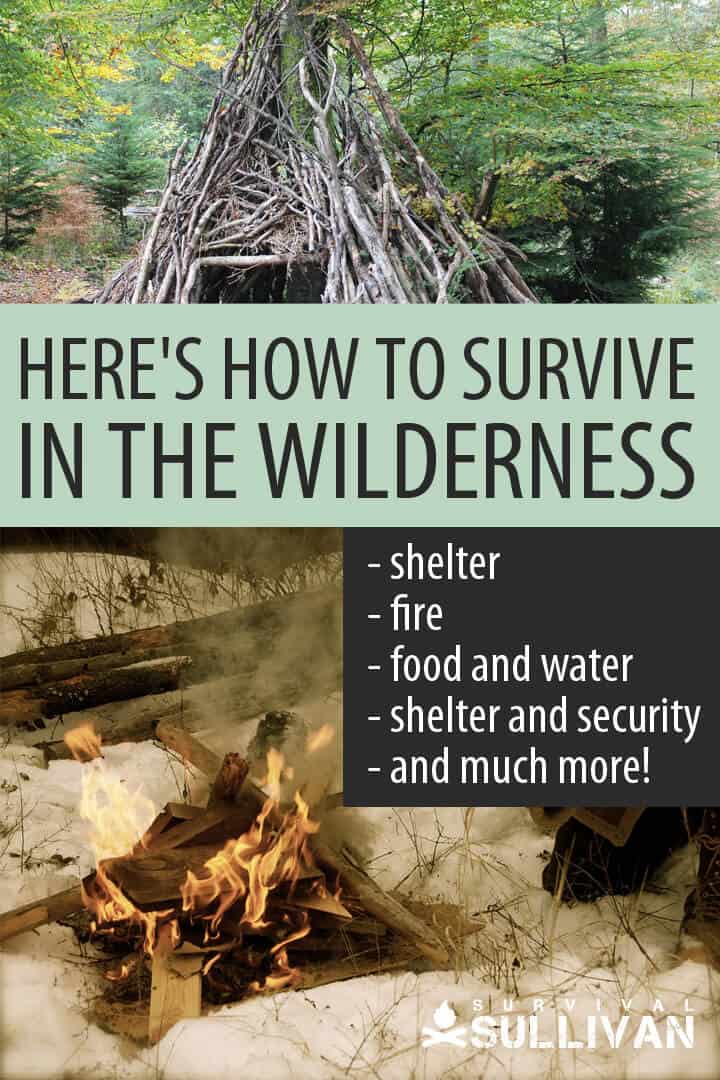
1. Prioritize Shelter Over Everything—Even Food
Here’s the brutal truth: Hypothermia kills faster than starvation. Your first move? Shelter. Don’t waste hours gathering twigs for a fire if you’re exposed. Scout for natural cover—a fallen tree, rock overhang, or thick bush. Then, improvise. Use a poncho or trash bag as a tarp, propped with branches. Layer leaves or pine needles inside for insulation—think 2-3 feet deep. Pro tip: Face your shelter away from the wind, and elevate the floor with logs to beat ground chill. I once survived a rainy night in the Rockies this way, cozy as a bug while the storm raged. Skip this, and you’re toast.
2. Fire-Starting: Three Methods You Must Master
Fire isn’t optional; it’s oxygen. Wet? No problem. Carry a ferro rod, stormproof matches, and a firestarter like Vaseline-soaked cotton balls. Method one: Tinder bundle—dry grass, birch bark, or shaved wood. Method two: If damp, use a bow drill: Spindle from straight stick, board from dead branch, string from shoelace. Friction city. Method three: Lens from water bottle or glasses to focus sun. Bank your fire with rocks for heat reflection. I lit one in a downpour using dryer lint—game-changer. Practice at home; fumbling costs lives.
3. Water: Boil, Filter, or Die Thirsty
Three days without water, and you’re done. Stagnant pond? Don’t sip straight. Boil it—full rolling boil for one minute kills everything. No pot? Improvise with a canteen over fire. Filter first: Cloth through layered charcoal and sand in a bottle. Or solar disinfect: Clear bottle, sun for six hours. Iodine tabs are pocket gold. Pro hack: Collect dew with a bandana at dawn. In the desert once, this kept me going for two days. Dehydration sneaks up—dark urine? Act now.
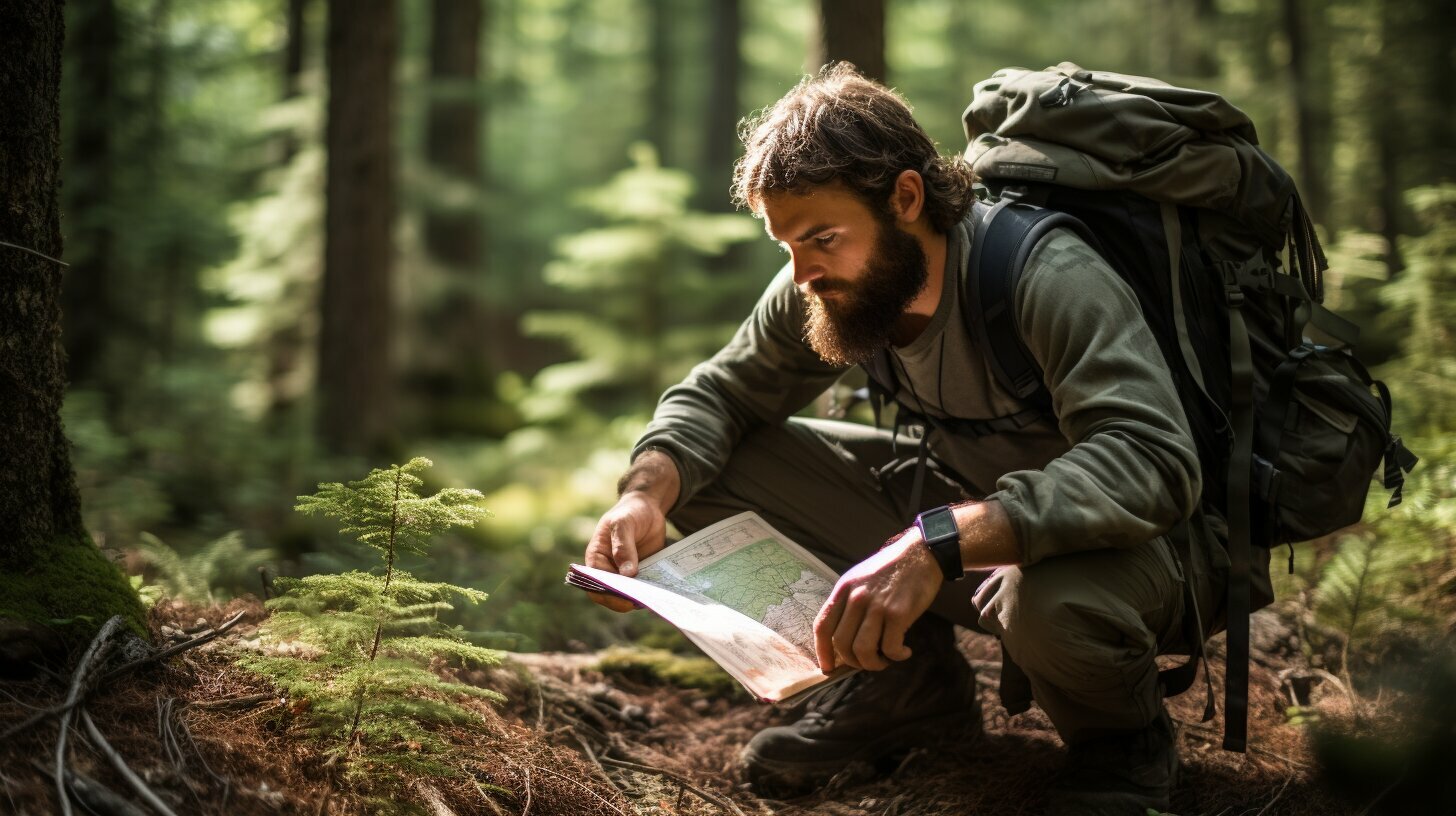
4. Navigate Without GPS: Stars, Sun, and Shadows
Compass broke? No signal? Old-school rules. Sun rises east, sets west—shadow stick trick: Plant a stick, mark shadow tip, wait 15 minutes, mark again. Line between is east-west. Stars at night: Big Dipper points to Polaris, true north. Moss grows thicker on north trees in shade. Rivers flow to civilization—follow downstream. Map and compass are king, but memorize these. Got turned around in fog-shrouded Appalachians; Polaris got me home. Tech fails; skills don’t.
5. Signal for Rescue: Make Yourself Unmissable
Rescuers fly patterns—be seen. Three fires in a triangle scream “help.” Mirror flash: Any shiny object at planes. Ground signals: “SOS” with rocks or stomped snow, 20×20 feet. Smoke by day, fire glow by night. Whistle three blasts, pause, repeat. Orange trash bag or space blanket waves like crazy. I was airlifted after signaling with a CD reflector—pilots spotted it miles away. Don’t rely on yelling; amplify your presence.
6. Forage Like a Local: Edibles You Can’t Mess Up
Hunger hits hard, but wrong plants poison. Rule one: “Naked man” test—nope, stick to sure bets. Cattails: Root like potatoes, shoots like cucumber. Dandelions: Everything edible. Pine needles for tea (vitamin C). Berries? Blackberries yes, others test: Rub on lip, wait. Insects: Grubs fat and safe, cooked. Avoid bright colors. In Alaska, cattail flour kept me fueled. Hunt small game with snares from wire or cordage. Calories count—don’t starve waiting for rescue.
7. First Aid Kit: Compact and Deadly Effective
Injuries happen. Pack smart: Tourniquet (belt), QuikClot gauze, duct tape for blisters, Benadryl, painkillers, antibiotic ointment. Splint breaks with sticks and cloth. Stop bleeding: Direct pressure, elevate. Hypothermia? Skin-to-skin with dry buddy. Snakebite? Immobilize, suck venom? Myth—get anti-venom. I stitched a gash with needle/thread from my kit—no infection. Mental note: Clean wounds with boiled water. Prevention beats cure—watch footing.
8. Clothing Layers: The Thermal Hack
Wet clothes kill. Base layer: Merino wool wicks moisture. Mid: Fleece traps air. Outer: Waterproof shell with pits zips. No cotton—it soaks and chills. Hat and gloves mandatory; 40% heat loss from head. In rain, strip wet layers by fire, dry ’em. Feet: Wool socks, extra pair. Survived a blizzard in layers while a cotton-wearing buddy froze. Dress for the worst, adjust as needed. Hypothermia signs: Shivering stops? Emergency.
9. Mindset: The Ultimate Survival Weapon
Gear fails, but your brain doesn’t. Stay positive—fear clouds judgment. Routine: Shelter, signal, water, food (in that order). Rest, ration energy. Talk to yourself: “One step at a time.” Visualize rescue. I was lost four days; mantras kept panic at bay. Journal thoughts on bark—therapy. Fear of bugs? Focus on gratitude: You’re alive. Weak mind quits first. Train it now.
These aren’t theories—they’re battle-tested. Print this, practice, pack light but smart. Next adventure, you’ll thrive, not just survive. Stay wild, stay safe.