
Why Smart People Struggle with Happiness: The Hidden Psychology Exposed
Ever Wonder Why the Brainiacs Seem So Glum?
Picture this: You’re at a party, chatting with a genius-level IQ type. They’re dropping mind-bending insights left and right, solving life’s puzzles like it’s a crossword on easy mode. But then you ask, “Hey, are you happy?” Crickets. Or worse, a sigh followed by a philosophical ramble about the futility of it all. It’s a pattern I’ve noticed time and again—smart people, the ones society idolizes, often grapple with happiness more than the average Joe. Why? Isn’t intelligence supposed to unlock the good life? Spoiler: It doesn’t. In fact, it can sabotage it. Let’s dive into the hidden psychology behind this paradox, backed by research and real-talk stories. Buckle up; this might hit close to home if you’re one of those overachievers.
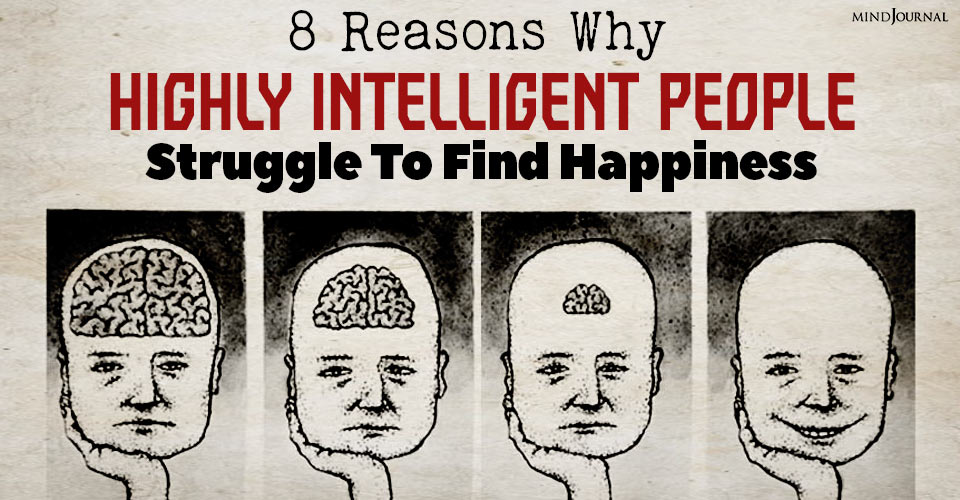
The Overthinking Trap: When Your Brain Won’t Shut Up
Smart folks have brains that run like Ferrari engines—fast, powerful, and sometimes out of control. The problem? They overthink everything. Psychologists call this rumination, and it’s a happiness killer. A study from the Journal of Personality found that high-IQ individuals spend more time dwelling on problems, replaying scenarios like a bad Netflix loop. Why? Their cognitive horsepower lets them foresee every possible outcome, good and bad.
Take my friend Alex, a software engineer with an IQ off the charts. He’d analyze a simple date night to death: “What if she doesn’t like the restaurant? What if traffic’s bad? Am I even worthy?” By the time the evening rolled around, he was exhausted before appetizers. Happiness requires presence, but overthinkers live in the future or past. It’s like having a superpower that zaps your joy battery dry. The fix? Mindfulness practices, proven by fMRI scans to quiet that mental chatter. But admitting you need to “dumb down” your thoughts? That’s the first hurdle for intellectuals.
Perfectionism: Chasing Unicorns That Don’t Exist
Intelligence breeds high standards, which morphs into perfectionism—a trait linked to anxiety and depression in gifted adults. Research from Yale shows perfectionists derive self-worth from flawless performance, leaving no room for the messy reality of life. Smart people set the bar sky-high because they can, but when they inevitably fall short (because humans do), happiness plummets.
Think of it like this: The average person celebrates a B+; the genius mourns the missing A+. I once coached a PhD student who aced her defense but cried because it “wasn’t perfect.” Her brain cataloged every minor flaw while ignoring the triumph. This isn’t just anecdotal— a meta-analysis in Psychological Bulletin ties perfectionism to lower life satisfaction, especially in high-achievers. The hidden psych? It’s imposter syndrome’s evil twin: Even successes feel hollow because they’re never “enough.” Breaking free means embracing “good enough,” a radical notion for Type-A brains wired for excellence.
The Curse of Heightened Awareness: Seeing Too Much
Ever feel like ignorance is bliss? Smart people often wish they could unsee the world’s harsh truths. Their pattern recognition spots systemic flaws, inequalities, and existential voids others gloss over. Philosopher Arthur Schopenhauer nailed it: “Almost all our sorrows spring out of our relationships with other people.” But for intellectuals, it’s amplified—they intellectually grasp mortality, climate doom, and human folly in vivid detail.
A study in Intelligence journal correlates higher IQ with lower subjective well-being, partly due to this “realism.” You’re not paranoid; you’re just perceptive. My cousin, a data scientist, quit her dream job after crunching numbers on corporate greed. “I can’t un-know it,” she said. Happiness thrives on optimism bias—the rosy glasses that fool us into joy. Smarties? They’ve polished those glasses off. It’s a double-edged sword: Awareness drives progress but erodes personal peace. Counter it by curating inputs—seek out positive psych research or gratitude journals to rewire that realism into resilient hope.
Social Isolation: When You’re Too Smart for Your Own Good
Here’s a kicker: Intelligence can make you lonely. High-IQ folks often feel like aliens in a world of small talk. Evolutionary psych suggests our brains crave tribal belonging, but if you’re debating quantum mechanics while others chat sports, you’re sidelined. A Terman study on gifted kids (longest-running IQ research) found they report higher loneliness in adulthood.
Conversations with “normies” feel shallow; debates with peers are rare. Enter the Dunning-Kruger effect in reverse—smart people underestimate their relatability. I know a professor who bonds over memes now, ditching lofty lectures for laughs. Happiness is social; isolation starves it. Solution? Seek “intellectual intimacy”—online communities like Reddit’s r/IntellectualDarkWeb or hobby groups where brains meet hearts. Vulnerability bridges the gap; share your “dumb” passions to humanize yourself.
The Hedonic Treadmill on Steroids
Everyone adapts to good fortune (hedonic adaptation), but smart people sprint on that treadmill. They habituate faster to wins because their minds quickly rationalize: “This promotion? Expected. That vacation? Nice, but temporary.” Sonja Lyubomirsky’s research shows high-cognitive folks derive less lasting joy from positives, amplifying negatives.
It’s evolutionary—smarter ancestors solved problems quicker, scanning for threats. Today? It means your dopamine hits fade fast. A billionaire genius might ponder life’s meaning mid-yacht party. Flip it by “savoring”: Intentionally milk positives. Apps like Daylio or rituals like weekly “win reviews” stretch those highs. Smart doesn’t mean doomed; it means you need deliberate hacks.
Existential Angst: The Ultimate Buzzkill
Finally, the big one: Smart people wrestle with “Why are we here?” more intensely. Viktor Frankl’s logotherapy highlights meaning-making as happiness’s core, but intellectuals deconstruct it ruthlessly. Nihilism creeps in—Sartre’s “nausea” from over-analysis.
William James called it the “sick soul.” Studies link high openness (smart trait) to existential anxiety. But here’s hope: Create your meaning. Nietzsche urged “amor fati”—love your fate. Volunteer, mentor, build—purpose trumps IQ every time.
Reclaiming Happiness: Actionable Steps for Brainiacs
You’re not broken; your wiring just needs tweaks. 1) Limit rumination with 20-min “worry windows.” 2) Practice self-compassion—Kristin Neff’s exercises work wonders. 3) Build rituals: Exercise, nature, pets (oxytocin boost). 4) Connect deeply, not just smartly. 5) Study happiness science—books like Haidt’s “The Happiness Hypothesis.”
Intelligence is a gift, but happiness is a skill. Embrace the struggle; it’s proof you’re alive and thinking. Smarter than average? Aim for happier than average too. What’s your biggest happiness hurdle? Drop it in the comments—we’re all in this smart mess together.