
Harry Potter Plot Holes That Still Make No Sense
Introduction to Harry Potter Plot Holes
The Harry Potter series by J.K. Rowling captivated millions with its magical world, epic battles, and coming-of-age story. From Harry Potter and the Philosopher’s Stone to Harry Potter and the Deathly Hallows, fans devoured seven books and eight blockbuster films. Yet, even after rereads and rewatches, certain Harry Potter plot holes still make no sense. These inconsistencies challenge the logic of the wizarding world, from time travel paradoxes to overlooked magical solutions. In this article, we dive into the top Harry Potter plot holes that continue to baffle fans. Whether you’re a die-hard Potterhead or a casual viewer, these gaps in the narrative will have you questioning everything. Let’s explore why these elements remain unresolved, even years after the series ended.
The Time-Turner: A Magical Device That’s Barely Used
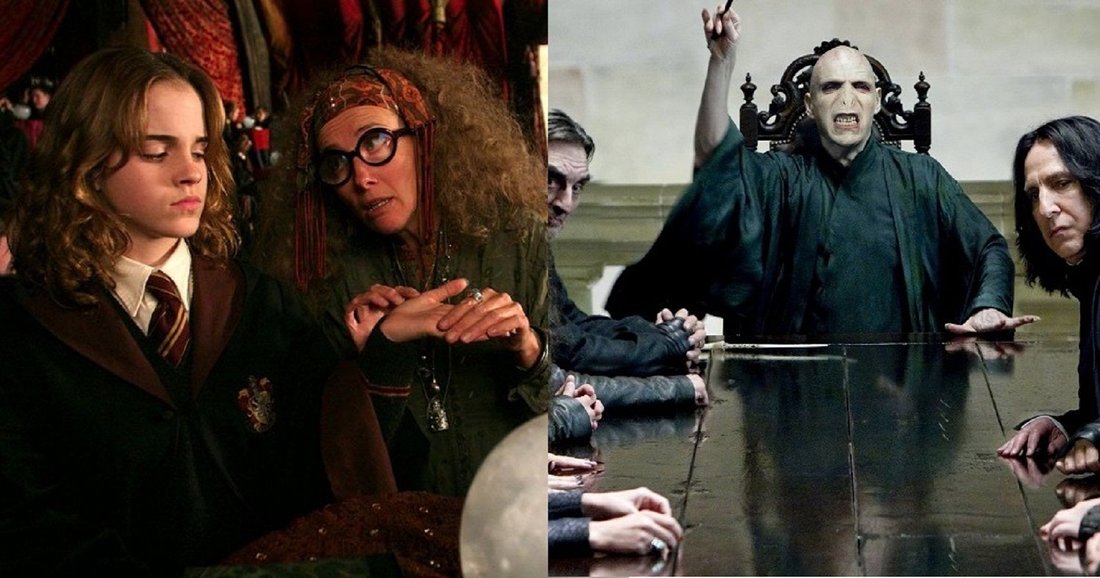
One of the most glaring Harry Potter plot holes revolves around the Time-Turner, introduced in Harry Potter and the Prisoner of Azkaban. Hermione uses it to attend multiple classes, turning back hours without paradox issues. Yet, after saving Sirius and Buckbeak, it’s destroyed, and no one mentions creating more. Why not use Time-Turners to prevent Voldemort’s rise, save lives during the Battle of Hogwarts, or even retrieve Horcruxes retroactively? Rowling explained post-series that overuse could destabilize time, but within the books, the Ministry hoards them without deploying against major threats. This selective availability feels contrived, turning a powerful tool into a one-book gimmick. Fans argue if Time-Turners existed, Dumbledore could’ve looped back to stop Tom Riddle early. This plot hole undermines the series’ time magic logic, leaving readers wondering why such a game-changer vanishes.
How Did Dumbledore Return Harry’s Invisibility Cloak?
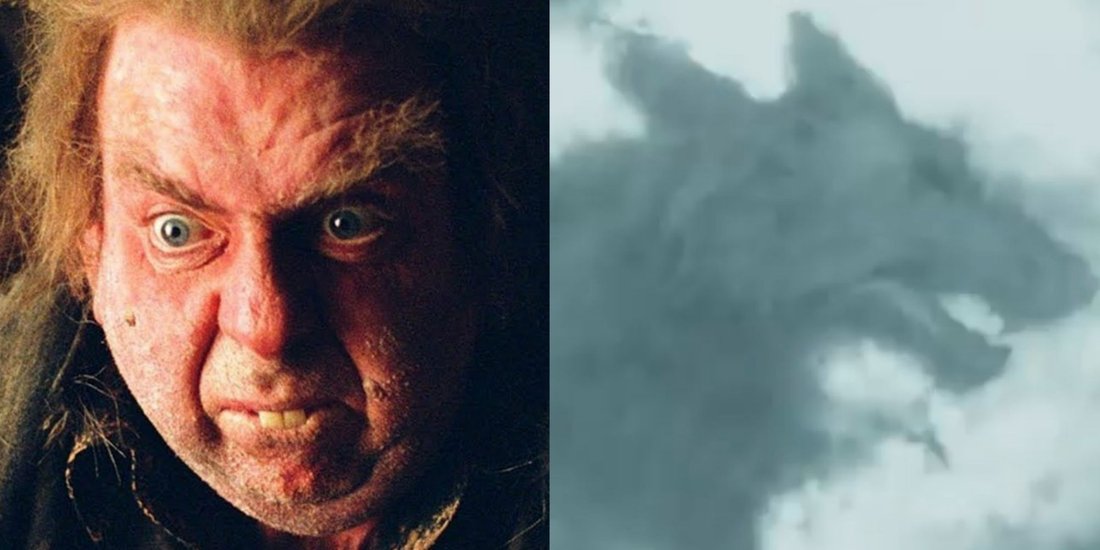
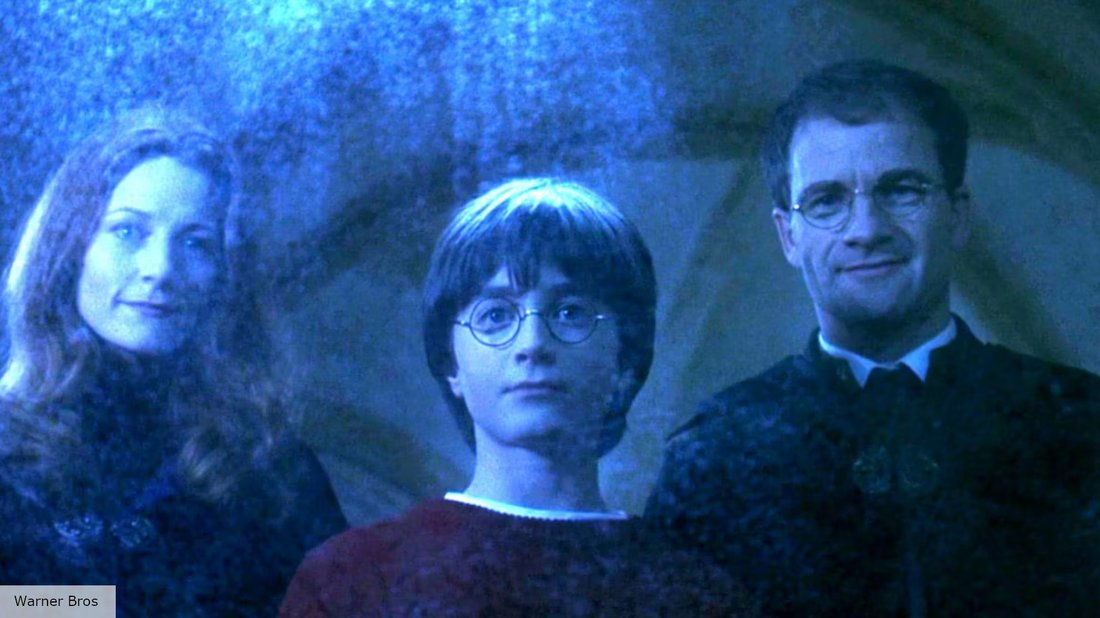
In Harry Potter and the Philosopher’s Stone, Dumbledore admits to slipping the Invisibility Cloak into Harry’s belongings, despite claiming he lent it to James years earlier. How did he get it back? James Potter died possessing it, and there’s no mention of Dumbledore retrieving it from the Potters’ home or Godric’s Hollow ruins. This Harry Potter plot hole suggests Dumbledore either invaded Privet Drive pre-series or James returned it secretly—neither fits the narrative. The Cloak, one of the Deathly Hallows, is central to the story, making this oversight frustrating. Some theorize Dumbledore used Legilimency or house-elf retrieval, but that’s fan speculation, not canon. It paints Dumbledore as sneakier than portrayed, eroding trust in his character and raising questions about early-series continuity.
Why Not Use House-Elves to Destroy Horcruxes?
House-elves like Dobby and Kreacher possess godlike magic, apparating inside protected areas like Hogwarts and the Ministry. In Harry Potter and the Deathly Hallows, they could’ve easily destroyed Horcruxes—imagine Kreacher fetching the locket or Dobby stabbing Nagini. Yet, Harry never considers this. Elves handle dangerous tasks effortlessly, bypassing wards that block wizards. Rowling later said elves’ magic is distinct, but the books show no such limitation. This plot hole highlights Harry’s oversight; elves could’ve ended the Horcrux hunt swiftly, saving lives. It also questions the Order’s strategy—why risk Fiendfyre when a sock-wearing elf suffices? Fans see it as narrative convenience to keep Harry central, but it strains credibility in a world valuing elf labor.
Veritaserum: The Truth Serum Everyone Forgets
Veritaserum, a colorless, odorless truth potion, forces honesty even from Occlumens like Snape. Used sparingly—on Barty Crouch Jr. but not key suspects like Pettigrew or Death Eaters—it’s oddly underutilized. Why not dose Bellatrix during questioning or Lucius Malfoy pre-trial? The Ministry regulates it, but Dumbledore accesses it freely. In a war against deception, ignoring this tool defies logic. This Harry Potter plot hole exemplifies plot armor; truth serum could’ve unraveled Voldemort’s plans early. Rowling cited antidotes, but none appear in canon. It makes wizard justice seem archaic, reliant on wands over potions, frustrating fans who crave tighter plotting.
Sirius Black’s Azkaban Imprisonment Without Trial
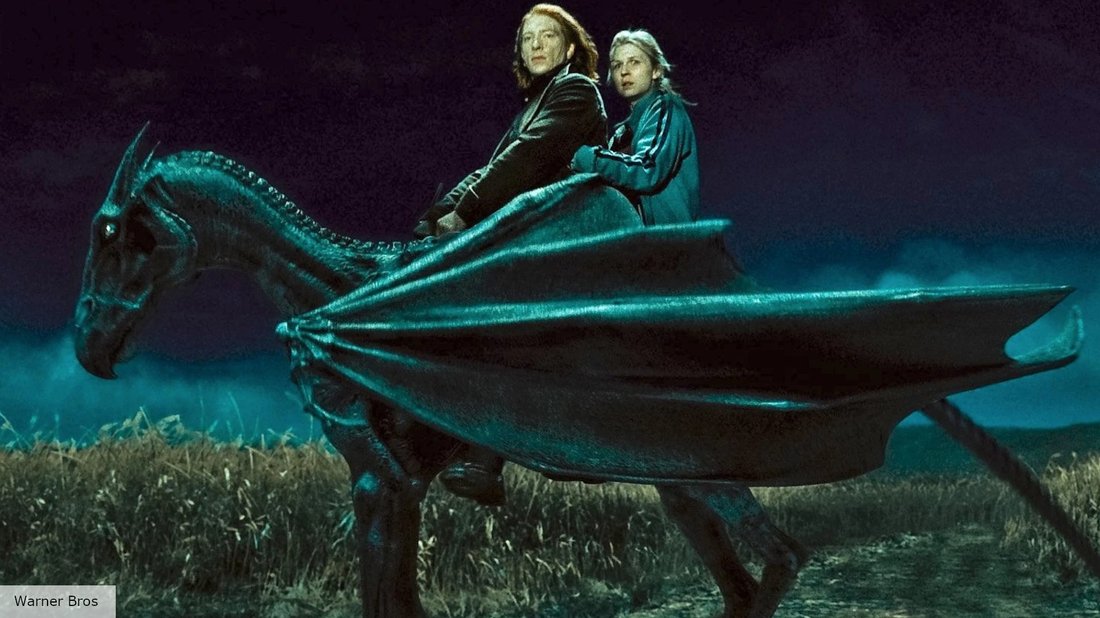
Sirius Black rots in Azkaban for 12 years without trial, accused of mass murder based on Fudge’s word. The Ministry’s corruption is clear, but how does a pure-blood heir evade due process? Other Death Eaters get trials, yet Sirius doesn’t. Harry Potter and the Order of the Phoenix exposes this via Harry’s hearing, but Sirius’s case predates it. No wizard protests his innocence? This plot hole underscores systemic flaws but conveniently delays his freedom. If Pettigrew lived publicly, investigations might’ve cleared Sirius sooner. It fuels debates on wizarding government’s incompetence, making Voldemort’s infiltration believable yet highlighting narrative shortcuts.
The Prophecy: Why Only Voldemort Could Speak It?
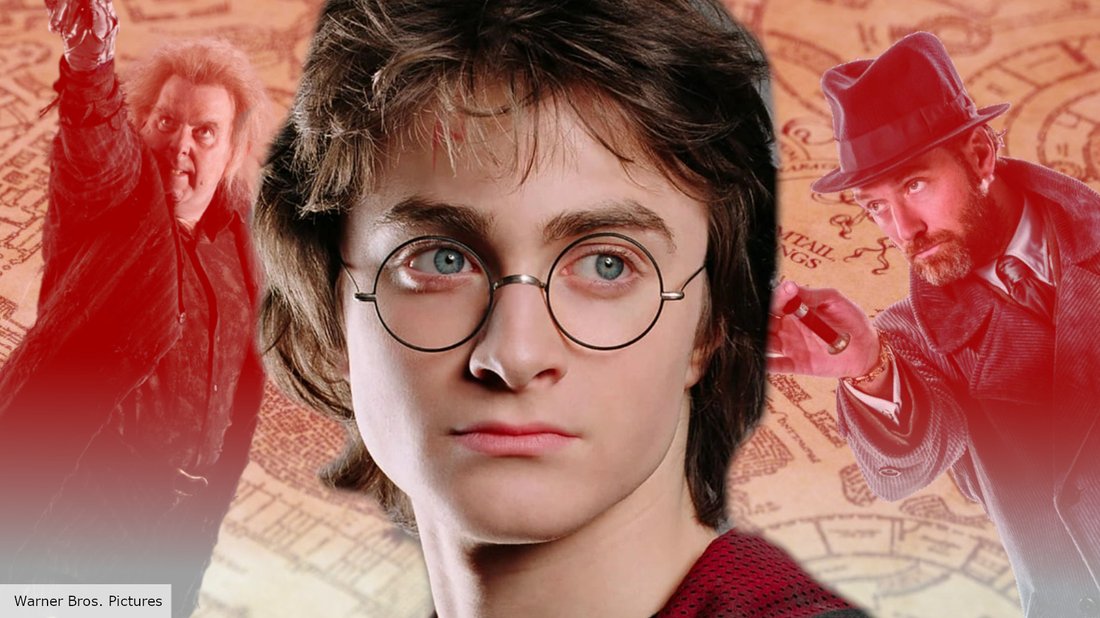
Sybil Trelawney’s prophecy names Harry or Neville as Voldemort’s foe, but only Voldemort hears enough to mark Harry. Why couldn’t Snape relay the full text, or why does it shatter upon Voldemort’s entry? Prophecies activate only when relevant parties hear them, per canon, but this selective rule feels arbitrary. If Neville qualified, why not pursue him? This Harry Potter plot hole ties into chosen-one tropes, limiting stakes. Fans argue it preserves destiny, but it weakens the prophecy’s mystique, turning cosmic fate into a convenience for Harry’s arc.
Apparition Rules at Hogwarts: Conveniently Inconsistent
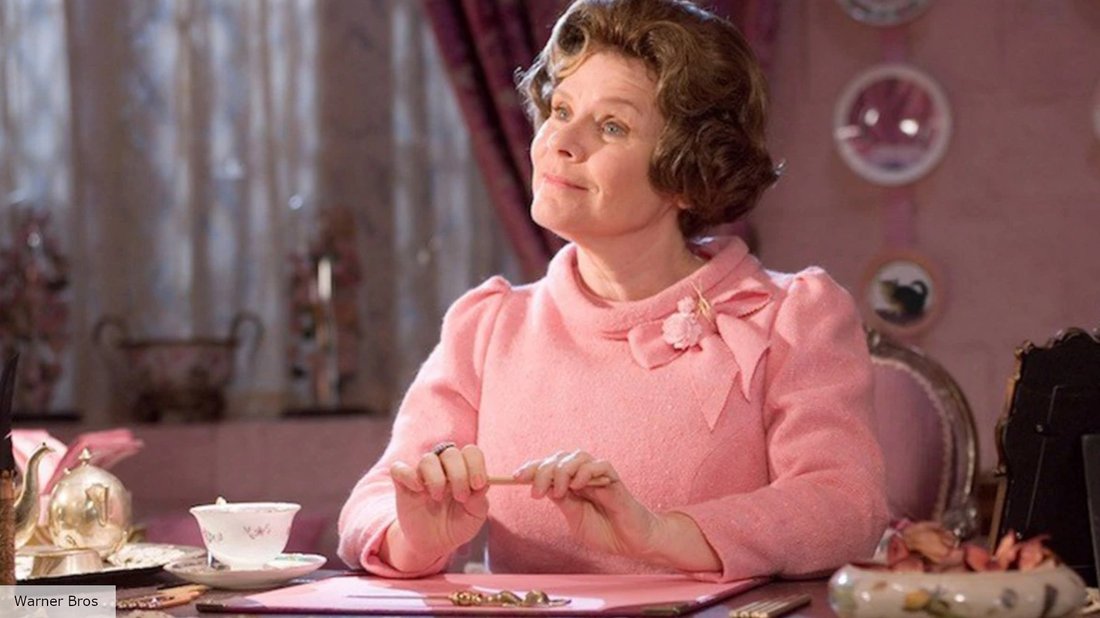
Hogwarts’ anti-Apparition wards prevent teleportation, yet characters apparate inside during crises—like Death Eaters in book six or Fenrir Greyback. Harry apparates on stairs in Half-Blood Prince, breaching rules. Why the inconsistency? Dumbledore controls wards, implying selective permission, but it’s never clarified. This plot hole allows dramatic entrances but erodes Hogwarts’ sanctity as the safest place. In a siege, why not lift wards for reinforcements? It exposes shaky magical geography, prioritizing action over logic.
The Elder Wand’s Allegiance: Too Many Loose Ends

The Elder Wand’s loyalty shifts via defeat, but its history is murky. Dumbledore defeats Grindelwald, yet how did Grindelwald get it? Rumors say he never owned it fully. Harry’s accidental victory over Draco (via Snape) grants allegiance indirectly—convoluted even for wizards. Why doesn’t Voldemort test it sooner? This plot hole in Deathly Hallows rushes the climax, with allegiance rules bending for Harry’s win. Fans dissect wandlore endlessly, but canon ambiguities persist, diminishing the Hallows’ allure.
Platform 9¾ Security Failures
King’s Cross Platform 9¾ hides the Hogwarts Express, but Muggles never notice? Generations pass without exposure, yet Dementors breach it in Order of the Phoenix. Why no memory charms post-incident? This Harry Potter plot hole ignores Statute of Secrecy enforcement. In a post-9/11 world analog, security lapses abound, making the magical divide feel porous and immersion-breaking.
Why Didn’t They Use the Mirror of Erised More?
Dumbledore gives Harry the Mirror of Erised, showing deepest desires, to thwart Quirrell. Yet, it’s discarded. Why not use it to lure Voldemort, revealing his Horcruxes via reflection? Or psychologically torment Death Eaters? Its one-off use screams missed opportunity, another tool shelved for plot progression.
Conclusion: Do These Plot Holes Ruin Harry Potter?
These Harry Potter plot holes that still make no sense—from Time-Turners to Elder Wand quirks—highlight imperfections in an otherwise masterful saga. While Rowling’s world-building enchants, these gaps invite scrutiny, sparking fan theories and forums. They don’t ruin the magic but remind us stories prioritize emotion over airtight logic. Rereading reveals more, keeping the series alive. What plot hole baffles you most? Share below!
(Word count: 1217)