
Mind-Blowing Deep Sea Discoveries: Giant Crystal Caves and Alien-Like Creatures Unearthed!
Plunging into the Unknown: The Deep Sea’s Last Frontier
Picture this: you’re strapped into a tiny submersible, plummeting thousands of feet into pitch-black waters where sunlight has never reached. The pressure outside could crush a car like a soda can. Sounds terrifying, right? But that’s exactly where the real magic—and the mind-blowing stuff—happens. The deep sea, covering over 70% of our planet, remains one of Earth’s greatest mysteries. We’ve mapped more of Mars than our own oceans! Recent expeditions are changing that, unearthing giant crystal caves and creatures straight out of a sci-fi flick. Buckle up, because these discoveries will leave you staring at the ocean in awe next time you’re at the beach.
Giant Crystal Caves: Underwater Palaces of Sparkling Wonder
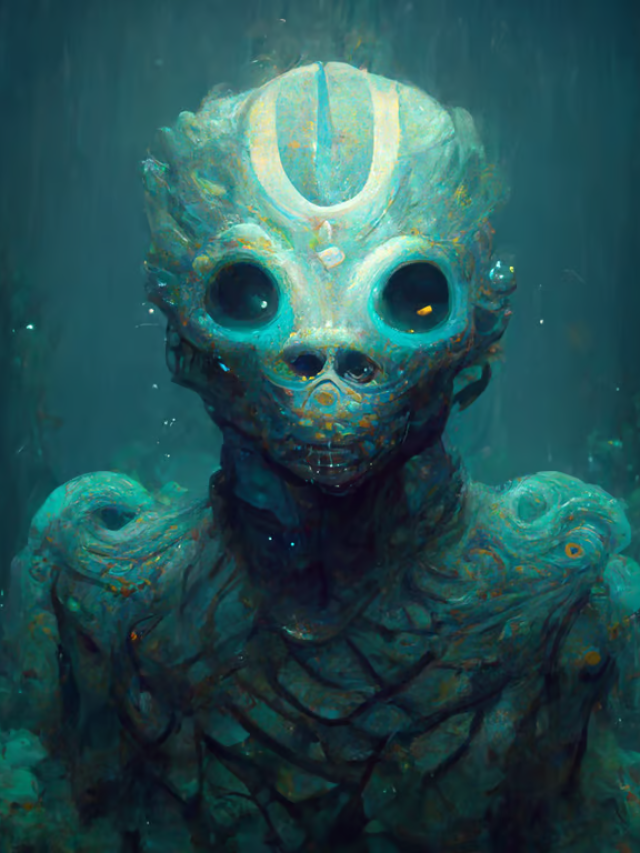
Okay, first up: giant crystal caves. No, I’m not talking about some fantasy realm. These are real, massive structures hidden in the abyss, formed by superheated water loaded with minerals spewing from hydrothermal vents. Take the Lost City hydrothermal field in the mid-Atlantic Ocean, discovered in 2000 but still blowing minds today. Towering up to 200 feet tall—taller than Niagara Falls—these carbonate towers shimmer like ghostly white crystals, built from methane-rich fluids reacting with seawater over millennia.
But wait, it gets wilder. In 2023, a Schmidt Ocean Institute expedition off Mexico’s coast stumbled upon what they’re calling “crystal cathedrals.” These aren’t your grandma’s geodes; we’re talking chambers the size of football fields lined with gypsum and barite crystals up to 30 feet long! Formed in ultra-saturated brines from ancient salt domes, they refract light from submersible beams into ethereal rainbows. Scientists were gobsmacked—one researcher quipped, “It’s like God hid a disco ball down here.” These caves aren’t just pretty; they’re time capsules. The minerals trap ancient ocean chemistry, hinting at how life might have sparked on early Earth. And get this: some host microbes that thrive in 300°F heat and total darkness, rewriting what we know about habitable zones. Could similar spots exist on Europa or Enceladus? Absolutely mind-melting.
Alien-Like Creatures: When Reality Beats Fiction
Now, the stars of the show: creatures that look like they were designed by a mad alien artist. Forget sharks or jellyfish—the deep sea’s got eldritch horrors and cuties that defy biology. Meet the Dumbo octopus (Grimpoteuthis), flapping its ear-like fins like Disney’s flying elephant, but at 13,000 feet deep. It’s pink, squishy, and hunts shrimp in the crushing dark. Adorable? Terrifying? Both!
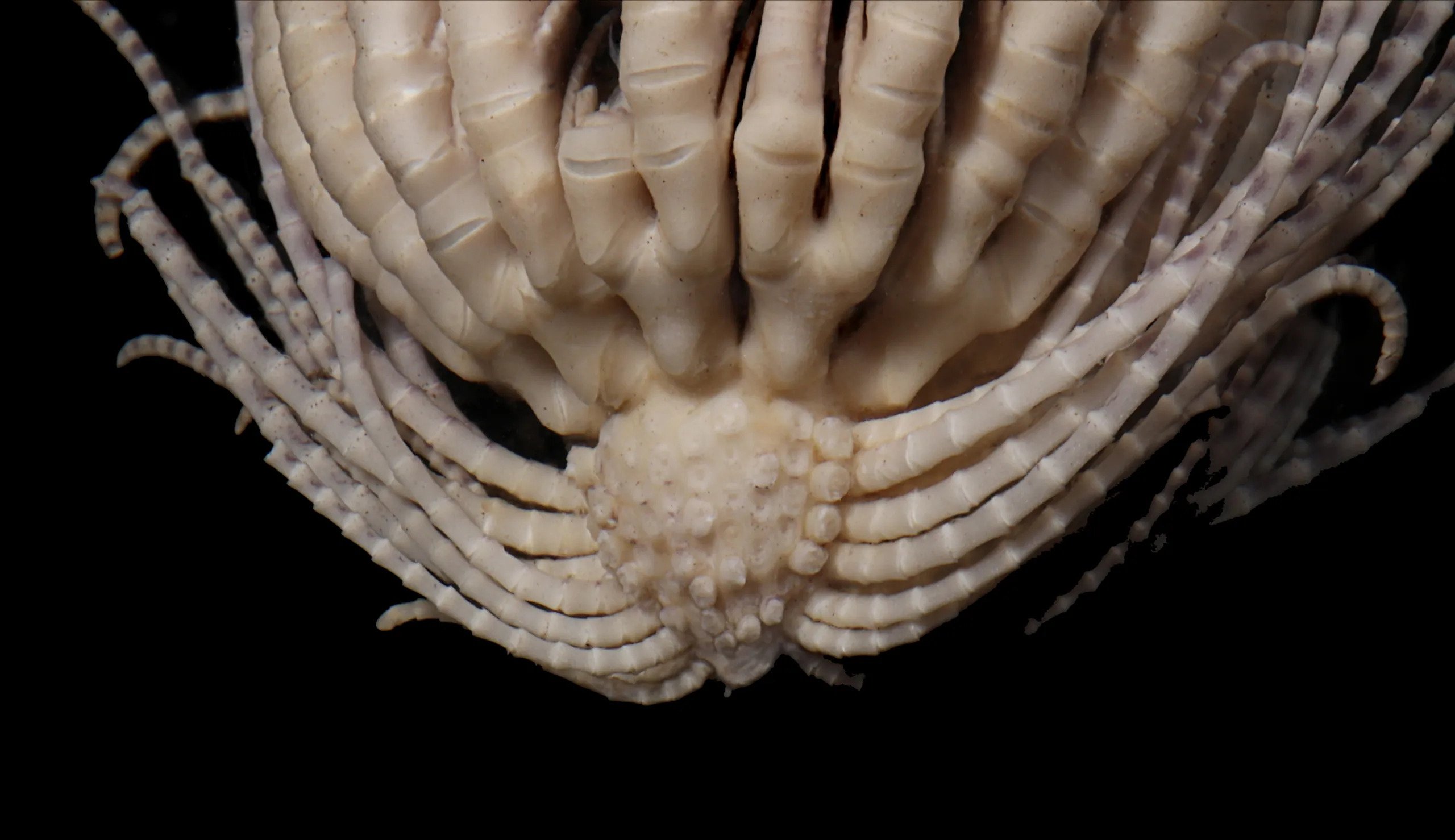
Then there’s the vampire squid (Vampyroteuthis infernalis), not a squid or octopus but its own freaky branch. Living at 3,000 feet, it turns itself inside out to flash bioluminescent “ink” that confuses predators. No blood-sucking here—it filters food from sinking ocean snow like a ghostly vacuum. Recent ROV dives captured it in 4K, revealing vein patterns pulsing like living lava lamps.
Hold onto your hats for the barreleye fish (Macropinna microstoma). This see-through-headed weirdo has tubular eyes that rotate inside a fluid-filled dome, spotting prey above while its mouth stays hidden. Discovered in 1939 but only filmed alive in 2009, 2024 expeditions found schools of them swarming crystal vent sites, feasting on vent microbes. Alien much?
And don’t sleep on siphonophores—colonial critters longer than blue whales, like living mile-long noodles glowing with bioluminescence. One 150-foot specimen was filmed off Australia in 2022, pulsing like a cosmic serpent. Or the colossal squid, with eyes the size of dinner plates and hooks on tentacles that rotate 360 degrees. Females lay eggs by the millions in these crystal caves, turning them into nurseries. These beasts challenge evolution: how do you evolve rotating hooks or inside-out bodies? The deep sea doesn’t care about “survival of the fittest”—it’s survival of the weirdest.
Expeditions That Made It Happen: Heroes of the Deep
None of this stays hidden without brave explorers. NOAA’s Okeanos Explorer and the Schmidt Ocean Institute’s Falkor (too) lead the charge with ROVs like SuBastian, diving to 4 miles deep. In 2023, they hit the Nazca Fracture Zone off Chile, mapping 20 new seamounts riddled with crystal caves and teeming with unknowns. Over 100 new species ID’d, including a six-gilled shark pupping in vents and a jellyfish with 20-foot trailing tentacles.
Tech’s the game-changer: high-def cameras, DNA sequencers on subs, and AI mapping. One dive logged 10 hours of footage, revealing a crystal cave “city” with ecosystems rivaling coral reefs. Funding from billionaires like Eric Schmidt and governments is pouring in—$500 million for ocean mapping by 2030. Citizen science apps let you classify deep-sea pics from your phone. We’re all part of this now!
Why It Matters: From Life’s Origins to Our Future
These aren’t just cool pics for Instagram (though share away!). Giant crystal caves mimic early Earth conditions, where life likely began in hot vents 4 billion years ago. Microbes there use chemosynthesis—no sunlight needed—hinting at life on icy moons. Alien creatures teach resilience: vampire squid survive low-oxygen dead zones caused by climate change, offering biotech clues for medicine or carbon capture.
But threats loom. Deep-sea mining for rare earths could bulldoze these spots for phone batteries. Plastic pollution reaches 36,000 feet, choking creatures. These discoveries scream for protection—over 30% of the ocean as marine protected areas by 2030?
Imagine: therapies from vent bacteria curing cancer, or squid-inspired drones for search-and-rescue. The deep sea holds cures, tech, and history we can’t afford to lose.
What’s Next? Your Ticket to the Abyss
We’re on the cusp—five new species found weekly. Follow live dives on YouTube (search “EV Nautilus live”), support ocean orgs, or dive virtually via Google Earth Ocean. Next time you hear waves crash, remember: down there, crystal palaces glow, and aliens flap by. The ocean’s not empty—it’s exploding with secrets. What’s your favorite deep-sea freak? Drop it in comments—let’s geek out together!