
Esports’ $10 Billion Boom: The Gamers Crushing Traditional Sports Forever
Hey, Forget the Super Bowl—Gamers Are the New Kings
Picture this: millions glued to screens, cheering wildly as pixels clash in epic battles. No sweaty athletes or million-dollar contracts—just keyboards clacking, mice clicking, and pure adrenaline. Welcome to esports, folks, where the industry’s exploding toward a staggering $10 billion valuation by the end of the decade. Yeah, you read that right. Traditional sports? They’re getting lapped faster than a noob in a Fortnite lobby. I’ve been following this scene for years, and let me tell you, gamers aren’t just playing games anymore—they’re rewriting the rules of entertainment.
Esports revenue skyrocketed past $1.8 billion in 2023 alone, with projections hitting that juicy $10 billion mark by 2030. That’s sponsorships, ticket sales, merch, streaming deals—you name it. Compare that to the NBA’s $10 billion annual haul, but spread across fewer games and a global audience that’s younger, hungrier, and always online. Kids today aren’t dreaming of NFL glory; they’re grinding League of Legends ranks, eyeing six-figure prize pools.
From Basement LAN Parties to Sold-Out Arenas
Remember when esports was that nerdy thing your cousin did in his mom’s basement? Fast-forward to now: The League of Legends World Championship finals drew 6.4 million peak viewers in 2022—more than the World Series. Riot Games packed the massive Accor Arena in Paris with 17,000 screaming fans, and that’s just one event. Over in Valorant, VCT Champions hit 1.5 million watchers, while Dota 2’s The International dished out $40 million in prizes last year. Holy cow, that’s more than most traditional sports stars make in a season!
I chatted with a die-hard fan at a local tourney recently, and he said, “Dude, the energy is insane. You feel every kill like it’s your own.” That’s the magic—it’s intimate, interactive. Fans chat live with pros, predict outcomes on apps, and even bet on matches. Traditional sports can’t touch that level of engagement.
The Money Tsunami: Big Brands Dive In
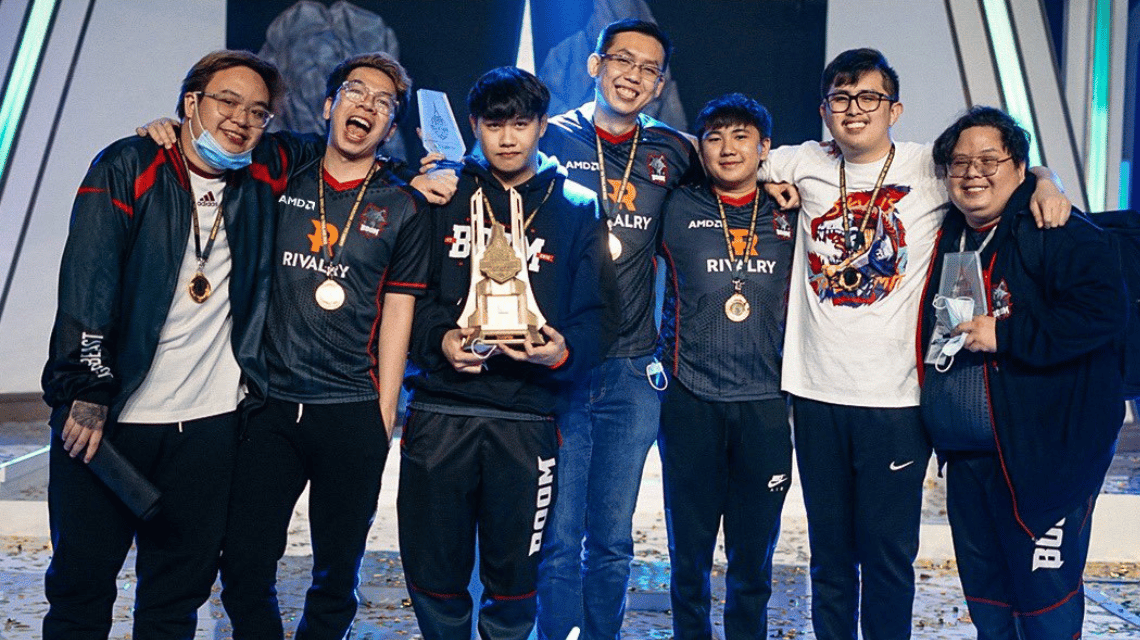
Why’s it booming? Cash, baby. Coca-Cola, BMW, Red Bull—they’re all in, sponsoring teams like T1, FaZe Clan, and G2 Esports. These orgs aren’t scrappy startups; they’re empires. Team Liquid’s got a $40 million HQ in Utrecht, complete with training facilities rivaling Olympic villages. And the players? Faker from T1 has earned over $1.8 million in prizes, plus endorsements that make him richer than many pro athletes.
Investments are pouring in too. Saudi Arabia’s throwing billions at gaming via Savvy Games Group, snapping up stakes in ESL and Faceit. Even the NFL’s dipping toes with Madden esports leagues. It’s not hype; it’s smart business. Esports demographics skew young—average age 24, 40% female viewers—perfect for brands targeting Gen Z and Alpha.
Crushing the Old Guard: Viewership Wars
Let’s get real: traditional sports are aging out. Super Bowl viewership? 115 million Americans, sure, but globally? Meh. Esports? League Worlds peaked at over 4 million concurrent viewers worldwide. Free Fire’s world championship in Brazil hit 5.5 million. And it’s year-round—no off-season blues.
Accessibility is key. You don’t need a $200 ticket or a flight to NYC; stream it free on Twitch or YouTube from your couch. Mobile esports like PUBG Mobile and Mobile Legends are massive in Asia and Latin America, where billions play on phones. In India, BGMI tourneys draw stadiums fuller than IPL cricket sometimes. Traditional sports feel gatekept; esports is open to all.
Oh, and the drama? Better than any soap opera. Betrayals in team dynamics, clutch 1v5 plays, trash-talk rivalries—it’s raw emotion. Remember s1mple’s tears after winning HLTV’s top CS:GO player award? Pure chills.
The Stars Stealing the Spotlight
Gamers are celebrities now. Ninja streams to 18 million Twitch followers, pulling NBA-level paychecks. Pokimane’s brand deals eclipse some WNBA stars. And the pros? TenZ switched from Valorant to CS2 and back, raking in millions. These aren’t faceless avatars; they’re influencers with merch lines, energy drinks, even Hollywood cameos.
Take the Overwatch League—now evolved into OWL—but it pioneered city-based teams like the Shanghai Dragons. Fans paint up, wave flags, live the team pride. Sound familiar? Yeah, like soccer clubs, but faster growth. Esports teams are franchised globally: NRG in NA, Gen.G in Korea, Vivo Keyd in Brazil.
Why Traditional Sports Can’t Catch Up
Old sports are dinosaurs in a digital jungle. High costs, physical limits, scandals—esports sidesteps most. No PEDs, just skill ceilings pushing innovation. VR/AR integration? Coming soon. Imagine Olympics with esports gold—it’s already trialed.
Revenue streams diversify: in-game skins fund prizes (CS:GO’s majors), NFTs and Web3 experiments (though controversial), metaverse stadiums. Traditional sports cling to TV deals fading fast as cord-cutting rises.
Sure, purists whine about “not real sport,” but what’s sport? Competition, strategy, excellence. Chess is Olympic; why not StarCraft? Viewership proves it: esports overtook some NHL finals years ago.
The Future: Gamers Ruling the World
By 2025, esports could hit $3 billion yearly, racing to $10B. New titles like Concord or Black Myth: Wukong will spawn scenes. Colleges offer scholarships—over 200 US unis have esports programs. Pro leagues in high schools? It’s happening.
Globalization seals it: 500 million esports enthusiasts worldwide, mostly non-Western. Africa’s rising with Free Fire; MENA with PUBG. Traditional sports? Still Euro-American centric.
I’m betting my virtual ranch: in 10 years, esports headlines eclipse NBA Finals. Stadiums will host hybrid events—watch LeBron vs. a Fortnite pro. Gamers aren’t crushing traditional sports; they’re evolving them.
So, grab your controller, tune into Worlds or MSI. The boom’s just starting, and you’re either in the arena or watching from the stands. Who’s your main team? Drop it in the comments—let’s geek out!