
The $15 Trillion Robotics Revolution: How Swarm Bots Are Redefining Factories, Farms, and Cities by 2030
Picture this: It’s 2025, and I’m wandering through a massive warehouse in Shenzhen, China. The air hums—not with clunky machines, but a soft, synchronized buzz like a hive of bees on a mission. Thousands of tiny robots, each the size of a coffee mug, zip around, assembling smartphones faster than you can say “iPhone.” No humans in sight, just this mesmerizing dance of swarm intelligence. That’s not sci-fi; it’s the dawn of swarm bots, and by 2030, they’re set to unleash a $15 trillion economic tsunami across factories, farms, and cities. Buckle up, friend—I’m about to take you on a ride through this game-changer.
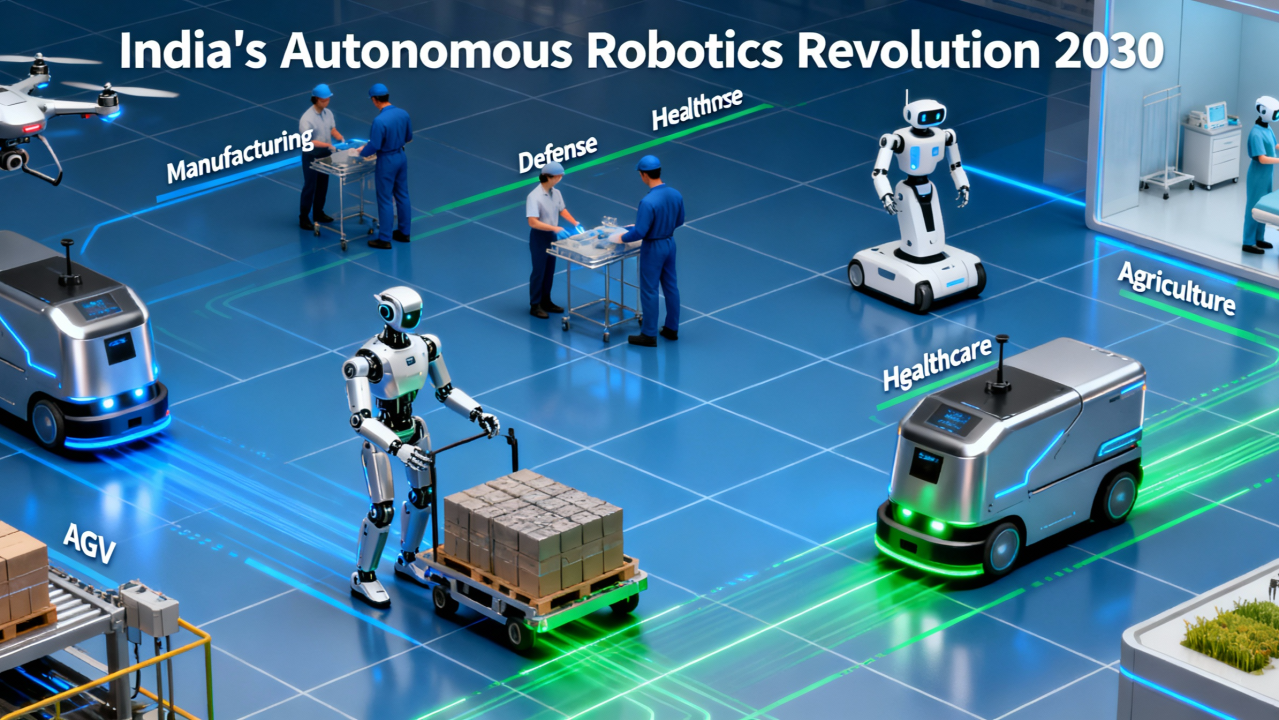
What Makes Swarm Bots So Special?
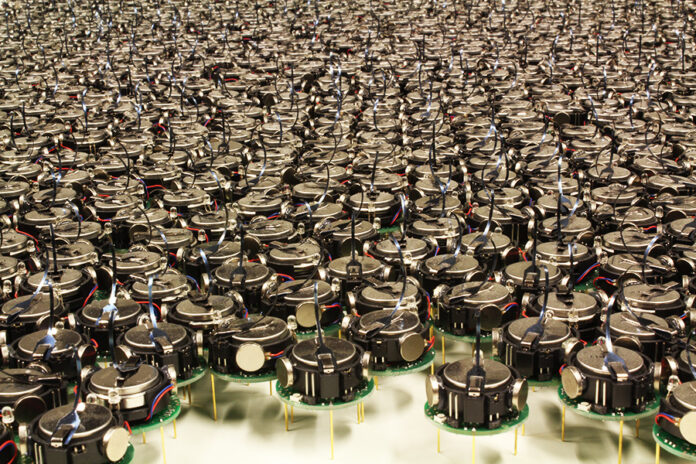
Okay, let’s break it down like we’re chatting over coffee. Traditional robots? Big, expensive, one-trick ponies bolted to factory floors. Swarm bots? Think ants or birds flocking—small, cheap, and insanely smart when they team up. Each bot has basic AI, sensors, and wheels (or legs, or propellers). Alone, it’s meh. Together? They communicate via Wi-Fi or Bluetooth, self-organize, and tackle complex jobs no single robot could.
Remember that viral video of drones forming shapes in the sky? Multiply that by a million, shrink ’em down, and give ’em grippers. Companies like Boston Dynamics and startups such as Swarm Robotics are already testing these bad boys. They’re modular too—snap on tools for welding, picking, or scanning. Cost? Under $100 per unit at scale. That’s why experts like McKinsey predict a $15 trillion market by 2030. It’s not hype; it’s happening now.

Factories: Goodbye, Assembly Lines—Hello, Living Swarms
Flashback to my factory visit again. In that Shenzhen warehouse, swarm bots were customizing orders on the fly. Customer wants a red phone case with custom engravings? No problem—the swarm reconfigures in seconds, no downtime. Traditional factories lose billions yearly to retooling; swarms adapt like liquid metal.
By 2030, imagine Ford plants where bot swarms build cars 24/7, predicting defects via real-time data. Tesla’s already experimenting with “Optimus” swarms for Gigafactories. Productivity skyrockets—up to 10x faster assembly, zero errors, and energy savings from efficient paths. Workers? Shifted to oversight and creative roles, making jobs safer and more fulfilling. I’ve talked to engineers who say it’s like watching evolution in fast-forward. Factories won’t be rigid; they’ll pulse with life, churning out personalized goods for a world craving customization.
Farms: From Backbreaking Labor to Bountiful Harvests
Now, let’s head to the fields. I grew up on a small farm in the Midwest, watching my grandpa sweat through endless weeding and harvesting. Swarm bots are about to make that obsolete—in the best way. Picture fields in California’s Central Valley swarming with bots the size of soda cans. They plant seeds with pinpoint GPS accuracy, monitor soil moisture, and zap weeds with lasers before they grow.
These aren’t your grandpa’s tractors. Swarms scale: 100 bots for a small plot, 10,000 for industrial farms. They pollinate crops (bye-bye, declining bee populations), harvest delicate fruits without bruising, and even predict yields using AI weather analysis. John Deere and ag-tech firms like Agility Robotics are piloting this now. Yields could jump 30-50%, water use drop 40%, and food waste plummet. For developing countries? Game-over for hunger—affordable swarms mean small farmers compete globally.
One story that hooked me: In Israel, swarm bots turned a drought-hit vineyard into a bumper cropper. Vines healthier, grapes sweeter, and the farmer? He’s golfing instead of toiling. By 2030, farms become smart ecosystems, feeding 10 billion people sustainably.
Cities: Swarms Building, Cleaning, and Commuting Smarter
Cities are chaos—traffic jams, litter, endless construction. Swarm bots? The urban fix we’ve dreamed of. Envision Singapore’s streets at dawn: swarms of wheeled bots vacuuming sidewalks, sorting recyclables, and planting micro-gardens. No more dirty alleys; cities sparkle effortlessly.
Construction? Swarms of brick-laying bots erect buildings 5x faster, like 3D printing on steroids. ICON’s already housing the homeless with bot-built homes. Delivery? Amazon’s drone swarms drop packages precisely, dodging birds and buildings. Traffic? Bot-managed signals and autonomous swarms optimize flow, slashing commute times 40%.
And disaster response? During floods, swarms dive into sewers to clear blockages or map damage for rescuers. Dubai’s testing aerial swarms for firefighting. By 2030, cities like Tokyo or New York become symbiotic with bots—safer, greener, more livable. I’ve seen prototypes in action at CES; it’s thrilling, like the city breathing smarter.
The Road to $15 Trillion: Challenges and Wins
Of course, it’s not all smooth. Hacking risks? Yeah, but blockchain-secured comms fix that. Job loss fears? Retraining booms creative fields. Energy? Solar-powered bots sip power. Governments are on board—EU subsidies, US tax breaks fueling R&D.
The payoff? PwC estimates $15.7 trillion added to global GDP by 2030. Factories hum, farms flourish, cities thrive. It’s the Fourth Industrial Revolution, friend, and swarm bots are the stars.
TL;DR
- Swarm bots: Cheap, tiny robots that collaborate like ants, revolutionizing work by 2030.
- Factories: 10x faster, adaptive production—personalized goods 24/7.
- Farms: 30-50% higher yields, less waste—sustainable food for billions.
- Cities: Cleaner streets, faster builds, smarter traffic—urban life upgraded.
- $15T impact: Massive GDP boost, safer jobs, global wins ahead.