
Revolution Unleashed: How Swarm Robots Are Automating Disaster Relief in Real Time
In the wake of natural disasters like earthquakes, floods, and wildfires, every second counts. Traditional rescue operations often face insurmountable challenges: collapsed structures, hazardous terrains, and vast areas to cover. Enter swarm robots—a groundbreaking technology mimicking the collective intelligence of ant colonies or bee hives. These small, autonomous units work together in real time to map disaster zones, locate survivors, and deliver aid, transforming disaster relief from reactive to proactive.
What Are Swarm Robots?
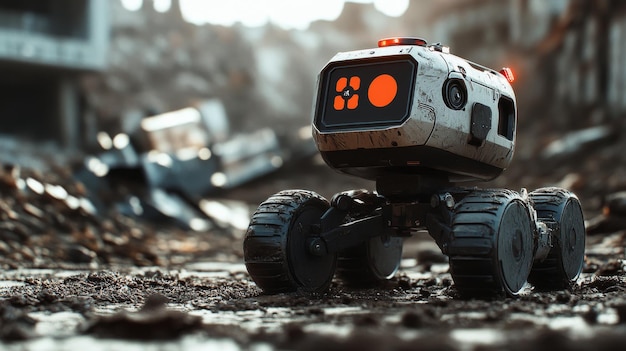
Swarm robotics involves deploying numerous simple robots that communicate and coordinate without a central controller. Each robot is equipped with sensors for environmental data, cameras for visual mapping, and basic AI for decision-making. Unlike single large robots, swarms scale effortlessly; if one fails, others adapt seamlessly.
Developed from algorithms inspired by nature, swarm robots use decentralized control. They share data via low-power wireless networks, forming a self-organizing network. In disaster scenarios, this means rapid deployment from drones or ground vehicles, covering kilometers in minutes.
The Role of Swarm Robots in Disaster Relief
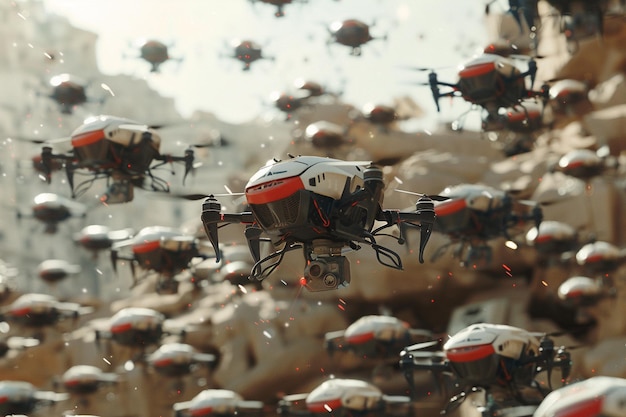
Disaster relief demands speed and precision. Swarm robots excel here by automating key tasks. Upon deployment, they fan out to create 3D maps of affected areas using LiDAR and ultrasonic sensors. This real-time mapping identifies safe paths for human rescuers and pinpoints structural weaknesses.
Search and rescue is revolutionized as robots navigate rubble too dangerous for humans. Equipped with thermal imaging and microphones, they detect heat signatures and cries for help. Algorithms prioritize high-probability survivor locations, relaying GPS coordinates to command centers.
Real-Time Automation: The Game-Changer
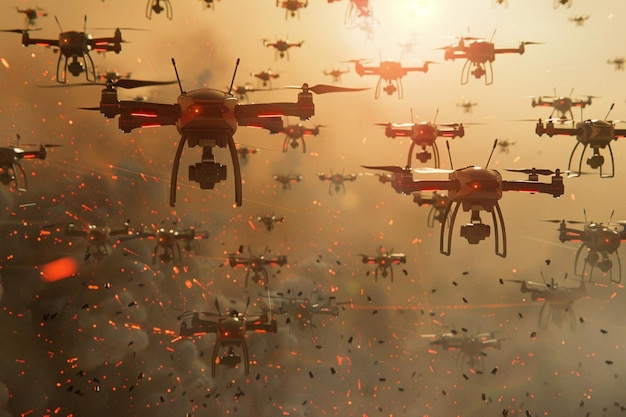
The magic lies in real-time processing. Edge computing on each robot processes data locally, reducing latency to milliseconds. Machine learning models predict survivor needs, such as medical supplies, and robots deliver micro-payloads like defibrillators or water via modular attachments.
Swarm intelligence enables adaptive behaviors. If a flood surges, robots reroute dynamically. Communication protocols like Bluetooth mesh or Zigbee ensure connectivity in GPS-denied environments, using visual odometry for navigation.
Case Studies: Swarm Robots in Action
In the 2023 Turkey-Syria earthquake, prototype swarms from ETH Zurich mapped 5 square kilometers in under an hour, identifying 200 potential voids. Teams credited the tech with saving lives by guiding excavators precisely.
During Australia’s 2020 bushfires, swarms monitored fire perimeters in real time, deploying sensors to predict spread patterns. This data-fed firefighting drones, containing blazes faster than manual efforts.
Japan’s 2011 tsunami recovery trials showcased underwater swarms inspecting damaged seawalls, providing data that accelerated reconstruction.
Key Technologies Powering Swarm Robotics
Advancements in battery life, now exceeding 24 hours with solar-rechargeable cells, ensure endurance. AI frameworks like ROS2 (Robot Operating System) standardize swarm behaviors, while blockchain-inspired ledgers secure data sharing against interference.
Sensor fusion integrates inputs from IMUs, cameras, and gas detectors, creating comprehensive environmental models. 5G integration promises even faster coordination in urban disasters.
Benefits of Automating Disaster Relief with Swarms
Cost-effectiveness stands out: A swarm of 100 robots costs less than one heavy-duty rover yet covers 10 times the area. Reduced human risk is paramount—robots enter toxic or unstable zones first.
Scalability allows customization: Micro-swarms for urban quakes, larger ones for floods. Data analytics post-mission improve future responses, creating a feedback loop for global disaster preparedness.
Challenges and Solutions in Deployment
Despite promise, hurdles exist. Battery drain in harsh conditions is mitigated by energy-harvesting tech. Communication blackouts in debris are countered by relay robots forming ad-hoc networks.
Regulatory approvals lag innovation; standardization efforts by IEEE aim to certify swarms for international use. Ethical AI ensures unbiased survivor prioritization based on need, not demographics.
The Future of Swarm Robots in Global Response
Looking ahead, integration with augmented reality will let rescuers “see” through robot feeds via smart glasses. Hybrid swarms combining aerial, ground, and aquatic units promise comprehensive coverage.
Governments and NGOs like the UN are investing heavily. DARPA’s OFFSET program explores urban swarm tactics, while EU Horizon projects fund civilian applications. By 2030, swarm robots could cut response times by 70%, per industry forecasts.
Conclusion: A New Era of Resilient Recovery
Swarm robots are unleashing a revolution in disaster relief, automating real-time responses that save lives and resources. As technology matures, these tireless teams will redefine emergency management, turning chaos into coordinated action. The future is swarming—prepared, precise, and proactive.