
Why Electric Vehicles Will Make Gas Cars Extinct by 2030: 8 Jaw-Dropping Facts
The automotive world is undergoing a seismic shift, with electric vehicles (EVs) poised to dominate roads worldwide. By 2030, experts predict gas-powered cars could become relics of the past, thanks to rapid advancements in technology, policy changes, and market forces. This article uncovers eight undeniable facts that explain why EVs are set to render internal combustion engines obsolete. From plummeting costs to unbeatable performance, these trends are accelerating faster than ever.
Fact 1: Battery Costs Have Plummeted 89% in a Decade
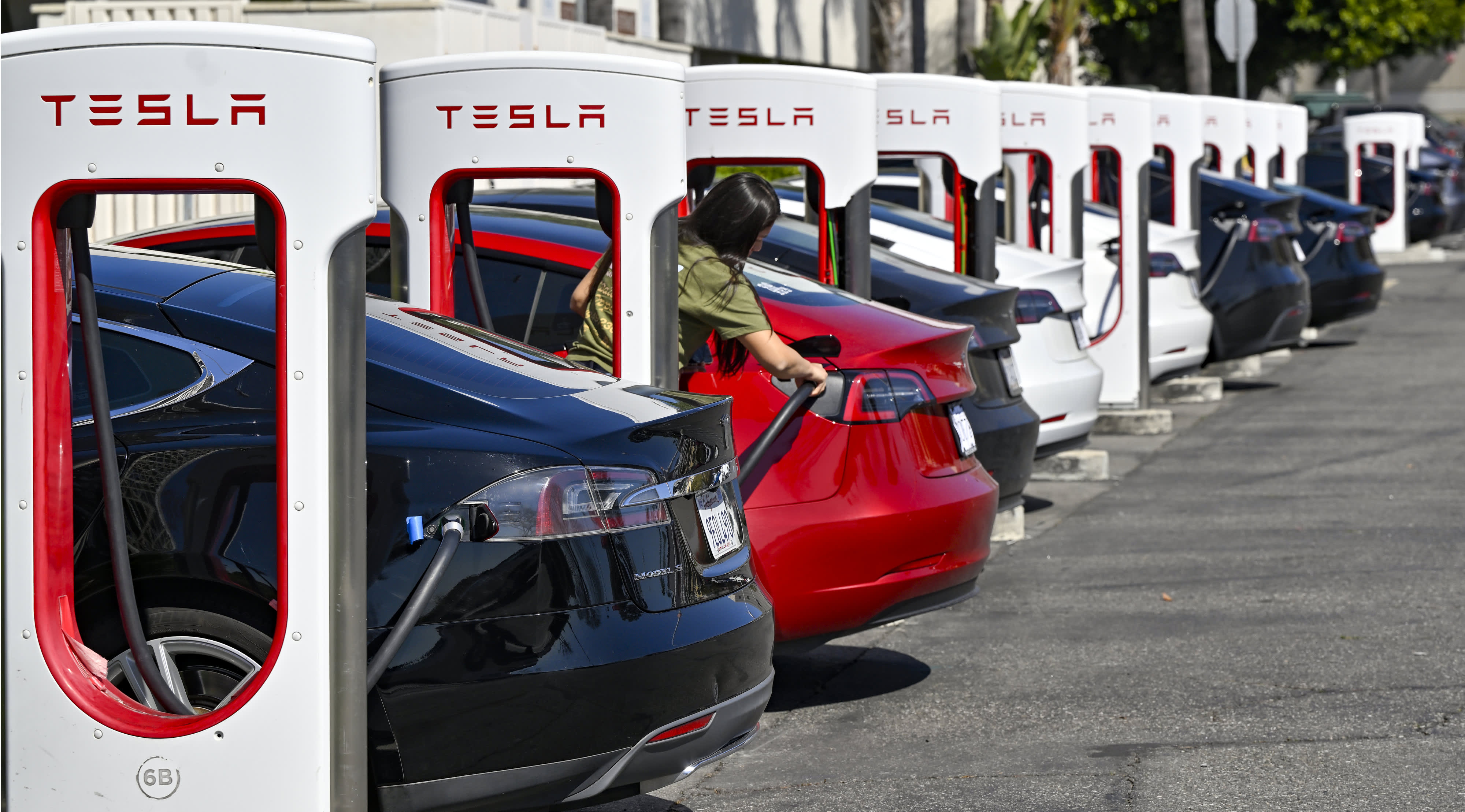
One of the biggest barriers to EV adoption has been battery prices, but that’s changing dramatically. In 2010, lithium-ion battery packs cost around $1,100 per kilowatt-hour (kWh). By 2023, that figure dropped to just $139/kWh—a staggering 89% reduction, according to BloombergNEF. Projections show costs falling below $100/kWh by 2025, making EVs cheaper to produce than gas cars. Tesla’s Gigafactories and innovations from CATL and LG Energy Solution are driving this downtrend. When total ownership costs—including fuel, maintenance, and incentives—factor in, EVs are already saving owners thousands annually. By 2030, this cost parity will eliminate any economic excuse for sticking with gas guzzlers.
Fact 2: EV Range Now Exceeds 300 Miles on a Single Charge
Forget range anxiety; modern EVs are outpacing gas cars in endurance. The average EV range hit 300 miles in 2023, with models like the Lucid Air exceeding 500 miles and Tesla Model S Plaid topping 400. Solid-state batteries, expected by 2027 from Toyota and others, promise 600+ miles. Fast-charging tech adds 200 miles in 15 minutes via 350kW stations. Gas cars, meanwhile, require frequent stops for fuel that’s volatile in price. With home charging overnight mimicking “refueling” while you sleep, EVs offer seamless convenience. By 2030, ubiquitous ultra-fast chargers will make long trips effortless, dooming gas stations to irrelevance.
Fact 3: Charging Infrastructure Exploding Globally
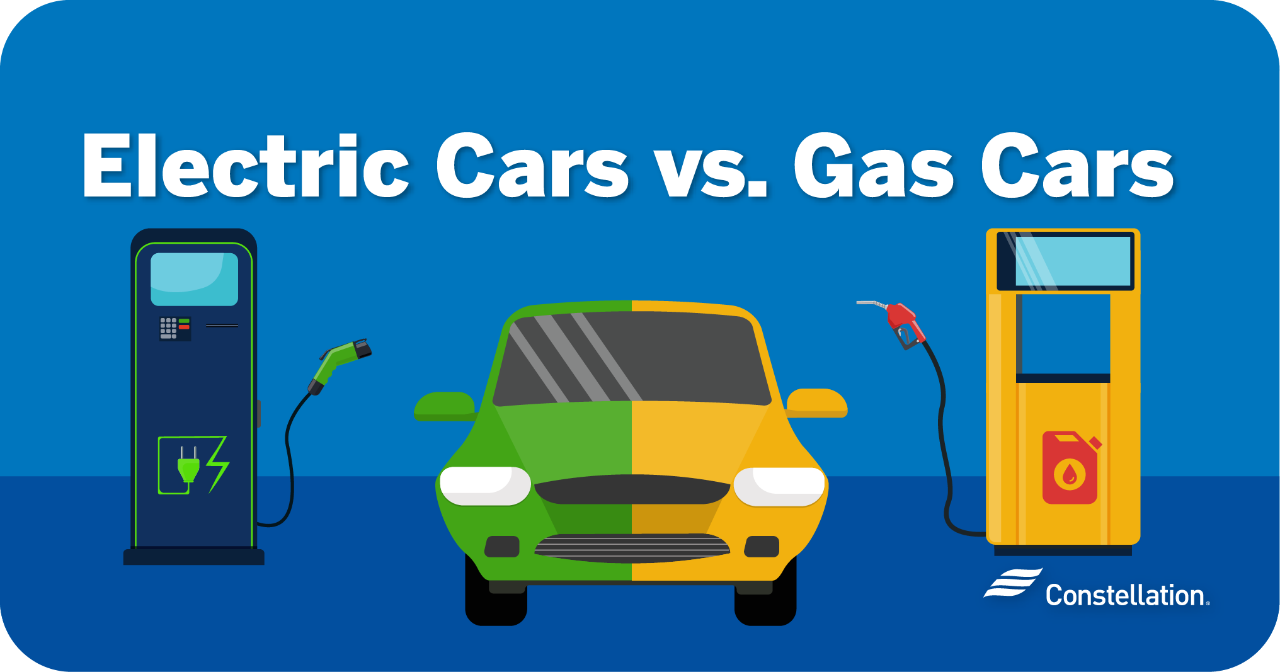
The U.S. alone plans 500,000 public chargers by 2030 under the Bipartisan Infrastructure Law, with Electrify America and EVgo leading the charge. Europe mandates chargers every 60km on highways, while China boasts over 2 million stations already. Tesla’s Supercharger network, now open to rivals, spans 50,000+ stalls worldwide. Apps like PlugShare make finding spots intuitive. Gas stations? They’re closing at a rate of 1 per day in the UK. This infrastructure boom ensures EVs are practical everywhere, from urban apartments to rural highways. By 2030, charging will be as ubiquitous as Wi-Fi, extinguishing gas car viability.
Fact 4: Governments Banning New Gas Car Sales
Policy is accelerating the transition. The EU will ban new petrol and diesel sales by 2035, California by 2035, and the UK by 2030 for cars, 2035 for vans. China targets 20% EV sales by 2025, ramping to majority. Over 20 countries, including Norway (already 90% EV market share), have firm deadlines. U.S. states like New York and Washington follow suit. These mandates force automakers to pivot, with billions in EV subsidies sweetening the deal. Gas cars won’t vanish overnight, but new sales bans ensure a shrinking fleet. By 2030, gas models will be museum pieces for collectors.
Fact 5: Automakers Committing to 100% Electric Lineups
Major players are all-in: Volkswagen plans full EV by 2030 in Europe, GM by 2035 globally, Ford investing $50B in EVs, and Toyota shifting despite hybrid fame. Rivian, Lucid, and BYD are EV natives scaling massively. Even luxury brands like Porsche and Bentley aim for electric dominance. Production lines are retooling—Ford’s Michigan plant now builds F-150 Lightning exclusively. With EV sales surging 40% in 2023 to 14 million units (IEA data), supply chains are realigning. Gas car development is stalling as R&D pours into batteries. By 2030, dealer lots will gleam with EVs only.
Fact 6: EVs Deliver Supercar Performance at Sedan Prices
EVs torque like rockets: Tesla Plaid hits 0-60mph in under 2 seconds, faster than Lamborghinis, for $90K. Hyundai Ioniq 5 N outperforms Porsche 911s. Instant torque means no gear-shifting lag, plus silent, smooth rides. Regenerative braking cuts wear, extending brake life 5x. Maintenance? EVs have 80% fewer moving parts—no oil changes, transmissions, or exhausts. AAA reports EVs cost 50% less to maintain. Drivers love the thrill; surveys show 70% prefer EV handling (J.D. Power). Gas cars feel archaic by comparison. By 2030, performance will be the norm, leaving gas relics in the dust.
Fact 7: Stricter Emissions Rules Crushing Gas Engines
Global regs are tightening: Euro 7 standards slash NOx and particulates, making compliant gas engines costlier. U.S. EPA rules cap fleet emissions, favoring EVs. Carbon taxes in Canada and the EU penalize gas use. EVs produce zero tailpipe emissions, slashing urban air pollution—studies link gas cars to 4.2 million premature deaths yearly (WHO). Lifecycle analyses show EVs cleaner even with current grids, improving as renewables grow to 50% by 2030 (IEA). Insurers note EVs safer, with lower accident rates due to advanced driver aids. Gas cars face rising taxes and fines, accelerating extinction.
Fact 8: Consumer Demand Skyrocketing, Sales Data Proves It
EV sales exploded: 18% global market share in 2023, up from 4% in 2020. In California, EVs are 25% of new sales; Norway, 90%. Used EV prices hold strong, signaling demand. Younger buyers (Gen Z/Millennials) overwhelmingly prefer EVs—85% per Deloitte. Incentives like U.S. $7,500 tax credits boost affordability. Fleet operators like Uber and Amazon electrify rapidly. Gas car sales dipped 10% in key markets. With battery recycling advancing (90% material recovery), sustainability seals the deal. By 2030, market forces will make gas cars a niche, like DVDs today.
In summary, these eight facts paint an irrefutable picture: EVs are cheaper, better, and inevitable. Cost drops, policy pushes, and consumer love will consign gas cars to history by 2030. The future is electric—time to plug in.