
Exploding Ants, Immortal Jellyfish & Blue-Blooded Octopuses: 12 Mind-Blowing Animal Secrets
From self-destructing insects to creatures that defy aging and sea dwellers with alien-like blood, the animal kingdom hides astonishing secrets that challenge our understanding of life. These 12 mind-blowing animal facts reveal nature’s ingenuity, showcasing adaptations honed by millions of years of evolution. Dive into these wonders and discover why wildlife continues to captivate scientists and enthusiasts alike.
1. Exploding Ants: Kamikaze Defense Mechanism
In the rainforests of Southeast Asia, Colobopsis ants, also known as “exploding ants,” possess one of the most dramatic defense strategies in the insect world. When threatened, specialized worker ants rupture their bodies, ejecting a sticky, toxic goo from abdominal glands. This corrosive substance immobilizes predators like centipedes and ants from rival colonies. Discovered in 2018, this autothysis behavior—self-sacrifice for the colony—helps protect the queen and nest. Far from random, it’s a precise explosion triggered by pressure, highlighting the extremes of eusocial insect cooperation.
2. Immortal Jellyfish: Biological Immortality
Turritopsis dohrnii, the immortal jellyfish, holds the key to cheating death. Native to oceans worldwide, this tiny 4.5-millimeter creature can revert its cells from adult medusa to juvenile polyp stage through transdifferentiation—a process where mature cells transform into stem-like cells. Under stress like starvation or injury, it cycles back to youth, potentially living forever barring predation. First identified in the 1990s, it has revolutionized aging research, though lab conditions limit full immortality observation.
3. Blue-Blooded Octopuses: Copper-Based Oxygen Transport
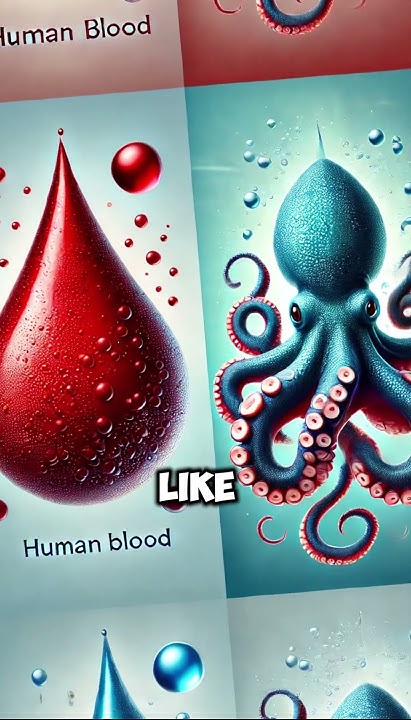
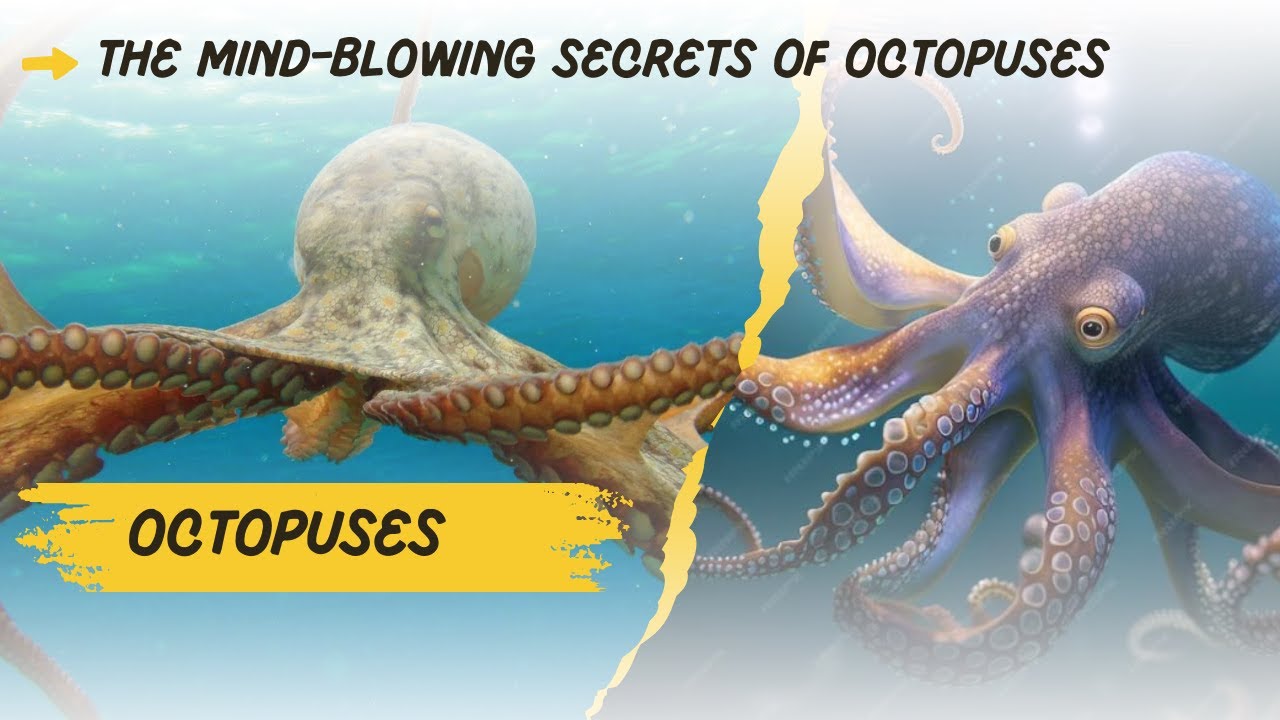
Unlike humans’ iron-rich red hemoglobin, octopuses and other cephalopods use hemocyanin, a copper-containing protein that turns their blood bright blue when oxygenated. This adaptation thrives in cold, low-oxygen deep-sea environments, efficiently binding oxygen. The common octopus (Octopus vulgaris) boasts three hearts: two for gills, one for the body. This blue blood enables their intelligence and color-changing prowess, making them ocean enigmas.
4. Tardigrades: Indestructible Micro-Animals
Tardigrades, or water bears, endure extremes no other animal can: -272°C space vacuum, 150°C heat, 6,000 atmospheres pressure, and lethal radiation doses. These microscopic eight-legged wonders enter cryptobiosis, dehydrating to 1% water and suspending metabolism. Revived after decades, they’ve survived Earth’s harshest habitats and even space missions. Their DNA repair proteins and trehalose sugar shields explain this resilience, inspiring space travel tech.
5. Axolotls: Masters of Regeneration
Mexico’s axolotl salamander regenerates lost limbs, spinal cords, hearts, and even brain parts without scarring. Neotenic—retaining juvenile gills into adulthood—they live solely in Xochimilco canals. Key to this is blastema cells that dedifferentiate and rebuild tissues. Critically endangered, axolotls fuel regenerative medicine, with studies unlocking human healing potential from their unique Wnt signaling pathways.
6. Pistol Shrimp: Sonic Boom Hunters
Alpheidae pistol shrimp snap their oversized claw at 60 mph, creating a cavitation bubble hotter than the sun’s surface (4,700°C) and a 218-decibel sonic boom. This stuns or kills prey like fish and crabs instantly. The vacuum implosion generates light flashes via sonoluminescence. Symbiotic with gobies, sharing burrows, this snap rivals rifle shots, showcasing acoustic weaponry in marine evolution.
7. Hydra: The Non-Aging Predator
Freshwater hydra polyps exhibit negligible senescence, maintaining stem cells that constantly renew their bodies. Without telomeres shortening or genetic damage accumulation, they potentially live indefinitely. FoxO gene activation keeps cells youthful, resisting cancer. Observed unchanging for years in labs, hydra’s simplicity reveals aging’s molecular roots, promising insights for human longevity research.
8. Mantis Shrimp: Vision Superstars
Mantis shrimp boast 16 color receptors (humans have 3), detecting ultraviolet, polarized, and circularly polarized light for prey tracking and communication. Their club-like forearms punch at 50 mph, shattering aquarium glass with acceleration rivaling pistol bullets. Odontodactylus scyllarus species dazzle with iridescent shells, their eyes independently swiveling 360 degrees—nature’s ultimate visual and martial artists.
9. Platypus: Evolutionary Oddity
The platypus lays eggs, produces milk without nipples, detects electric fields via bill electroreceptors, and males wield venomous ankle spurs. Australia’s monotreme bridges mammals and reptiles, with 10 sex chromosomes. Bioluminescent in some contexts? No, but its webbed feet and beaver tail adapt for semi-aquatic life, genome revealing mammal evolution snapshots.
10. Lyrebirds: Sound Mimic Masters
Australia’s superb lyrebird imitates chainsaws, cameras, and 20+ bird calls with 95% accuracy, using a syrinx with two independent sound sources. Males perform during courtship, tail fanning into lyre shapes. Recorded mimicking construction noises in forests near humans, their vocal prowess aids territory defense and mating, epitomizing avian mimicry extremes.
11. Narwhals: Tusk-Wielding Unicorns
The narwhal’s “horn”—a 10-foot elongated left tooth—senses salinity, temperature, and pressure, aiding Arctic foraging. Spiral grooves house nerves, possibly for echolocation or mate selection. Males duel tusks gently. Monodon monoceros, the “unicorn of the sea,” migrates 1,000 miles yearly, their tusks evolving from canine asymmetry.
12. Basilisk Lizard: Jesus Christ Lizard
The common basilisk lizard runs on water at 5 ft/s, slapping hind feet to create air cavity for 15-foot sprints, aided by skin fringes and speed. In Central American rainforests, this escape from predators like birds showcases physics-defying locomotion. Frilled scales trap air bubbles, enabling brief aquatic dashes unmatched in the reptile world.
These 12 animal secrets—from exploding ants’ sacrifice to basilisk lizards’ watery dashes—illustrate nature’s boundless creativity. Each adaptation solves survival puzzles, inspiring biotech, medicine, and engineering. Exploring wildlife uncovers endless marvels, reminding us the wild holds answers to humanity’s greatest questions. Stay curious about the animal kingdom!