
The Universe’s Hidden Superhighway: NASA’s Voyager Probes Detect Invisible Cosmic Currents Reshaping Galaxies
In the vast expanse of space, NASA’s Voyager probes have uncovered a mesmerizing phenomenon: invisible cosmic currents acting as a hidden superhighway across the universe. These currents, detected far beyond our solar system, are revealing how interstellar forces sculpt galaxies on a grand scale. Launched over four decades ago, Voyager 1 and 2 continue to send back data that challenges our understanding of cosmic dynamics.
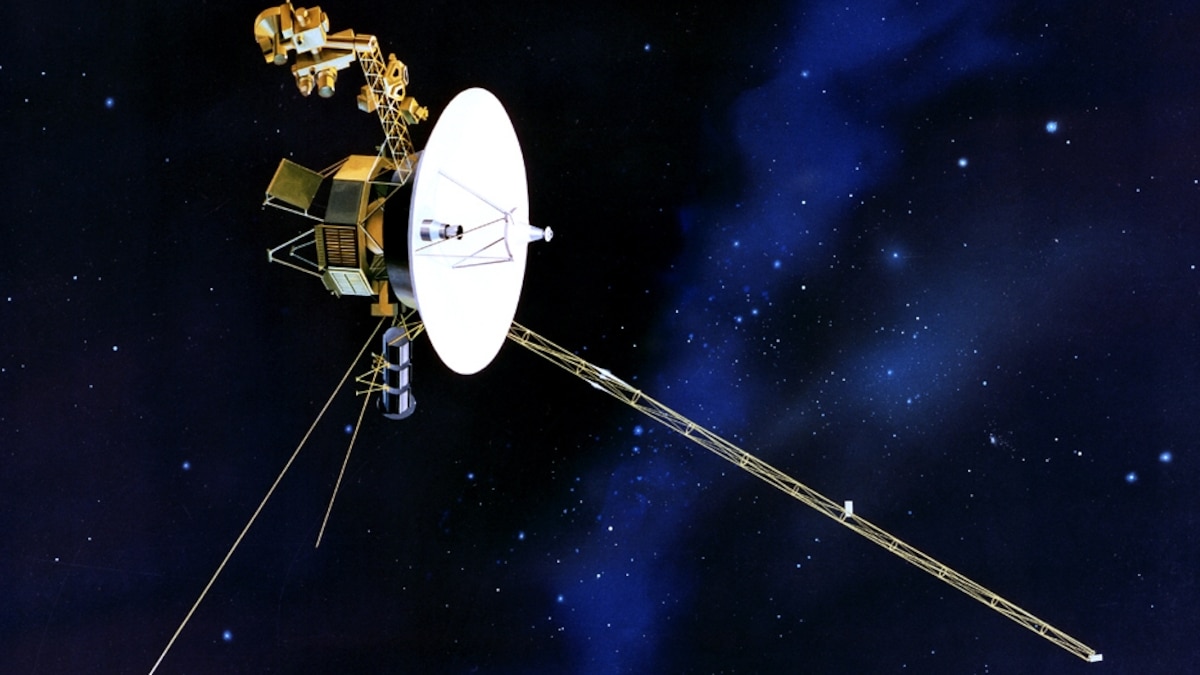
The Voyager Probes: Pioneers of Deep Space Exploration
The Voyager missions, launched by NASA in 1977, were designed to study the outer planets but evolved into interstellar explorers. Voyager 1, the farthest human-made object from Earth at over 15 billion miles away, entered interstellar space in 2012. Voyager 2 followed in 2018, providing the first dual-probe observations of this boundary. Equipped with instruments like plasma wave detectors and magnetometers, these probes measure particles, fields, and waves in the interstellar medium.
These hardy spacecraft, powered by radioisotope thermoelectric generators, have survived decades in harsh space. Their data streams back to Earth via NASA’s Deep Space Network, offering unprecedented insights into the heliosphere—the bubble of solar wind surrounding our solar system—and beyond. Recent analyses highlight detections of plasma oscillations and magnetic field fluctuations, pointing to large-scale cosmic currents.
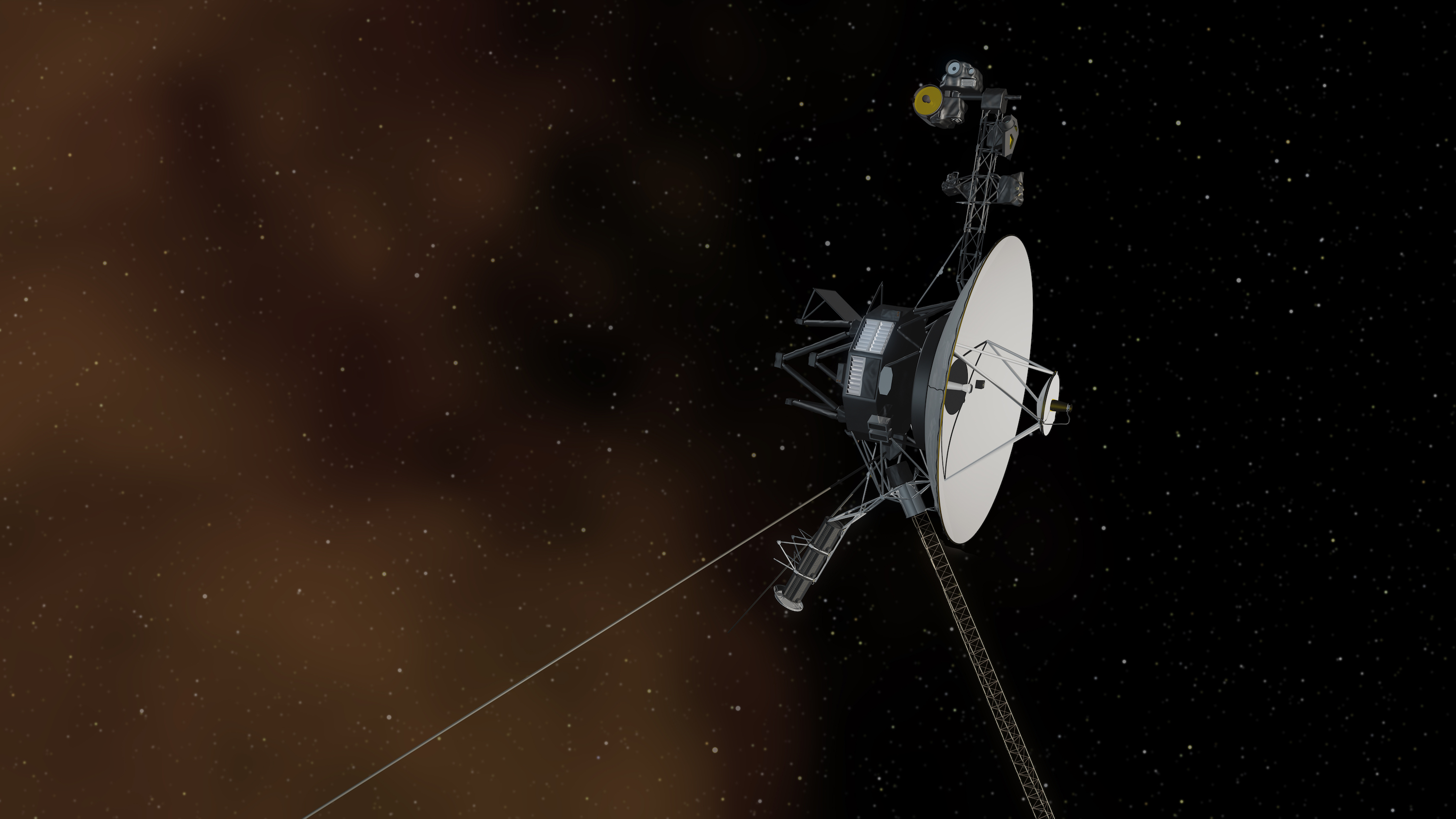
Crossing the Heliopause: Gateway to Interstellar Realms
The heliopause marks the edge where solar wind gives way to interstellar space. Voyager 1 crossed it first, noting a sharp rise in cosmic ray intensity and a drop in solar particles. Voyager 2’s crossing provided complementary data, confirming asymmetric structures in the heliosphere. Beyond this boundary, the probes encountered denser plasma and stronger magnetic fields from the galaxy’s interstellar medium.
These observations revealed unexpected turbulence. Plasma wave instruments on both probes detected low-frequency waves, interpreted as interactions between solar and interstellar plasmas. Scientists now believe these waves trace invisible currents—flows of charged particles guided by galactic magnetic fields—that permeate the cosmos.
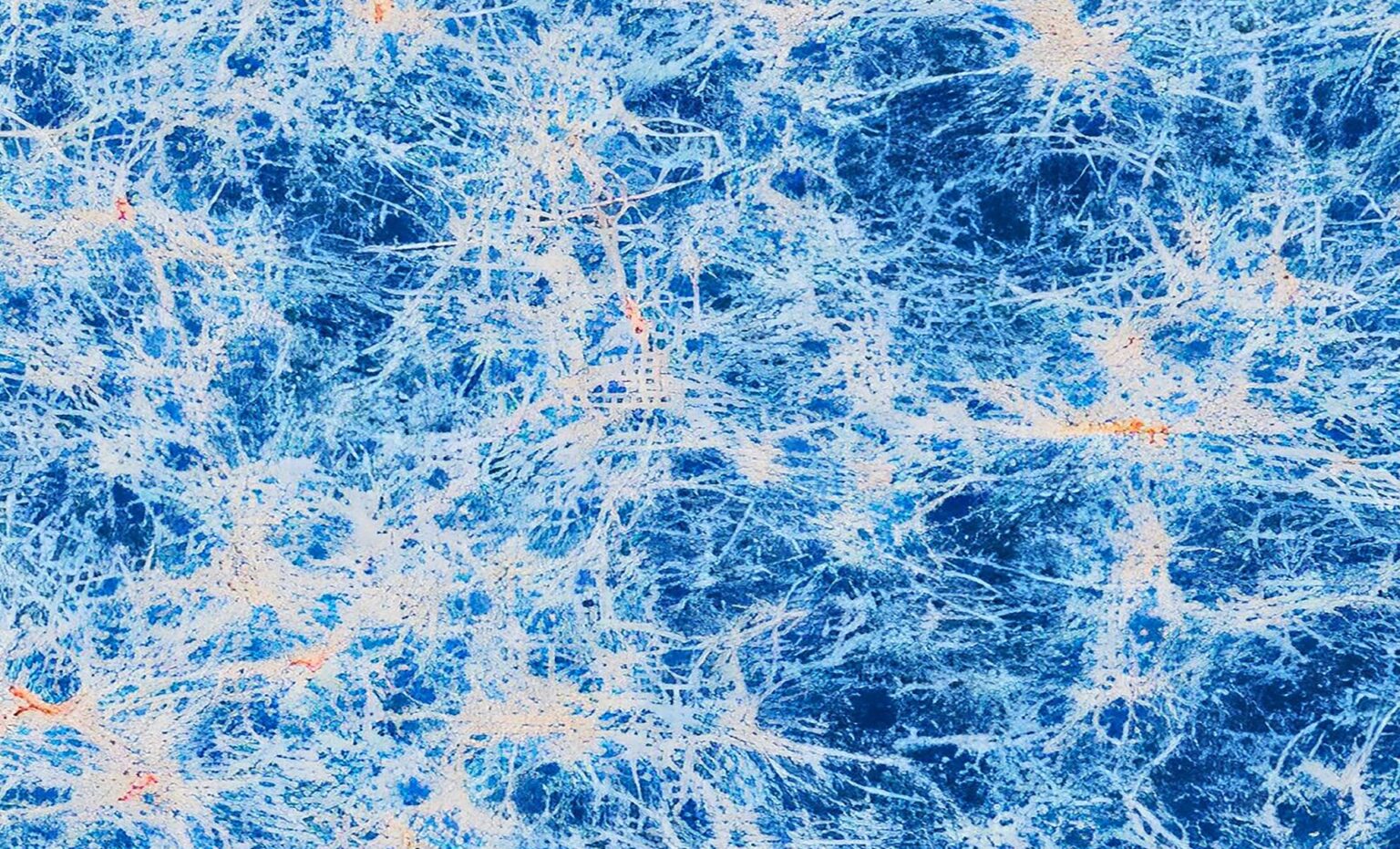
Unveiling Invisible Cosmic Currents
Cosmic currents refer to vast streams of ionized gas and charged particles moving through space, influenced by magnetic fields. Voyager’s magnetometers measured interstellar magnetic fields at about 5 microgauss, draped around the heliopause like cosmic drapery. Plasma wave data showed oscillations at frequencies suggesting electron plasma densities of 0.055 electrons per cubic centimeter—far higher than expected.
These currents aren’t random; they form filamentary structures, akin to rivers in space. NASA’s Jet Propulsion Laboratory (JPL) researchers, led by teams analyzing Voyager data, propose these as “superhighways” channeling energy and matter across galactic scales. For instance, Voyager 2 detected electron beams and whistler-mode waves, indicating dynamic plasma flows that could span thousands of light-years.
Keyword-rich studies published in Nature Astronomy link these findings to larger cosmic web filaments observed by telescopes like Hubble and James Webb. The probes’ detections bridge micro-scale plasma physics with macro-scale galaxy evolution.
How Cosmic Currents Reshape Galaxies
Galaxies aren’t static; they’re molded by magnetic fields and plasma currents. In the Milky Way, these forces drive star formation by compressing gas clouds. Voyager data suggests interstellar currents amplify turbulence, triggering gravitational instabilities that birth stars.
On galactic scales, cosmic currents contribute to spiral arm structures. Magnetic reconnection events—where field lines snap and reform—release energy, propelling gas inflows. Simulations incorporating Voyager-measured field strengths show how these currents regulate accretion onto supermassive black holes, influencing quasar activity and galaxy mergers.
Moreover, these superhighways transport cosmic rays, high-energy particles accelerating in shocks along current sheets. This feedback reshapes galactic disks, expelling gas and metals, as seen in edge-on galaxies like NGC 891. Voyager’s real-time data validates models, proving currents as architects of cosmic morphology.
NASA’s Ongoing Analysis and Technological Marvels
NASA’s Voyager team at JPL continually refines data processing. Advanced algorithms disentangle overlapping signals from cosmic ray impacts and instrument noise. Collaborations with observatories like Chandra X-ray and ALMA radio telescopes correlate Voyager findings with multi-wavelength views of interstellar clouds.
Despite fading power—expected to last until 2025-2030—the probes’ archives will fuel research for generations. Public datasets via NASA’s Planetary Data System enable global scientists to explore these currents, fostering discoveries in plasma astrophysics.
Implications for Future Astronomy and Beyond
The Voyager detections redefine galaxy formation theories. Previously, gravity dominated models; now, magnetohydrodynamics (MHD) incorporating cosmic currents is essential. This shifts paradigms in understanding dark matter halos, as currents may trace invisible mass distributions.
Looking ahead, missions like Interstellar Probe will build on Voyager, venturing deeper. These insights aid exoplanet habitability studies, as galactic currents influence radiation environments around other stars.
In summary, NASA’s Voyager probes have illuminated the universe’s hidden superhighway. By detecting invisible cosmic currents, they reveal forces reshaping galaxies, blending exploration with profound science. As data flows on, humanity edges closer to unraveling the cosmos’s grand design.