
AI’s Silent Overhaul: 7 Industries Transformed Overnight and What It Means for Your Future
Artificial intelligence has crept into nearly every corner of modern life, reshaping industries at an astonishing pace. What once seemed like science fiction is now everyday reality, with AI algorithms optimizing processes, predicting outcomes, and automating tasks that humans once handled manually. This silent overhaul isn’t just about efficiency—it’s redefining business models, creating new job opportunities, and challenging traditional workflows. In this article, we explore seven key industries undergoing rapid AI transformation and examine the broader implications for your professional and personal future.
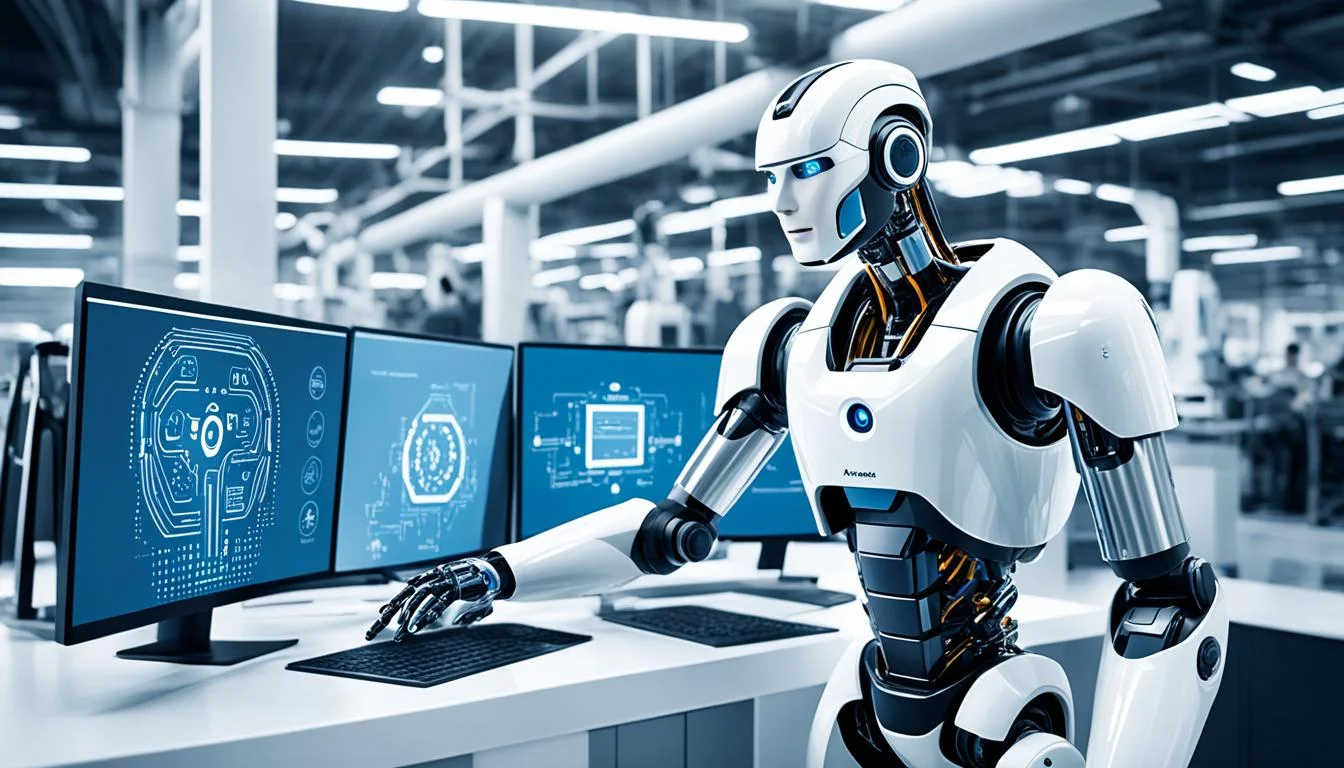
Healthcare: Precision Medicine and Predictive Diagnostics
AI’s impact on healthcare has been revolutionary, accelerating diagnostics and personalizing treatments. Machine learning models now analyze medical images with superhuman accuracy, detecting conditions like cancer earlier than human radiologists. For instance, Google’s DeepMind has developed AI systems that identify eye diseases from retinal scans in seconds, rivaling expert ophthalmologists. Predictive analytics powered by AI sift through vast patient data to forecast disease outbreaks or individual health risks, enabling proactive care.
This transformation means faster, more accurate diagnoses and tailored therapies, potentially saving millions of lives. However, it raises questions about data privacy and the need for healthcare professionals to upskill in AI integration. For patients, it promises longer, healthier lives through preventive medicine.
Finance: Fraud Detection and Algorithmic Trading
In finance, AI has overhauled risk management and trading. Algorithms process terabytes of market data in milliseconds, executing high-frequency trades that dominate global exchanges. Companies like JPMorgan use AI for contract analysis, reducing legal review time from hours to minutes. Fraud detection systems employ anomaly detection to flag suspicious transactions in real-time, preventing billions in losses annually.
The shift democratizes investing via robo-advisors like Betterment, which offer personalized portfolios at low cost. Yet, it amplifies market volatility and job displacement for traditional analysts. Financial professionals must now master data science to stay relevant in this AI-driven landscape.

Retail: Personalized Shopping and Inventory Mastery
Retailers leverage AI for hyper-personalized customer experiences. Recommendation engines, like those at Amazon, analyze browsing history and purchase patterns to suggest products with uncanny precision, boosting sales by up to 35%. AI optimizes supply chains by predicting demand fluctuations, minimizing overstock and waste—Walmart’s systems, for example, forecast inventory needs across thousands of stores.
Dynamic pricing algorithms adjust costs in real-time based on demand, competition, and consumer behavior. This efficiency enhances shopper satisfaction but challenges brick-and-mortar stores to adopt AI or risk obsolescence. For consumers, it means seamless, intuitive shopping tailored to individual preferences.
Manufacturing: Smart Factories and Predictive Maintenance
AI powers Industry 4.0, turning factories into intelligent ecosystems. Robotic arms guided by computer vision assemble products with pinpoint accuracy, while AI monitors equipment via IoT sensors to predict failures before they occur. Siemens reports that predictive maintenance cuts downtime by 50%, saving millions.
Digital twins—virtual replicas of physical assets—allow simulations for process optimization. This overhaul boosts productivity and sustainability by reducing energy use. Workers transition from manual labor to overseeing AI systems, demanding skills in robotics and data analytics.
Education: Adaptive Learning and Administrative Automation
AI is personalizing education like never before. Platforms like Duolingo use adaptive algorithms to customize lessons based on learner progress, improving retention rates. AI tutors provide instant feedback, scaling one-on-one instruction to millions. Administrative tasks, such as grading and scheduling, are automated, freeing teachers for mentorship.
In higher education, AI analyzes student data to predict at-risk dropouts and intervene early. This transformation fosters lifelong learning but highlights the digital divide. Educators must embrace AI tools to enhance, not replace, human interaction in classrooms.
Transportation: Autonomous Vehicles and Traffic Optimization
AI is steering transportation toward autonomy. Self-driving cars from Waymo and Tesla navigate complex roads using neural networks trained on billions of miles of data. AI traffic systems, like those in Singapore, optimize signals to reduce congestion by 15-20%. Logistics firms use AI for route planning, slashing delivery times and fuel costs.
Ride-sharing apps employ surge pricing and matching algorithms for efficiency. This promises safer roads—AI vehicles react faster than humans—and greener transport. Drivers and fleet managers will need to adapt to roles in AI oversight and maintenance.
Agriculture: Precision Farming and Yield Prediction
Agriculture benefits from AI through precision techniques. Drones equipped with AI image recognition scout fields for pests or nutrient deficiencies, applying targeted treatments. John Deere’s autonomous tractors plant and harvest with GPS-guided precision, increasing yields by 20%. Predictive models forecast weather impacts and crop performance using satellite data.
This reduces water and pesticide use, promoting sustainable farming amid climate challenges. Farmers gain tools for data-driven decisions, but smaller operations must access affordable AI tech to compete globally.
What It Means for Your Future
The AI overhaul across these industries signals a future of unprecedented opportunity and disruption. Jobs will evolve—routine tasks automate, elevating demand for AI-savvy roles like ethicists, trainers, and integrators. By 2030, the World Economic Forum predicts AI will create 97 million new jobs while displacing 85 million.
For individuals, upskilling in AI literacy, data analysis, and critical thinking is essential. Lifelong learning platforms will proliferate, making reskilling accessible. Businesses ignoring AI risk irrelevance, while adopters gain competitive edges. Ethically, society must address biases in AI and ensure equitable access.
Ultimately, AI amplifies human potential, fostering innovation in sustainability, health, and efficiency. Embrace it proactively: learn the tools, adapt your career, and shape a future where AI serves humanity’s greatest needs. The transformation is here—your response defines tomorrow.