
The Mantis Shrimp’s Supersonic Punch Boils Water: 10 Mind-Blowing Animal Superpowers
Nature never ceases to amaze with the extraordinary abilities hidden in the animal kingdom. From punches that generate temperatures hotter than the sun’s surface to senses that defy human imagination, animals possess superpowers that rival any comic book hero. Leading the pack is the mantis shrimp, whose supersonic strike creates a cavitation bubble so intense it boils water instantly. In this article, we explore 10 mind-blowing animal superpowers that showcase evolution’s ingenuity, revealing why these creatures are true marvels of the natural world.
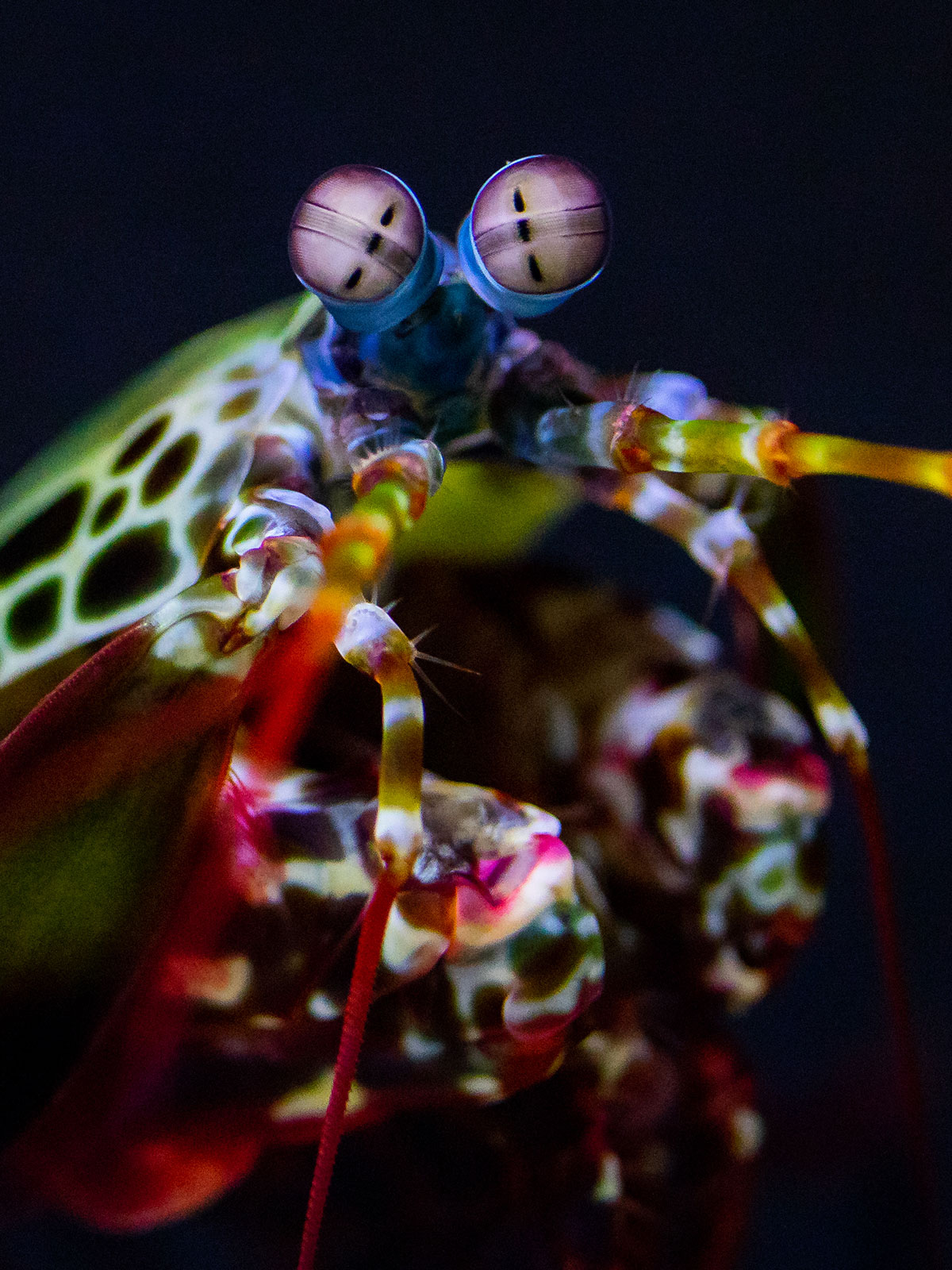
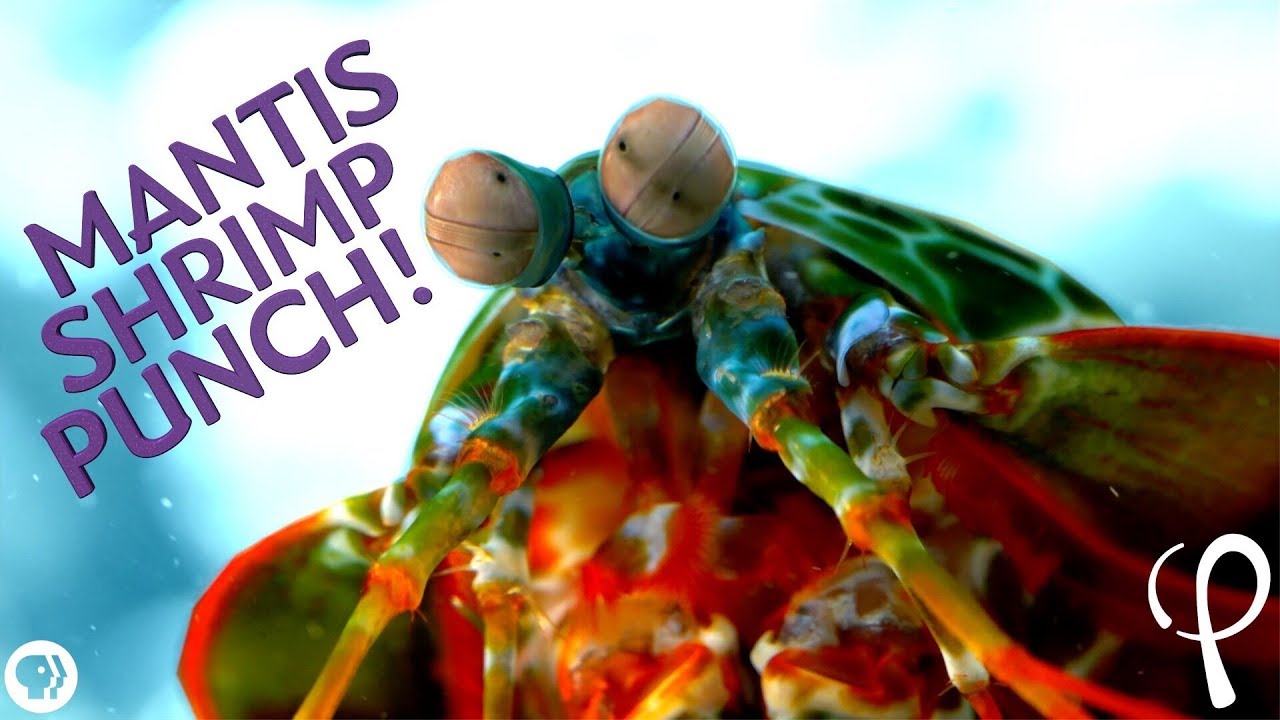
1. Mantis Shrimp’s Supersonic Punch
The mantis shrimp, often called the “thumb-splitter,” wields one of the fastest punches in the animal kingdom. Clocking speeds up to 51 mph (23 m/s), its club-like appendage strikes prey with force equivalent to a .22 caliber bullet. The real superpower? Cavitation. As the claw accelerates through water, it creates a low-pressure bubble that collapses explosively, generating temperatures of 4,700°C—hotter than lava—and a shockwave that stuns or kills. This brief flash of light, called sonoluminescence, boils the surrounding water. Found in tropical reefs, these 10 cm warriors use this power to smash shellfish, demonstrating physics-defying strength in a tiny package.
2. Pistol Shrimp’s Sonic Bubble Snap
Closely related to the mantis shrimp, the pistol shrimp snaps its oversized claw at 62 mph, producing a cavitation bubble louder than a gunshot at 218 decibels. This sonic boom reaches 4,700°C internally, vaporizing water and creating light flashes. The resulting shockwave hunts prey, defends territory, and even communicates. Measuring just 3 cm, these crustaceans stun fish up to 50 times their size, proving that size isn’t everything in underwater combat. Their snap is so powerful it can scar glass in aquariums.
3. Electric Eel’s 860-Volt Shock
The electric eel generates up to 860 volts from specialized cells called electrocytes, stacked like batteries along its 2-meter body. This discharge, lasting milliseconds, stuns prey or repels predators with 1 amp of current—enough to light a string of holiday bulbs. Eels use weak pulses for electrolocation, sensing objects in murky Amazon waters. This dual-purpose superpower evolved for hunting and navigation, making them apex predators in their habitat.
4. Archerfish’s Pinpoint Spit Accuracy
Archerfish propel water jets from their mouths with sniper-like precision, knocking insects off overhanging branches up to 1.5 meters away. By shaping their mouth into a tube and contracting their gills, they fire droplets at 65 mph, compensating for light refraction at the water-air interface. Studies show they adjust aim based on distance and angle, hitting targets 90% of the time. This hunting innovation allows them to feast above water without leaving their mangrove homes.
5. Tardigrade’s Extreme Survival
Known as water bears, tardigrades endure extremes no other animal can: -272°C in space, 150°C heat, 6,000 atm pressure, and lethal radiation doses. In their “tun” state, they desiccate to 3% water, halting metabolism for decades. Revived by moisture, they thrive in moss worldwide. Their DNA repair proteins and cryptobiosis make them nearly indestructible, inspiring biotech for space travel and medicine.
6. Gecko’s Super-Adhesive Feet
Geckos climb glass walls using millions of microscopic setae on their toe pads, each splitting into spatula-shaped hairs exploiting van der Waals forces. A single seta generates 10 nanoNewtons; scaled up, a 100g gecko supports 130 kg. They detach effortlessly by angling feet, sticking and unsticking at will. This dry adhesion, unlike glue, works on wet surfaces too, revolutionizing robotics and adhesives.
7. Peregrine Falcon’s Supersonic Dive
The peregrine falcon dives at 240 mph (389 km/h), the fastest member of the animal kingdom. Folding wings streamline its 1 kg body, generating immense air pressure. Special baffles protect nostrils from impact, and nictitating membranes shield eyes. Prey falcons target has mere seconds to react. Conservation efforts revived this superpower symbol from near extinction.
8. Immortal Jellyfish’s Rejuvenation
Turritopsis dohrnii, the immortal jellyfish, reverts to its juvenile polyp stage after maturing, potentially cycling indefinitely. Under stress, cells transdifferentiate, resetting biological age. Discovered in the Mediterranean, this 4.5 mm medusa challenges aging science, offering clues to human longevity despite predation risks.
9. Bombardier Beetle’s Explosive Defense
This beetle mixes hydroquinone and hydrogen peroxide in its abdomen, catalyzing an explosion at 88°C via enzymes. The boiling spray, propelled at 10 m/s, deters attackers with scalding chemicals. Separate chambers prevent self-harm, showcasing chemical engineering in a 1.5 cm body across global habitats.
10. Dolphin’s Echolocation Precision
Bottlenose dolphins emit clicks up to 220 dB, bouncing echoes off objects for 3D imaging in dark oceans. They distinguish shapes, textures, and materials, even “seeing” through sand. Melanated “melon” foreheads focus beams like sonar. This superpower enables hunting, navigation, and social bonding, with frequencies up to 120 kHz beyond human hearing.
These 10 animal superpowers—from the mantis shrimp’s boiling punch to dolphins’ sonic vision—highlight evolution’s boundless creativity. Studying them not only deepens our appreciation of biodiversity but also fuels innovations in engineering, medicine, and technology. Next time you encounter wildlife, remember: nature’s heroes possess abilities far beyond imagination.