
A Guide to Understanding and Improving Your Credit Score
A Guide to Understanding and Improving Your Credit Score
Your credit score is one of the most critical numbers in your financial life. It influences everything from mortgage approvals and interest rates on loans to even job applications and rental agreements. Understanding how credit scores work and learning how to improve your credit score can unlock better financial opportunities and save you thousands in interest over time. In this comprehensive guide, we’ll break down what a credit score is, the key factors that affect it, and actionable steps to boost your score effectively. Whether you’re a first-time homebuyer or simply aiming to strengthen your financial profile, mastering your credit score is essential.
What Is a Credit Score?
Feature Video
A credit score is a three-digit number, typically ranging from 300 to 850, that summarizes your creditworthiness based on your credit history. In the United States, the most common models are FICO Scores and VantageScore, both used by lenders to assess risk. A higher score indicates lower risk, leading to favorable loan terms, while a lower score can result in higher interest rates or outright denials.
Credit scores aren’t arbitrary; they’re calculated using data from your credit reports, which are maintained by the three major bureaus: Equifax, Experian, and TransUnion. Key elements include payment history, amounts owed, length of credit history, new credit, and credit mix. For instance, FICO weights payment history at 35%, amounts owed at 30%, and so on. Regularly checking your credit score helps you stay informed and spot issues early.
Key Factors That Influence Your Credit Score

To improve your credit score, you must first understand its components. Here’s a detailed look at the main factors:
Payment History (35% of FICO Score)

This is the most significant factor. It tracks whether you’ve paid your bills on time. Late payments, missed payments, or defaults stay on your report for up to seven years and can severely damage your score. Even a single 30-day late payment can drop your score by 100 points or more. To protect this pillar, set up autopay for bills and use reminders for due dates.
Amounts Owed and Credit Utilization (30%)

Credit utilization ratio measures how much of your available credit you’re using. Ideally, keep it under 30%. For example, if your total credit limit is $10,000 and you owe $2,000, your ratio is 20%—excellent. High utilization signals risk to lenders. Pay down balances before statements close and avoid maxing out cards.
Length of Credit History (15%)
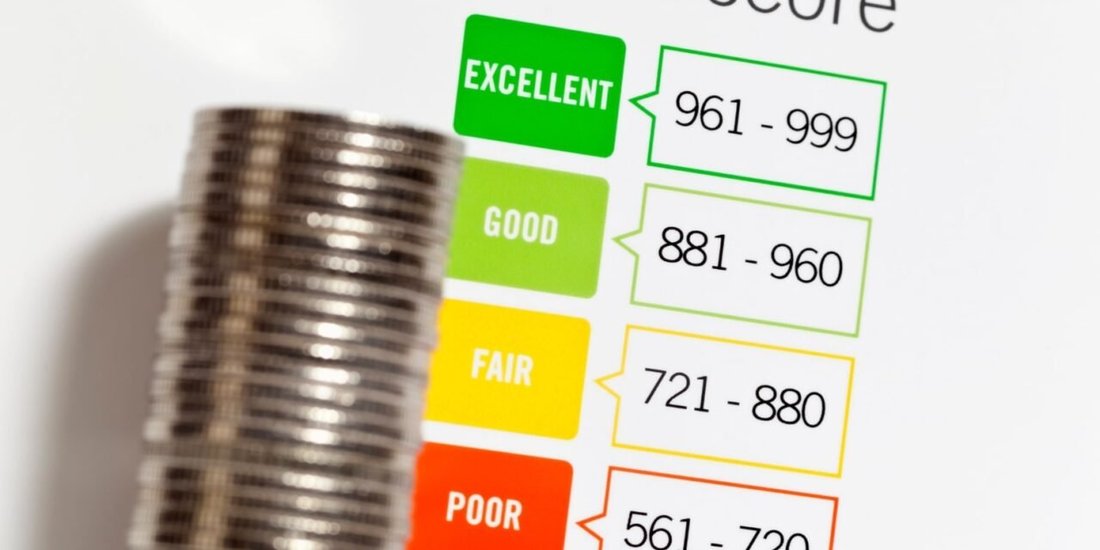
Older accounts boost your score by demonstrating long-term responsibility. The average age of accounts and the age of your oldest account matter. Don’t close old cards just to reduce spending temptation; keep them active with occasional use to preserve this factor.
New Credit (10%)
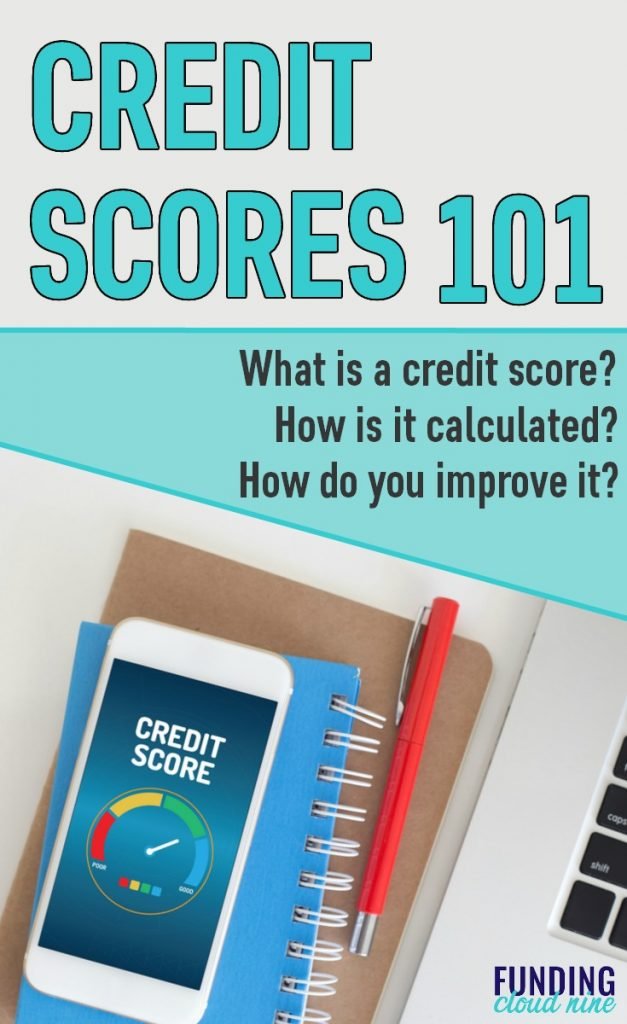
Multiple hard inquiries from new applications can temporarily lower your score. Space out applications and limit new accounts to what’s necessary.
Credit Mix (10%)
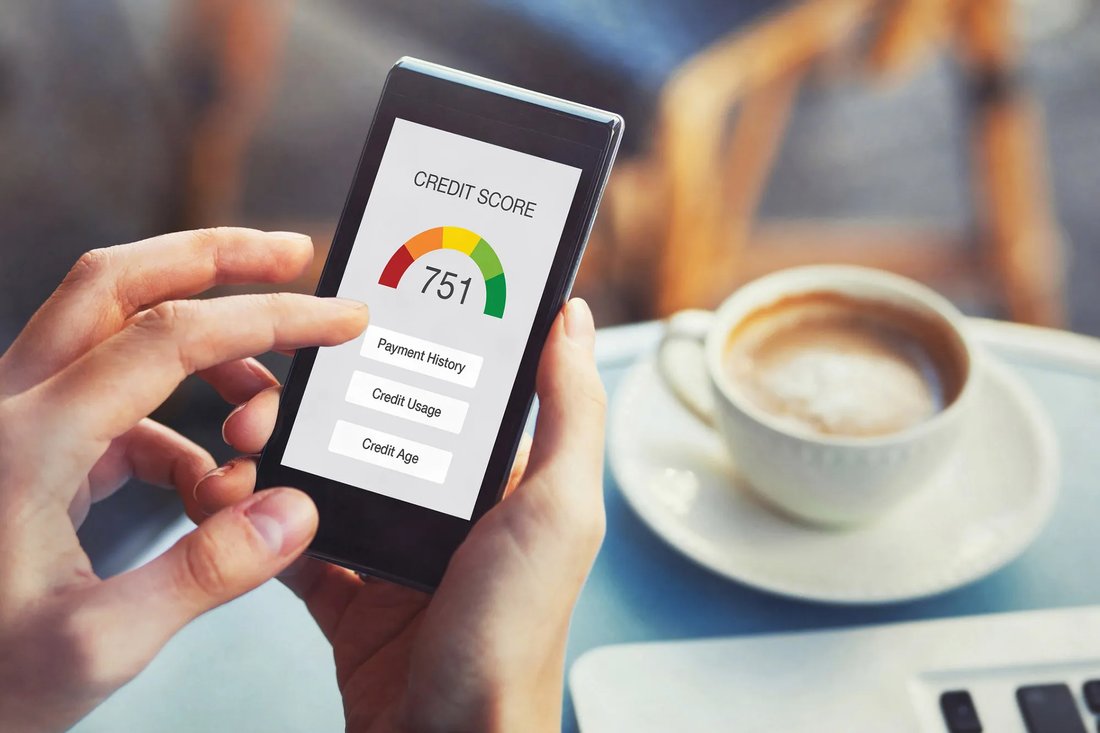
A variety of credit types—like credit cards, mortgages, and auto loans—shows you can handle different debts. However, don’t open accounts solely for mix; focus on responsible management.
How to Check Your Credit Score for Free
Monitoring your credit score doesn’t have to cost money. AnnualCreditReport.com offers free weekly reports from all three bureaus. Services like Credit Karma, Credit Sesame, and even your bank apps provide free VantageScores or FICO scores. Review reports for errors—such as incorrect personal info or fraudulent accounts—and dispute them promptly via the bureaus’ online portals. Accurate monitoring is the first step to improving your credit score.
Proven Strategies to Improve Your Credit Score
Improving your credit score takes time, typically 3-6 months for noticeable changes, but consistency pays off. Here are expert-backed tips:
Pay Bills on Time, Every Time
Timeliness is non-negotiable. Use calendar alerts, bill-pay services, or apps like Mint. If you’re behind, negotiate payment plans with creditors to avoid further damage.
Reduce Credit Card Balances
Aim for under 10% utilization for optimal results. Prioritize high-interest cards and consider balance transfer cards with 0% intro APR. Debt snowball or avalanche methods can accelerate payoff.
Request Credit Limit Increases
Higher limits lower utilization if spending stays the same. Ask issuers for increases, but only if you have a solid payment history and won’t overspend.
Become an Authorized User
Join a trusted family member’s card with a long history and low utilization. Their positive history can boost yours, but ensure they maintain good habits.
Dispute Errors on Your Credit Report
One in five reports has errors. Scrutinize for inaccuracies and file disputes online. The Fair Credit Reporting Act mandates investigation within 30 days.
Avoid New Credit Applications
Limit inquiries. If shopping for loans, do so within a 14-45 day window, as multiple pulls count as one.
Use Secured Credit Cards if Needed
For those with poor credit, secured cards require a deposit as your limit. Responsible use builds history and score.
Common Myths About Credit Scores Debunked
Myth 1: Closing old accounts helps. Reality: It shortens history and raises utilization.
Myth 2: Carrying a balance improves scores. Reality: It hurts utilization; pay in full.
Myth 3: Scores drop yearly. Reality: Negative info ages off after 7-10 years.
Myth 4: Rent and utilities don’t count. Reality: New services like Experian Boost include them.
Long-Term Habits for Sustaining a High Credit Score
Beyond quick fixes, cultivate habits like budgeting with the 50/30/20 rule, building an emergency fund, and diversifying debt responsibly. Track progress monthly. A score above 740 unlocks the best rates—think 3.5% mortgages vs. 5% for lower scores, saving $100+ monthly.
The Impact of a Good Credit Score on Your Life
Excellent credit (800+) means lower insurance premiums, better cell plans, and employment edges. It empowers financial freedom, from dream homes to stress-free borrowing. Conversely, sub-600 scores lead to predatory lending traps.
Conclusion: Take Control of Your Financial Future Today
Understanding and improving your credit score isn’t just about numbers—it’s about empowerment. Start by pulling your free reports, addressing errors, and implementing these strategies. With patience and discipline, you’ll see gains. Remember, small daily actions compound into major financial wins. Optimize your credit score now for a brighter tomorrow.
(Word count: 1,248)