
Why Am I Always Tired? 7 Hidden Reasons for Your Fatigue
Introduction: Unraveling the Mystery of Constant Fatigue
Feature Video
Do you find yourself asking, “Why am I always tired?” no matter how much sleep you get? Fatigue is more than just feeling sleepy—it’s a pervasive exhaustion that affects your daily life, productivity, and mood. While many blame long work hours or stress, the truth is often hidden deeper. According to the Centers for Disease Control and Prevention (CDC), fatigue impacts up to 2.5 million Americans chronically, yet most overlook subtle culprits.
In this comprehensive guide, we’ll explore seven hidden reasons for your fatigue. These lesser-known factors go beyond the obvious like poor sleep hygiene. Understanding them can empower you to reclaim your energy. From nutritional gaps to sneaky medical issues, we’ll break it down with science-backed insights and practical tips. If tiredness persists, consult a healthcare professional for personalized advice.
1. Undiagnosed Sleep Apnea: The Silent Sleep Thief

Sleep apnea is a hidden reason why you’re always tired, affecting over 25 million adults in the U.S., per the American Sleep Apnea Association. This disorder causes repeated breathing pauses during sleep, fragmenting rest without you realizing it. Unlike simple snoring, apnea robs you of deep REM cycles, leaving you groggy despite eight hours in bed.
Symptoms include morning headaches, dry mouth, and daytime drowsiness. Risk factors? Obesity, smoking, or narrow airways. A hidden aspect is central sleep apnea, linked to heart issues. Diagnosis via sleep study reveals it—CPAP machines or lifestyle changes like weight loss restore energy. Don’t ignore this; untreated apnea raises risks for hypertension and diabetes.
2. Nutritional Deficiencies: Fueling Fatigue from Within

Why am I always tired? Often, it’s micronutrient shortages. Iron deficiency anemia affects 1 in 5 women, causing oxygen-poor blood and exhaustion. Vitamin B12 or D gaps are sneaky too—B12 powers red blood cells, while D regulates mood and energy.
Vegetarians, elderly, or those with gut issues miss these. Symptoms: pale skin, brain fog, muscle weakness. Blood tests confirm; fix with diet (leafy greens, fatty fish) or supplements. A Harvard study links low ferritin to chronic fatigue syndrome. Track intake via apps and eat balanced meals to combat this hidden drain.
3. Thyroid Dysfunction: The Metabolism Misfire
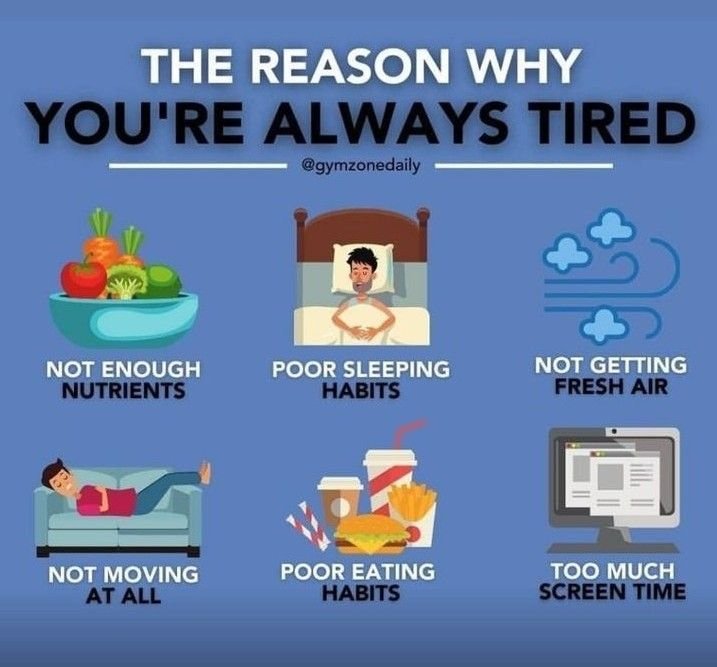
Hypothyroidism subtly saps energy, impacting 4.6% of Americans over 12, says the NIH. Your thyroid gland regulates metabolism; when underactive, everything slows—weight gain, cold sensitivity, and unrelenting tiredness ensue.
Often missed in routine checkups, it mimics aging or stress. Women over 60 are prime targets, but autoimmune Hashimoto’s strikes younger. TSH blood tests diagnose; levothyroxine restores pep. Lifestyle aids: iodine-rich foods like seaweed, selenium from Brazil nuts. Addressing this hidden thyroid issue can transform “always tired” into vibrant days.
4. Chronic Stress and Adrenal Fatigue: The Burnout Epidemic

In our 24/7 world, chronic stress floods cortisol, leading to adrenal fatigue—a controversial but real exhaustion state. The American Psychological Association notes prolonged stress disrupts HPA axis, mimicking tiredness from overworked adrenals.
Hidden signs: afternoon crashes, sugar cravings, insomnia. Not a formal diagnosis, but symptoms align with burnout. Combat with mindfulness, 7-9 hours sleep, adaptogens like ashwagandha. A study in Psychoneuroendocrinology shows meditation lowers cortisol by 20%. Prioritize boundaries to halt this cycle.
5. Gut Microbiome Imbalance: The Digestion-Energy Link
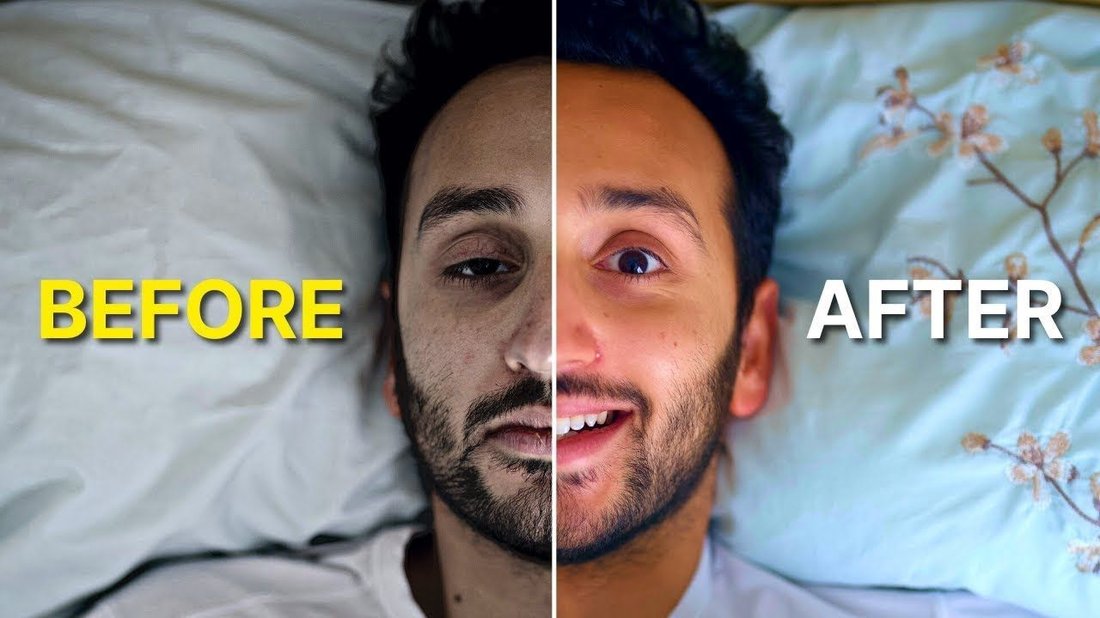
Your gut houses trillions of microbes influencing 70% of immunity and neurotransmitter production. Dysbiosis—imbalanced flora—causes leaky gut, inflammation, and fatigue, per research in Nature Reviews Microbiology.
Antibiotics, processed foods, stress disrupt it. Symptoms: bloating, irregular bowels, low mood. Probiotics, fiber-rich diets (prebiotics like garlic), fermented foods (kefir, kimchi) rebuild it. A randomized trial in Gut journal found probiotics cut fatigue scores by 30% in IBS patients. Nurture your gut for sustained energy.
6. Dehydration and Electrolyte Imbalance: The Overlooked Quencher
Even mild dehydration (1-2% body water loss) impairs cognition and spikes fatigue, as shown in the Journal of Nutrition. Coffee or workouts exacerbate it via diuretics, yet thirst isn’t always felt.
Electrolytes like magnesium, potassium regulate nerves and muscles—deficits from sweating or poor diet cause cramps and lethargy. Aim for half your weight in ounces of water daily, add electrolytes (coconut water). Track urine color: pale yellow means hydrated. This simple fix unveils hidden vitality.
7. Underlying Infections or Inflammation: The Stealth Attackers

Chronic low-grade infections like Epstein-Barr virus (mono’s culprit) or Lyme disease linger, fueling fatigue via immune overdrive. C-reactive protein tests reveal inflammation from autoimmune flares or allergies.
COVID long-haulers exemplify this—millions report persistent tiredness. Hidden in plain sight, they evade notice without symptoms. Antivirals, anti-inflammatories, or elimination diets help. Mayo Clinic advises ruling out via comprehensive panels. Early detection prevents escalation.
Conclusion: Take Control of Your Energy Today
Why are you always tired? These seven hidden reasons—sleep apnea, deficiencies, thyroid issues, stress, gut imbalance, dehydration, and inflammation—reveal fatigue’s complexity. Start with self-assessment: track sleep, diet, hydration. Lifestyle tweaks like exercise (30 minutes daily), balanced nutrition, and stress reduction yield quick wins.
For SEO-savvy readers searching “causes of constant fatigue,” remember: bloodwork and doctor visits are key. Supplements? Consult first to avoid interactions. Reclaim your days—energy is your right. Share this if it resonates, and prioritize wellness for a fatigue-free life.
(Word count: 1,248)