
Killers of the Flower Moon Ending Explained: The Jaw-Dropping True Story Behind the Osage Murders That Hollywood Couldn’t Ignore!
Introduction: A Masterpiece of Murder and Greed
Watch Related Video Coverage
Martin Scorsese’s Killers of the Flower Moon (2023) is more than just a film—it’s a gut-wrenching dive into one of America’s darkest chapters. Starring Leonardo DiCaprio, Lily Gladstone, and Robert De Niro, this epic runtime of over three hours unravels the “Reign of Terror” against the Osage Nation in 1920s Oklahoma. The movie blends romance, betrayal, and brutality, leaving audiences stunned by its ending. But what really happened? This article breaks down the shocking finale, compares it to the true events from David Grann’s bestselling book, and explores why this story still haunts us today. Spoiler alert: If you haven’t seen it, pause here—but trust us, you won’t regret diving in.
The Plot Setup: Love, Oil, and Osage Wealth
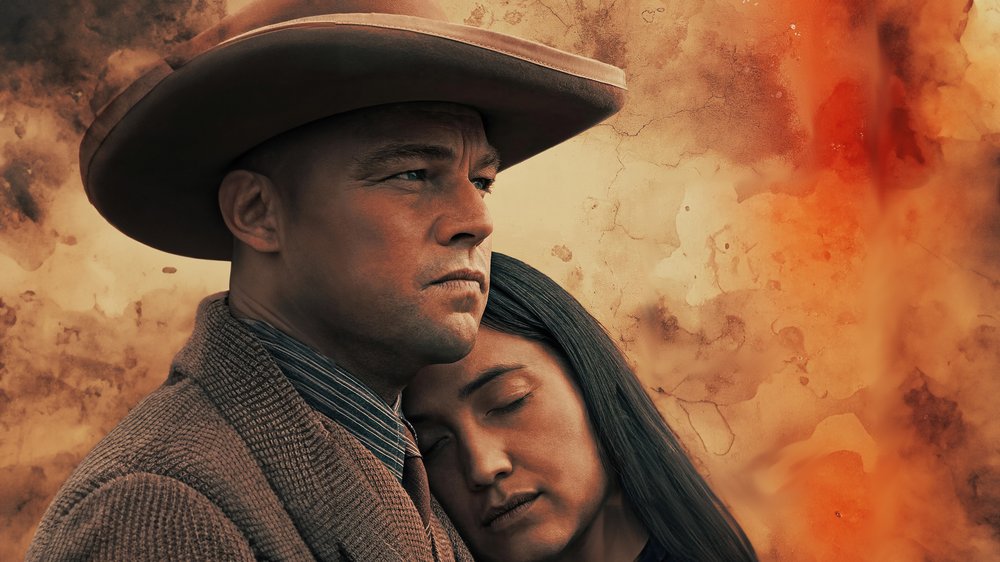
In the early 1900s, the Osage people were among the richest per capita in the world, thanks to oil discovered beneath their Oklahoma reservation lands. Under the thumb of the U.S. government, each adult Osage received “headrights”—royalties from oil leases—that couldn’t be sold without approval. Enter William Hale (De Niro), a wealthy cattleman known as the “King of the Osage Hills.” He manipulates his naive nephew, Ernest Burkhart (DiCaprio), into marrying Mollie Kyle (Gladstone), an Osage woman whose family holds lucrative headrights.
The film opens with a surreal sequence: Osage funerals juxtaposed with a rain of oil, symbolizing their cursed fortune. As suspicious deaths pile up—Mollie’s mother, sisters, and others poisoned with insulin—it’s clear a conspiracy is afoot. Hale orchestrates the murders to inherit the headrights, using Ernest as his pawn. The slow-burn narrative builds tension through intimate family scenes, highlighting the cultural clash and doomed love between Ernest and Mollie. DiCaprio’s performance is raw; he’s torn between love and loyalty to his uncle. Gladstone shines as Mollie, her quiet strength masking deep pain.
The Climax: Trials, Betrayals, and FBI Intervention
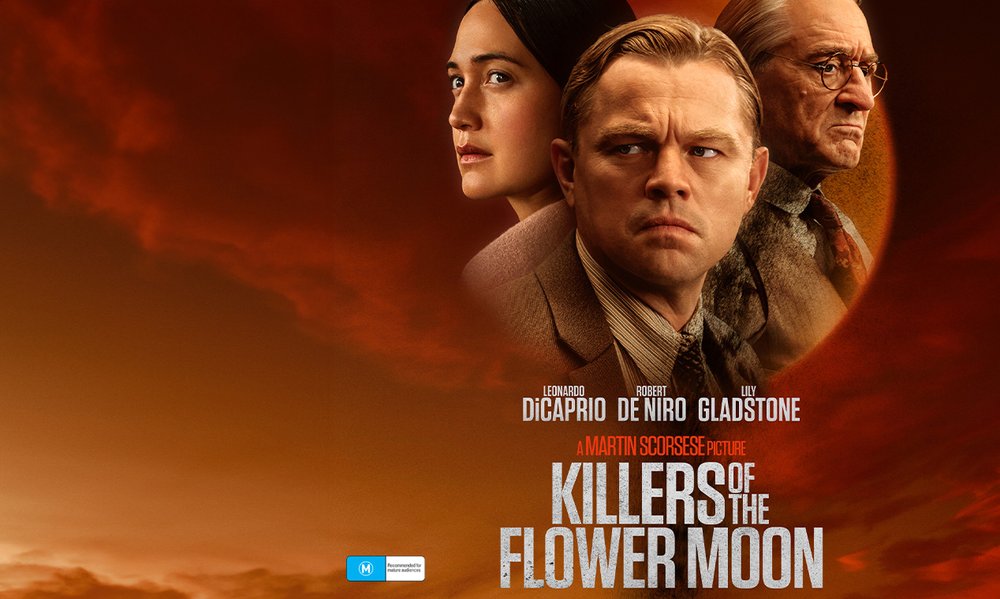
The plot escalates when Mollie, now diabetic and weakening from insulin overdoses, seeks help from a new doctor. Ernest’s brother Byron (Scott Shepherd) botches a murder attempt on a relative, drawing federal attention. Enter Tom White (Jesse Plemons), a real-life FBI agent under J. Edgar Hoover, who assembles a team of undercover operatives to infiltrate the town.
In a pivotal courtroom scene, Ernest flips under pressure, testifying against Hale. But the trial is a farce—witnesses recant, juries are biased, and justice feels rigged. Hale and Ernest are convicted of murder, but the film doesn’t sugarcoat the aftermath. Ernest gets a life sentence but is paroled after four years; Hale serves about 18 before pardon. This underscores Scorsese’s theme: systemic racism and greed trump accountability.
Ending Explained: The Radio Show, the Book, and Scorsese’s Meta Twist
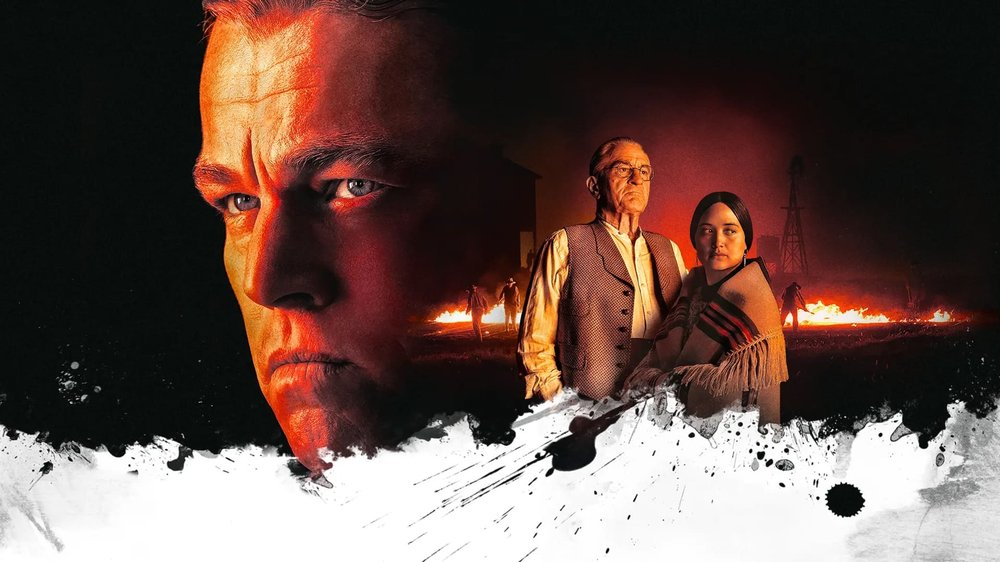
The movie’s finale is a stroke of genius, pulling back the curtain on storytelling itself. After the trials, we cut to a 1940s radio dramatization of the events—complete with cheesy sound effects, a narrator (Scorsese himself voicing), and actors portraying Hale and Ernest. It’s a meta-commentary: Hollywood (and media) often sanitizes atrocities for entertainment. The broadcast audience laughs at the “love story” angle, oblivious to the real horror.
Then, Scorsese appears on set, directing the scene, before reading directly from Grann’s book in voiceover. He lists more unsolved murders, emphasizing that the true toll was over 60 Osage deaths, possibly hundreds. The film ends on Mollie’s funeral in 1937, attended by Ernest— a heartbreaking reminder of personal loss amid institutional failure. No triumphant music, no closure. It’s bleak, forcing viewers to confront ongoing Osage trauma.
Why this ending? Scorsese rejects the traditional “hero saves the day” arc. Instead, he indicts white America’s voyeurism. As Gladstone’s Mollie says earlier, “What do they see when they see us?” The finale answers: profit and spectacle.
The True Story: From Grann’s Book to Brutal Reality
David Grann’s 2017 nonfiction book Killers of the Flower Moon: The Osage Murders and the Birth of the FBI exposed what the FBI buried. Between 1921-1926, dozens of Osage were killed—poisoned, shot, blown up. Real-life Mollie Burkhart (nee Kyle) lost her mother and three sisters. William Hale, her husband Ernest’s uncle, masterminded it, bribing locals and using explosives (like the 1923 Smith family bombing that killed a child).
The FBI’s involvement birthed the bureau’s modern form. Tom White’s team uncovered a web of 25+ conspirators. Hale and Ernest confessed initially but recanted. Convicted in 1929, Hale got life (paroled 1947), Ernest life (paroled 1937 after appealing health). Many murders remain unsolved; Grann suggests undertakers, doctors, and even lawyers profited by declaring Osage “incompetent” to control headrights.
Key differences from the film: Scorsese humanizes Ernest more, adding a fictionalized insulin subplot (real poisonings used other methods). The book focuses on White’s investigation; the movie shifts to Ernest-Mollie romance for emotional punch. Real Mollie divorced Ernest in 1926, remarried, and lived until 1937. Hale died in 1942. Grann’s research revealed the Osage death rate was 1 in 6 adults—genocidal.
Themes and Legacy: Greed, Racism, and Hollywood Reckoning
Scorsese, advised by Osage consultants, centers Indigenous voices—unlike early scripts eyeing DiCaprio as the hero. Themes include colonialism’s legacy: Osage wealth provoked envy, leading to “legal” guardianship laws stripping their autonomy. The film critiques capitalism—oil barons vs. Native rights—and masculinity’s toxicity, with Ernest’s pathetic loyalty.
Critical acclaim followed: 10 Oscar noms, Gladstone’s historic nod. Box office hit $157M despite length. Osage reaction mixed—proud of representation, pained by reliving trauma. Chief Standing Bear praised Gladstone but noted unresolved murders.
Today, it resonates amid Native injustices (e.g., MMIW crisis). Scorsese called it his “most difficult” film, urging reflection on America’s sins.
Why Watch (or Re-Watch) Now?
Killers of the Flower Moon isn’t comfort viewing—it’s essential. The ending shatters illusions, mirroring real history’s messiness. Stream on Apple TV+, read Grann’s book, visit the Osage Museum. This story demands we listen to the silenced. What’s your take on the finale? Drop thoughts below!
(Word count: 1,056)