
Inception Ending Explained: The Spinning Top’s Final Spin – Real World or Eternal Dream? You Won’t Believe the Clues!
Introduction: The Mind-Bending Puzzle of Inception
Watch Related Video Coverage
In 2010, Christopher Nolan delivered one of the most intellectually thrilling films of the decade with Inception, a sci-fi heist thriller that dives deep into the layers of the human subconscious. Starring Leonardo DiCaprio in a career-defining role, the movie grossed over $836 million worldwide and earned eight Academy Award nominations, winning four, including Best Visual Effects and Best Cinematography. But what truly cements Inception‘s legacy is its notoriously ambiguous ending: Does the spinning top fall, confirming reality, or keep spinning forever in a dream? This article breaks it down with plot details, cast highlights, a full review, and an exhaustive explanation of the finale, exploring clues, theories, and Nolan’s own insights. Buckle up – your mind is about to be infiltrated.
Plot Summary: A Heist Across Dream Layers
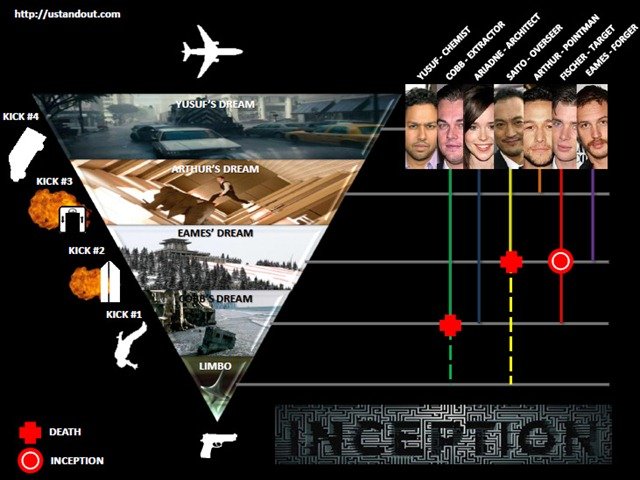
The story revolves around Dom Cobb (Leonardo DiCaprio), a skilled “extractor” who enters people’s dreams to steal secrets from their subconscious. In a near-futuristic world where dream-sharing technology exists via PASIV devices, Cobb’s life unravels after a botched job leaves him accused of murdering his wife, Mal (Marion Cotillard). On the run, he’s offered a chance at redemption by Saito (Ken Watanabe), a powerful businessman. The job? Not extraction, but “inception” – planting an idea so deeply that the target believes it’s their own.
Cobb assembles a dream team: Arthur (Joseph Gordon-Levitt), the point man; Eames (Tom Hardy), the forger; Yusuf (Dileep Rao), the chemist who crafts powerful sedatives for multi-level dreams; and Ariadne (Ellen Page), a brilliant architecture student who designs dream worlds. Their mark is Robert Fischer (Cillian Murphy), heir to a energy empire, whose dying father Fischer Sr. (Pete Postlethwaite) has left him a monopoly Saito wants shattered.
The heist unfolds in escalating dream layers: Level 1 (a rainy city chase), Level 2 (a crumbling hotel with zero-gravity fights), Level 3 (a snowy fortress siege), and the deepest limbo – an unconstructed expanse of raw subconscious. As they navigate “kicks” (jolts to wake up), projections of Fischer’s mind (armed guards), and time dilation (minutes in reality become years in dreams), Cobb confronts his guilt over Mal’s suicide, triggered by a “totem” – her spinning top, which behaves impossibly in dreams.
The inception targets Fischer’s daddy issues, planting the idea to dissolve his empire. Success hinges on emotional resonance, blending catharsis with deception. But as layers collapse, the line between dream and reality blurs, leading to the film’s iconic climax.
Cast and Characters: A Stellar Ensemble
Leonardo DiCaprio shines as Cobb, portraying a tormented anti-hero haunted by loss, blending vulnerability with steely resolve – a performance that rivals his work in Shutter Island. Marion Cotillard is mesmerizing as Mal, both alluring and sinister as Cobb’s projection-fueled phantom. Ellen Page (now Elliot Page) brings fresh energy as Ariadne, the moral compass who uncovers Cobb’s secrets. Joseph Gordon-Levitt’s Arthur delivers balletic zero-gravity action and dry wit, while Tom Hardy’s Eames adds charisma and humor.
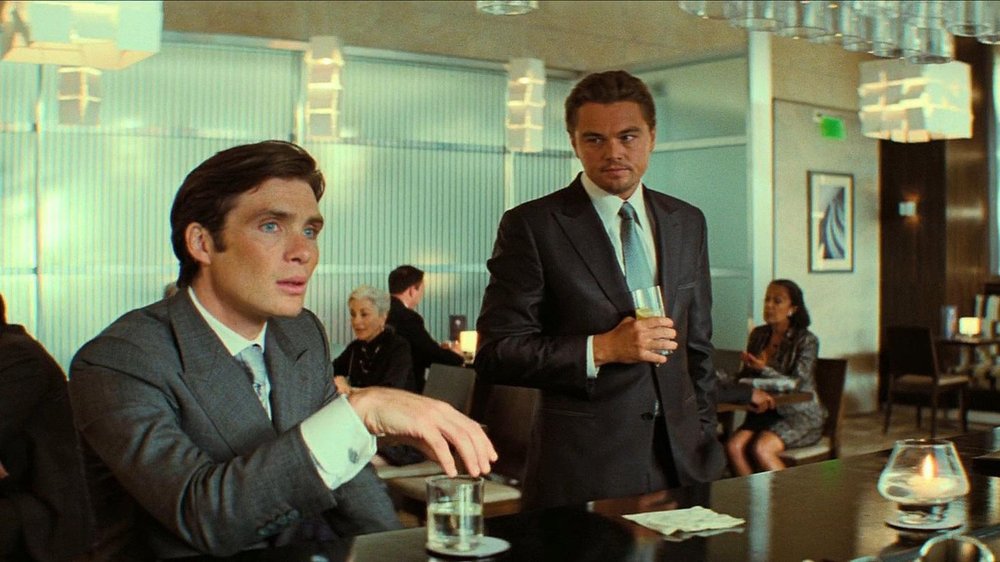
Cillian Murphy’s Fischer evolves from stoic heir to emotionally liberated son, providing the heart. Supporting roles elevate the film: Ken Watanabe’s enigmatic Saito, Dileep Rao’s quirky Yusuf, Tom Berenger as Fischer Sr., and Pete Postlethwaite’s brief but poignant turn. Nolan’s brother, Jonathan Nolan, co-wrote the script, ensuring tight character arcs. The cast’s chemistry fuels the high-stakes tension, making every betrayal and revelation land.
Review: Why Inception Still Captivates 14 Years Later
Inception scores a perfect 10/10 for ambition. Nolan’s direction is a masterclass in cerebral spectacle: Hans Zimmer’s booming score (that infamous “BRAAAM”) amplifies dread, Wally Pfister’s cinematography crafts labyrinthine visuals, and practical effects like the rotating hallway set deliver jaw-dropping immersion. It’s a heist film inverted – instead of vaults, we rob minds; instead of getaway cars, falling elevators.
Pacing is relentless, balancing exposition dumps (explained via Ariadne’s training) with kinetic action. Themes of regret, reality, and free will resonate deeply, especially post-pandemic when questioning “what’s real” feels prescient. Criticisms? Minor exposition heaviness and emotional coldness compared to Nolan’s Interstellar, but these pale against its innovations. Rotten Tomatoes: 87% critics, 91% audience. It’s not just a movie; it’s a Rorschach test for viewers’ intellects.
Inception Ending Explained: The Spinning Top Dilemma
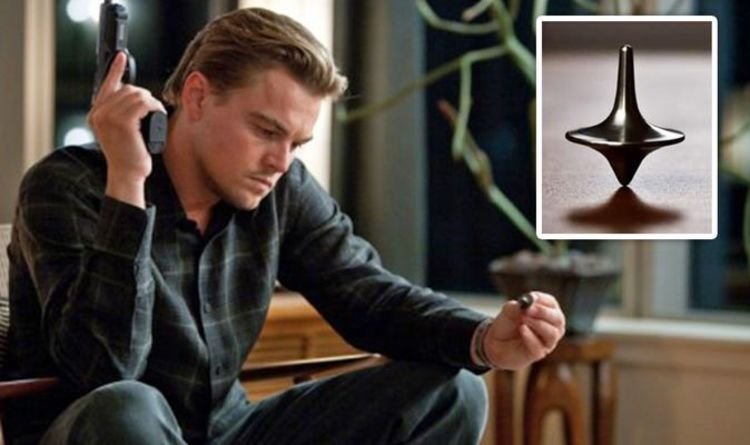
After the limbo rescue, Cobb returns to LAX, cleared of charges thanks to Saito’s influence. He flies home to his children, whom he hasn’t seen in years. Ignoring Arthur’s advice, Cobb spins the top on the table – his totem to distinguish dream from reality. In dreams, it spins perpetually without wobbling; in reality, it topples. As it spins, wobbling ominously, Cobb walks to his kids, embracing them amid laughter. Cut to black – no resolution. The top? Still spinning.
Clues point both ways. Pro-Reality: The children’s clothing and ages match his pre-job memories (unlike earlier dream inconsistencies). Saito honors his promise, calling from a real-world office. The top noticeably wobbles, physics asserting itself. Nolan confirmed in interviews (e.g., Oprah 2010): “I wanted it to be a question… Cobb chooses to leave it.” Elliot Page echoed: “He’s home.”
Pro-Dream: Top doesn’t fall on-screen – classic Nolan ambiguity (Memento, Tenet). Cobb’s wedding ring: He wears it in dreams, not reality (unseen in finale). Limbo’s pull could trap him eternally, Fischer’s inception mirroring Cobb’s delusion about Mal. The beach scene with old Saito screams limbo aging.
Theories abound: Multiverse (dreams as parallel realities)? Cobb’s kids as projections? Nolan’s DVD commentary: “The key is Cobb’s choice – he turns from the totem, embracing faith over certainty.” Hans Zimmer revealed the score’s tempo accelerates in dreams, slowing in reality – the ending track mimics real-world pace.
Deeper Analysis: Themes and Nolan’s Intent
The ending embodies the film’s core: Reality is subjective. Cobb’s limbo with Mal taught him ideas are like viruses, self-sustaining. By ignoring the totem, he rejects empirical proof for emotional truth – parenting over paranoia. Parallels to The Matrix (pills vs. top) and Shutter Island abound, but Nolan subverts: No red pill, just acceptance.
Fan dissections (Reddit, YouTube) highlight frame-by-frame: Cloud movements match dream descents; kids’ backs turn like projections. Yet, Nolan’s wife Emma Thomas produced, noting family inspiration – Cobb’s reunion feels personal.
Legacy and Where to Watch
Inception spawned memes, merchandise, and endless debates, influencing Tenet and Dune. Stream on Max, Netflix (regionally), or buy digitally. Rewatch with totems in mind – your own beliefs will decide.
In conclusion, the spinning top’s fate? Intentionally unresolved, mirroring life’s uncertainties. That’s Nolan’s genius: He plants the inception in you.