
How to Give and Receive Constructive Feedback at Work
Introduction to Constructive Feedback in the Workplace
Feature Video
In today’s fast-paced professional environments, constructive feedback at work is a cornerstone of personal and team growth. Whether you’re a manager leading a team or an individual contributor aiming to excel, mastering the art of giving and receiving feedback can significantly boost productivity, morale, and career progression. Unlike destructive criticism, constructive feedback focuses on specific behaviors, offers actionable insights, and aims for improvement. This comprehensive guide explores how to give and receive constructive feedback effectively, ensuring it fosters a positive workplace culture. By implementing these strategies, you’ll enhance communication, resolve conflicts, and drive better results.
What is Constructive Feedback?
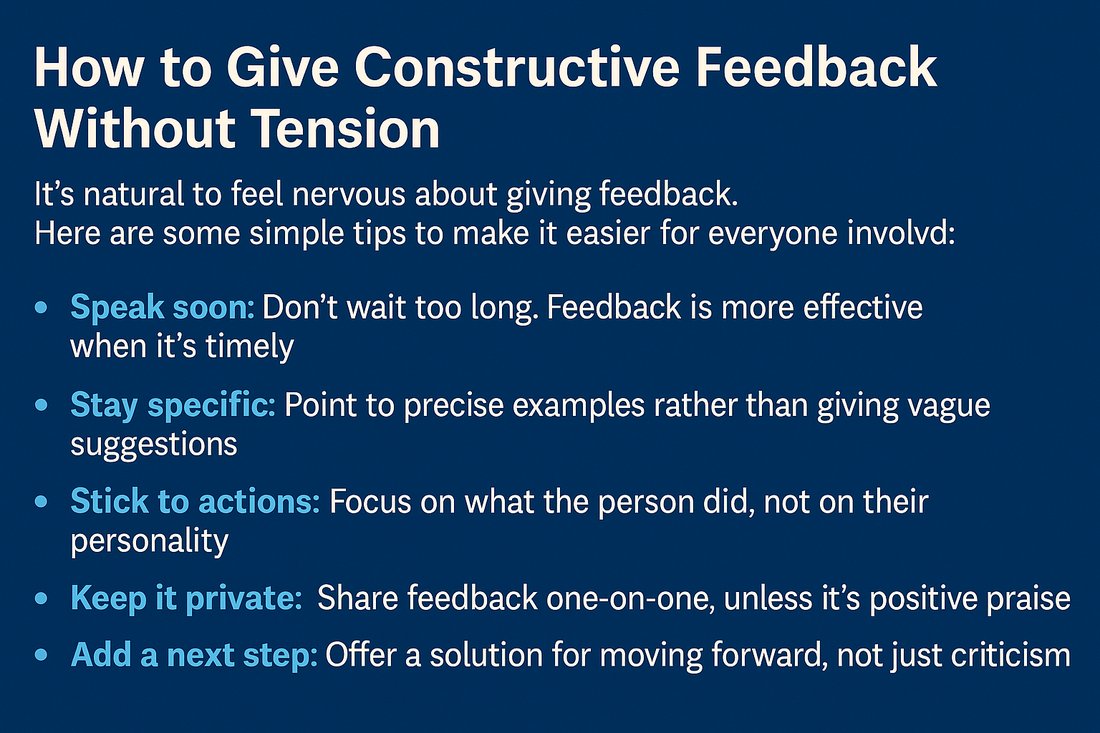
Constructive feedback is specific, timely, and balanced input that highlights strengths while suggesting areas for improvement. It’s not about pointing fingers but about helping others develop. For instance, instead of saying, “You’re always late,” a constructive approach would be, “I’ve noticed meetings start five minutes late when we arrive tardily, which impacts the agenda. How can we adjust to ensure punctuality?” This method uses the SBI model: Situation, Behavior, Impact. Understanding this framework is essential for anyone looking to master giving feedback at work.
Research from Gallup shows that employees who receive meaningful feedback are 14.9% less likely to turnover, underscoring its value. In remote and hybrid settings, where face-to-face interactions are limited, structured feedback becomes even more critical.
The Benefits of Constructive Feedback
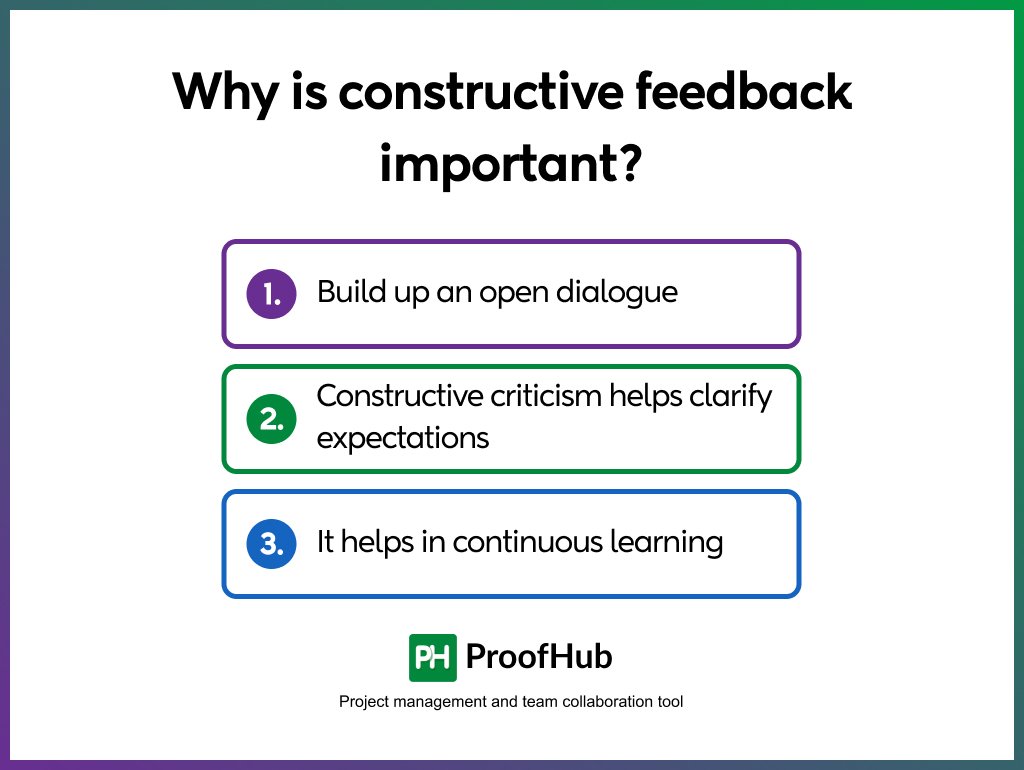
Implementing regular constructive feedback yields numerous advantages. It clarifies expectations, aligns individual goals with organizational objectives, and promotes continuous learning. Teams with open feedback cultures report 21% higher profitability, according to a Harvard Business Review study. For individuals, it accelerates skill development and builds resilience. Managers who excel at receiving feedback demonstrate humility, inspiring trust and loyalty among peers.
Moreover, feedback loops enhance innovation by encouraging diverse perspectives. In high-performing companies like Google, feedback is embedded in performance reviews and daily stand-ups, leading to measurable growth.
How to Give Constructive Feedback Effectively
Giving feedback requires preparation, empathy, and clarity. Follow these proven steps to ensure your input is well-received and impactful.
Prepare Before Delivering Feedback
Timing is everything. Choose a private, low-stress moment, not immediately after a mistake. Reflect on specifics: What exactly happened? What was the impact? Frame it positively. Use tools like feedback sandwiches—start with praise, address the issue, end with encouragement—to soften delivery.
Use the Right Language and Tone
Employ “I” statements to own your perspective: “I felt the report could be more concise” versus “This report is too long.” Be factual, not judgmental. Maintain a calm, supportive tone, focusing on behaviors, not personality. Active listening during the conversation invites dialogue: “What are your thoughts on this?”
Provide Actionable Suggestions
Vague advice like “Do better” is unhelpful. Instead, suggest concrete steps: “Try outlining key points first to streamline the content.” Set follow-up checkpoints to track progress, turning feedback into a collaborative process.
For remote teams, leverage video calls for nuance in tone and use written summaries for clarity.
How to Receive Constructive Feedback Gracefully
Receiving feedback can feel uncomfortable, but viewing it as a gift for growth transforms it into an opportunity. Here’s how to handle it professionally.
Listen Actively Without Defensiveness
Resist the urge to interrupt or argue. Practice active listening: nod, paraphrase back (“So, you’re saying my presentation lacked data visuals?”), and ask clarifying questions. This shows respect and ensures understanding.
Respond with Gratitude and Openness
Start with thanks: “I appreciate you sharing this; it helps me improve.” Avoid excuses; own the feedback. Inquire about specifics: “What one change would make the biggest difference?” This mindset shift from threat to tool empowers you.
Create an Action Plan
Post-feedback, reflect privately. Journal insights, set SMART goals (Specific, Measurable, Achievable, Relevant, Time-bound), and schedule check-ins. Share your plan with the giver to demonstrate commitment, fostering mutual accountability.
Common Mistakes to Avoid When Giving and Receiving Feedback
Pitfalls abound in feedback exchanges. When giving, steer clear of recency bias (focusing only on recent events) or sandwich overload (diluting the message). Don’t generalize with “always” or “never,” as it invites defensiveness.
When receiving, common errors include denial (“That’s not true”) or over-apologizing, which undermines confidence. Both parties should avoid public feedback, which embarrasses and erodes trust. Cultural differences matter too—tailor approaches for diverse teams.
Building a Feedback-Rich Workplace Culture
Organizations thrive when feedback is normalized. Leaders should model vulnerability by seeking input regularly. Implement 360-degree reviews, anonymous surveys, and feedback training workshops. Tools like 15Five or Lattice streamline processes, making feedback routine.
Encourage peer-to-peer exchanges through structured pairings or “feedback Fridays.” Celebrate improvements publicly to reinforce positive behaviors. Over time, this creates psychological safety, where employees feel safe to speak up.
Case Studies: Real-World Success Stories
Consider Pixar’s “Braintrust” meetings, where candid feedback without hierarchy revolutionized storytelling. Similarly, at Bridgewater Associates, “radical transparency” via recorded feedback sessions drives excellence. These examples illustrate how institutionalized feedback propels success.
Conclusion: Elevate Your Career Through Feedback
Mastering how to give and receive constructive feedback at work is a superpower for professional advancement. It builds stronger relationships, sharpens skills, and propels teams forward. Start small: schedule a feedback session this week, practice empathy, and commit to action. As you refine this skill, you’ll notice enhanced performance, deeper connections, and greater job satisfaction. Embrace feedback as your ally—your future self will thank you.
(Word count: 1,248)