
The Ultimate Guide to Kitchen Knife Skills for Home Cooks
Mastering kitchen knife skills is a game-changer for any home cook. Whether you’re prepping a weeknight stir-fry or tackling a gourmet feast, precise knife work elevates your dishes from good to restaurant-quality. This ultimate guide breaks down everything you need to know about kitchen knife skills for home cooks, from selecting the right tools to executing pro-level cuts. With practice, you’ll chop, slice, and dice like a chef, saving time and impressing your guests. Let’s sharpen your skills!
Why Knife Skills Matter for Home Cooks
Feature Video
Good knife skills aren’t just for professional chefs—they’re essential for efficiency, safety, and flavor. Uniform cuts ensure even cooking, so your veggies don’t turn to mush while others stay raw. Precise knife work releases flavors more effectively; think of how thinly sliced garlic infuses a sauce versus chunky pieces. Plus, mastering these techniques reduces food waste by maximizing usable portions.
According to culinary experts, home cooks who invest time in knife practice report up to 30% faster prep times. SEO-optimized searches for “knife skills for beginners” spike because everyone wants that effortless flow in the kitchen. Beyond practicality, it’s therapeutic—chopping mindfully can be a stress-reliever after a long day.
Choosing the Right Knives for Your Kitchen
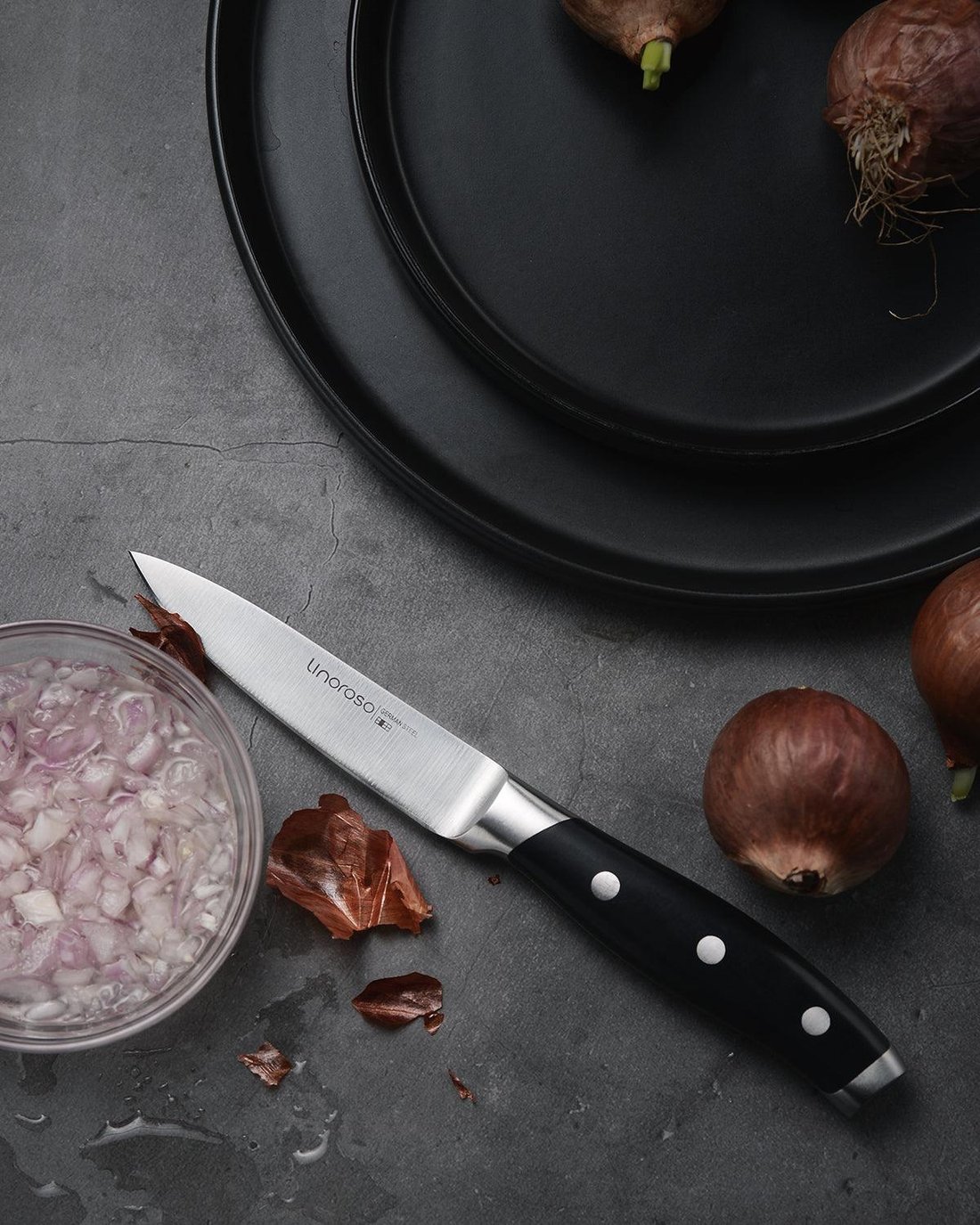
Start with quality tools. The chef’s knife (8-10 inches) is your all-purpose workhorse for chopping veggies, herbs, and meats. A paring knife (3-4 inches) handles peeling and detail work, while a serrated bread knife slices loaves without squishing them.
For home cooks, high-carbon stainless steel blades like those from Wüsthof or Victorinox offer durability and edge retention. Avoid cheap sets that dull quickly. Japanese knives, such as gyuto or santoku, provide razor-sharp edges but require more maintenance. Invest in a honing steel and cutting board—bamboo or end-grain wood prevents blade damage.
Budget tip: A $50-100 chef’s knife outperforms a $200 set of mediocre ones. Look for full tang construction (blade extends into handle) for balance and longevity.
Mastering the Proper Knife Grip and Stance

Grip matters more than strength. Use the “pinch grip”: thumb and index finger pinch the blade’s spine just above the bolster, with middle, ring, and pinky fingers wrapping the handle. This gives control and precision, unlike the “hammer grip” suited only for heavy chopping.
Stance is key for safety. Feet shoulder-width apart, non-dominant hand’s fingers curled into a “claw” position—fingertips tucked under, knuckles guiding the blade. Rock from heel to tip for slices; push-cut for dices. Keep elbows tucked, weight on back foot, and always cut on a stable surface.
Practice this daily: Hold your knife and mimic cuts on air for 5 minutes. Muscle memory builds fast, turning awkward chops into fluid motions.
Essential Basic Knife Skills Every Home Cook Needs
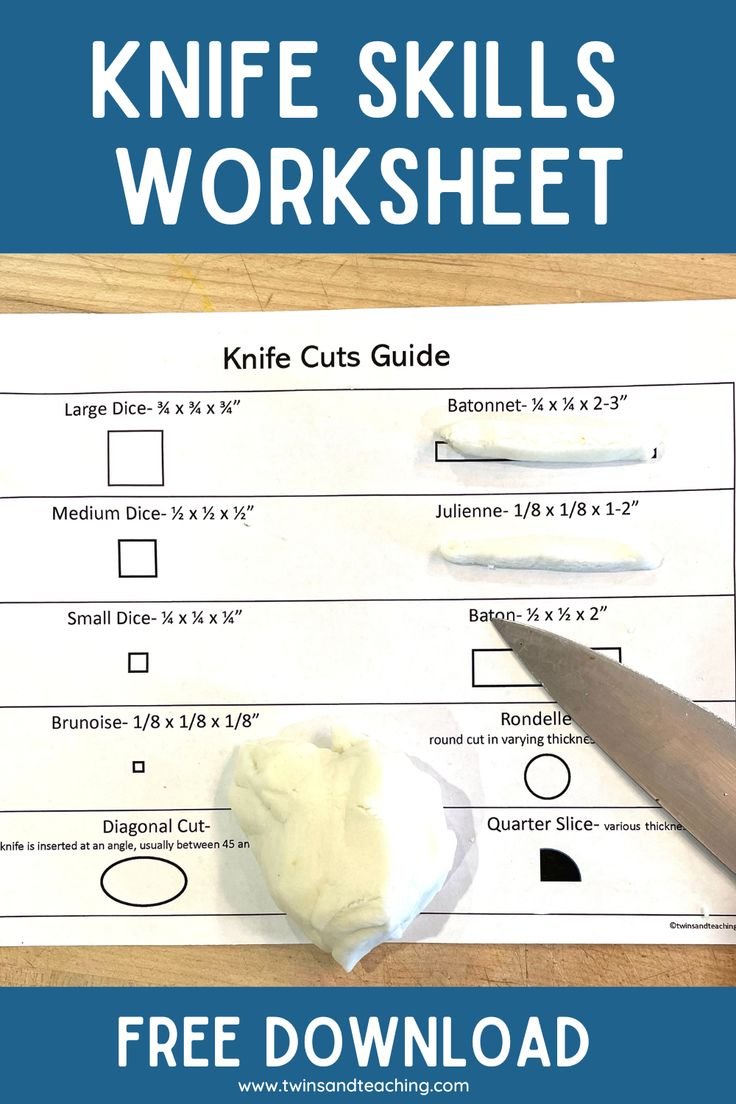
Begin with the basics. Chiffonade rolls herbs like basil into a cigar, slicing thin ribbons—perfect for salads or pasta. Julienne cuts matchstick strips: square off veggies first, then slice lengthwise into 1/8-inch planks, stack and cut into sticks.
Dicing onions? Halve root to tip, score horizontal/vertical lines without piercing the board, then rock the blade to separate cubes. For carrots or potatoes, cut into planks, then dice similarly. Aim for uniformity—1/4-inch for fine, 1/2-inch for hearty stews.
Pro tip: Keep blades sharp; a dull knife slips and causes accidents. Hone before each use, sharpen every 1-3 months.
Advanced Knife Skills to Level Up Your Cooking
Once basics click, tackle brunoise (1/16-inch dice for garnishes), tourné (seven-sided football shapes for potatoes), or concassé (roughly chopped tomatoes, peeled and seeded).
Proteins demand technique too. Butterflying chicken breasts: Lay flat, hold with claw hand, slice horizontally almost through, open like a book. For fish, filleting starts at the head, angling along the spine—practice on mackerel first.
Speed comes with reps. Watch videos from chefs like Jacques Pépin, then slow-motion your practice. In 30 days, you’ll handle a mise en place like a pro.
Kitchen Knife Safety: Prevent Cuts and Mishaps
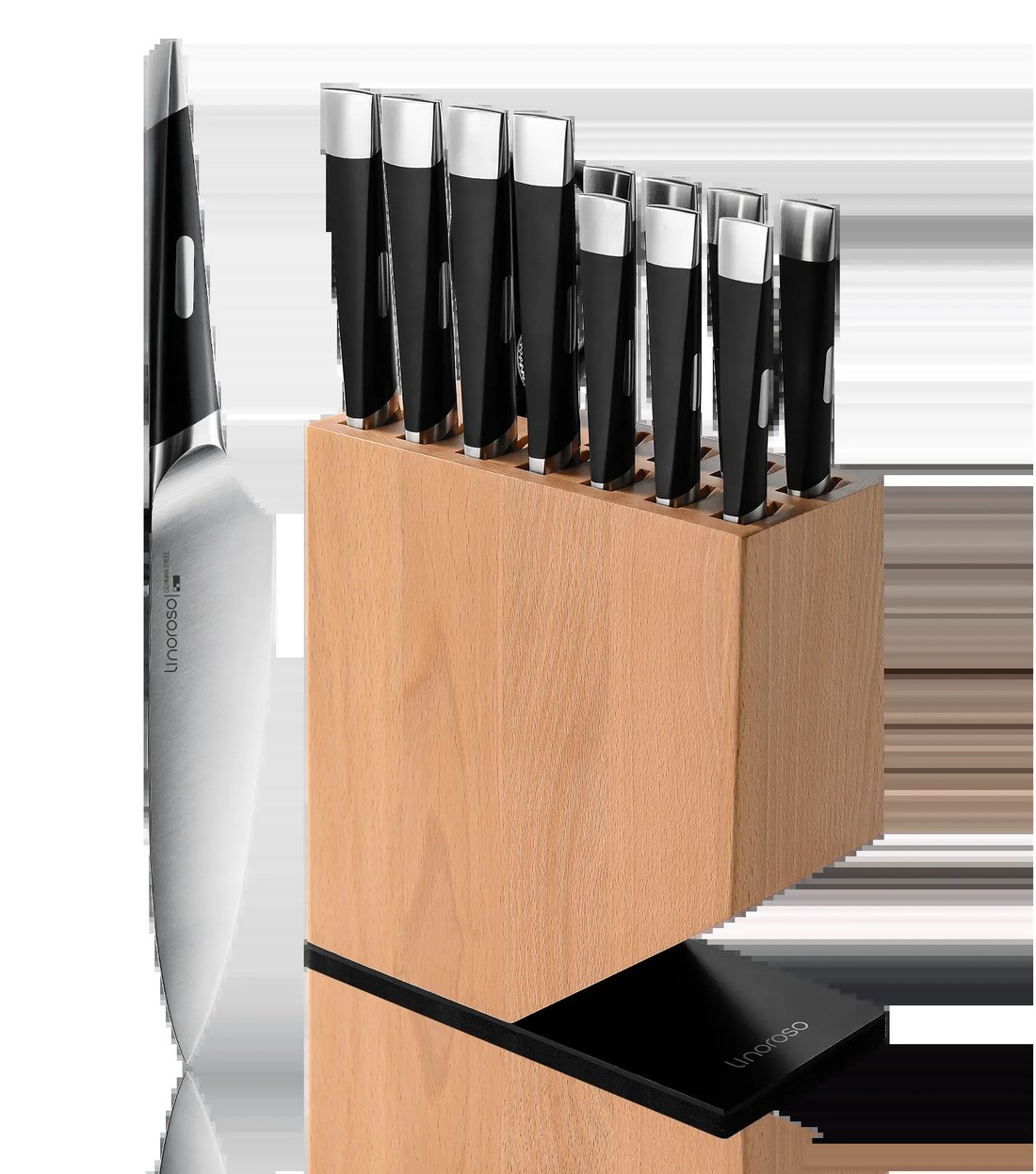
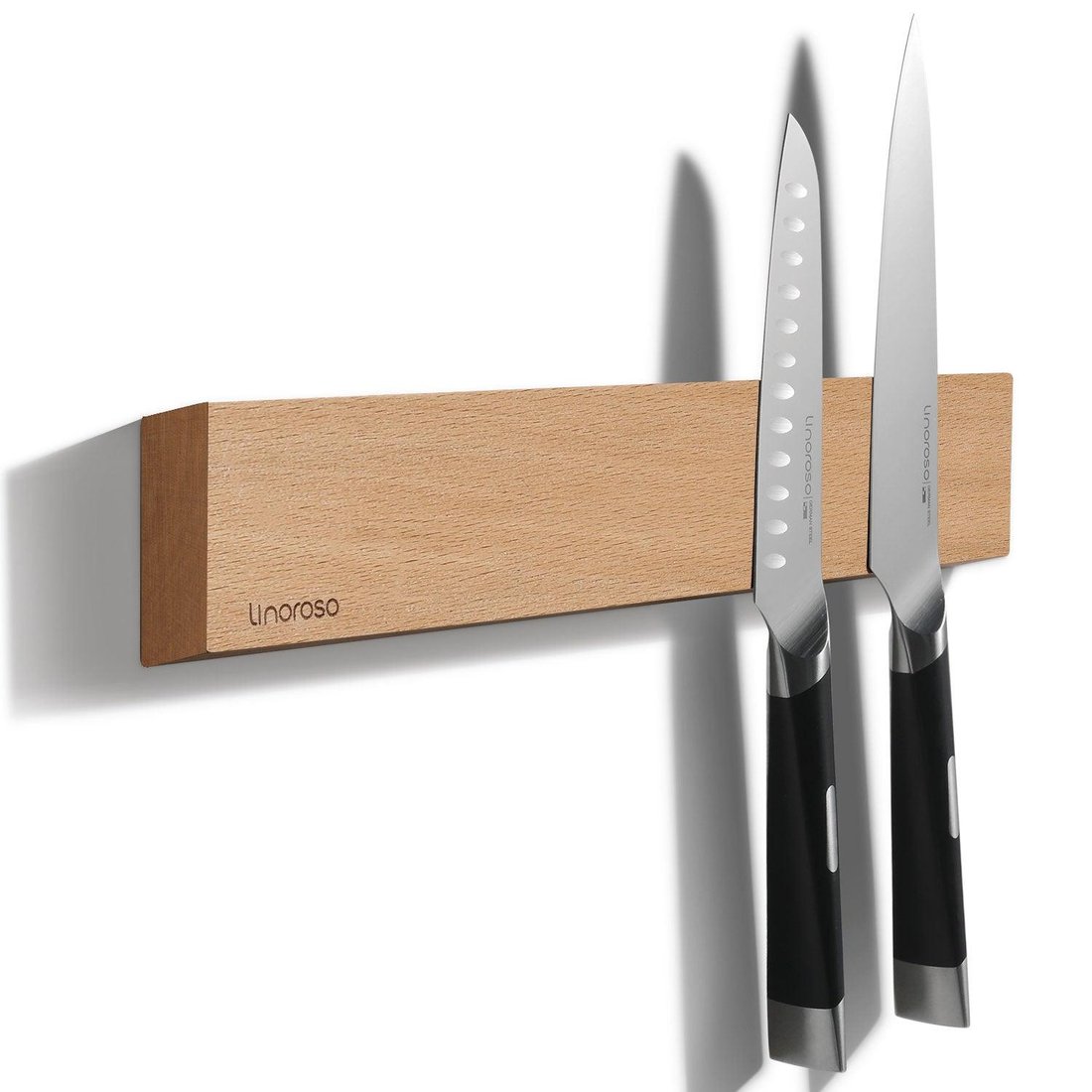
Safety first—knives cause 400,000 ER visits yearly in the US. Always cut away from your body, never catch a falling knife (step back), and store blades in blocks or magnetic strips, not drawers.
Wash by hand with mild soap; dishwasher dulls edges. Use cut-resistant gloves for beginners, but don’t rely on them—proper technique trumps gear. If cut, apply pressure, elevate, and seek medical help for deep wounds.
Child safety: Knives up high, teach supervised from age 8 with small paring knives. Sharp knives are safer than dull ones—counterintuitive but true.
Knife Maintenance and Sharpening for Longevity
Daily honing realigns the edge with a steel rod at 20-degree angles, 10 strokes per side. For sharpening, use whetstones (1000/6000 grit) or electric pull-throughs. Japanese stones build a burr, then refine.
Test sharpness: Slice paper or tomatoes cleanly. Oil carbon steel blades to prevent rust. With care, a good knife lasts decades.
Common mistake: Over-sharpening removes metal. Pro services cost $10-20; DIY saves money long-term.
Practice Drills and Recipes to Hone Your Skills
Drill 1: Dice 5 onions into perfect 1/4-inch cubes—time yourself. Drill 2: Julienne bell peppers and carrots for stir-fry. Drill 3: Chiffonade a basil bunch.
Recipes to practice: Ratatouille demands precise eggplant/zucchini dices. Sushi rolls need julienned veggies. Stir-fries shine with uniform cuts.
Track progress with videos. Join online communities like Reddit’s r/AskCulinary for feedback. Consistency beats intensity—10 minutes daily transforms novices.
Common Mistakes and How to Fix Them
Chopping with tip up? Flatten the blade for control. Uneven cuts? Focus on guiding hand. Bruised herbs? Sharper knife, gentler pressure.
Avoid rocking on hard boards; use soft for veggies, hard for proteins. Invest in multiple boards to prevent cross-contamination.
Conclusion: Sharpen Your Home Cooking Game
Knife skills are the foundation of culinary mastery. From grip to advanced cuts, this guide equips home cooks with pro techniques. Practice safely, maintain your tools, and watch your kitchen confidence soar. Search “kitchen knife skills for home cooks” for more tips, but start chopping today—your meals (and knives) will thank you.
(Word count: 1217)