
Car Maintenance 101: A Checklist to Save You Money
Owning a car comes with its share of expenses, but proactive car maintenance can significantly reduce costs over time. Regular upkeep prevents minor issues from escalating into expensive repairs, extends your vehicle’s lifespan, and keeps it running efficiently. In this comprehensive guide, we’ll break down a car maintenance checklist designed to save you money. Whether you’re a new driver or a seasoned owner, following these tips can help you avoid towing fees, surprise breakdowns, and premature part replacements. Studies from the Car Care Council show that consistent maintenance can save drivers up to $1,200 annually. Let’s dive into the essentials.
1. Oil Changes: The Heartbeat of Your Engine
Feature Video
Oil is the lifeblood of your engine, lubricating moving parts and preventing overheating. Neglecting oil changes leads to sludge buildup, reduced fuel efficiency, and potential engine failure costing thousands. Aim for changes every 3,000 to 7,500 miles, depending on your oil type—synthetic lasts longer. Check your owner’s manual for specifics. DIY oil changes are straightforward: drain old oil, replace the filter, and refill. This simple task can save $50-$100 per service compared to shops. Signs of trouble include a dirty dipstick or dashboard warning lights. Regular oil maintenance improves gas mileage by up to 2-4%, translating to real savings at the pump. Invest in quality oil to maximize engine health and avoid costly rebuilds.
2. Tire Maintenance: Grip on Savings

Tires are your connection to the road, and poor maintenance causes uneven wear, blowouts, or hydroplaning. Rotate tires every 6,000 miles, balance them during alignments, and maintain proper inflation—check monthly with a gauge, targeting 30-35 PSI as recommended. Underinflated tires increase rolling resistance, dropping MPG by 3%. Proper care extends tire life from 40,000 to 60,000+ miles, saving $400-$800 per set. Inspect for tread depth (use the penny test: if Lincoln’s head is visible, replace) and cracks. Alignments prevent pulling and suspension strain. Seasonal swaps for winter/summer tires enhance safety and performance. By staying vigilant, you’ll dodge fines for bald tires and reduce accident risks, protecting your wallet long-term.
3. Brake System Checks: Stopping Power Without the Cost

Brakes are critical safety features, yet often overlooked until squealing or grinding occurs. Inspect pads every 10,000 miles; replace when under 3mm thick to avoid rotor damage. Listen for noises, feel for vibrations, and monitor fluid levels. DIY pad replacements cost $100-$200 versus $400+ at a shop. Flush brake fluid every two years to prevent corrosion. Healthy brakes improve fuel efficiency by reducing stopping distances and engine strain. According to AAA, brake issues cause 25% of repair bills—prevent this with routine checks. Test in a safe area: brakes should engage firmly without pulling. Proactive care ensures reliability and avoids emergency roadside stops.
4. Battery Maintenance: Spark of Reliability
Your battery powers starters, lights, and electronics; a weak one strands you and drains $150-$300 in replacements. Test annually—most last 3-5 years. Clean terminals with baking soda solution to remove corrosion. In extreme climates, use trickle chargers for storage. Modern cars with start-stop tech demand stronger batteries. Check voltage (12.6V engine off, 13.7-14.7V running). Parasitic drains from faulty accessories shorten life. Replacing proactively during tune-ups saves towing fees averaging $100. Opt for AGM batteries for durability. Simple habits like turning off lights prevent premature failure, keeping your car dependable without surprise expenses.
5. Fluid Levels: Keeping Systems Lubricated

Beyond oil, monitor coolant, transmission, power steering, and brake fluids monthly. Low levels cause overheating, slipping gears, or steering issues. Top off with manufacturer-spec fluids—mixing types leads to damage. Coolant prevents $1,000+ engine warps; change every 30,000 miles. Transmission fluid flushes every 60,000 miles avert $3,000 rebuilds. Leaks signal seals needing attention early. Use the dipstick method: engine warm, check color and smell. Clean reservoirs prevent contamination. This 10-minute ritual avoids cascading failures, saving hundreds in repairs. Color-coded caps make it foolproof—pink/red for transmission, green/orange for coolant.
6. Air Filter Replacement: Breathe Easy for Better MPG
A clogged air filter starves the engine of oxygen, dropping efficiency by 10% and increasing emissions. Replace every 12,000-15,000 miles or yearly. Dirty filters force harder work, hiking fuel costs $200+ annually. Cabin filters keep interiors fresh, reducing allergies. DIY swap takes minutes: pop hood, unclip, insert new. Choose high-flow filters for minor performance gains. Visual checks reveal dirt buildup. In dusty areas, inspect quarterly. This overlooked task boosts throttle response and longevity, proving cheap prevention trumps expensive fixes like throttle body cleaning.
7. Belts, Hoses, and Spark Plugs: Prevent Breakdowns

Serpentine belts drive alternators and pumps; cracks mean $500+ if snapped. Inspect for fraying every oil change, replace every 60,000 miles. Hoses carry fluids—soft spots or bulges precede bursts. Squeeze-test regularly. Spark plugs ignite fuel; fouled ones cause misfires, poor economy. Gap and replace per manual (iridium last 100,000 miles). Tools like plug sockets make it accessible. These components fail suddenly, stranding drivers. Early detection via squeals, steam, or rough idling saves big. Bundling during services optimizes costs.
8. Lights, Wipers, and Exterior Checks: Visibility and Protection
Functional headlights, taillights, and signals prevent tickets ($150+) and accidents. Replace burnt bulbs promptly—LED upgrades last longer, save energy. Wiper blades streak after 6-12 months; swap seasonally for clear views. Inspect underbody for rust, especially in salted roads—wash underneath. Clean lenses boost light output 20%. These basics ensure safety compliance, avoiding insurance hikes from violations. Quick weekly wipe-downs preserve paint, deterring $1,000 repaints.
Your Ultimate Car Maintenance Checklist
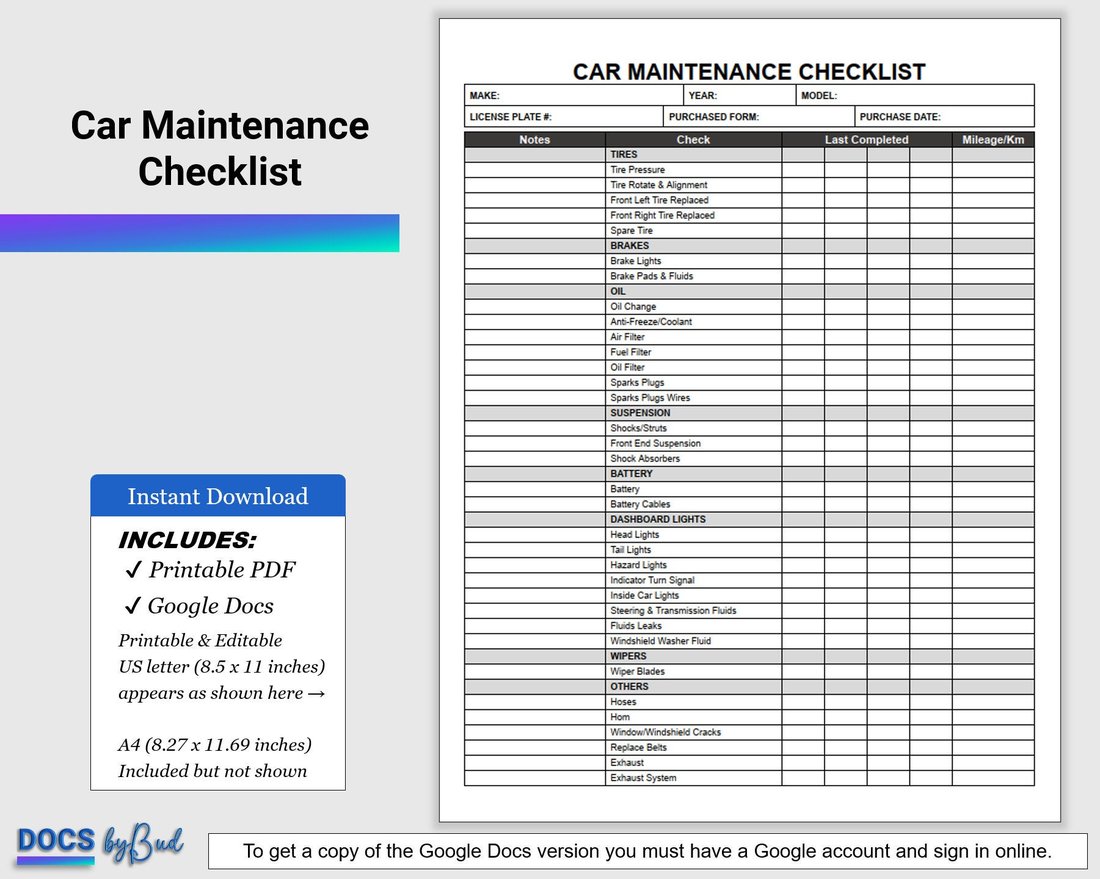
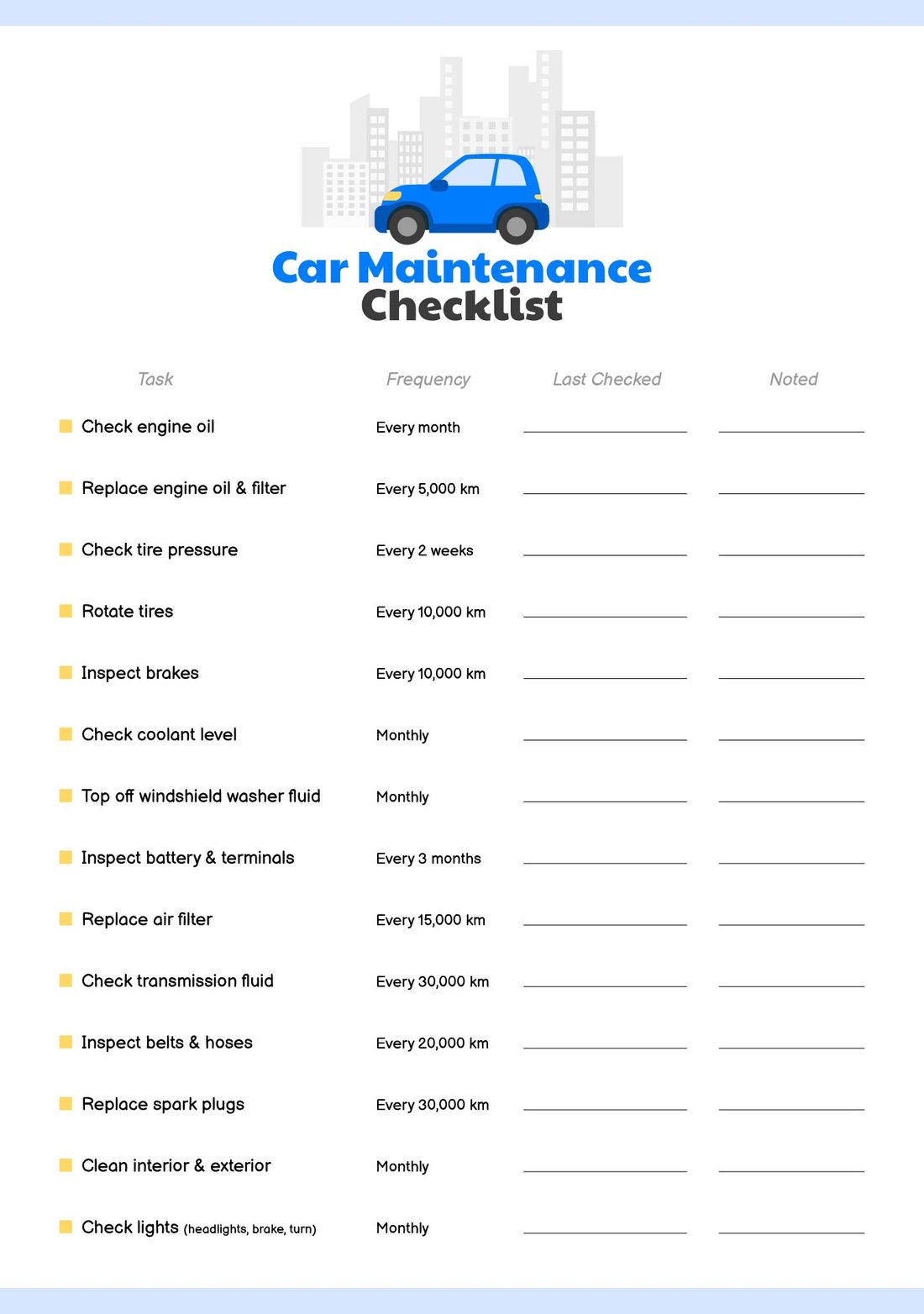
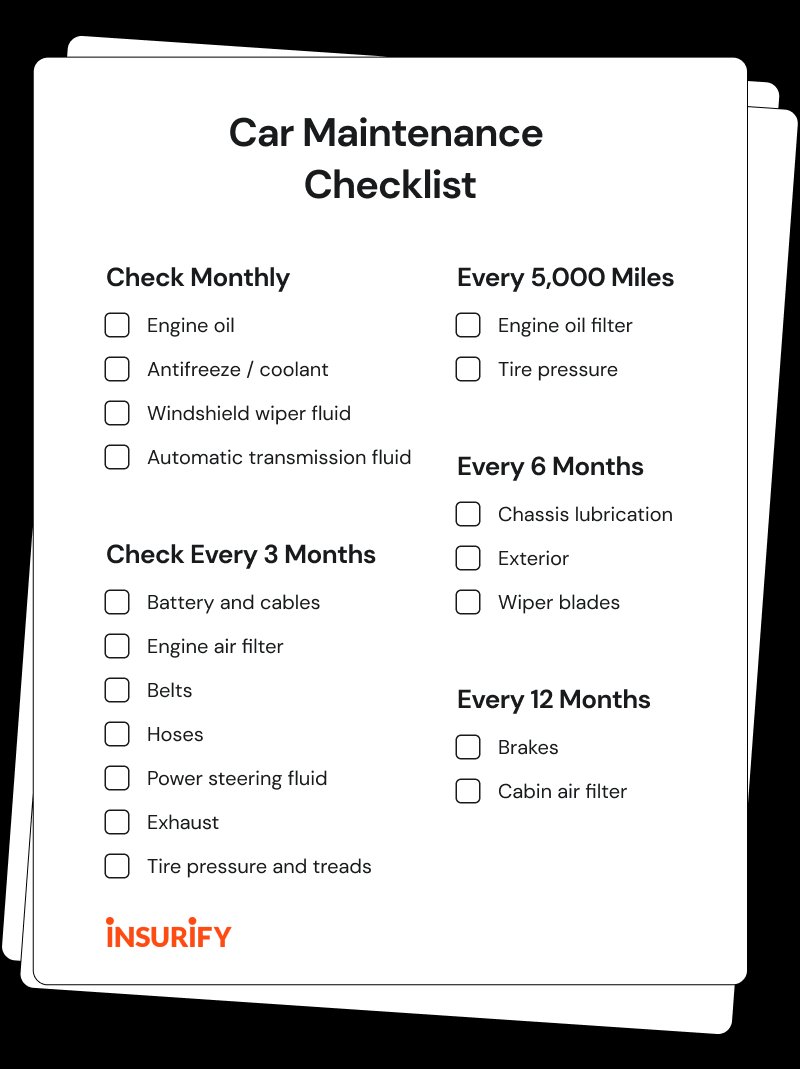
To tie it all together, print this monthly/quarterly checklist:
Monthly: Tires (pressure/tread), fluids, battery terminals, lights/wipers.
Quarterly: Oil level, air filter, belts/hoses visual.
Every 5,000 miles: Oil change, rotate tires.
Annually: Battery test, brake inspection, professional tune-up.
Schedule dealer services for warranties. Apps like Fuelly track mileage. Investing time now yields massive savings—average neglect costs $900/year per CarMD. Stay consistent, and your car will thank you with reliability and lower bills.
In conclusion, mastering car maintenance 101 empowers you financially and safely. This checklist isn’t exhaustive but covers 80% of issues. Consult professionals for diagnostics. With discipline, save thousands, drive confidently, and enjoy the road ahead.