
The Art of Active Listening: A Skill That Will Transform Your Relationships
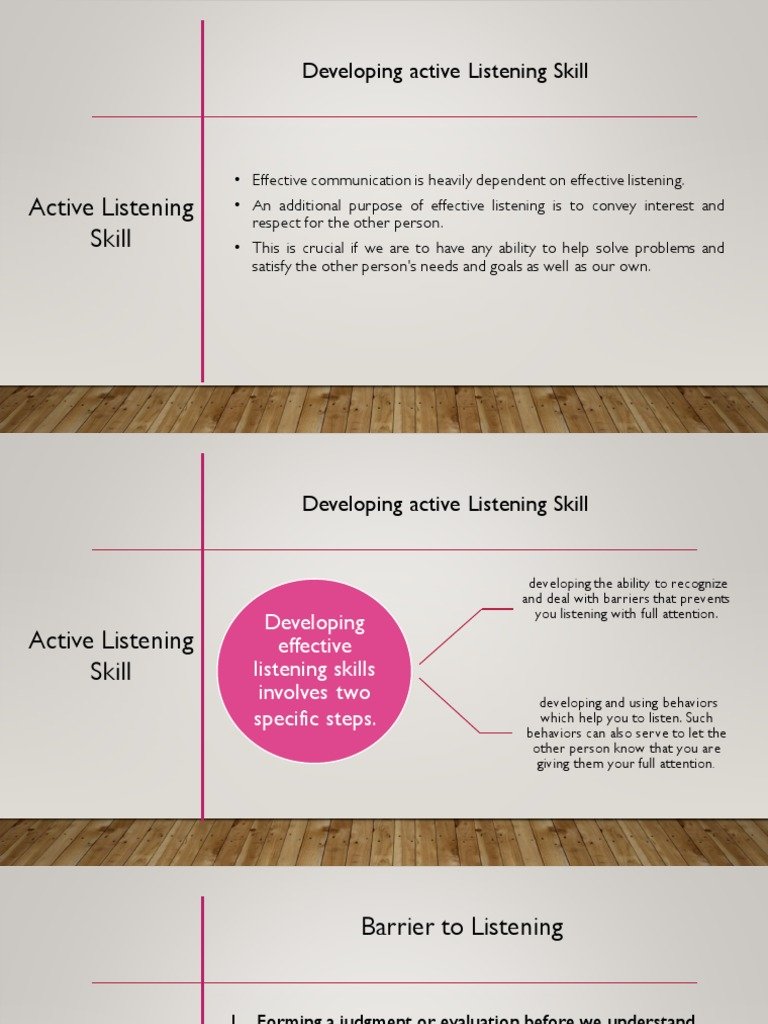
In today’s fast-paced world, where distractions are everywhere and conversations often feel superficial, mastering the art of active listening can be a game-changer. Active listening isn’t just hearing words—it’s a deliberate practice that fosters deeper connections, resolves conflicts more effectively, and strengthens relationships across personal, professional, and familial spheres. If you’ve ever felt misunderstood or longed for more meaningful interactions, this skill holds the key to transformation. In this comprehensive guide, we’ll explore what active listening truly means, its profound benefits for your relationships, practical techniques to implement it, common pitfalls to avoid, and real-world examples that illustrate its power. By the end, you’ll be equipped to elevate your communication and watch your relationships flourish.
What Is Active Listening?
Feature Video
Active listening is more than passive hearing; it’s an engaged process where the listener fully concentrates, understands, responds, and remembers what is being said. Coined by psychologists Carl Rogers and Richard Farson in the 1950s, this technique emphasizes empathy and non-judgmental attention. Unlike casual listening, where the mind wanders or prepares a rebuttal, active listening requires presence.
At its core, active listening involves three key stages: sensing (fully perceiving verbal and nonverbal cues), processing (interpreting without bias), and responding (verbally or nonverbally to confirm understanding). Verbal cues include tone, pace, and word choice, while nonverbal ones encompass body language, facial expressions, and gestures. Research from the Journal of Social and Personal Relationships shows that active listeners build 40% stronger trust bonds than those who merely hear.
Why does this matter for relationships? In romantic partnerships, friendships, or family dynamics, poor listening leads to miscommunications—think arguments escalating because one partner feels dismissed. Active listening transforms these moments into opportunities for intimacy, proving that true connection starts with truly hearing each other.
The Transformative Benefits of Active Listening in Relationships
The advantages of honing active listening extend far beyond surface-level chats. First, it enhances emotional intimacy. When partners feel truly heard, they open up more, creating a safe space for vulnerability. A study by the Gottman Institute, renowned for relationship research, found that couples practicing active listening experience 35% fewer conflicts and higher satisfaction rates.
Professionally, this skill boosts collaboration. In teams, active listeners resolve disputes faster and innovate more effectively, as evidenced by Harvard Business Review reports linking it to leadership success. Personally, it mends familial rifts; parents who actively listen to children foster secure attachments, reducing behavioral issues per child psychology findings.
Moreover, active listening reduces stress. By validating others’ feelings, you lower defensiveness, promoting mutual respect. In friendships, it prevents drift—friends stay connected when they know you’re invested. Ultimately, this skill cultivates resilience, turning potential breakups or fallouts into growth opportunities. Imagine arguments dissolving into understanding; that’s the power of active listening.
Practical Techniques to Master Active Listening
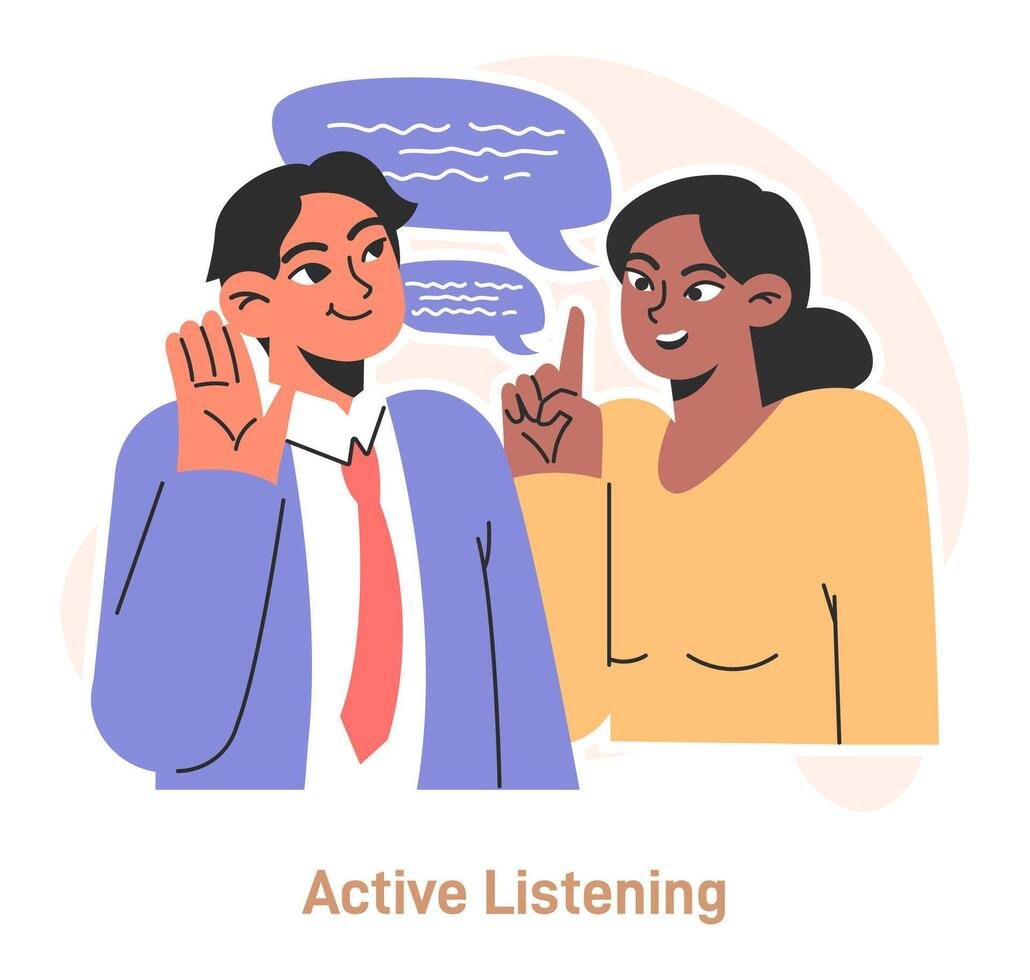
Becoming an active listener requires practice, but simple techniques yield quick results. Start with full presence: eliminate distractions like phones. Maintain eye contact, nod, and use open body language—uncrossed arms signal receptivity.
Next, employ paraphrasing: restate what you heard in your words. For example, if your partner says, “I’m overwhelmed with work,” respond, “It sounds like work is really piling up and stressing you out—is that right?” This confirms accuracy and shows empathy.
Use reflective questions to dig deeper: “How did that make you feel?” or “What do you need from me right now?” Avoid interrupting; instead, practice patience. Nonverbal affirmations like “mm-hmm” keep the speaker flowing.
For advanced practice, try the listening partnership method, where you time sessions: one speaks uninterrupted for five minutes, the other listens silently, then switches. Apps like “Active Listening Trainer” offer guided exercises. Consistency is key—commit to one technique daily, and within weeks, you’ll notice shifts in how others engage with you.
Common Mistakes to Avoid in Active Listening

Even well-intentioned efforts falter without awareness of pitfalls. The biggest? Pretending to listen while multitasking or mentally planning your response. This erodes trust faster than silence.
Judging prematurely is another trap. Phrases like “You shouldn’t feel that way” invalidate emotions. Instead, suspend opinions. Offering unsolicited advice shifts focus from empathy to fixing, frustrating the speaker. Wait for cues like “What should I do?”
Overlooking nonverbal signals leads to misunderstandings— a sigh might convey exhaustion more than words. Cultural differences matter too; direct eye contact can seem confrontational in some contexts. Finally, fatigue-induced lapses: recognize when you’re not at your best and reschedule deep talks. Awareness turns these errors into learning moments, refining your skill.
Real-Life Examples: Active Listening in Action
Consider Sarah and Tom, a couple on the brink of divorce. Tom’s habit of dismissing Sarah’s work complaints with “Just quit” fueled resentment. After a workshop, he switched to active listening: paraphrasing her frustrations and asking reflective questions. Within months, their intimacy reignited, averting separation.
In the workplace, manager Lisa transformed her team. Facing low morale, she held “listening circles” where employees vented uninterrupted. Paraphrasing their concerns led to targeted changes, boosting productivity by 25% and earning loyalty.
Parenting success story: Single mom Elena actively listened to her teen son’s rants about school. Reflecting his anger without judgment de-escalated his rebellion, improving grades and their bond. Celebrities like Oprah Winfrey credit active listening for her empathetic interviews, building her media empire on genuine connections.
These stories underscore a universal truth: active listening bridges divides, whether in therapy (where it’s foundational) or everyday chats. Global leaders like Nelson Mandela used it to unite nations, proving its scalability.
How Active Listening Builds Lasting Change
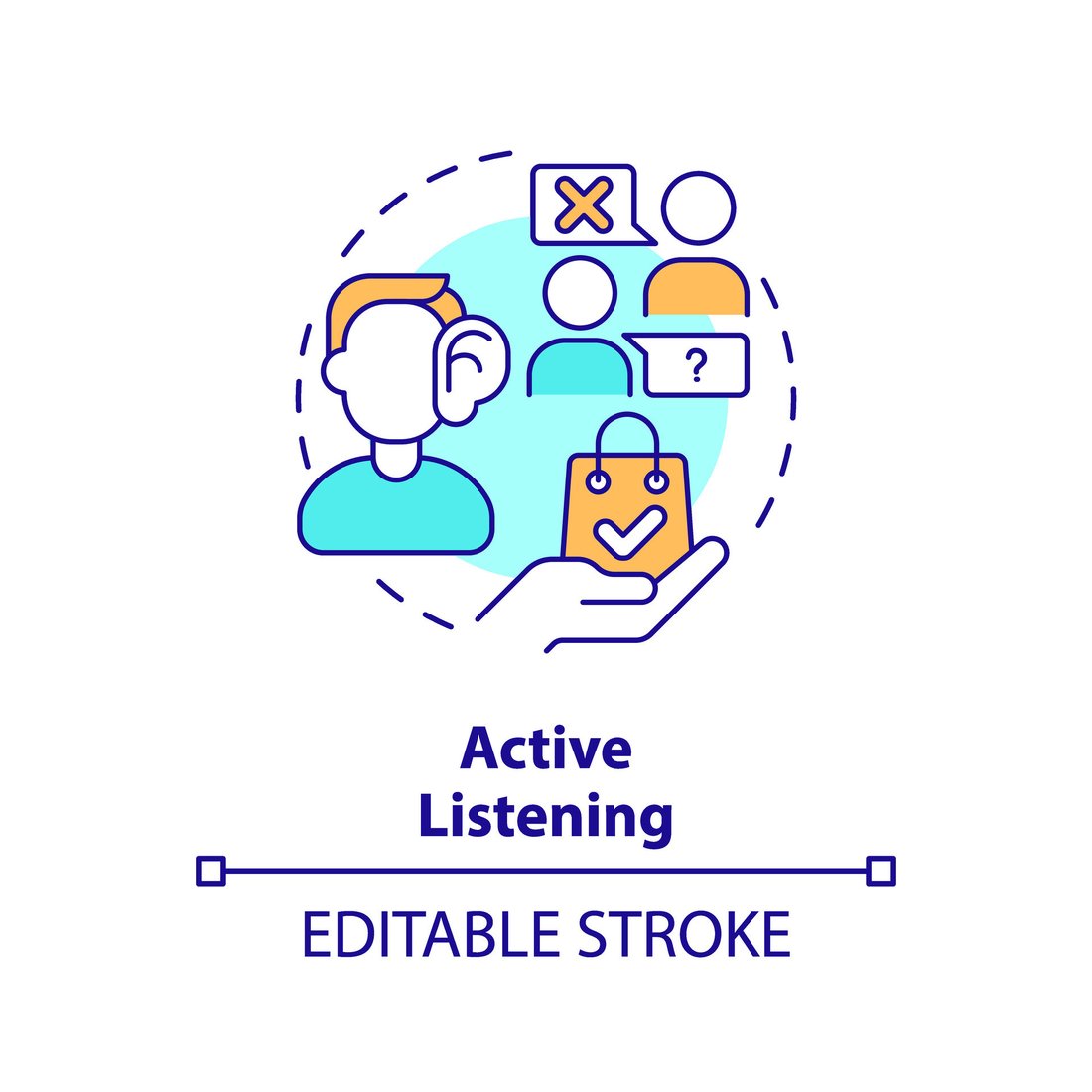
Integrating active listening demands mindset shifts. View conversations as gifts, not obligations. Track progress in a journal: note daily practices and outcomes. Pair it with mindfulness meditation to sharpen focus—studies from UCLA show meditators listen 20% better.
For relationships, introduce it gradually: “I’d like to practice really hearing you today.” Encourage reciprocity. In digital eras, apply it to texts by reading between lines and responding thoughtfully.
Challenges persist—ego resists yielding the floor—but persistence pays. Neuroplasticity ensures your brain rewires for empathy with repetition. Long-term, expect profound shifts: deeper love, stronger friendships, career advances.
Conclusion: Listen Your Way to Better Relationships
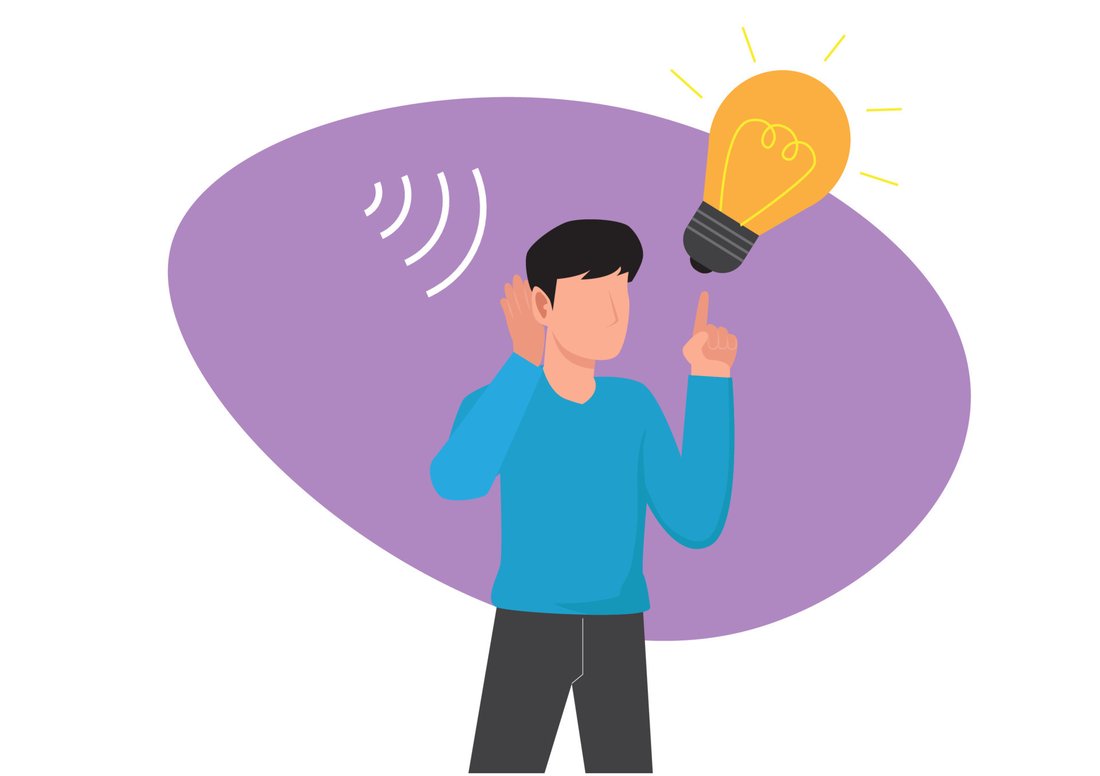
The art of active listening is deceptively simple yet profoundly transformative. By committing to presence, empathy, and response, you unlock doors to authentic connections that withstand life’s storms. Start today: in your next interaction, paraphrase and reflect. Watch misunderstandings fade, trust grow, and relationships thrive. This isn’t just a skill—it’s a superpower for a richer life. Embrace it, and transform your world, one conversation at a time.
(Word count: 1,248)