
Sustainable Living: 25 Small Changes with a Big Impact
Introduction to Sustainable Living
Feature Video
In today’s world, where climate change and environmental degradation are pressing concerns, adopting sustainable living practices has never been more crucial. Sustainable living refers to making choices that reduce your environmental footprint while promoting the health of the planet for future generations. The good news is that you don’t need to overhaul your entire lifestyle overnight. Small, consistent changes can lead to significant impacts when multiplied across millions of people. This article explores 25 small changes you can implement today for sustainable living, categorized for ease. These eco-friendly habits not only help the environment but also save money and improve well-being. From energy conservation to waste reduction, discover how these actionable tips can make a big difference.
Energy-Saving Habits at Home (Changes 1-5)
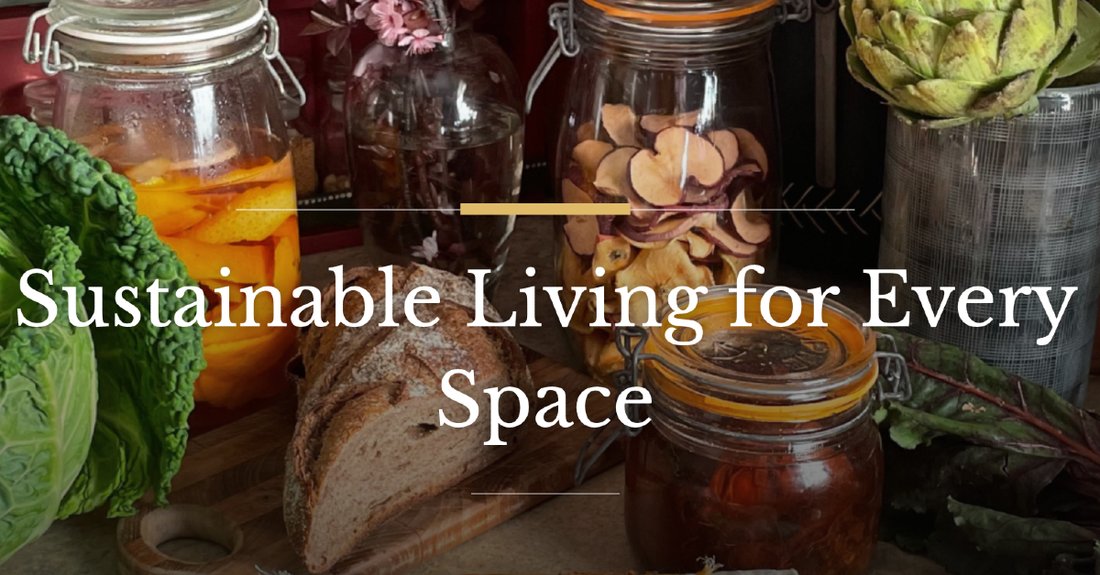
Household energy consumption accounts for about 40% of global carbon emissions, according to the International Energy Agency. Start with these five small changes to cut your energy use dramatically.
- Switch to LED Bulbs: Replacing incandescent bulbs with LEDs can reduce lighting energy use by up to 75%. LEDs last 25 times longer, saving you hundreds on replacements and bills.
- Unplug Idle Electronics: “Vampire energy” from standby devices wastes 10% of household electricity. Use power strips to unplug TVs, chargers, and computers when not in use.
- Adjust Your Thermostat: Lowering it by 1°C in winter or raising it by 1°C in summer saves up to 10% on heating/cooling costs. Smart thermostats automate this for effortless savings.
- Wash Clothes in Cold Water: Heating water for laundry uses 90% of a washer’s energy. Switching to cold cycles cleans just as effectively while slashing energy by 90%.
- Air-Dry Laundry: Skip the dryer; hang clothes outside or use a rack. This eliminates 6% of household energy use and adds fresh scent to your clothes.
Implementing these energy-saving habits at home can reduce your carbon footprint by 20-30% annually, proving sustainable living starts in your living room.
Water Conservation Tips (Changes 6-10)
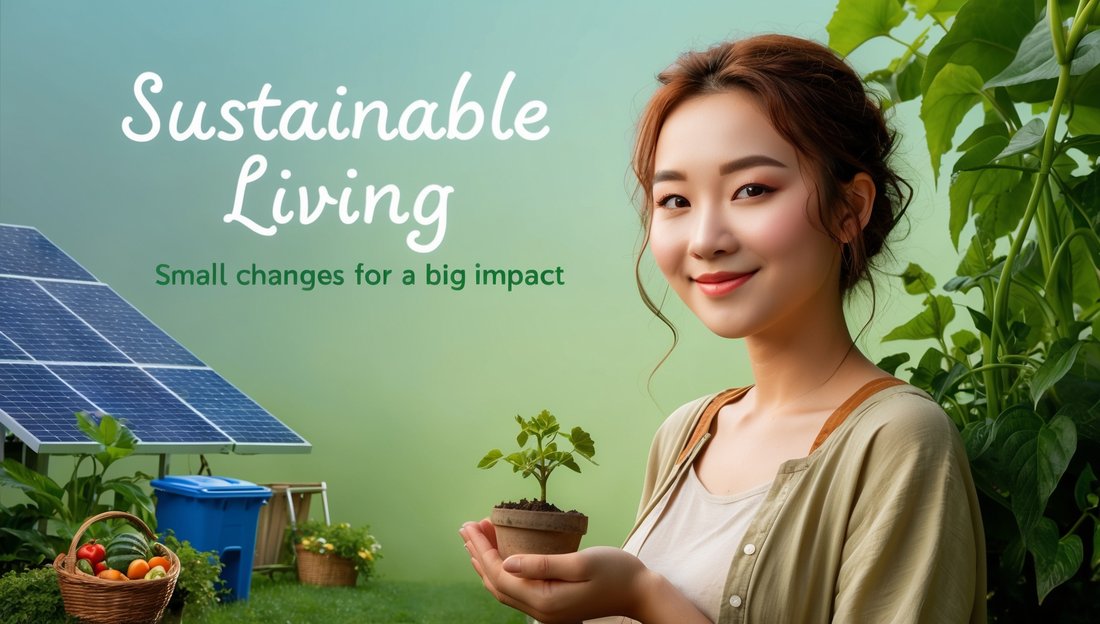
Water scarcity affects over 2 billion people worldwide. These five simple tweaks ensure you’re using water wisely, preserving this vital resource.
- Take Shorter Showers: Cut showers from 10 to 5 minutes to save 25 gallons per shower. Install low-flow showerheads for even more efficiency.
- Fix Leaky Faucets: A dripping faucet wastes 3,000 gallons yearly. Tighten or replace washers—it’s a quick fix with massive returns.
- Use a Dual-Flush Toilet: Or place a brick in the tank to reduce water per flush by half, saving thousands of gallons annually.
- Collect Rainwater: Use barrels to harvest roof runoff for gardening. This reduces municipal water use by up to 1,300 gallons per year per household.
- Run Full Loads Only: Wait to fill dishwashers and washers. This simple habit conserves water without sacrificing cleanliness.
Water conservation is a cornerstone of sustainable living. These changes not only lower utility bills but also protect ecosystems dependent on freshwater.
Waste Reduction Strategies (Changes 11-15)
Global waste generation is expected to rise 70% by 2050. Combat this with these waste-minimizing actions that promote a zero-waste lifestyle.
- Compost Kitchen Scraps: Turn peels and cores into nutrient-rich soil. Home composting diverts 30% of household waste from landfills.
- Recycle Properly: Sort plastics, paper, and metals correctly. Educate yourself on local guidelines to maximize recycling impact.
- Switch to Reusable Bags: Ditch single-use plastics; cloth totes last years and prevent 500 bags per person annually entering oceans.
- Use Reusable Water Bottles: Avoid bottled water; stainless steel bottles reduce plastic waste by 167 bottles per person yearly.
- Opt for Digital Receipts: Say no to paper slips. Apps track purchases paper-free, cutting retail waste significantly.
These waste reduction strategies embody the reduce, reuse, recycle mantra, fostering sustainable living that keeps landfills smaller and oceans cleaner.
Sustainable Eating and Shopping Habits (Changes 16-20)

Food production contributes 26% of global emissions. Shift to mindful consumption with these five changes for an eco-friendly diet and wardrobe.
- Reduce Meat Consumption: Go meatless one day a week (Meatless Monday). This cuts emissions equivalent to 1,000 miles driven per year.
- Buy Local and Seasonal Produce: Shop farmers’ markets to lower transport emissions and support community economies.
- Choose Eco-Friendly Cleaning Products: Natural alternatives like vinegar and baking soda are effective and biodegradable.
- Shop Second-Hand: Thrift stores offer quality clothes at a fraction of the cost, reducing fast fashion’s environmental toll.
- Buy in Bulk: Minimize packaging waste and save money by purchasing staples without individual wrappers.
Sustainable eating and shopping transform daily routines into powerful acts of environmental stewardship, aligning consumption with planetary health.
Transportation and Community Actions (Changes 21-25)

Transportation emits 29% of U.S. greenhouse gases. Extend your impact outdoors with these final five changes.
- Walk or Bike Short Trips: Replace car use for distances under 2 miles to burn calories and cut emissions.
- Use Public Transport: One weekly bus ride instead of driving saves 500 pounds of CO2 yearly.
- Plant Native Plants: Create a garden that supports pollinators and sequesters carbon without extra water.
- Support Sustainable Brands: Vote with your wallet for companies prioritizing ethics and environment.
- Track Your Carbon Footprint: Apps like Joule or MyClimate help monitor and motivate ongoing improvements.
These transportation and community actions amplify individual efforts through collective change, essential for global sustainable living.
Conclusion: Embrace Sustainable Living Today

Adopting these 25 small changes for sustainable living yields compounding benefits: reduced emissions, lower costs (up to $1,000/year savings), and a healthier planet. Start with 5 today, add more weekly, and inspire your network. Sustainable living isn’t about perfection but progress. Tools like carbon calculators track your impact, while communities on platforms like Reddit’s r/ZeroWaste offer support. By making these eco-friendly swaps, you’re contributing to a greener future—one small change at a time. Share your journey and help build momentum for worldwide change.
(Word count: 1,248)