
How to Read Faster While Improving Comprehension: Proven Techniques and Tips
Introduction to Speed Reading with Comprehension
Feature Video
In today’s fast-paced world, the ability to read faster while maintaining or even improving comprehension is a superpower. Whether you’re a student cramming for exams, a professional sifting through reports, or an avid reader with a towering TBR pile, mastering speed reading can transform how you consume information. Traditional reading speeds average 200-300 words per minute (WPM), but with practice, you can double or triple that without sacrificing understanding. This article explores proven techniques to help you read faster while boosting retention, backed by cognitive science and expert recommendations.
Speed reading isn’t about skimming superficially; it’s a skill that combines eye training, cognitive strategies, and habits to process text efficiently. Studies from the University of California show that trained speed readers can achieve 400-700 WPM with 75-90% comprehension. The key? Eliminating inefficiencies like regressions (re-reading lines) and subvocalization (silent pronunciation of words). By the end of this guide, you’ll have actionable steps to implement today. Let’s dive into how to read faster while improving comprehension.
Eliminate Subvocalization for Faster Processing
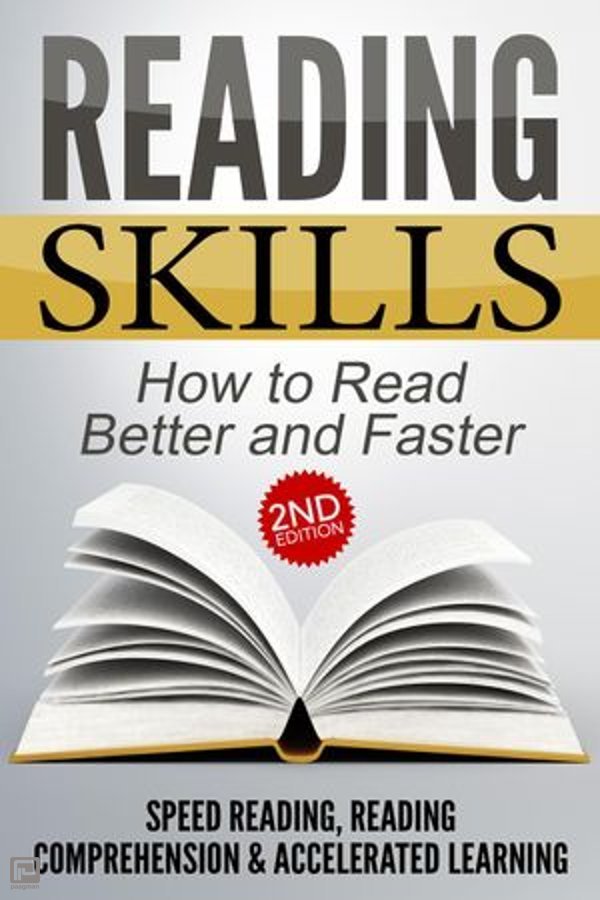
Subvocalization is the inner voice that “reads” each word aloud in your mind, capping your speed at speaking pace (around 120-150 WPM). To read faster, train yourself to silence it. Start by consciously focusing on visual word recognition rather than phonetic processing. One effective method is the “whisper challenge”: read passages while humming or chewing gum to disrupt the inner voice.
Practice with simple texts first, like news articles. Time yourself reading a 200-word paragraph normally, then without subvocalizing—aim for 20% faster each session. Apps like Spreeder flash words at increasing speeds, forcing your brain to bypass pronunciation. Research from psychologist Keith Rayner indicates that reducing subvocalization can boost speed by 50% without comprehension loss, as your brain relies on context prediction. Combine this with meta-guiding (thinking ahead to sentence meaning) to enhance understanding. Over weeks, this habit will make reading feel effortless and fluid.
Use a Pointer or Guide to Maintain Focus
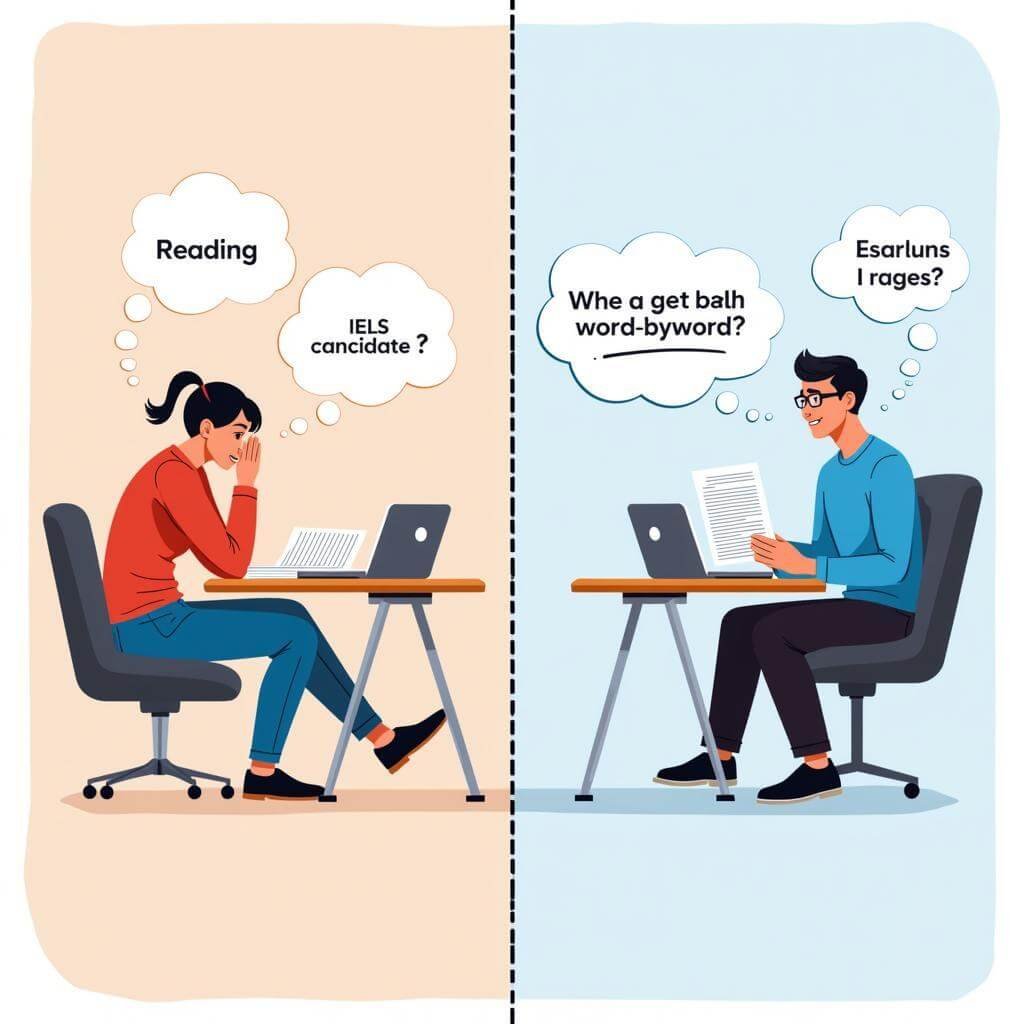
Your eyes naturally make saccades (jumps) and fixations (pauses) while reading, often leading to regressions that slow you down by 30%. A pointer—your finger, pen, or cursor—acts as a pacer, guiding your eyes smoothly across lines. Place it below the text and move steadily rightward, forcing forward momentum.
For digital reading, use a mouse or stylus to underline sentences. This technique, popularized by speed reading pioneer Evelyn Wood, reduces fixation time from 250 milliseconds to 200, increasing WPM significantly. To improve comprehension, pause the pointer at key phrases for 1-2 seconds. Practice on varied materials: fiction for flow, non-fiction for concepts. Users report 1.5x speed gains in the first month. Pro tip: Adjust pointer speed gradually—start at your current pace, then accelerate by 10% weekly.
Master Chunking and Expand Peripheral Vision
Most people read word-by-word, but experts chunk 3-5 words per fixation. Train peripheral vision to capture phrases holistically. Begin with the “Z-pattern”: scan pages in a Z-shape, focusing center while absorbing edges. Exercises like the Schultze tables (grids of letters) widen your visual span from 1-2 words to 5+.
Online tools like AccelaReader display expanding chunks at customizable speeds. Cognitive studies from NASA on pilot training confirm chunking enhances both speed (up to 1000 WPM) and comprehension by leveraging foveal and parafoveal vision. Practice daily: Read columns in newspapers, grouping nouns-verbs-adjectives. For comprehension, visualize chunks as mental images. This method is ideal for technical reading, where context clues predict content, reducing cognitive load and improving recall by 20-30%.
Preview and Skim Strategically Before Deep Reading
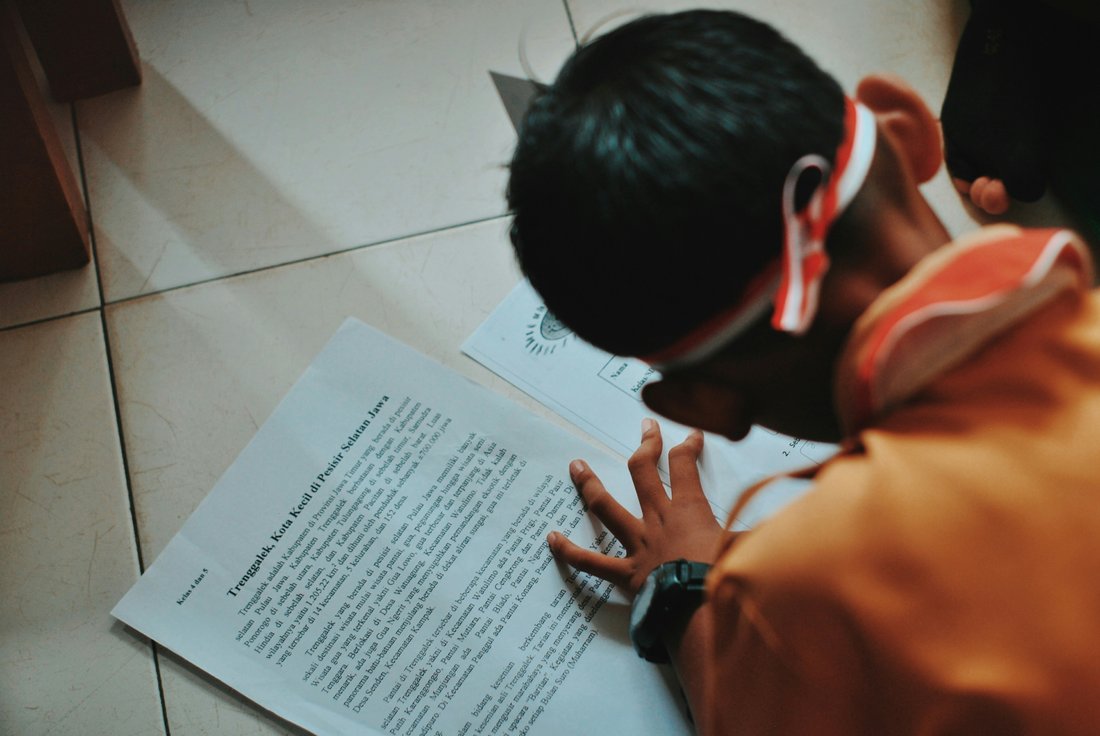
Previewing builds a mental map, priming comprehension. Spend 1-2 minutes scanning titles, headings, subheads, bold text, summaries, and images. Ask: What’s the main idea? Key arguments? This SQ3R method (Survey, Question, Read, Recite, Review) from Francis Robinson boosts retention by 50%.
For speed, skim first paragraphs and conclusions for gist, then dive in. This frontloads effort, allowing faster main reading. In non-fiction, note chapter structures; in novels, preview character lists. Track progress with before/after quizzes. SEO tip for researchers: Preview abstracts first. Consistent previewing cuts reading time by 25% while lifting comprehension scores, per educational psychology research.
Active Reading Techniques to Boost Comprehension
Speed without understanding is worthless. Active reading engages your brain: Highlight sparingly (10% of text), annotate margins with questions (“Why?” “How?”), and summarize paragraphs in your words post-read. The Feynman Technique—explain concepts simply—solidifies grasp.
Pose questions before reading: What do I expect? Predict outcomes to heighten focus. Use mind maps for visual synthesis. Studies from the Journal of Reading show active readers retain 80% vs. 20% for passives. Pair with speed: Chunk, then question. For fiction, track plot twists actively. This dual approach ensures faster reading enhances, not hinders, deep understanding.
Build Vocabulary and Background Knowledge

A robust vocabulary accelerates recognition; unfamiliar words trigger slowdowns. Daily word-a-day apps like Vocabulary.com build it passively. Background knowledge via podcasts or summaries activates schemas, speeding inference.
Read diversely: Newspapers for breadth, blogs for depth. Flashcard apps (Anki) space repetition for retention. Experts note 20% vocab growth doubles speed indirectly. Comprehension soars as predictions align faster.
Practice Regularly with Timed Sessions and Tracking

Deliberate practice is key. Use a metronome or apps for 20-minute sessions: Baseline test, technique drills, comprehension quiz (retell 80% accurately). Track WPM and scores in a journal.
7 Day challenge: Day 1 baseline, Days 2-6 techniques, Day 7 test. Gradually increase difficulty. Speed reading courses like Iris Reading report 3x gains in 10 hours. Rest eyes with 20-20-20 rule. Consistency trumps intensity—15 minutes daily yields results.
Recommended Tools and Apps for Speed Reading
Leverage tech: Spreeder (word flashing), 7 Speed Reading (courses), Blinkist (summaries), Readwise (spaced repetition). Free: SwiftRead browser extension. Track with RescueTime. These gamify practice, providing analytics for optimization.
Debunking Common Speed Reading Myths
Myth 1: You lose comprehension—false, with proper techniques. Myth 2: 25,000 WPM possible—no, realistic max is 1000-2000 with training. Myth 3: Only for non-fiction—works for all. Focus on sustainable gains.
Conclusion: Start Your Speed Reading Journey Today
Reading faster while improving comprehension demands practice, but rewards are immense: More knowledge, less time wasted. Implement one technique weekly, track progress, and watch transformation. Share your WPM gains in comments—what’s your goal? Unlock your potential now.
(Word count: 1218)