
Content Marketing vs. SEO: A Comprehensive Breakdown for Business Owners
In today’s digital landscape, business owners are constantly seeking effective ways to attract, engage, and convert customers online. Two powerhouse strategies that often come up in discussions are content marketing and SEO (Search Engine Optimization). While both aim to boost visibility and drive traffic, they differ significantly in approach, execution, and outcomes. This comprehensive breakdown explores content marketing vs. SEO, helping business owners understand their unique strengths, how they complement each other, and how to leverage them for maximum ROI.
Whether you’re a small business owner managing a local shop or leading a growing e-commerce brand, grasping the nuances of these strategies is crucial. Content marketing focuses on creating valuable content to build trust and authority, while SEO optimizes that content (and more) to rank higher on search engines like Google. By the end of this article, you’ll have a clear roadmap to integrate both into your marketing arsenal.
What is Content Marketing?
Feature Video
Content marketing is the art of creating and distributing relevant, valuable content to attract a clearly defined audience. Unlike traditional advertising, it doesn’t hard-sell; instead, it educates, entertains, or solves problems to foster long-term relationships. For business owners, this means producing blog posts, videos, infographics, podcasts, ebooks, and social media content tailored to your audience’s pain points.
The goal? Position your brand as an industry expert. According to the Content Marketing Institute, companies with robust content marketing strategies see 3x more leads than those without. It’s about the buyer’s journey: awareness (top-of-funnel content like how-to guides), consideration (case studies), and decision (product comparisons). Tools like HubSpot or WordPress make it accessible, but success hinges on consistency and audience understanding.
Business owners often start with a content calendar, keyword research for topics, and promotion via email newsletters or social channels. Metrics to track include engagement rates, shares, and lead generation. In essence, content marketing builds a loyal community that trusts your brand enough to buy repeatedly.
What is SEO?

Search Engine Optimization (SEO) is the practice of improving your website’s visibility on search engine results pages (SERPs) to drive organic traffic. It’s technical yet creative, involving on-page (content optimization), off-page (backlinks), and technical SEO (site speed, mobile-friendliness).
For business owners, SEO means researching keywords like “best CRM for small businesses” using tools like Ahrefs or SEMrush, then optimizing pages accordingly. Google’s algorithm favors E-E-A-T (Experience, Expertise, Authoritativeness, Trustworthiness), so high-quality, relevant content is king—but paired with technical tweaks.
SEO delivers long-term, cost-effective traffic. A study by BrightEdge shows organic search drives 53% of all website traffic. It requires patience: rankings can take 3-6 months. Local SEO (Google My Business) is vital for brick-and-mortar businesses, while e-commerce thrives on product page optimizations and schema markup.
Key Differences Between Content Marketing and SEO

The core distinction in content marketing vs. SEO lies in intent and tactics. Content marketing prioritizes storytelling and value creation across channels, regardless of search engines. It’s broader, encompassing owned media like blogs and YouTube, with immediate distribution via social or email.
SEO, conversely, is laser-focused on search intent. It optimizes for algorithms, targeting specific queries to capture “zero-click” or high-intent traffic. Content marketing measures success by conversions and loyalty; SEO by rankings, click-through rates (CTR), and organic sessions.
Timeline differs too: content can yield quick wins through promotion, while SEO builds gradually. Budget-wise, content demands creative resources (writers, designers), SEO needs tools and expertise (often agencies). Content marketing is proactive; SEO reactive to user searches. Business owners mustn’t view them as rivals—many pitfalls arise from siloed approaches.
The Similarities: Where Content Marketing and SEO Overlap
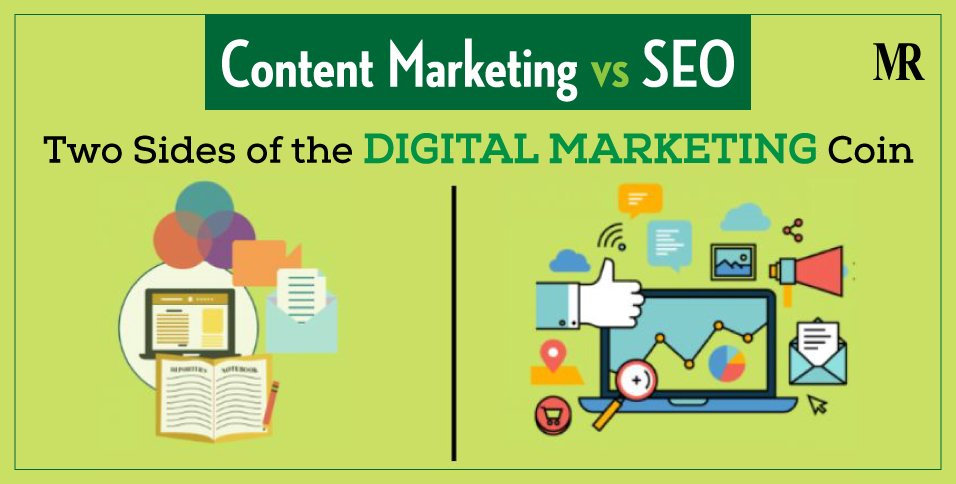
Despite differences, content marketing and SEO are symbiotic. Both rely on high-quality, keyword-rich content. A blog post without SEO is like a billboard in a desert; SEO without compelling content fails to retain visitors.
Keyword research bridges them: tools identify topics for content that also rank well. User intent aligns both—content answers questions searchers ask. Long-form content (2,000+ words) excels in both, boosting dwell time (SEO signal) and shares (content metric).
For business owners, integrated strategies amplify results. Google’s Helpful Content Update rewards topical authority, blending both worlds.
Pros and Cons of Each Strategy

Content Marketing Pros: Builds brand loyalty, higher conversion rates (6x per Demand Metric), versatile formats. Cons: Time-intensive, harder to measure ROI short-term, content fatigue risk.
SEO Pros: Free ongoing traffic, high credibility (top results trusted), scalable. Cons: Algorithm changes, competitive, slow results.
Business owners should weigh these: startups favor quick-win content; established firms invest in SEO for sustainability.
How Content Marketing and SEO Work Together
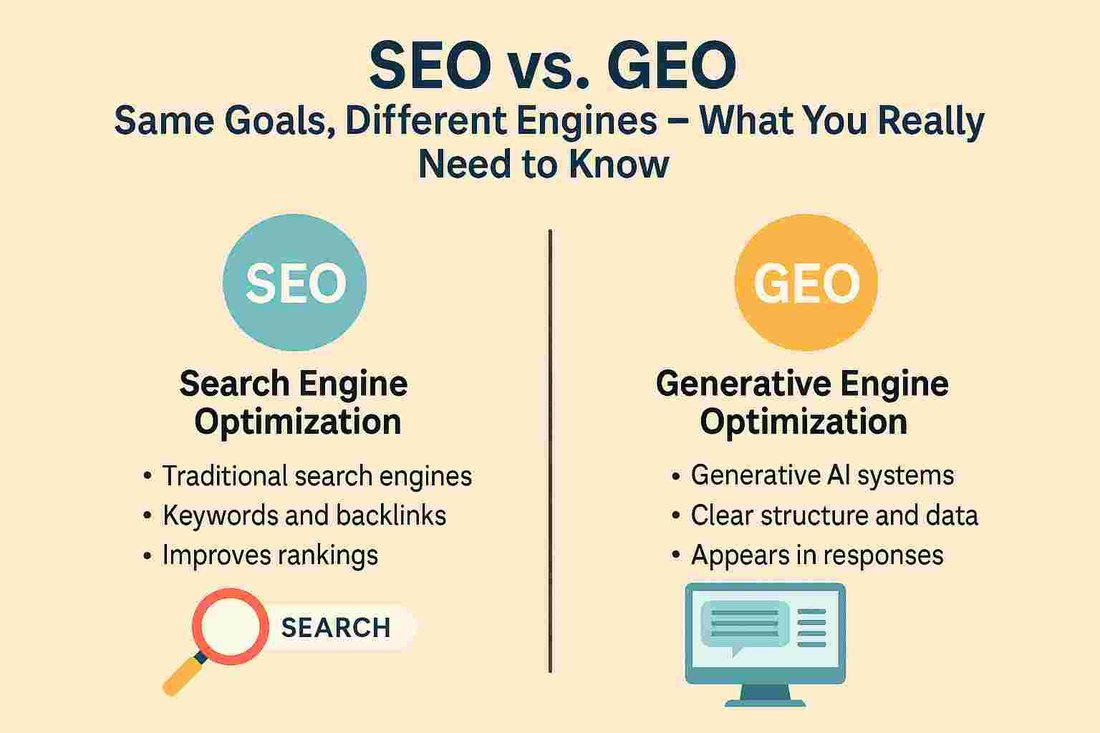
The magic happens in synergy. Use SEO keyword research to inform content calendars—create pillar pages (comprehensive guides) linked to cluster content (supporting posts). This “topic cluster” model boosts SEO authority.
Promote SEO-optimized content socially for backlinks and signals. Repurpose: turn blogs into videos for YouTube SEO. Track with Google Analytics: content fuels top-funnel, SEO drives bottom-funnel traffic.
Real-world example: HubSpot’s blog ranks #1 for thousands of keywords, generating 70k+ leads monthly via integrated tactics.
Which One Should Business Owners Prioritize?
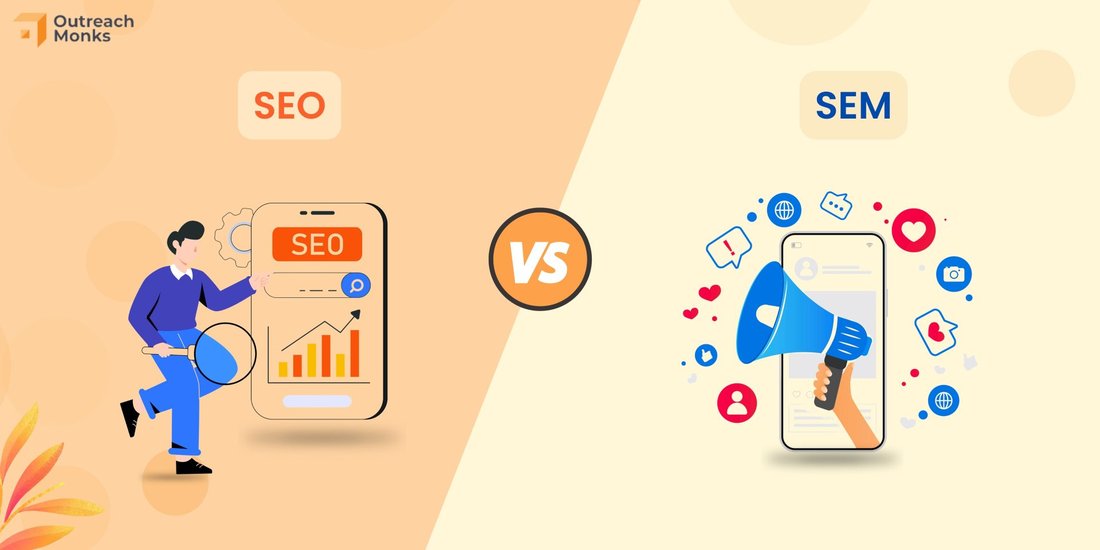
No one-size-fits-all. Resource-strapped owners start with content marketing for quick authority, layering SEO as traffic grows. B2B benefits from SEO’s precision; B2C from content’s engagement.
Audit your site: low traffic? Prioritize SEO basics. Weak branding? Double down on content. Aim for 80/20: 80% value-driven content, 20% promotional, all SEO-optimized.
Practical Tips for Implementing Both
1. Research: Use Google Keyword Planner for volume/low-competition terms.
2. Create: Write scannable content with headers, lists, images.
3. Optimize: Title tags, meta descriptions, internal links.
4. Promote: Share on LinkedIn, email lists; guest post for backlinks.
5. Measure: Tools like Google Search Console, Hotjar for insights.
6. Iterate: Update old content for “freshness” signals.
Outsource if needed—freelancers via Upwork cost $0.10/word for quality.
Case Studies: Real Business Success
Take Zapier: Content marketing via automation guides drove SEO traffic, hitting 10M+ monthly visitors. Mint.com used SEO-optimized financial advice content to acquire users pre-launch.
A local bakery optimized “best cupcakes near me” (local SEO) with recipe blogs (content), tripling foot traffic.
Conclusion: Master Both for Digital Dominance
Content marketing vs. SEO isn’t a battle—it’s a partnership. Business owners succeeding online use content to engage and SEO to be found. Start small: publish weekly, optimize rigorously, analyze relentlessly. In 2024, with AI tools aiding both (e.g., Jasper for content, SurferSEO for optimization), barriers are lower than ever.
Invest time now for compounding returns. Track progress quarterly, adapt to trends like voice search or video SEO. Your competitive edge? A unified strategy where content fuels SEO, and SEO amplifies content. Ready to elevate your business? Begin with a free SEO audit today.
(Word count: 1,248)