
How to Choose the Right Coffee Beans for Your Taste
Choosing the right coffee beans is an art that can transform your daily brew from ordinary to extraordinary. With countless varieties, roasts, and origins available, finding the perfect match for your palate requires knowledge and experimentation. This comprehensive guide will walk you through the essential factors to consider when selecting coffee beans, ensuring every sip aligns with your unique taste preferences. Whether you’re a novice sipper or a seasoned enthusiast, mastering bean selection elevates your coffee experience.
Understanding Coffee Bean Varieties
Feature Video
Coffee beans primarily come from two species: Arabica and Robusta. Arabica beans, accounting for about 60-70% of global production, are prized for their smooth, nuanced flavors. Grown at higher altitudes in cooler climates, they offer complexity with notes of fruit, chocolate, and florals. If you prefer a refined, balanced cup, start with Arabica.
Robusta beans, conversely, thrive in lower altitudes and warmer conditions. They pack a bolder, more bitter punch with earthy undertones and higher caffeine content—nearly double that of Arabica. Ideal for espresso lovers seeking crema and intensity, Robusta is often used in blends to add body. Less expensive and more resilient, it’s a practical choice for budget-conscious buyers.
Other varieties like Liberica and Excelsa exist but are rarer. Liberica offers smoky, woody notes, while Excelsa brings tart, dark fruit flavors. For most palates, sticking to Arabica provides the broadest appeal, but experimenting with hybrids can uncover hidden gems tailored to your taste.
The Role of Roast Levels in Flavor Development
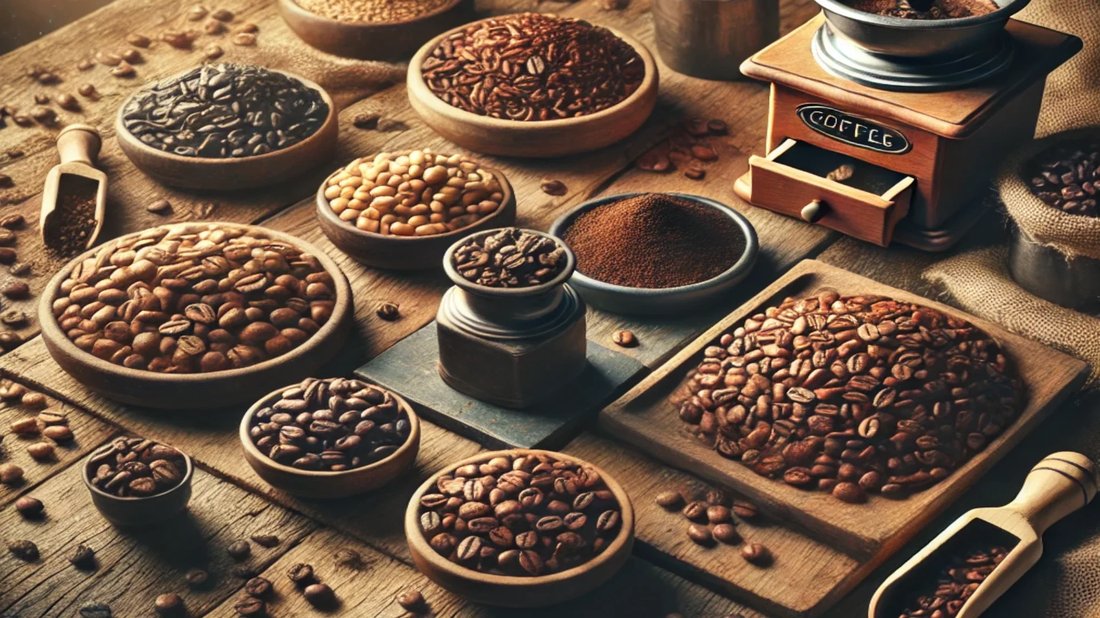
Roast level dramatically influences taste, aroma, and body. Light roasts, roasted to just after the first crack, preserve the bean’s origin flavors—bright acidity, floral hints, and subtle sweetness. Perfect for pour-over or drip methods, they suit those who enjoy lively, tea-like coffees.
Medium roasts strike a balance, developing caramelized sugars for nutty, chocolatey profiles without overpowering acidity. Versatile for most brewing styles, they’re a safe bet for everyday drinking.
Dark roasts go beyond the second crack, yielding bold, smoky flavors with low acidity and oily surfaces. Espresso and French press enthusiasts favor them for their robust mouthfeel. However, excessive roasting can mask terroir, so choose based on your desired intensity: light for nuance, dark for power.
Exploring Coffee Origins and Terroir
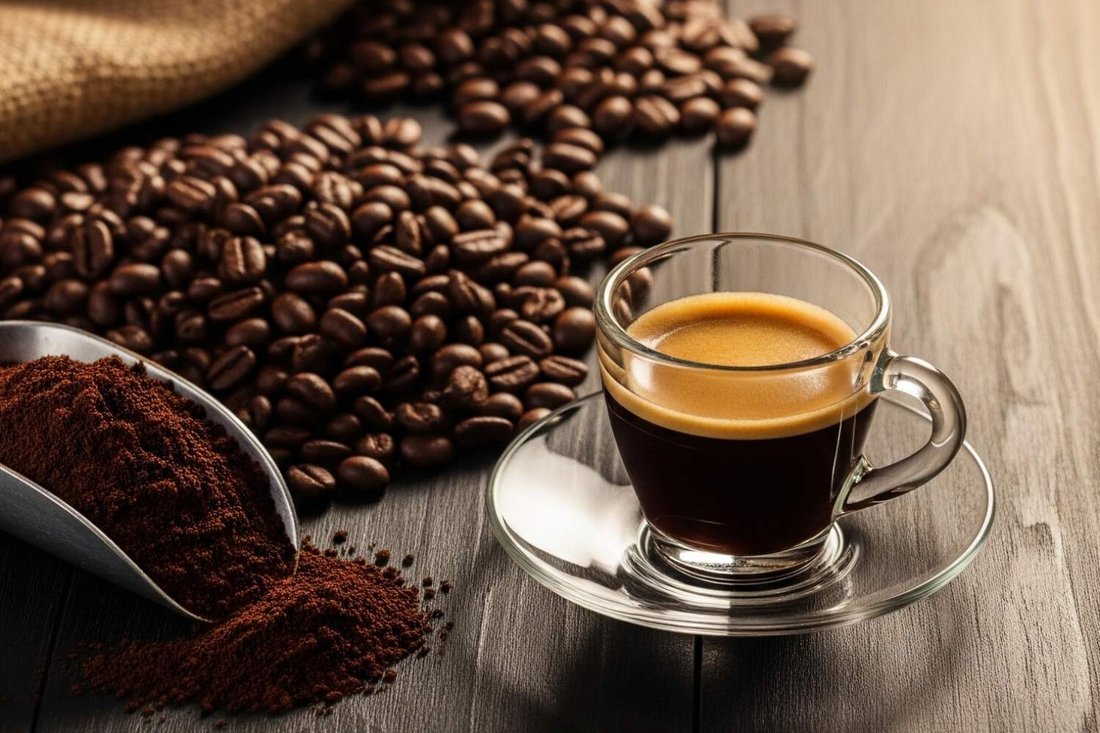
Terroir—the unique environmental factors like soil, altitude, and climate—imprints distinct flavors on beans. Ethiopian beans, often light-roasted, dazzle with berry, citrus, and wine-like acidity from heirloom varieties in Yirgacheffe or Sidamo regions.
Colombian coffees from Antioquia offer balanced sweetness, caramel, and apple notes, making them approachable for beginners. Kenyan beans scream with blackcurrant, tomato, and winey brightness due to volcanic soils.
Brazilian beans provide low-acidity, nutty chocolate profiles, ideal for milk-based drinks. Sumatran Mandheling from Indonesia delivers earthy, herbal depth with low acidity. Central American beans like Costa Rican Tarrazu shine with honeyed sweetness and clean finishes. Match origins to your taste: fruity for adventurous palates, chocolatey for comfort seekers.
Deciphering Flavor Profiles and Tasting Notes

Flavor wheels guide bean selection. Fruity profiles (blueberry, strawberry) come from African origins; nutty (almond, hazelnut) from South America; floral (jasmine, lavender) from high-grown Asians. Chocolatey notes span cocoa to dark varieties, while spicy hints like cinnamon appear in Indonesians.
Key attributes include body (light to full), acidity (bright to muted), aftertaste (clean to lingering), and sweetness. Taste blindly: brew small samples black, note aromas pre- and post-brew, sip and slurp to coat your palate. Apps like Coffee Taster’s Flavor Wheel aid precise description. Prioritize profiles matching your favorites—fruity for mornings, roasty for afternoons.
Single Origin vs. Blends: Which Suits You?
Single-origin beans showcase pure terroir, perfect for purists exploring specifics like “Guatemala Huehuetenango.” They vary batch-to-batch, offering adventure but inconsistency.
Blends combine origins for reliability—e.g., Arabica with Robusta for espresso’s crema and balance. Branded blends like Starbucks’ Pike Place ensure consistent taste. Choose single-origin to discover preferences; blends for dependable daily cups. Artisanal roasters often label blends’ components for transparency.
Prioritizing Freshness and Quality Markers

Freshness is paramount—beans peak 1-4 weeks post-roast. Look for roast dates, not “packed on” labels. Nitrogen-flushed bags with one-way valves preserve gases, preventing staleness.
Quality indicators: uniform size/color, no defects (broken beans, pebbles). Certifications like USDA Organic, Fair Trade, or Rainforest Alliance ensure ethical sourcing. Specialty-grade (80+ SCA score) guarantees excellence. Avoid pre-ground; grind fresh for optimal extraction.
Matching Beans to Your Brewing Method
Brewing dictates bean choice. Espresso demands medium-dark roasts for pressure extraction, emphasizing body and crema. Drip or pour-over favors light-medium for clarity. French press suits coarse grinds and medium roasts to filter oils. Cold brew thrives on light roasts for sweetness without bitterness.
Aeropress versatility handles all, but match roast to method: finer for espresso-like, coarser for immersion. Test ratios (e.g., 1:16 coffee-to-water) and temperatures (195-205°F) to amplify bean traits.
How to Taste and Evaluate Coffee Beans Effectively
Build your tasting ritual: Use 20g beans per 300ml water. Grind medium-fine, brew at precise temps. Inhale dry aroma, then wet post-bloom. Slurp sideways to aerate, assessing acidity (tongue sides), body (mouthfeel), balance (no dominance), and finish.
Rate 1-10, note descriptors. Track in a journal or app. Join cuppings at local roasters for calibration. Over time, you’ll discern subtleties, refining selections instinctively.
Where and How to Buy the Right Coffee Beans
Local roasters offer freshest options with staff tastings. Online: Trade Coffee curates subscriptions; Onyx or Blue Bottle ship small-batch. Supermarkets suffice for blends but check dates.
Buy 1/4-1/2 lb weekly. Store in opaque, airtight containers away from light/heat/moisture—never fridge/freezer long-term. Invest in a good burr grinder for consistency.
Subscriptions like Bean Box deliver variety, matching quizzes to tastes. Budget $15-25/lb for quality; cheaper often sacrifices flavor.
Conclusion: Brew Your Perfect Cup
Selecting coffee beans boils down to variety, roast, origin, and freshness aligned with your palate. Experiment systematically: Start with Arabica mediums from Ethiopia or Colombia, taste notes, adjust for brew method. Your ideal bean awaits discovery, promising mornings of delight. Embrace the journey—coffee’s world is vast and rewarding.
(Word count: 1218)