
A Simple Guide to Understanding Body Language: Master Non-Verbal Communication
Body language is the unspoken language that reveals our true thoughts, emotions, and intentions. Often accounting for over 90% of communication, according to experts like Albert Mehrabian, understanding body language can transform your personal and professional interactions. Whether you’re negotiating a deal, dating, or simply conversing with friends, mastering non-verbal cues gives you an edge. This simple guide to understanding body language breaks down the essentials, helping you read others and project confidence.
What Is Body Language and Why Does It Matter?
Feature Video
Body language encompasses facial expressions, gestures, posture, eye contact, and even the space we maintain with others. It’s a universal form of communication, though cultural nuances exist. In a world dominated by digital interactions, rediscovering these cues is crucial. Studies from the Journal of Nonverbal Behavior show that people who accurately interpret body language build stronger relationships and achieve better outcomes in interviews and sales.
Imagine walking into a job interview. Your words say you’re excited, but crossed arms and averted eyes signal nervousness. Learning to spot and control these signals empowers you. This guide covers key elements, common interpretations, and practical tips for everyday use.
Decoding Facial Expressions: The Window to Emotions
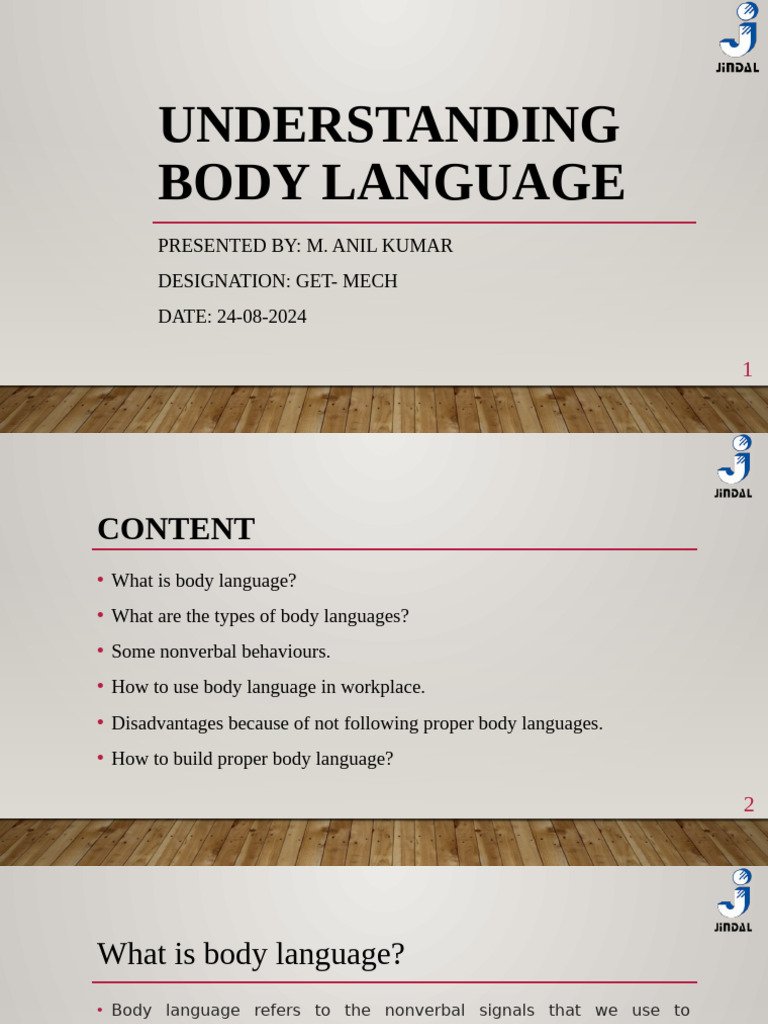
Facial expressions are the most instinctive part of body language. Psychologist Paul Ekman identified six universal emotions: happiness, sadness, fear, anger, surprise, and disgust. A genuine smile, known as a Duchenne smile, crinkles the eyes—fake ones don’t.
Look for micro-expressions, fleeting facial twitches lasting less than a second, which betray hidden feelings. Raised eyebrows signal surprise or interest, while pursed lips indicate disapproval. In conversations, mismatched expressions—like nodding while frowning—suggest insincerity. Practice by watching videos with sound off; you’ll sharpen your skills quickly.
Pro tip: Mirror neurons in our brains make us mimic expressions subconsciously. Use this to build rapport by subtly copying positive cues from others.
Posture and Stance: Projecting Confidence or Insecurity
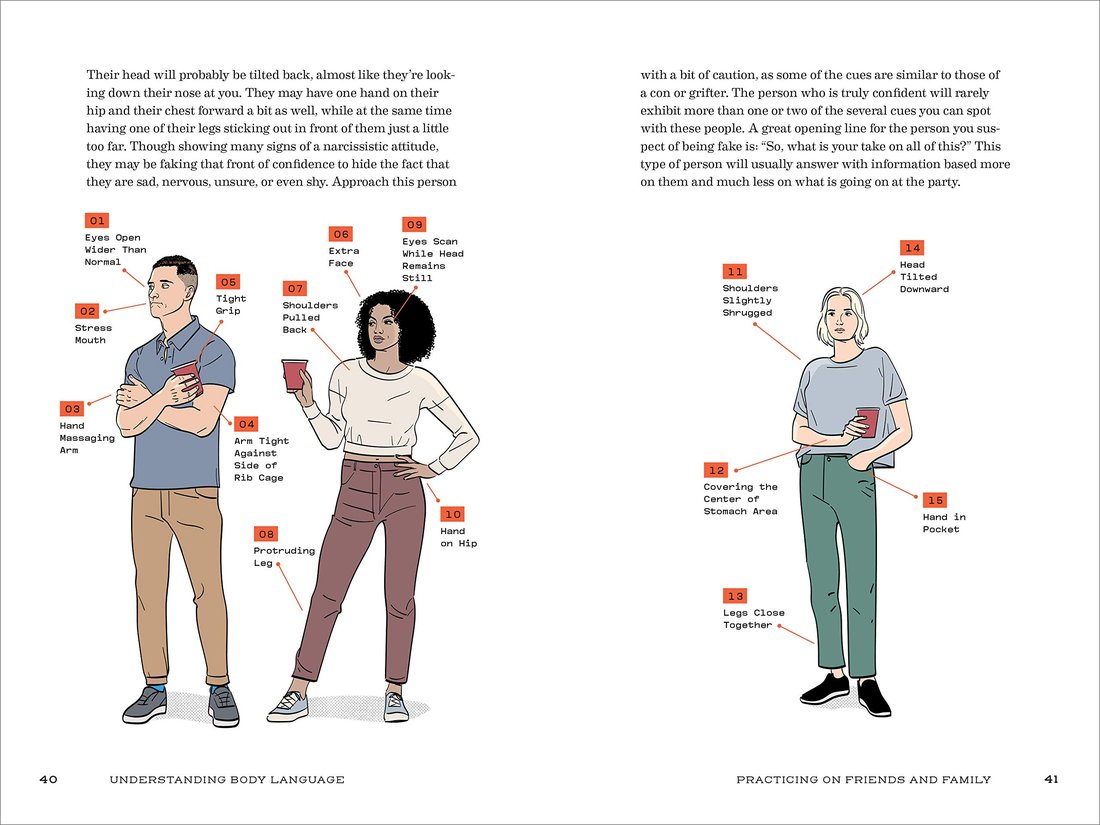
Your posture speaks volumes before you utter a word. Open posture—uncrossed arms, shoulders back, chest out—conveys confidence and receptiveness. Slouched shoulders or hunched back? That’s insecurity or disinterest.
Standing tall with feet shoulder-width apart shows stability. Leaning forward during talks indicates engagement, while leaning back suggests defensiveness. In meetings, dominant individuals often claim more space, spreading out limbs—a “power pose” backed by Amy Cuddy’s TED Talk research, which boosts testosterone and reduces stress.
To improve, adopt the “victory pose” for two minutes before high-stakes situations. Over time, consistent good posture rewires your self-perception.
Gestures and Hand Movements: The Rhythm of Communication
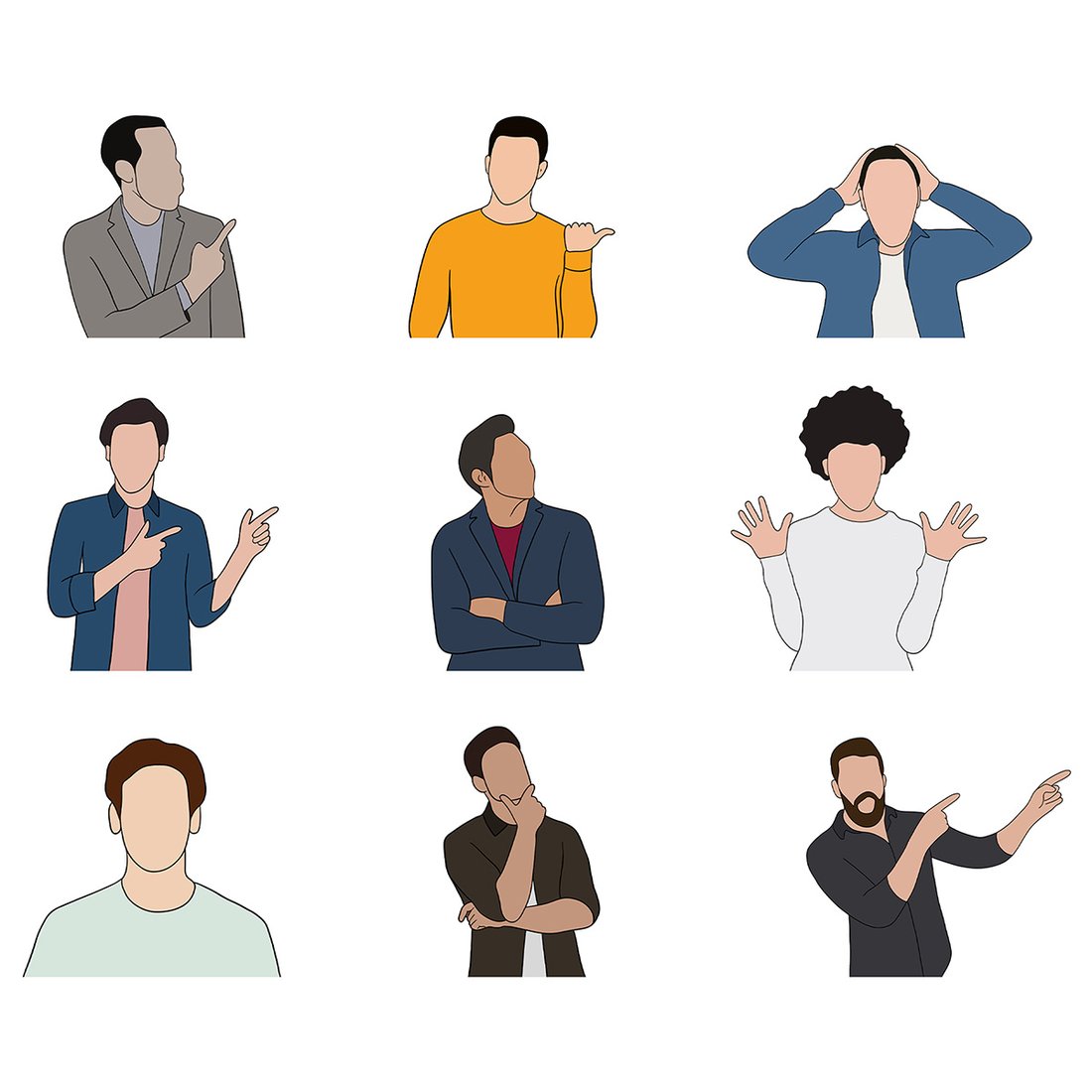
Gestures amplify words. Emblems like thumbs-up are deliberate, while illustrators—like hand chopping for emphasis—support speech. Adaptors, such as fidgeting or touching your face, reveal anxiety.
Open palms facing up signal honesty; steepled fingers denote authority. Excessive gesturing can overwhelm, but stillness might bore. Watch for pacifying behaviors: rubbing the neck (doubt) or interlocking fingers (withholding information).
Cultural note: The OK sign means fine in the US but offensive elsewhere. In negotiations, keep hands visible to build trust—hiding them in pockets implies secrecy.
Eye Contact: The Power of the Gaze
Eye contact is the cornerstone of connection. Steady but not staring (about 60-70% during talks) shows attentiveness. Looking away briefly thinks; prolonged aversion signals deceit or shyness.
Pupil dilation indicates interest or arousal—harder to fake. In Western cultures, strong eye contact asserts dominance; in others, it may seem confrontational. Liars often overcompensate with forced stares or blink excessively (normal is 6-8 times per minute).
Practice the 50/70 rule: 50% eye contact while speaking, 70% while listening. It fosters trust instantly.
Proxemics: The Language of Personal Space

Edward T. Hall coined proxemics for how space communicates. Intimate zone (0-18 inches) for loved ones; personal (18 inches-4 feet) for friends; social (4-12 feet) for acquaintances; public (12+ feet) for strangers.
Invading space uninvited causes discomfort—watch for backing away or angled bodies. In crowds, compliant people yield space; alphas expand it. Use proxemics in dating: gradual encroachment tests interest; reciprocation means green light.
Body Language in Professional Settings
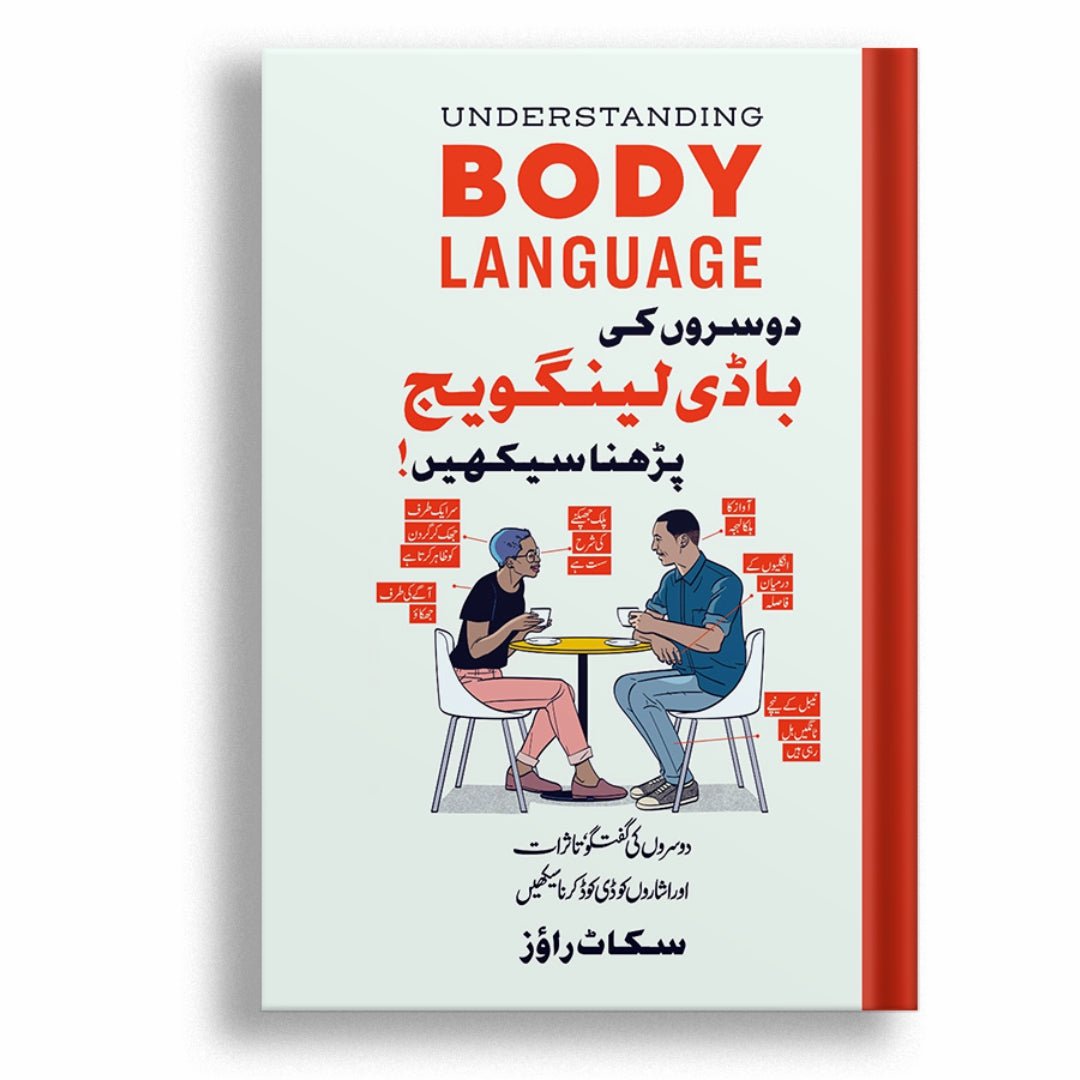
In business, body language seals deals. During pitches, mirror the client’s posture to sync subconsciously. Nodding encourages continuation; tilting the head shows listening.
Interviews: Sit upright, lean slightly forward, use open gestures. Avoid touching face—it’s a red flag for deception. In teams, crossed arms don’t always mean hostility; cold rooms cause it. Context matters.
Sales pros note: Feet pointing toward the door? Buyer wants out. Align yours accordingly.
Body Language in Dating and Relationships
Attraction cues are primal. Preening (hair flipping, clothing adjustments) signals interest. Mirroring movements builds chemistry. Prolonged eye contact with dilated pupils and genuine smiles? Mutual spark.
Defensive signals like arm barriers or turned-away torsos indicate disinterest. Touch escalation—light arm brushes progressing—gauges comfort. Men often stand taller; women angle bodies toward desirables.
Long-term: Consistent eye contact maintains intimacy; slumping signals emotional withdrawal.
Common Body Language Myths and Mistakes
Not all crossed arms mean defensiveness—could be comfort. Arms akimbo asserts authority. Context is king: baseline behavior per person trumps absolutes.
Mistake: Over-relying on single cues. Cluster analysis—three+ congruent signals—confirms. Ignoring culture leads to blunders; e.g., nodding means “yes” in Bulgaria but “no” elsewhere.
Avoid “analysis paralysis”—observe holistically without staring.
How to Improve and Control Your Own Body Language
Self-awareness starts with video recording yourself. Practice power poses daily. Seek feedback: “What did my body say?”
Relaxation techniques like deep breathing curb nervous tics. Role-play scenarios with friends. Books like “What Every Body is Saying” by Joe Navarro deepen expertise.
Consistency breeds congruence—align body with words for authenticity.
Conclusion: Unlock the Power of Non-Verbal Cues
Understanding body language demystifies human interaction, enhancing empathy, persuasion, and connections. Start small: observe strangers today, adjust your posture tomorrow. With practice, you’ll read rooms like a pro, navigate social dynamics effortlessly, and communicate with unmatched clarity.
This guide equips you with foundational knowledge. Dive deeper through observation and application—your relationships will thank you. Master body language, master life.
(Word count: 1217)