
How to Develop Critical Thinking Skills: A Comprehensive Guide
In today’s fast-paced world, where information overload is the norm, developing critical thinking skills has become essential for personal and professional success. Critical thinking is the ability to analyze information objectively, evaluate evidence, and make reasoned judgments. It’s not just about what you think, but how you think. Whether you’re a student, professional, or lifelong learner, mastering these skills can enhance decision-making, problem-solving, and creativity. This comprehensive guide explores practical steps on how to develop critical thinking skills, backed by expert insights and actionable strategies. By the end, you’ll have a roadmap to sharpen your mind and navigate life’s complexities with confidence.
Understanding Critical Thinking: The Foundation
Feature Video
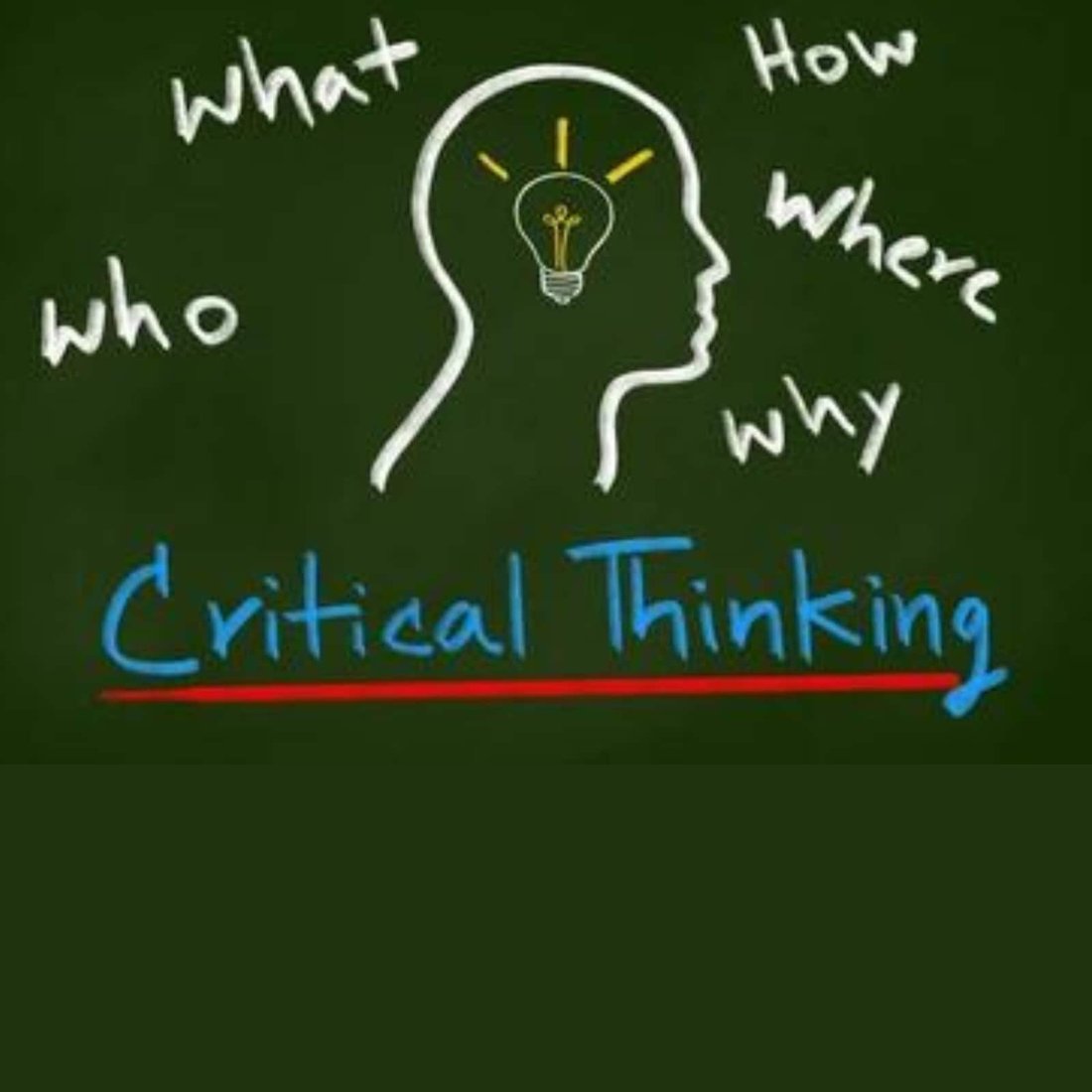
Critical thinking is more than intelligence; it’s a disciplined process of actively and skillfully conceptualizing, applying, analyzing, synthesizing, and evaluating information gathered from observation, experience, reasoning, or communication. As defined by the American Philosophical Association, it involves interpreting, formulating, and applying concepts while self-regulating one’s thinking.
To develop critical thinking skills, start by recognizing its core components: clarity, accuracy, precision, relevance, depth, breadth, logic, and fairness. These elements, outlined by Dr. Richard Paul and Dr. Linda Elder in their seminal work on critical thinking, form the bedrock. Without understanding these, efforts to improve can be misguided. For instance, clarity ensures you define problems accurately, while fairness prevents biases from clouding judgment.
Research from the World Economic Forum’s Future of Jobs Report highlights critical thinking as one of the top skills employers seek by 2025. In an era of misinformation and AI-generated content, honing these skills isn’t optional—it’s imperative for discerning truth from fiction.
Why Develop Critical Thinking Skills?
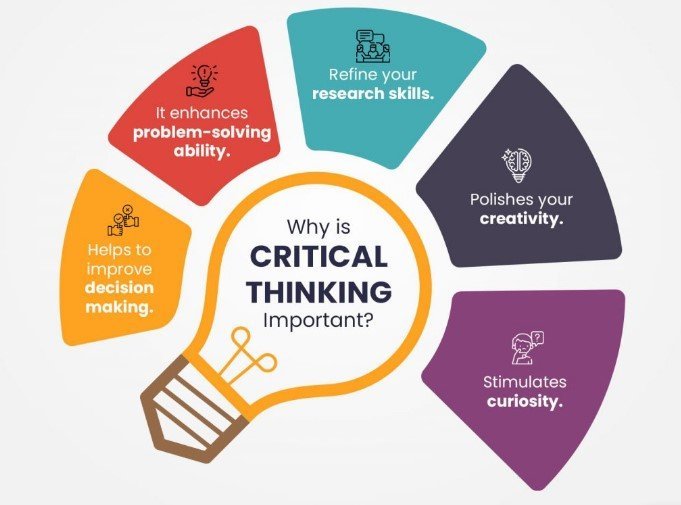
The benefits of strong critical thinking are profound. Professionally, it leads to better decision-making, innovation, and leadership. A study by the Journal of Accountancy found that executives with high critical thinking abilities outperform peers by 20% in strategic roles. Personally, it fosters resilience against manipulation, improves relationships through empathetic analysis, and enhances overall life satisfaction.
In education, students with developed critical thinking score higher on assessments and adapt better to new challenges. Moreover, it combats cognitive biases like confirmation bias, where we favor information aligning with preconceptions. By questioning these tendencies, you unlock clearer thinking and wiser choices.
Step 1: Question Your Assumptions
The first step in how to develop critical thinking skills is to challenge assumptions—the unexamined beliefs shaping your worldview. Start by asking: “What evidence supports this?” and “What if the opposite were true?”
Practice with daily journaling. Each evening, reflect on a decision made that day. Write down assumptions (e.g., “My colleague is unreliable because they’re often late”) and seek counter-evidence. Over time, this builds skepticism without cynicism. Tools like the Socratic method—persistent questioning—amplify this. Plato’s dialogues exemplify it: by probing deeper, truths emerge.
Implement the “5 Whys” technique, popularized by Toyota for root-cause analysis. For any problem, ask “why” five times. This peels back layers of superficial thinking, revealing core issues.
Step 2: Seek Diverse Perspectives
Critical thinkers thrive on intellectual diversity. Echo chambers reinforce biases, so actively expose yourself to opposing views. Read books, articles, and opinions from across the spectrum—liberal, conservative, global, historical.
Engage in structured debates or join forums like Reddit’s ChangeMyView subreddit, where users argue to shift opinions with evidence. A Harvard Business Review study shows diverse teams make 87% better decisions due to varied viewpoints.
Travel or converse with people from different cultures. Virtual exchanges via apps like Tandem pair you with international partners, broadening your mental horizons and enhancing empathy—a key critical thinking trait.
Step 3: Practice Active Listening and Observation
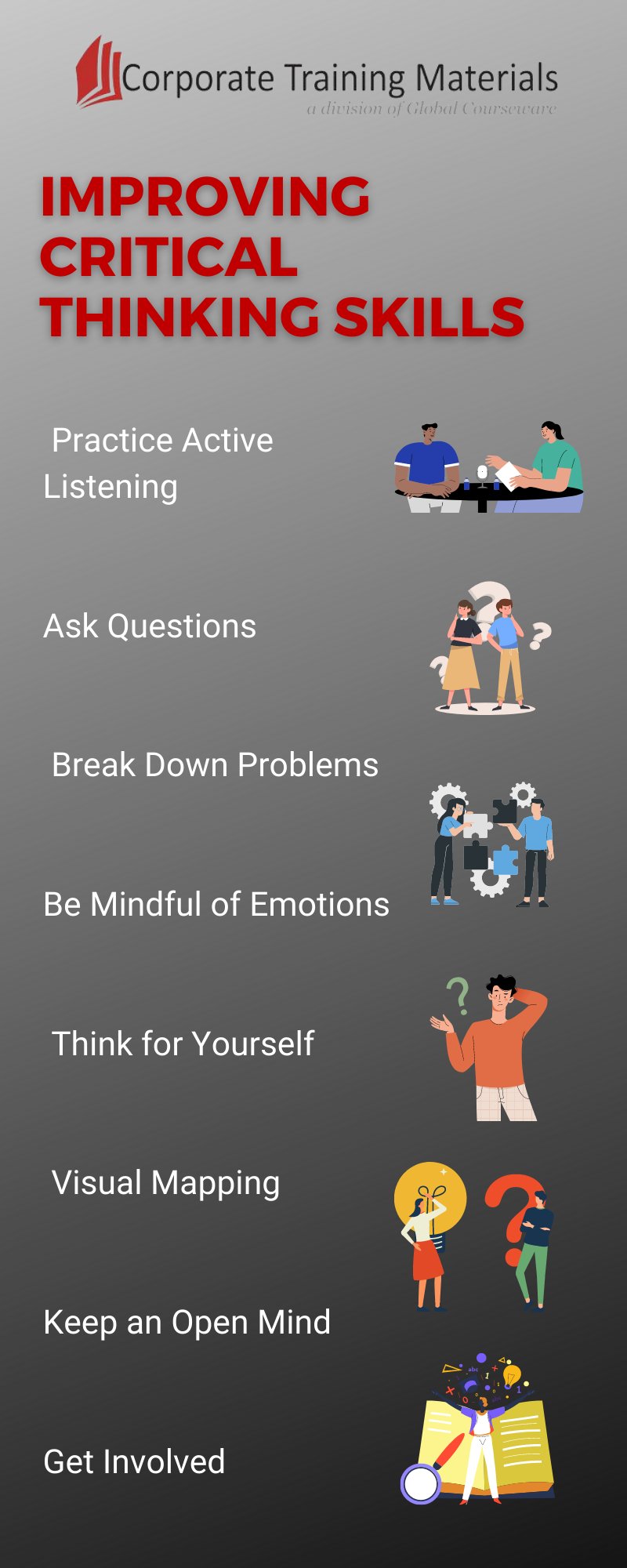
Critical thinking begins with quality input. Active listening means fully concentrating, understanding, responding thoughtfully, and remembering. Avoid interrupting; instead, paraphrase: “What I hear you saying is…” This clarifies misunderstandings.
Observe non-verbals: body language, tone. In meetings, note unspoken tensions. Mindfulness meditation, as researched by UCLA, improves focus and observation by 16%. Apps like Headspace offer 10-minute sessions tailored for this.
Step 4: Analyze and Evaluate Information
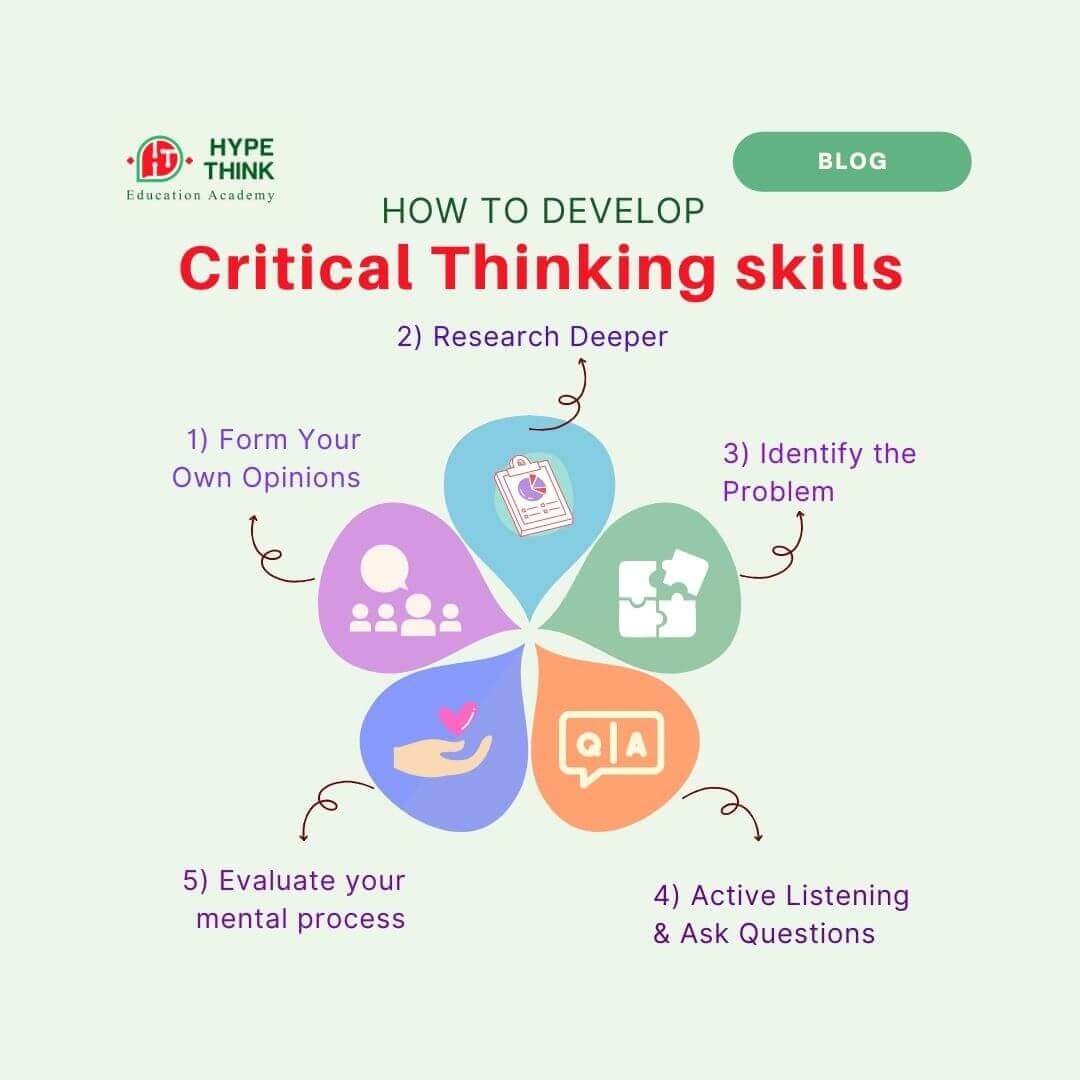
Once gathered, dissect information. Use the CRAAP test (Currency, Relevance, Authority, Accuracy, Purpose) to vet sources. Is the data current? From credible experts? Free of bias?
Break arguments into premises and conclusions. Tools like argument mapping software (e.g., Rationale or MindMeister) visualize logic flows, spotting fallacies like ad hominem or straw man attacks.
Practice with news articles: Identify claims, evidence, and gaps. Fact-checking sites like Snopes or FactCheck.org train your eye for reliability.
Step 5: Solve Problems Systematically
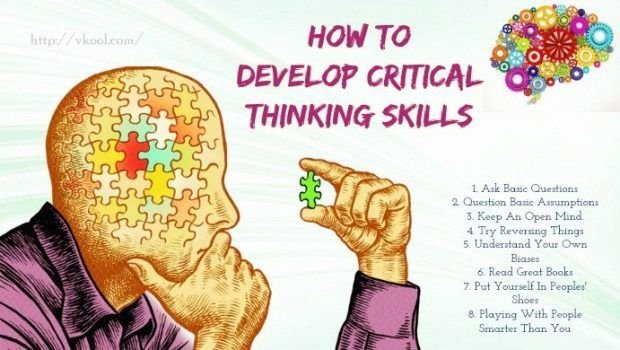
Apply critical thinking to real-world puzzles using frameworks like PDCA (Plan-Do-Check-Act). Define the problem, hypothesize solutions, test, evaluate, iterate.
Games like chess or puzzles (Sudoku, escape rooms) simulate this. A University of Michigan study links chess to a 15% critical thinking boost in children, transferable to adults.
At work, tackle projects with root-cause analysis tools like fishbone diagrams, categorizing causes (people, processes, materials) for thorough solutions.
Step 6: Reflect Regularly and Learn from Mistakes

Reflection cements growth. Use after-action reviews: What went well? What didn’t? Why? Adjust accordingly.
Keep a “decision journal.” Log predictions vs. outcomes to calibrate judgment. Over months, patterns emerge, refining intuition.
Seek feedback. Mentors or peers provide blind-spot insights. Books like “Thinking, Fast and Slow” by Daniel Kahneman dissect cognitive errors, offering reflective prompts.
Advanced Exercises to Build Critical Thinking
Elevate skills with targeted exercises:
- Devil’s Advocate: Argue against your beliefs weekly.
- Case Studies: Analyze Harvard Business School cases.
- Philosophy Reading: Tackle Nietzsche or Aristotle for logical rigor.
- Online Courses: Platforms like Coursera offer “Critical Thinking Specialization” by University of California.
Incorporate gamified apps: Elevate or Lumosity target reasoning with daily challenges, backed by neuroscience for neuroplasticity gains.
Overcoming Common Barriers
Barriers like emotional reasoning (“I feel it, so it’s true”) or groupthink hinder progress. Counter with self-awareness: Track emotional triggers via mood journals.
Time scarcity? Integrate micro-habits: 5-minute daily questioning. Consistency trumps intensity, as habit research by James Clear in “Atomic Habits” affirms.
Conclusion: Your Path to Mastery
Developing critical thinking skills is a lifelong journey, not a destination. By questioning assumptions, embracing diversity, analyzing rigorously, and reflecting deeply, you’ll transform from reactive thinker to strategic powerhouse. Start small—pick one step today. Track progress quarterly. In a world demanding discernment, these skills empower you to lead, innovate, and thrive.
Word count: 1,248. Embrace the challenge; your sharper mind awaits.