
The Psychology of Color: How It Affects Your Mood and Decisions
In a world saturated with visual stimuli, colors play a subtle yet powerful role in shaping our emotions, behaviors, and choices. The psychology of color explores how hues influence our mood and decisions, from the clothes we wear to the brands we trust. Whether you’re a marketer crafting a campaign, an interior designer selecting palettes, or simply someone curious about why certain shades make you feel energized or calm, understanding color psychology can transform your daily life. This article delves into the science behind color’s impact, backed by research and real-world examples, to help you harness its power effectively.
Studies from fields like neuroscience and behavioral psychology reveal that colors trigger specific responses in the brain’s limbic system, which governs emotions. For instance, exposure to certain colors can increase heart rates, boost creativity, or even sway purchasing decisions. With SEO-optimized insights into “how colors affect mood” and “color psychology in decision-making,” we’ll uncover practical ways to apply this knowledge.
The Foundations of Color Psychology
Feature Video
Color psychology is the study of how colors evoke emotional and physiological responses. Pioneered by theorists like Johann Wolfgang von Goethe in his 1810 work Theory of Colours, and later advanced by modern researchers such as Eva Heller, this field bridges art, science, and culture. Our eyes perceive color through cone cells sensitive to red, green, and blue wavelengths, sending signals to the brain that interpret these as hues.
Psychologically, colors are categorized as warm (reds, oranges, yellows) or cool (blues, greens, purples). Warm colors stimulate and energize, while cool tones soothe and relax. A 2015 study in the Journal of Environmental Psychology found that room color influences productivity: blue walls enhanced focus, while red spurred physical activity. This foundational knowledge sets the stage for exploring individual colors’ effects on mood and decisions.
Red: Passion, Energy, and Urgency
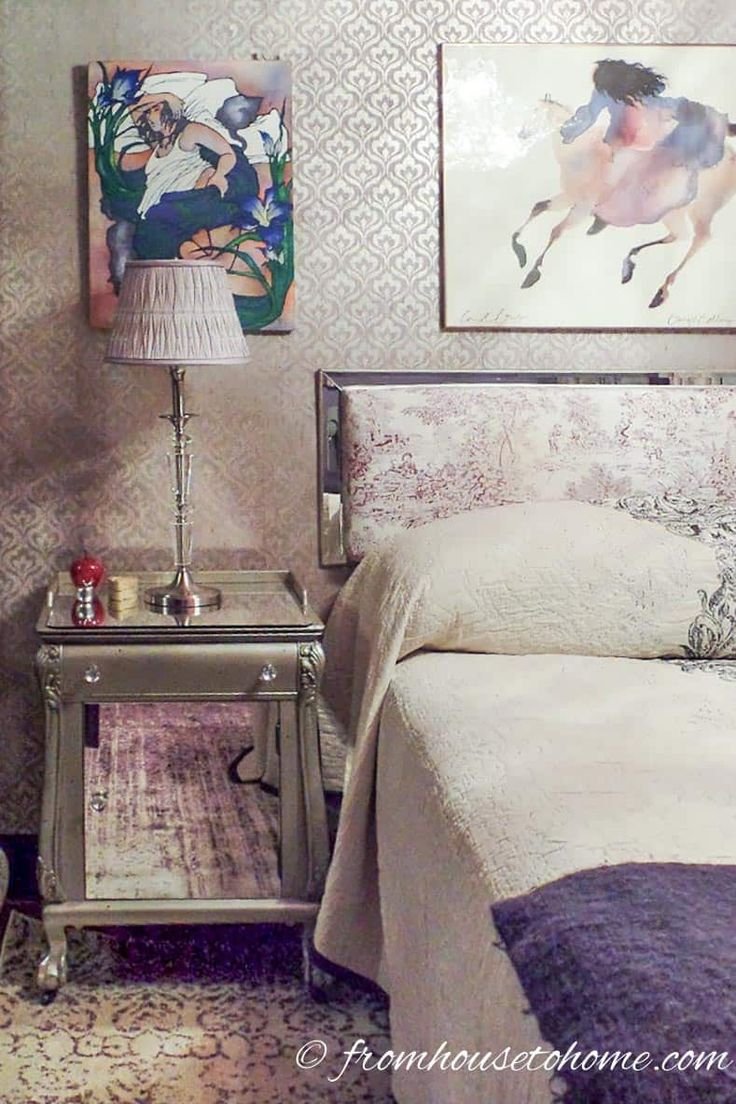
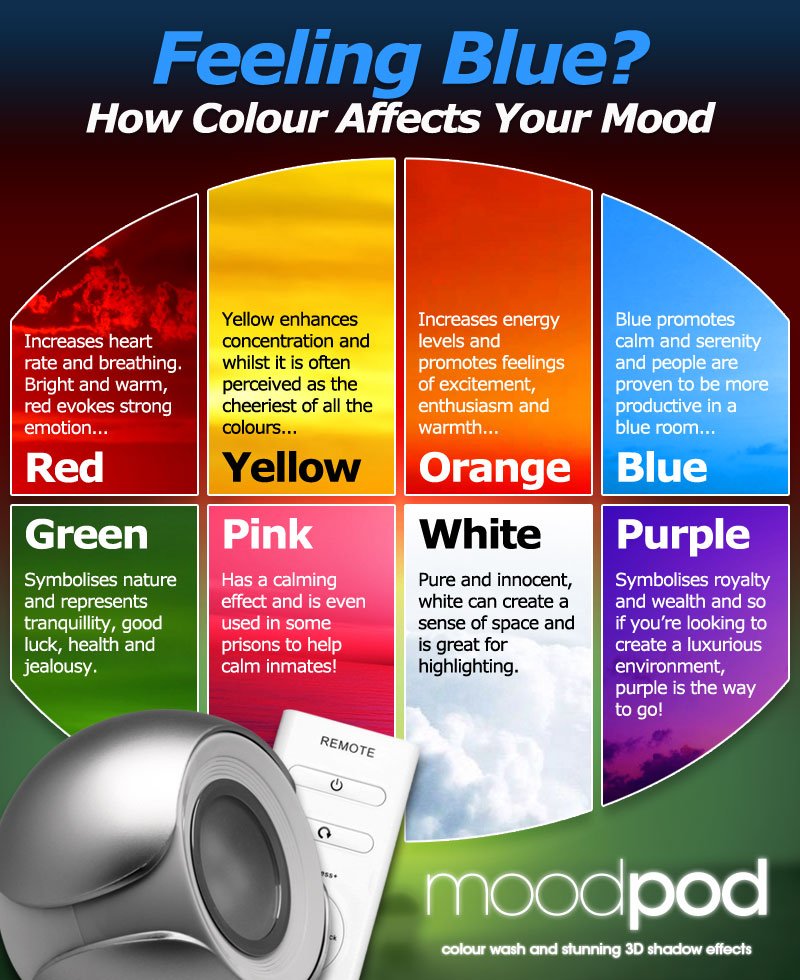
Red is the most emotionally intense color, symbolizing love, anger, and danger. It raises heart rates and blood pressure, creating feelings of excitement or alertness. In mood terms, red boosts appetite—think fast-food logos like McDonald’s—and enhances performance in high-stakes tasks, as shown in a University of Rochester study where red cues improved attention to detail.
For decisions, red signals urgency, making it a staple in sales (“Limited Time Offer!” buttons in red convert 21% higher, per HubSpot data). However, overuse can evoke aggression; marketers balance it with neutrals. Culturally, red means luck in China but mourning in South Africa, highlighting context’s role in its psychological sway.
Blue: Calm, Trust, and Productivity
Blue evokes serenity, trustworthiness, and intelligence, slowing heart rates and promoting relaxation. It’s the world’s favorite color, per YouGov polls, often used by banks like Chase for its reliability vibe. Research from the University of British Columbia shows blue environments boost cognitive performance, ideal for offices or study spaces.
In decision-making, blue fosters confidence; Facebook and LinkedIn’s blues encourage prolonged engagement. A 2020 Color Research & Application study linked blue to reduced anxiety, aiding rational choices under stress. Yet, overuse can feel cold—pair it with warm accents for balance.
Green: Harmony, Growth, and Renewal
Green represents nature, balance, and growth, calming the nervous system much like being outdoors. A 2012 study in Psychological Science found green exposure enhances creative problem-solving, explaining its use in brands like Starbucks or Whole Foods.
Mood-wise, green reduces stress and eye strain, perfect for wellness apps or hospitals. It influences decisions toward sustainability; eco-brands leverage it to sway ethical purchases. In trading floors, green (for “up”) signals positivity, subtly affecting financial optimism.
Yellow: Joy, Optimism, and Caution
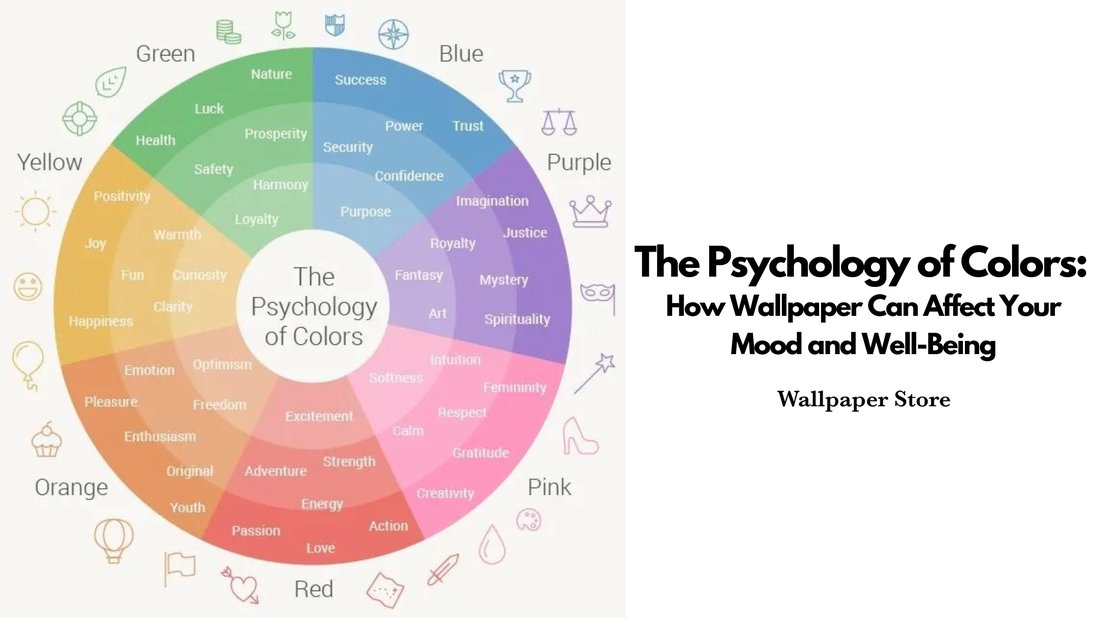
Yellow stimulates happiness and creativity but can overwhelm if too bright. Associated with sunshine, it energizes and aids memory retention, per a 2009 University of Toronto study. Snapchat’s yellow logo grabs attention, sparking curiosity.
Decisionally, yellow prompts quick actions—traffic lights use it for caution—yet high saturation causes anxiety. IKEA employs it sparingly for cheerful accents, boosting impulse buys without fatigue.
Other Key Colors: Orange, Purple, Black, and White
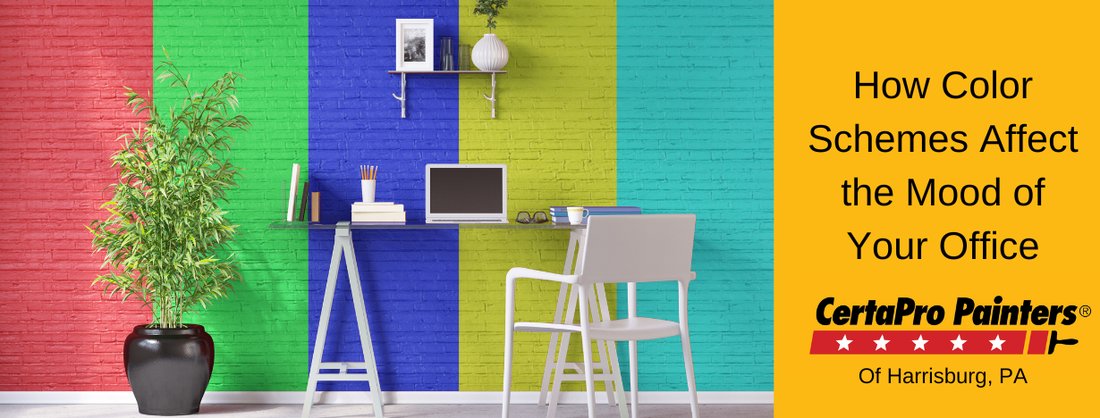
Orange blends red’s energy with yellow’s cheer, promoting enthusiasm and affordability (Fanta, Amazon). It stimulates appetite and sociability but can seem cheap if overdone.
Purple conveys luxury and creativity, linked to royalty historically. Cadbury’s purple evokes indulgence, influencing premium purchases.
Black signifies power and elegance (Chanel), aiding confident decisions, while white symbolizes purity and simplicity (Apple), clearing mental clutter for clarity.
Color and Decision-Making: The Marketing Angle
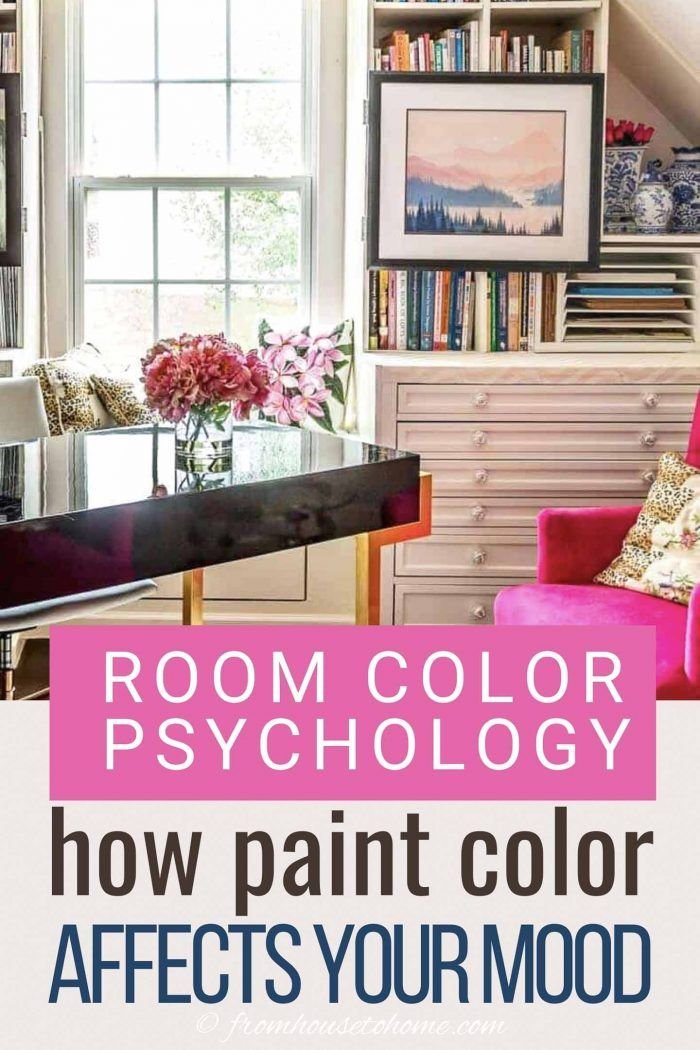
In consumer behavior, color psychology drives 85% of purchasing decisions subconsciously, per a Kissmetrics report. Website colors affect bounce rates: orange CTAs increase clicks by 32%. Packaging studies show color consistency builds brand recall— Coca-Cola’s silver evokes refreshment.
Neuromarketing scans reveal colors activate reward centers; red sales tags spike dopamine. A/B tests confirm blue checkouts reduce cart abandonment. Beyond commerce, politics uses color: conservative parties favor blue for stability.
Cultural and Individual Variations in Color Perception
Color meanings aren’t universal. Western cultures see white as pure (weddings), but Eastern ones associate it with death. Gender and age influence too: men prefer bold hues, women softer pastels, per Joe Hallock’s 2003 survey.
Personal experiences shape responses—a childhood blue room might soothe uniquely. Accessibility matters; color-blind users (8% of men) need contrasts. Global brands adapt: McDonald’s red-yellow works universally for hunger cues.
Practical Applications in Everyday Life
Apply color psychology at home: blue bedrooms for sleep, green kitchens for calm cooking. Wardrobe choices matter—red for dates boosts charisma, navy for interviews conveys trust. Workspaces benefit from personalized palettes; apps like Coolors help select mood-matching schemes.
In therapy, art uses colors for emotional expression. Fitness apps employ energizing oranges. Track your responses via journals to customize—experiment with wall paints or phone themes for mood optimization.
Conclusion: Mastering Color for Better Moods and Smarter Choices
The psychology of color reveals how hues subtly steer our moods and decisions, from evoking joy with yellow to building trust with blue. By understanding these dynamics, you can design environments, brands, and habits that align with desired outcomes. Research continually evolves this field, but core principles endure: choose colors intentionally.
Next time you select a tie or website theme, consider the psychological ripple. Embrace color’s power for enhanced well-being and influence. For more on “how colors affect your mood,” explore related wellness topics.
(Word count: 1,248)