
A Guide to Setting SMART Goals You Will Actually Achieve
In today’s fast-paced world, setting goals is the cornerstone of personal and professional success. Yet, many people struggle to turn their ambitions into reality. Why? Because vague intentions like “get fit” or “advance my career” rarely lead to action. Enter the SMART goals framework—a proven methodology that transforms dreams into achievable outcomes. This guide to setting SMART goals will equip you with the tools to create objectives you will actually achieve, boosting your productivity, motivation, and results.
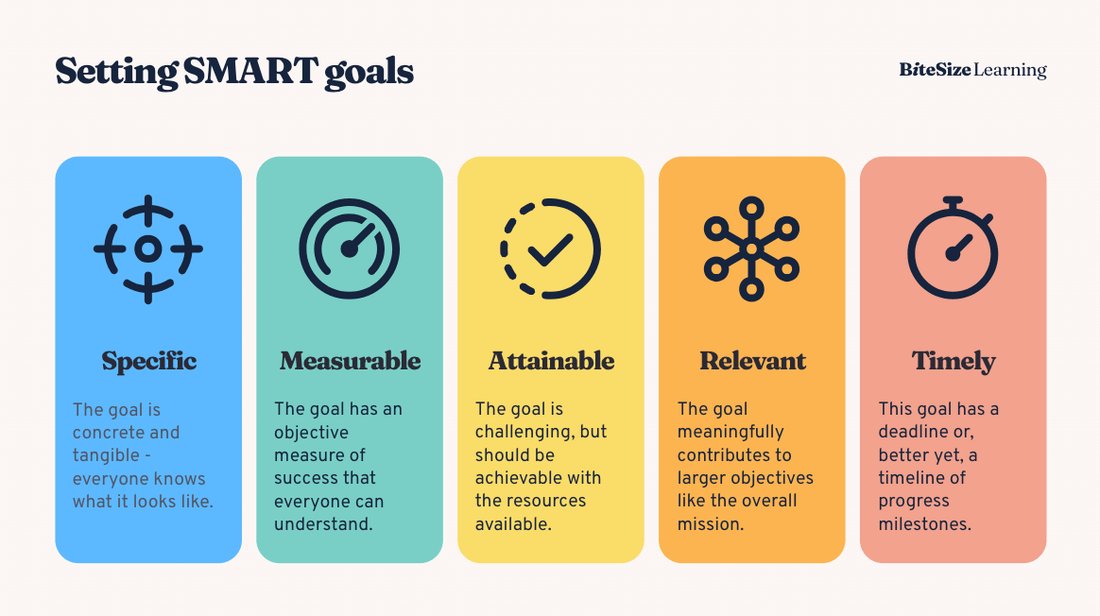
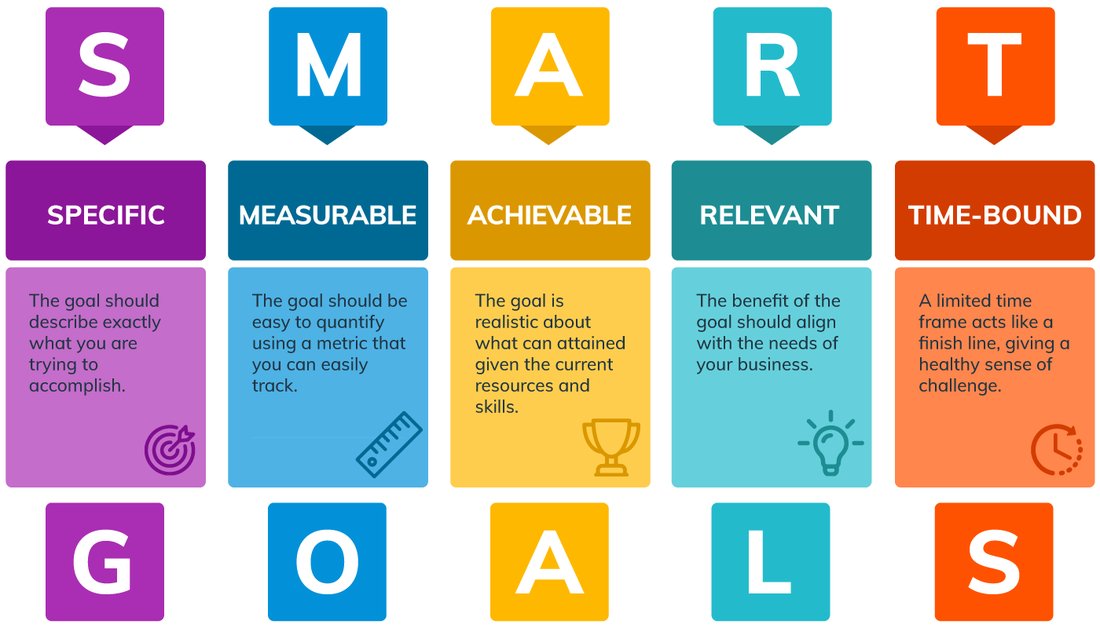
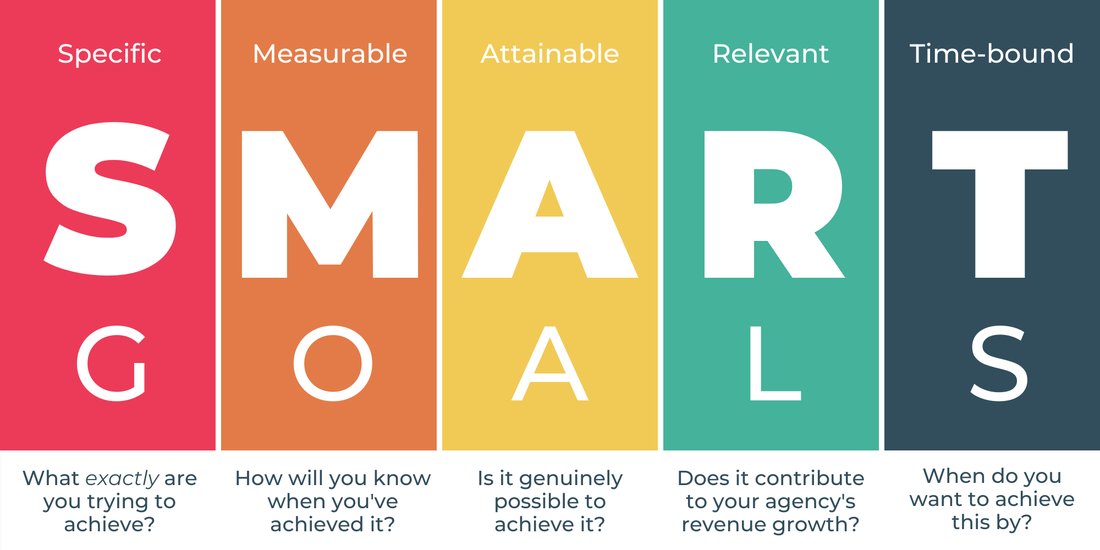
SMART goals stand for Specific, Measurable, Achievable, Relevant, and Time-bound. Developed in the 1980s by George T. Doran, this approach has been embraced by businesses, coaches, and individuals worldwide. Studies from sources like the American Psychological Association show that structured goal-setting increases success rates by up to 42%. Whether you’re aiming for weight loss, career growth, or learning a new skill, mastering SMART goals ensures clarity and accountability. In this comprehensive article, we’ll break down each component, provide step-by-step instructions, real-world examples, and tips to overcome obstacles. By the end, you’ll be ready to set SMART goals that drive real change.
What is the SMART Goals Framework?
Feature Video
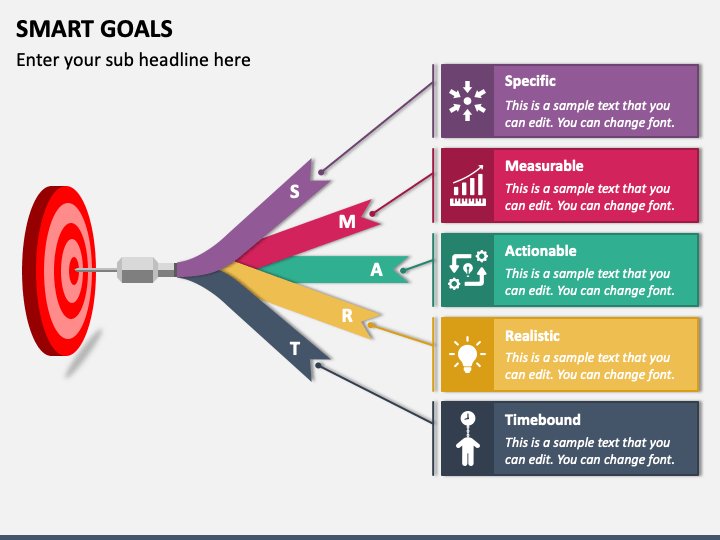
The SMART framework is a simple yet powerful template for goal-setting. It eliminates ambiguity, making your goals concrete and trackable. Instead of hoping for success, SMART goals provide a roadmap with milestones and deadlines. This method is versatile, applicable to fitness, finance, education, or business. For instance, a company might use it for sales targets, while a student applies it to study habits.
Research from Dominican University confirms that writing down SMART goals and sharing them increases achievement by 33%. The beauty lies in its balance: ambitious yet realistic. Understanding each letter unlocks its potential. Let’s dive into the breakdown.
S – Specific: Define Exactly What You Want
Specificity is the foundation of SMART goals. Vague goals lead to procrastination; precise ones spark action. Ask: What exactly do I want to accomplish? Who is involved? Where and how will it happen?
Bad example: “Improve my health.” SMART version: “Run 5 kilometers three times a week in my local park with a friend.” This specifies the action (run), distance (5km), frequency (three times weekly), location (local park), and involvement (friend). Specificity narrows focus, reducing overwhelm. In a professional context, “network more” becomes “Attend two industry networking events per month and connect with 10 professionals on LinkedIn.”
To make goals specific, use the 5W1H method: Who, What, Where, When, Why, How. This clarity activates your brain’s reticular activating system, filtering distractions toward your objective. Specificity alone boosts commitment significantly.
M – Measurable: Track Progress with Numbers
Measurable goals answer “How much?” or “How many?” Without metrics, success is subjective. Numbers provide evidence of progress, fueling motivation through small wins.
Example: Instead of “read more books,” say “Read 12 books in the next year, averaging one per month.” Track via a reading app or journal. For finances: “Save $5,000 for an emergency fund by depositing $416 monthly.”
Tools like apps (Habitica, Todoist) or spreadsheets make measurement easy. Milestones, like quarterly check-ins, prevent burnout. Measurability turns abstract aspirations into tangible achievements, with psychology backing it—progress visibility releases dopamine, reinforcing behavior.
A – Achievable: Set Realistic Challenges
Achievable (or attainable) goals stretch you without breaking you. Assess resources: skills, time, budget, support. Overly ambitious targets lead to failure and demotivation.
Transform “Lose 50 pounds in a month” to “Lose 20 pounds in six months by meal prepping weekly and exercising 30 minutes daily.” Factor in your lifestyle—busy parents might start with 10-minute workouts.
Conduct a feasibility audit: List barriers and solutions. If lacking skills, plan training. Achievability builds self-efficacy, per Bandura’s theory, creating a positive success cycle. Remember, it’s okay to scale up later.
R – Relevant: Align with Your Bigger Picture

Relevant goals resonate with your values, long-term vision, and current priorities. Ask: Does this matter? Is it worthwhile? Does it support other goals?
For a career changer: “Learn Python coding via online courses, 5 hours weekly, because it aligns with my tech job aspirations.” Irrelevant goals drain energy; relevant ones inspire.
Relevance ensures sustainability. Review life areas—health, relationships, career—using tools like the Wheel of Life. In teams, relevance fosters buy-in. This step prevents “goal regret,” keeping you committed.
T – Time-bound: Deadlines Drive Action

Time-bound goals have deadlines, creating urgency. Without them, tasks linger indefinitely. Specify start/end dates and milestones.
Vague: “Start a blog.” SMART: “Publish 12 blog posts by December 31, posting one monthly starting January 1.”
Use calendars for reminders. Parkinson’s Law states work expands to fill time—deadlines counter this. Time-bound goals enhance focus, with studies showing deadline-driven tasks complete 20-30% faster.
Step-by-Step Guide to Setting SMART Goals You Will Achieve
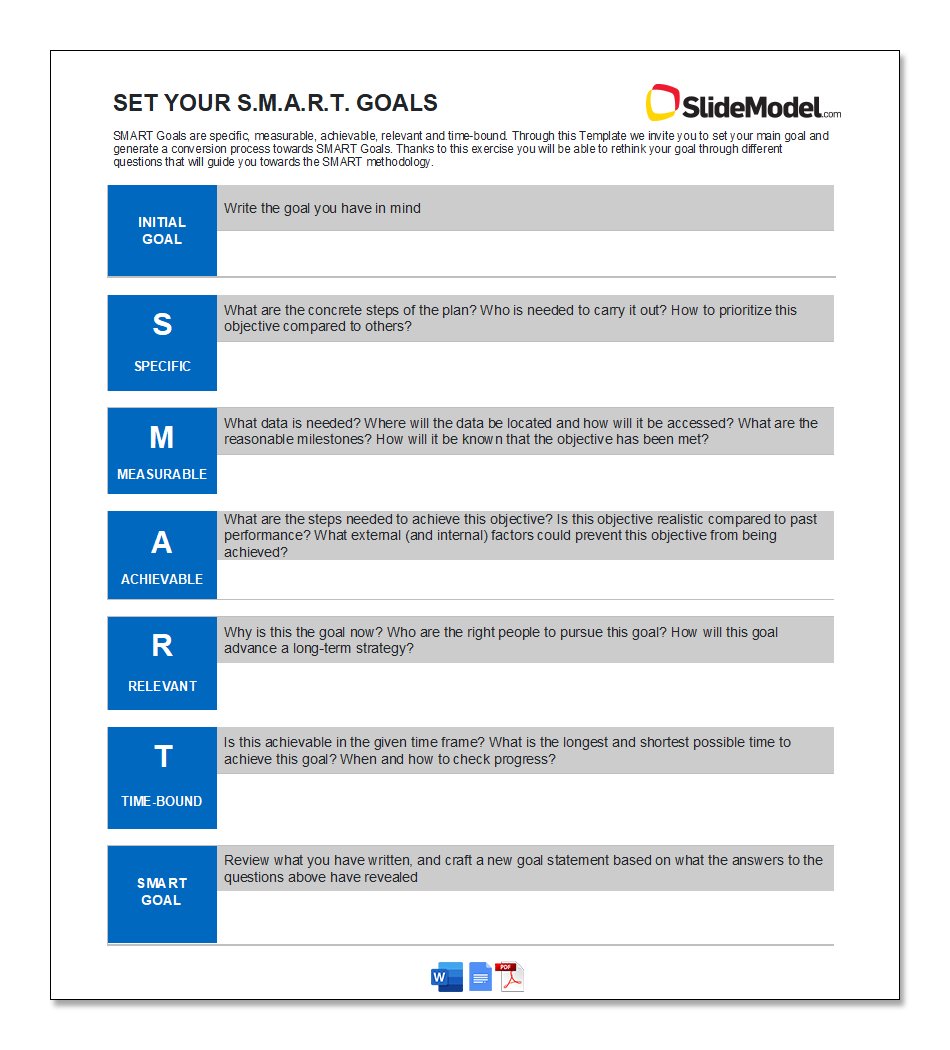
1. Brainstorm: List desires without judgment.
2. Apply SMART: Refine using the criteria.
3. Write it down: Use action verbs (e.g., “increase,” “complete”).
4. Break into sub-goals: Quarterly/monthly steps.
5. Share publicly: Accountability partners boost success.
6. Review weekly: Adjust as needed.
7. Celebrate wins: Reward progress.
This process, repeated, builds habit. Start small—one goal per area—to avoid overload.
Real-Life Examples of SMART Goals
Fitness: “Cycle 100 miles monthly for six months to prepare for a charity ride.”
Career: “Earn a PMP certification by studying 10 hours weekly, exam by Q3 end.”
Personal: “Meditate 10 minutes daily for 30 days to reduce stress.”
Business: “Grow email list by 1,000 subscribers in 90 days via weekly newsletters.”
These examples show versatility across domains.
Common Pitfalls in Setting SMART Goals and How to Avoid Them
Pitfall 1: Too many goals—limit to 3-5.
Pitfall 2: Ignoring flexibility—life changes; adapt.
Pitfall 3: Neglecting why—revisit motivation.
Pitfall 4: Perfectionism—progress over perfection.
Avoid by regular audits and self-compassion.
Tips for Sticking to Your SMART Goals
Visualize success daily. Use habit stacking (pair with routines). Track in journals/apps. Find communities. Reframe setbacks as lessons. Scale difficulty gradually. Consistency trumps intensity.
Incorporate rest to prevent burnout. Leverage tech: Google Goals, Strides app.
Conclusion: Achieve More with SMART Goals
Setting SMART goals isn’t just a tactic—it’s a mindset shift toward intentional living. By making goals specific, measurable, achievable, relevant, and time-bound, you create a blueprint for success you’ll actually follow. Start today: Pick one area, craft your first SMART goal, and watch transformation unfold. Consistent application yields compounding results. Your future self thanks you—now go achieve!
(Word count: 1,248)