
A Beginner’s Guide to Stargazing with Just Your Eyes
Introduction to Naked-Eye Stargazing
Feature Video
Stargazing is one of humanity’s oldest pastimes, offering a gateway to the wonders of the universe without needing expensive equipment. For beginners, stargazing with just your eyes—also known as naked-eye astronomy—is the perfect entry point. No telescopes, binoculars, or gadgets required; just you, the night sky, and a sense of wonder. This guide will walk you through everything from choosing the right location to identifying constellations and planets, helping you unlock the secrets of the cosmos on your first try.
Why go naked-eye? It’s accessible, free, and immersive. Light pollution from cities hides much of the sky, but with minimal preparation, anyone can spot thousands of stars, trace ancient constellations, and even glimpse the Milky Way. SEO-optimized searches for “beginner stargazing tips” or “naked eye stargazing guide” lead here because we’ll cover practical, actionable advice. Whether you’re in a rural backyard or a dark-sky park, stargazing builds patience, sharpens observation skills, and connects you to billions of years of cosmic history.
In this 1200-word beginner’s guide, expect detailed sections on timing, locations, what to look for, and pro tips. By the end, you’ll confidently point out Orion or Venus, turning any clear night into an adventure.
Finding the Perfect Stargazing Location
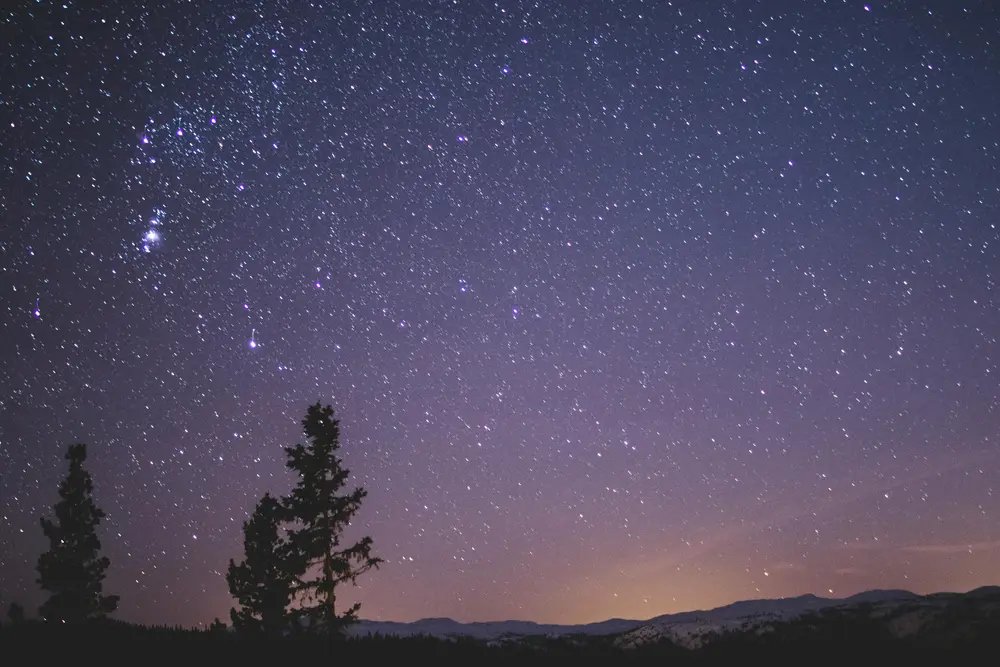
Location is everything in naked-eye stargazing. Urban areas drown stars in artificial light, so prioritize dark skies. Use tools like the Dark Site Finder (darkskyfinder.com) or Light Pollution Map to scout spots. Aim for Bortle Scale class 4 or lower—rural fields, national parks, or designated Dark Sky Reserves like those in New Zealand’s Aoraki Mackenzie or Utah’s Natural Bridges.
For city dwellers, drive 30-60 minutes out of town. Beaches, hilltops, or open fields work wonders. Safety first: inform someone of your plans, avoid trespassing, and check weather apps for clear skies. In the U.S., state parks like Cherry Springs in Pennsylvania host stargazing events tailored for beginners. Internationally, Chile’s Atacama Desert offers world-class views.
Pro tip: Face away from city glow. Northern Hemisphere viewers get better Milky Way sights in summer; Southern Hemisphere excels year-round with the Southern Cross. Parking lots near observatories are goldmines—free and fellow enthusiasts abound. With the right spot, even faint stars pop into view, making your first session unforgettable.
Best Times and Seasons for Stargazing
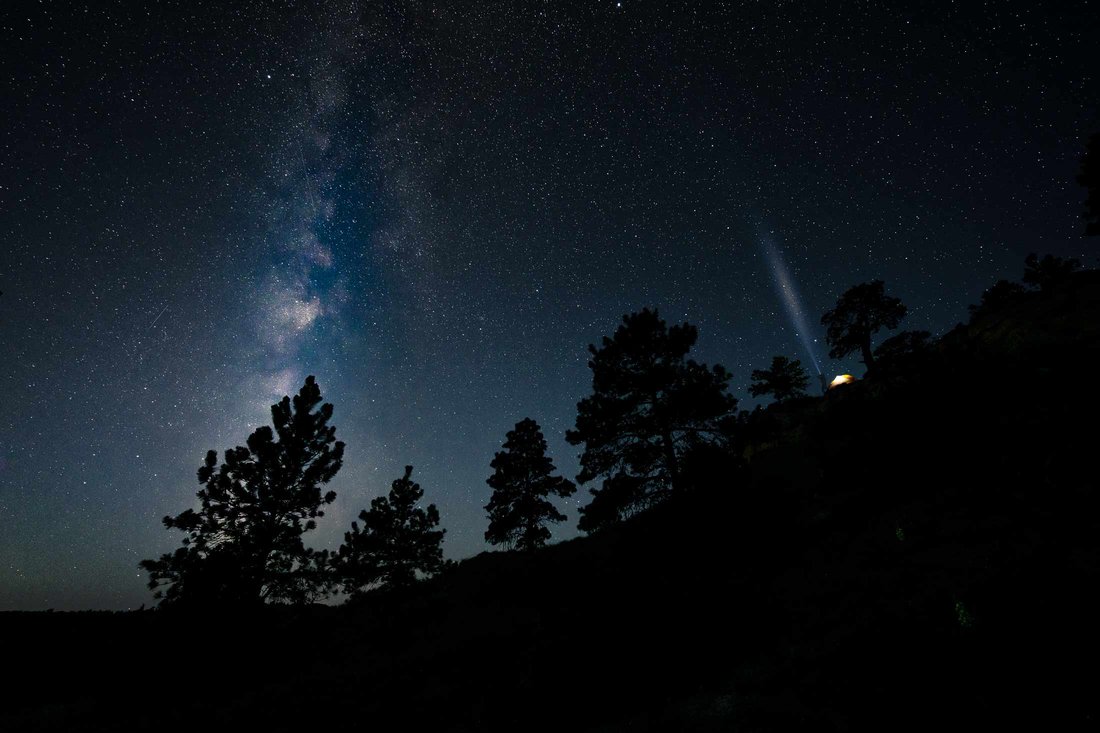
Timing maximizes visibility. New Moon phases are ideal—no moonlight washes out faint stars. Check moonrise/set calendars; stargaze post-sunset when skies darken fully, around 9 PM to 2 AM in summer, earlier in winter.
Seasons matter: Northern Hemisphere winters reveal Orion and Sirius brightly due to crisp air. Summers showcase Scorpius and Sagittarius toward the Milky Way’s core. Eclipses, meteor showers (Perseids in August, Geminids in December), and solstices amp up excitement—mark your calendar via timeanddate.com.
Your eyes adapt in 20-30 minutes, but arrive early. Cold nights sharpen air, reducing scintillation (twinkling). Avoid humid or windy conditions. Apps like Stellarium or SkySafari simulate skies, but true beginners stick to eyes for authenticity, using them sparingly for prep.
Learning Key Constellations for Beginners
Start with easy asterisms—star patterns within constellations. The Big Dipper (part of Ursa Major) is foolproof: seven bright stars forming a ladle. Follow its pointer stars to Polaris, the North Star, for orientation. From Polaris, trace Ursa Minor’s Little Dipper.
Winter’s Orion stands out: three belt stars align with reddish Betelgeuse and bluish Rigel. Extend the belt to Aldebaran in Taurus, a V-shaped bull face. Spring’s Leo roars with Regulus in its sickle. Summer’s Summer Triangle (Vega, Deneb, Altair) dominates. Autumn’s Great Square of Pegasus aids navigation.
Mnemonics help: “Arc to Arcturus, spike to Spica” from Big Dipper’s handle leads to Virgo’s stars. Practice weekly; constellations rotate seasonally, building pattern recognition. Stories add magic—Orion the hunter chases Pleiades (Seven Sisters), visible as a tiny dipper.
Spotting Planets with the Naked Eye

Planets outshine stars with steady glow (no twinkling). Five are naked-eye visible: Mercury (rare, near horizon), Venus (evening/morning star, dazzling), Mars (red, varies brightness), Jupiter (yellowish, steady), Saturn (golden, rings hinted at extremes).
Venus rivals aircraft lights; find it post-sunset. Jupiter and Saturn trail constellations—Jupiter near Taurus, Saturn in Aquarius lately. Mars flares during opposition every two years. Use planetarium apps pre-session, but trace their monthly wander against stars.
Observe phases: Venus waxes/gibbous like Moon. Jupiter’s moons need binoculars, but its disk is discernible on steady nights. Planets teach solar system scale—light minutes away versus stars’ light years.
Observing the Milky Way and Deep-Sky Wonders
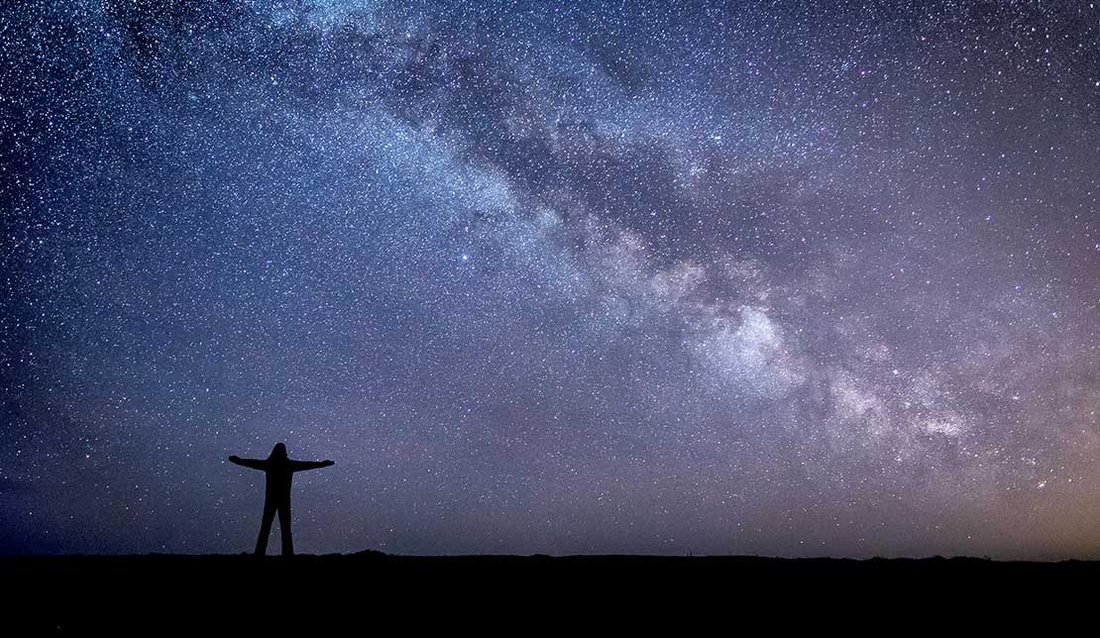
Under dark skies, the Milky Way appears as a hazy band—our galaxy’s disk edge-on, 100,000 light-years wide. Best from Sagittarius to Cygnus. Binoculars enhance, but eyes reveal dust lanes and bright patches.
Andromeda Galaxy (M31) is the farthest naked-eye object at 2.5 million light-years—a faint oval near Pegasus. Coathanger Cluster (Broichi) in Vulpecula looks like laundry. Look for dark rifts, star clouds; patience reveals details as dark adaptation kicks in.
Meteor showers peak hourly—lie back, let them streak. Satellites zip too; ISS is bright. Auroras thrill high latitudes. These ephemeral shows make naked-eye stargazing dynamic.
Essential Tips to Enhance Your Naked-Eye Experience

Protect night vision: use red flashlights (or phone red filter). Avoid screens pre-stargazing. Dress in layers—nights chill fast. Bring reclining chair, blanket, hot drinks, snacks. Lie supine for neck comfort; neck pillows help.
Eye health: blink, use artificial tears if dry. Train averted vision—look slightly aside for faint objects. Log sightings in a notebook: date, time, location, sketches. Join clubs like Astronomical League for star parties.
Weather apps predict transparency. Hydrate, but limit pre fluids. Families: kid-friendly stories engage. Pets? Dogs love it; cats, less so. Patience is key—skies unfold gradually.
Common Mistakes Beginners Make and How to Avoid Them
Don’t stargaze from lit porches—light kills dark adaptation. Skip cloudy nights; forecasts err, but radar helps. Over-relying on apps ignores learning curves. Rushing: sit 30+ minutes.
Horizon haze fools—wait for stars to rise. Confusing planes/Satellites for stars: they move. Urban glare: turn back to it. Forgetting warmth leads to early quits. Pushing solo in remote spots risks safety—buddy up.
Avoid full moon; it blinds. Correct these, and sessions lengthen from 30 minutes to hours of bliss.
Conclusion: Your First Steps into the Stars
Beginner stargazing with just your eyes democratizes astronomy, proving the universe is for everyone. From Big Dipper basics to Milky Way majesty, you’ve got tools for magical nights. Start local, graduate to road trips. Share with friends; it bonds deeply.
Resources: “The Stars” by H.A. Rey, Royal Astronomical Society apps (eyes-only mode), local planetariums. Track progress—soon, you’ll ID 50+ stars. Stargazing fosters mindfulness amid modern chaos, reminding us of cosmic humility.
Grab a blanket tonight. Clear skies await. Happy stargazing!