
How to Set Professional Boundaries and Avoid Burnout: Essential Strategies for Career Success
Understanding Professional Boundaries and Burnout
Feature Video
In today’s fast-paced work environment, professionals across industries are grappling with increasing demands. Long hours, constant connectivity, and high expectations can lead to burnout—a state of emotional, physical, and mental exhaustion caused by prolonged stress. According to the World Health Organization, burnout is now recognized as an occupational phenomenon, affecting productivity and well-being. Setting professional boundaries is crucial for maintaining work-life balance, preventing burnout, and sustaining long-term career success. This comprehensive guide explores how to set professional boundaries and avoid burnout, offering actionable strategies tailored for modern professionals.
Professional boundaries define the limits you place on your time, energy, and emotional involvement at work. They help separate personal life from professional responsibilities, ensuring you don’t overextend yourself. Without them, you risk blurred lines between work and home, leading to fatigue, resentment, and diminished performance. By learning how to set professional boundaries, you empower yourself to thrive rather than merely survive in your career.
Recognizing the Signs of Burnout

Before diving into solutions, it’s essential to identify burnout early. Common signs include chronic fatigue, even after rest; cynicism or detachment from work; reduced performance; irritability; sleep disturbances; and physical symptoms like headaches or gastrointestinal issues. A Gallup study found that 76% of employees experience burnout on the job at least sometimes, highlighting its prevalence.
If you’re feeling overwhelmed, procrastinating more than usual, or dreading Mondays with unusual intensity, burnout may be knocking. Early recognition allows you to implement boundaries proactively. Track your energy levels over a week—note when you feel drained versus energized—to pinpoint triggers like endless email chains or after-hours meetings.
Why Setting Professional Boundaries Matters
Establishing boundaries isn’t selfish; it’s strategic. They protect your mental health, boost productivity by fostering focus, and enhance relationships both at work and home. Research from the American Psychological Association shows that employees with strong boundaries report higher job satisfaction and lower stress levels. Boundaries also model healthy behavior for colleagues, creating a culture of respect and sustainability.
In remote and hybrid work setups, boundaries are even more vital. The always-on culture fueled by smartphones blurs lines, with 70% of professionals checking emails outside hours, per a Deloitte survey. Clear boundaries counteract this, ensuring you recharge effectively and return to work refreshed.
Step-by-Step Guide: How to Set Professional Boundaries
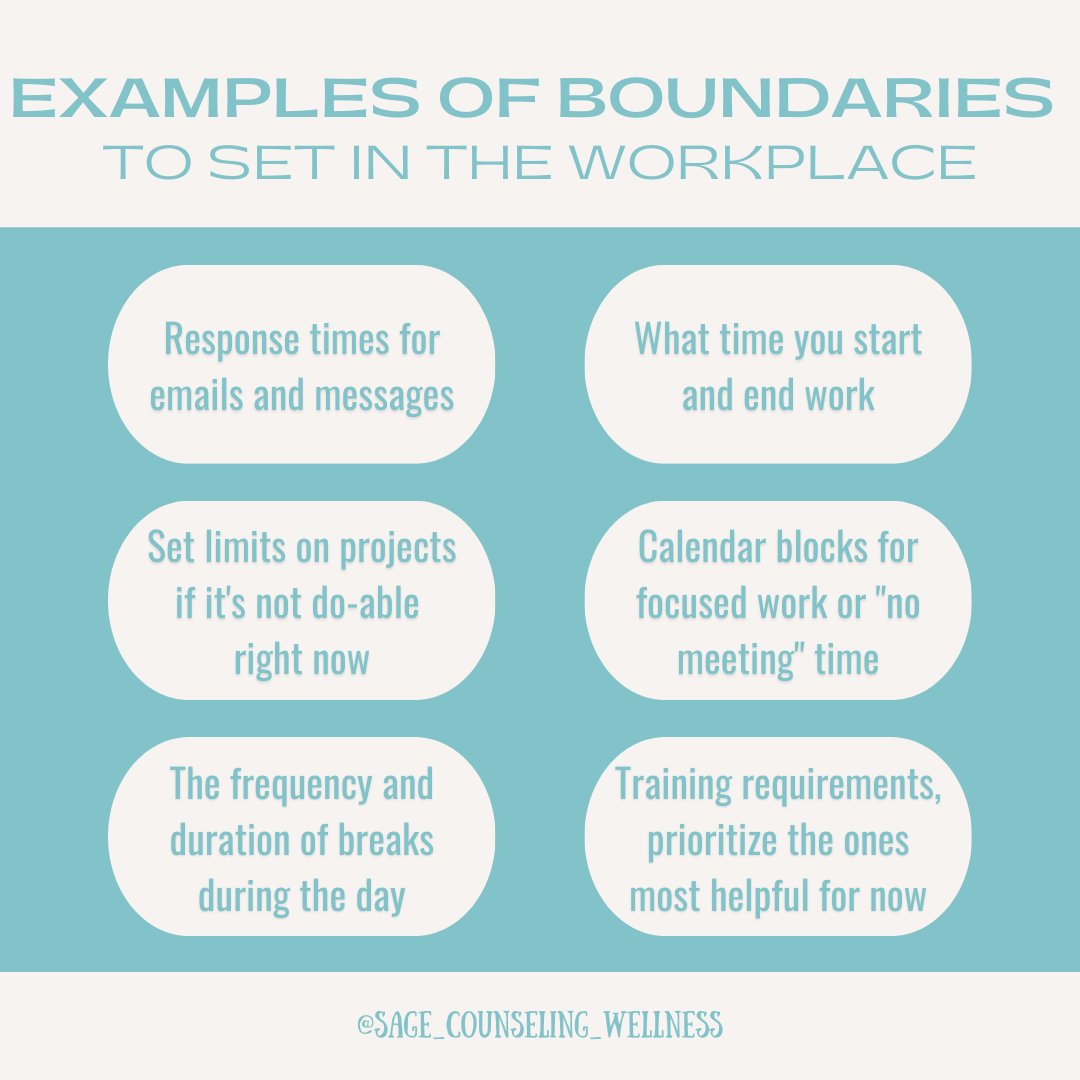
Setting boundaries requires intention and practice. Follow these steps to implement them effectively.
Step 1: Self-Reflection and Clarity
Start by assessing your current situation. Ask: What drains my energy? What do I value most—family time, hobbies, health? Journaling helps clarify non-negotiables. For instance, decide that work emails stop at 7 PM or that weekends are sacred. Clarity is key; vague intentions lead to inconsistent enforcement.
Step 2: Communicate Boundaries Clearly
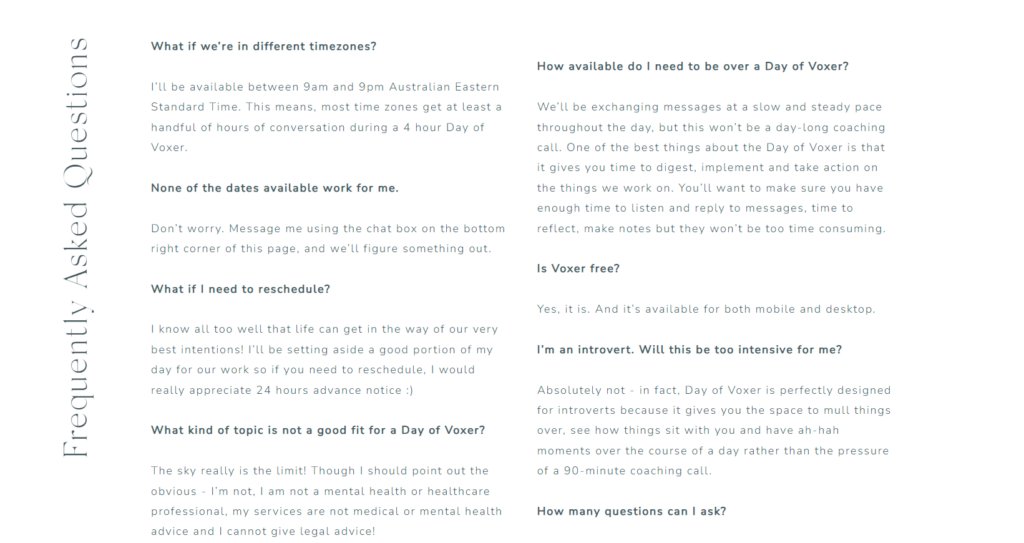
Boundaries unspoken remain unrespected. Use “I” statements to express them assertively: “I won’t check emails after 6 PM to ensure I’m fully present for my family.” Schedule a meeting with your manager to discuss expectations, like preferred communication channels or availability. Tools like email auto-responders (“I’ll respond during business hours”) reinforce this without confrontation.
For colleagues, set norms in team settings. Propose “no-meeting Wednesdays” for deep work or designate Slack channels for urgent vs. non-urgent matters. Consistency builds respect—others will adapt if you’re firm yet polite.
Step 3: Leverage Technology Wisely

Technology enables boundaries when used right. Use “Do Not Disturb” modes on phones during focused hours. Calendar blocking—reserving slots for breaks or personal tasks—prevents overbooking. Apps like Freedom or Focus@Will block distracting sites, while RescueTime tracks time usage for accountability.
Adopt the “inbox zero” philosophy selectively: batch emails twice daily instead of constant checking. These habits reclaim hours, reducing burnout risk.
Proven Strategies to Avoid Burnout

Beyond boundaries, holistic strategies fortify resilience. Prioritize self-care: aim for 7-9 hours of sleep, regular exercise, and nutritious meals. Mindfulness practices like meditation—via apps such as Headspace—lower cortisol levels, per Harvard studies.
Delegate ruthlessly. Perfectionism fuels burnout; identify tasks others can handle. Saying “no” gracefully preserves energy: “I’d love to help, but I’m at capacity this week—can we revisit next month?”
Foster work-life integration, not just separation. Pursue passions outside work—hobbies, volunteering—to recharge. Set quarterly goals balancing career and personal growth, tracking progress to stay motivated.
Maintaining Boundaries Long-Term
Boundaries require ongoing vigilance. Review them monthly: Are they working? Adjust as needed, like shortening response times if a promotion demands it temporarily. Build a support network—mentors or peers—who understand and reinforce your limits.
Handle pushback professionally. If a boss disregards boundaries, document instances and discuss impacts on performance. In toxic environments, consider if it’s time for change; job hopping for better culture is valid.
Lead by example. If managing a team, encourage their boundaries—flexible hours or mental health days—to cultivate a burnout-resistant culture. Companies like Basecamp thrive with policies like 4-day weeks, proving boundaries enhance output.
Real-Life Examples and Success Stories
Consider Sarah, a marketing executive overwhelmed by 60-hour weeks. She implemented boundaries: no emails post-5 PM, weekly unplugging Sundays. Within months, her productivity rose 25%, and she advanced professionally. Similarly, tech firms like Google promote “20% time” for personal projects, reducing burnout.
Freelancers benefit too. Tools like Upwork’s proposals set client expectations upfront: “Deliverables by EOD Friday; revisions next week.” This prevents scope creep and burnout.
Overcoming Common Challenges
Guilt is a hurdle—many fear seeming uncommitted. Reframe: boundaries demonstrate self-respect, attracting respect. Imposter syndrome may push overwork; combat with affirmations and achievements lists.
For introverts, social boundaries like limiting networking events preserve energy. Extroverts might schedule energizing interactions strategically.
Conclusion: Empower Your Career with Boundaries
Setting professional boundaries and avoiding burnout isn’t a luxury—it’s essential for sustainable success. By recognizing signs, communicating clearly, using tools, and prioritizing self-care, you reclaim control. Start small today: pick one boundary, like a daily walk sans phone, and build from there. Your future self—energized, fulfilled, and high-achieving—will thank you.
Implement these strategies, and watch your career flourish amid balance. For more career wellness tips, explore our resources on work-life harmony.
(Word count: 1,248)