
Understanding Food Expiration Dates: What’s Safe to Eat?
Introduction to Food Expiration Dates
Feature Video
Food expiration dates are a common sight on grocery store shelves, but do you really know what they mean? With millions of tons of food wasted annually due to confusion over these labels, understanding food expiration dates is crucial for both food safety and reducing waste. Terms like “sell by,” “use by,” and “best by” often lead to unnecessary tossing of perfectly safe food. This comprehensive guide demystifies food expiration dates, helping you determine what’s safe to eat, how to store food properly, and when to trust your senses over the date stamp. By the end, you’ll shop smarter, save money, and minimize your environmental footprint.
The Different Types of Food Date Labels Explained
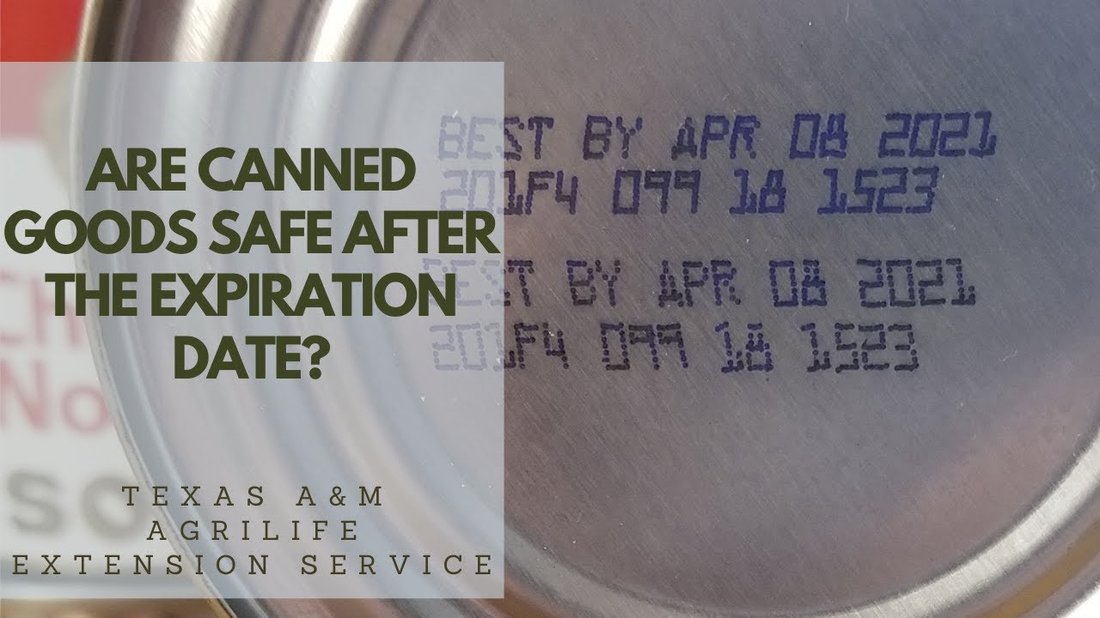
Not all expiration dates are created equal. In the United States, the FDA does not require most food products to carry expiration dates, except for infant formula. Manufacturers use voluntary labels to indicate quality or safety peaks. Here’s a breakdown:
Sell-By Date: Primarily for retailers, this tells store clerks when to pull items from shelves for optimal freshness. It’s not a consumer safety date—you can often safely eat food past this date if it looks and smells good.
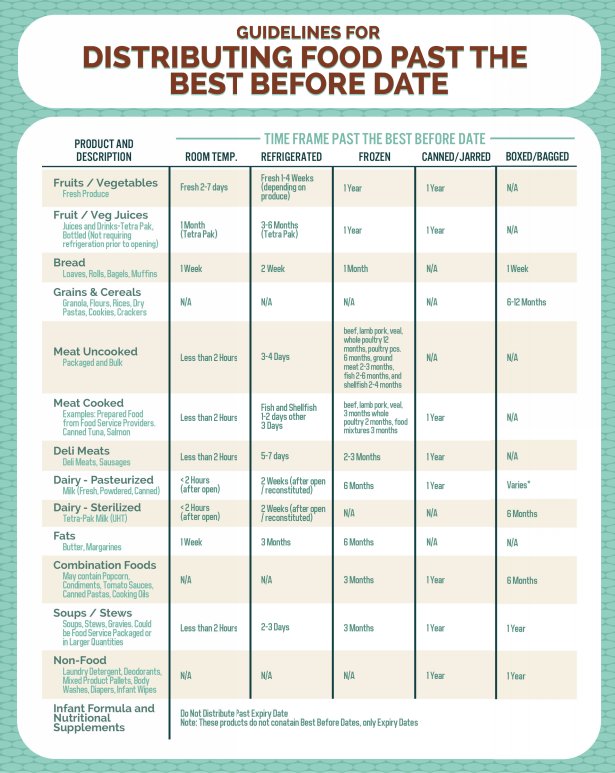
Best-By or Best Before: Indicates peak quality. Food remains safe to eat beyond this point, though flavor, texture, or nutrition might decline. Think chips that get stale but aren’t harmful.
Use-By or Freeze-By: The most critical for perishable items like meat or dairy. “Use by” suggests the last day for peak safety and quality; consume or freeze before this. Always err on caution here.
Packaged-On or Born-On: Common for beer or bread, marking production date. Add shelf life estimates (e.g., bread good for 7 days post-packaging).
Understanding these distinctions prevents panic-discarding. For instance, a carton of milk past its sell-by might still be fine for cooking if pasteurized properly.
How to Read and Interpret Food Labels Correctly
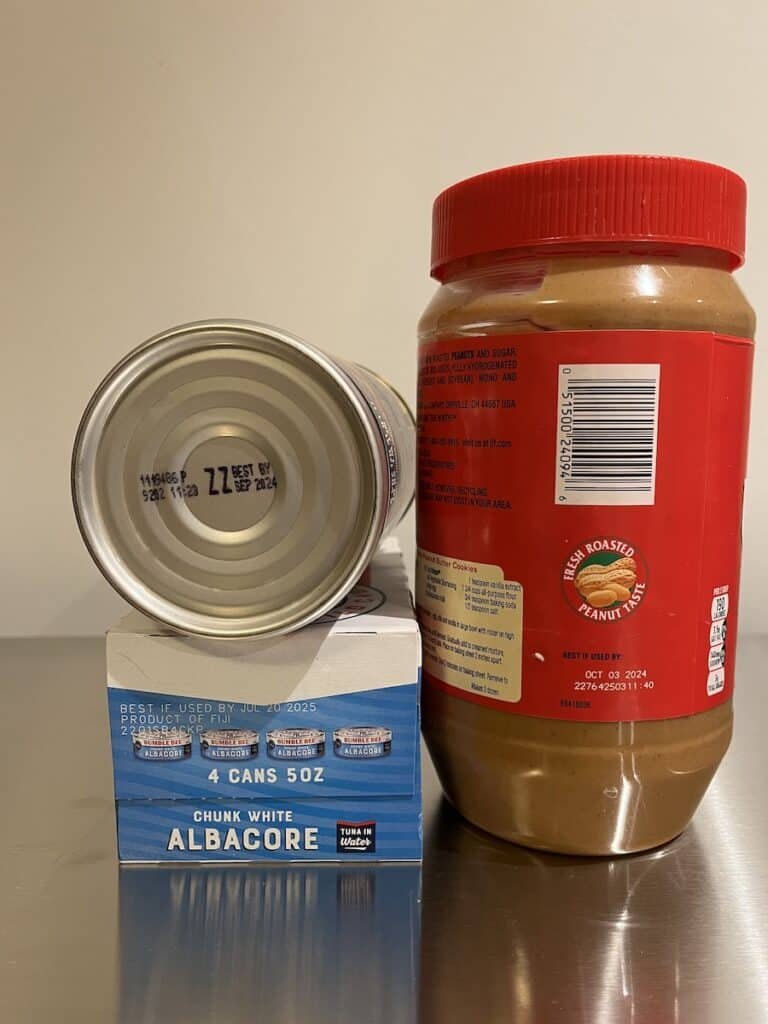
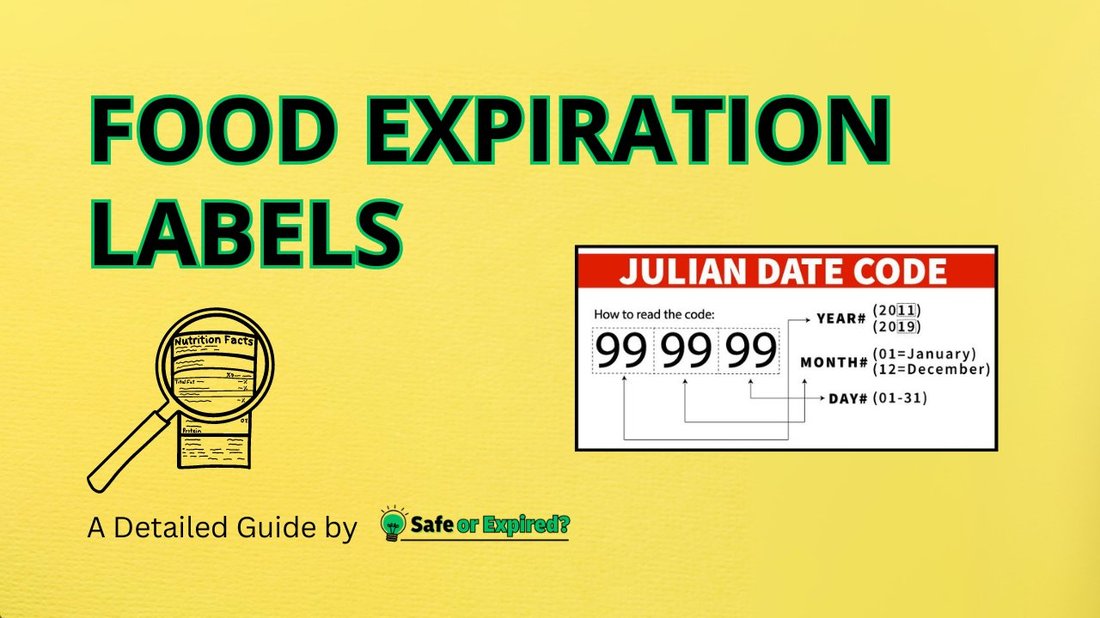
Labels can be confusing with fine print and varying formats. Look for the date in MM/DD/YY style or Julian dates (day of year, e.g., 120 for May 1). Open-date labeling is standard for perishables in most states. Check storage instructions: “Keep refrigerated” or “Store in cool, dry place.” Ingredients lists reveal preservatives extending life—canned goods with citric acid last longer.
For SEO-savvy shoppers, search “food expiration date chart” for printable guides from USDA. Apps like “Does It Go Bad?” scan barcodes for estimates. Always prioritize multi-sensory checks over dates alone, especially for unopened packages.
Sensory Signs: When Food Is Truly Spoiled
Dates are guidelines; your nose, eyes, and sometimes taste buds are the final judges. Safe-to-eat food post-expiration shows no spoilage signs:
- Visual Cues: Mold (fuzzy or black spots), discoloration (green meat, separated yogurt), sliminess.
- Smell Test: Sour milk, rancid oils (paint-like), ammonia fish—toss immediately.
- Texture: Mushy produce, sticky rice, crusty cheese exteriors (okay if interior fine).
- Taste: A tiny taste for non-meat items; spit if off.
Remember, harmful bacteria like Listeria or Salmonella don’t always alter appearance or odor, especially in meats. Cook thoroughly to kill pathogens.
Safe Storage Practices to Extend Shelf Life
Proper storage trumps dates. Refrigerate perishables below 40°F (4°C); freezer at 0°F (-18°C). FIFO (First In, First Out) rotation prevents forgotten items.
| Food Type | Fridge Shelf Life | Freezer Life |
|---|---|---|
| Raw Poultry | 1-2 days | 9 months |
| Ground Beef | 1-2 days | 4 months |
| Eggs | 3-5 weeks | 1 year |
| Milk | 7 days post-open | 3 months |
| Bread | 5-7 days | 6 months |
Pro tips: Wrap meats tightly to avoid freezer burn; store oils in dark, cool spots; freeze herbs in ice cubes. Vacuum sealing extends life dramatically.
Specific Foods: What’s Safe Past Expiration?
Dairy: Hard cheeses like cheddar last weeks mold-trimmed; soft like brie, days only. Yogurt: sniff for tartness overload.
Meats & Seafood: Cooked meats safer longer; raw chicken risky post-use-by due to Salmonella. Canned tuna safe years if undented.
Produce: Apples months in crisper; leafy greens wilt fast—revive in ice water.
Pantry Staples: Honey never spoils (archaeologists ate 3000-year-old viable honey); dry pasta indefinite if dry.
Baked Goods: Pastries with cream hazardous; crackers fine if crisp.
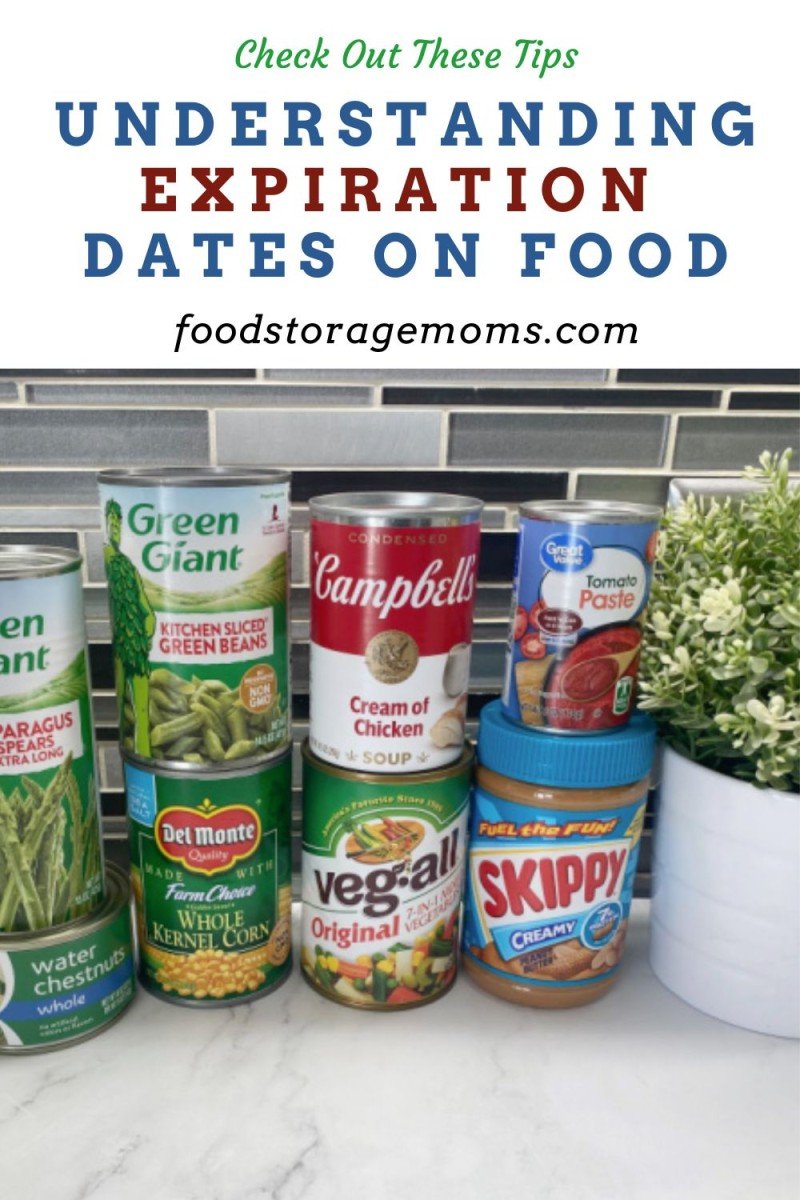
Canned goods: Check for bulging, leaks—botulism risk. Unopened, indefinite; opened, 3-4 days refrigerated.
Common Myths About Food Expiration Dates Busted
Myth 1: All expired food is dangerous. Reality: Most quality dates mean taste decline, not poisoning.
Myth 2: Freezing stops clock forever. Truth: Quality degrades; label frozen-by dates.
Myth 3: Dates universal globally. Nope—EU “use by” stricter; check local regs.
Myth 4: Leftovers good 3 days always. Depends: Rice risky for Bacillus cereus if reheated wrong.
Busting these saves $1,500/year per family (USDA estimate) while cutting landfill methane.
Health Risks of Eating Spoiled Food

Risks vary: Mild food poisoning (nausea, diarrhea) from Staphylococcus; severe from E. coli (kidney failure) or Listeria (pregnancy dangers). Vulnerable groups: Elderly, pregnant, immunocompromised—stick to dates strictly. Cross-contamination amplifies risks; clean surfaces post-handling.
Prevention: Cook meats to 165°F internal; pasteurize suspect milk. Hydrate during illness; seek doctor for bloody stools or fever over 102°F.
Tips to Reduce Food Waste and Shop Smarter
Buy smaller quantities; freeze extras immediately. Meal plan around sell-bys. Donate unopened past-bests to food banks. Compost truly spoiled. Track with apps like Olio or Too Good To Go for discounted near-expiry.
Advocate: Support uniform labeling via petitions. Home preservation (canning, fermenting) empowers self-reliance.
Conclusion: Empower Yourself with Knowledge
Understanding food expiration dates transforms grocery habits from wasteful to wise. Prioritize use-by for risks, senses for quality, and storage for longevity. Safe eating post-date is often reality—saving money, health, planet. Consult USDA’s FoodKeeper app for specifics. Next fridge check, trust knowledge over knee-jerk tosses. Your wallet (and waste bin) will thank you.
(Word count: 1217)