
A Beginner’s Guide to Essential Spices and How to Use Them
Introduction to Essential Spices
Feature Video
Spices are the unsung heroes of every kitchen, transforming ordinary ingredients into extraordinary dishes. For beginners, understanding essential spices and how to use them can elevate your cooking from basic to gourmet. This beginner’s guide to essential spices covers the must-have pantry staples, their flavors, origins, and practical applications. Whether you’re seasoning a steak, spicing up a curry, or baking sweet treats, these spices will become your go-to tools. We’ll explore 12 essential spices, storage tips, and usage techniques to help you master flavor like a pro. Keywords like “essential spices for beginners,” “how to use spices in cooking,” and “best beginner spices” will guide your journey into flavorful meals.
Spices offer more than taste—they provide health benefits such as anti-inflammatory properties from turmeric and antioxidants in cinnamon. Stocking your spice rack with these essentials ensures versatility for global cuisines, from Italian pasta to Indian curries and Mexican tacos. Start small, experiment boldly, and soon you’ll intuitively know how to balance flavors. Let’s dive into the list of essential spices every beginner needs.
Salt: The Foundation of Flavor
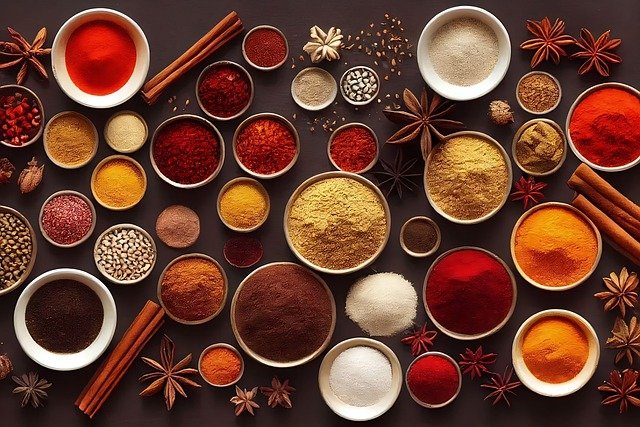
Salt is the most essential spice for beginners, enhancing natural flavors without overpowering them. Derived from sea water or mined rock, varieties like kosher salt (coarse for seasoning meats) and sea salt (mineral-rich for finishing) are ideal. Use salt to season water for boiling pasta or vegetables, rub it on chicken before roasting, or sprinkle on caramel for a sweet-salty contrast. Tip: Add salt early in cooking to draw out moisture and intensify taste, but taste as you go to avoid over-salting. In baking, it activates yeast and balances sweetness. A pinch transforms bland soups into savory delights—truly indispensable in any beginner’s guide to spices.
Black Pepper: The Universal Kick
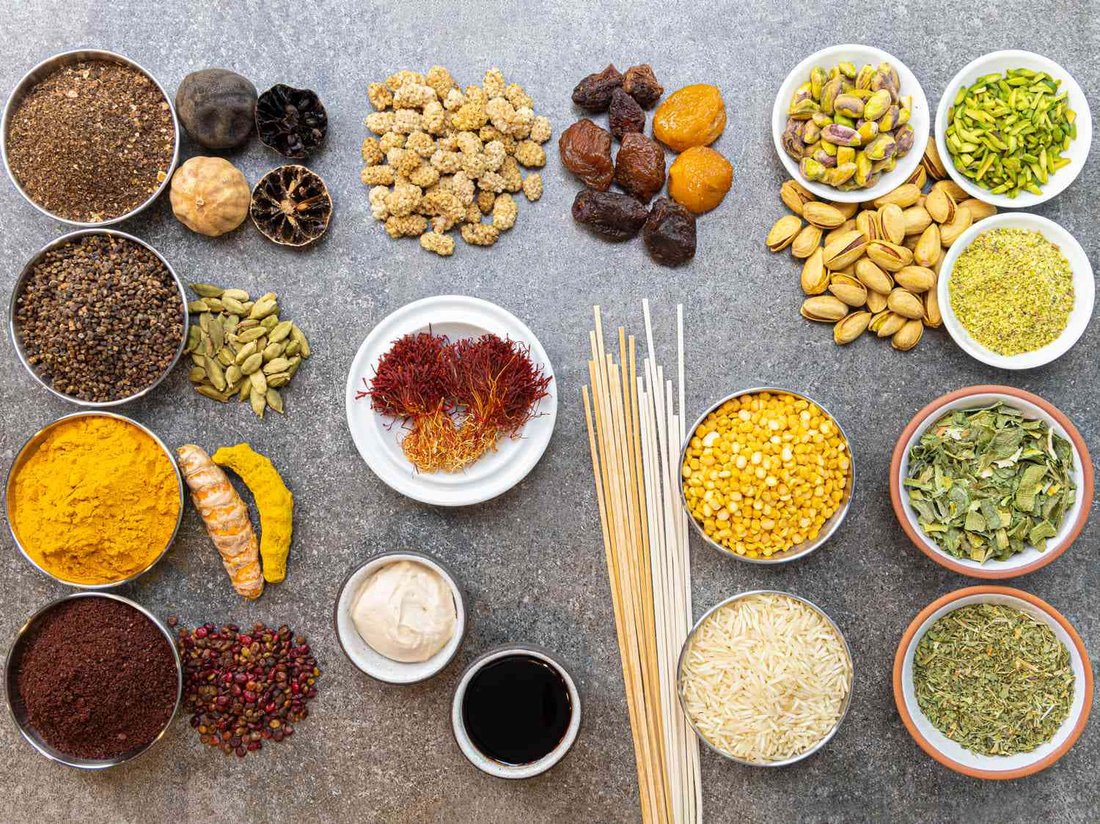
Freshly ground black peppercorns deliver a sharp, pungent bite that’s essential for every cuisine. Sourced from the Piper nigrum vine in India, it’s versatile for grinding over salads, eggs, or grilled meats. Use it in marinades for steak, pepper steak stir-fries, or creamy pepper sauces. Beginners should invest in a pepper mill for maximum aroma—pre-ground loses potency quickly. Pair with salt for a simple table seasoning, or add to soups and stews for depth. Health bonus: It aids digestion and boosts nutrient absorption. Mastering black pepper means mastering everyday enhancement.
Garlic Powder: Convenient Aroma
Garlic powder offers the intense, savory essence of fresh garlic without the chopping hassle, perfect for beginners. Made from dehydrated garlic cloves, it’s a staple in rubs, dressings, and sauces. Sprinkle on roasted potatoes, mix into burger patties, or stir into marinara for Italian flair. Use 1/8 teaspoon per clove equivalent. It’s shelf-stable and blends seamlessly in spice mixes like fajita seasoning. Caution: Don’t overpower dishes; start light. Essential for quick weeknight meals, garlic powder brings bold umami to meats, veggies, and dips effortlessly.
Paprika: Color and Mild Heat
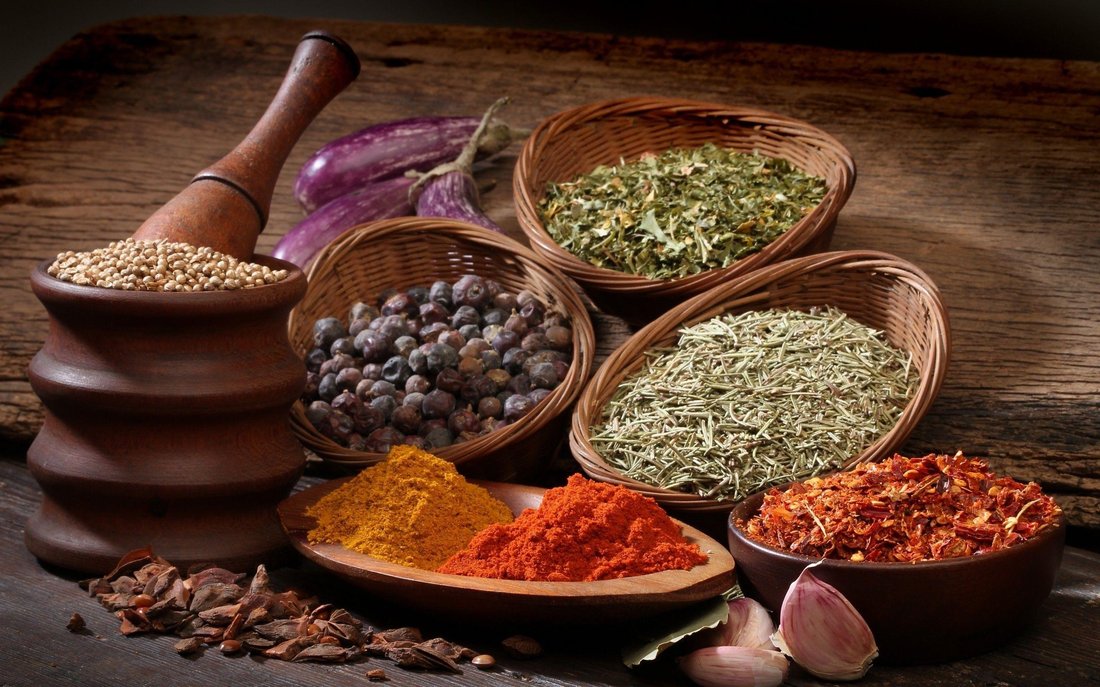
Paprika, ground from sweet or chili peppers in Hungary and Spain, adds vibrant red color and subtle smokiness. Sweet paprika suits creamy dishes like deviled eggs or potato salads, while smoked paprika enhances BBQ rubs and stews. Use in Hungarian goulash, Spanish paella, or sprinkle on popcorn. Beginners love its low heat profile—ideal for family meals. One teaspoon per pound of meat in rubs yields perfect flavor. Antioxidant-rich, it supports heart health. Experiment with hot paprika for spice lovers, but sweet is beginner-friendly.
Cumin: Earthy Warmth for Global Dishes
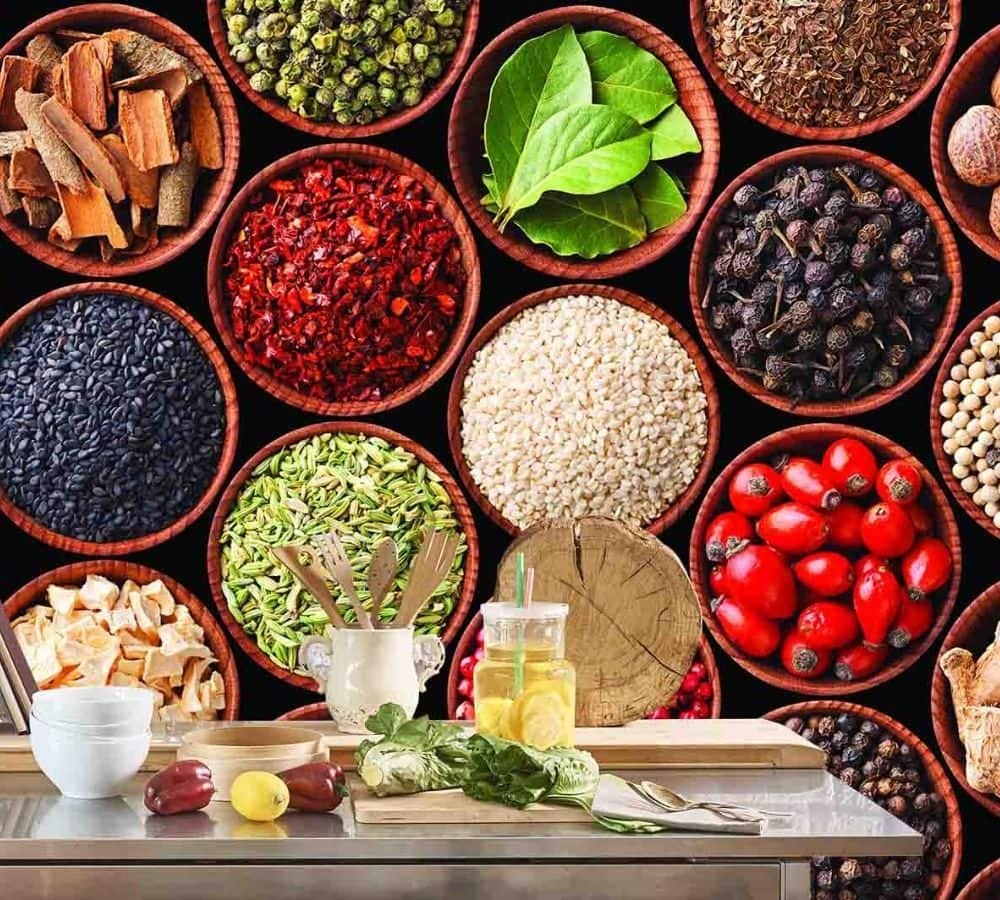
Cumin seeds or ground powder from the Middle East impart a nutty, earthy warmth crucial for Mexican, Indian, and Middle Eastern cooking. Toast seeds before grinding for intensified flavor. Use in taco seasoning, chili, curries, or hummus. A beginner’s trick: Bloom cumin in oil to release aromas in soups or rice pilafs. Pairs beautifully with coriander for balance. Digestive aid and iron source, it’s a powerhouse spice. Start with 1/2 teaspoon per serving to avoid bitterness.
Chili Powder: Adjustable Heat
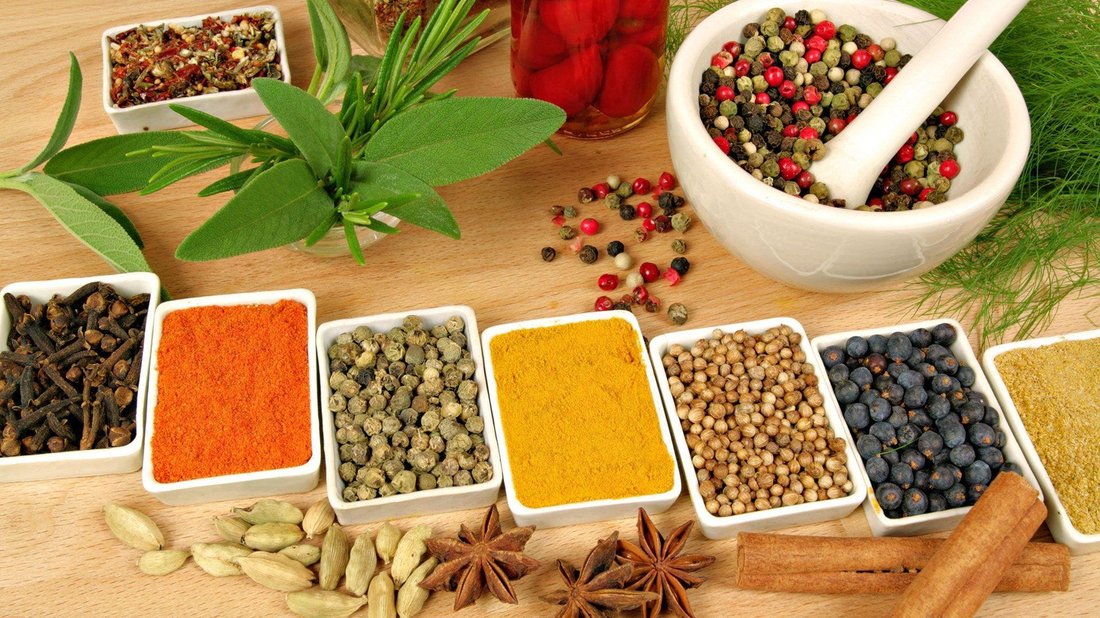
Chili powder, a blend of ground chiles, cumin, garlic, and oregano, is beginner-essential for Tex-Mex and spicy fare. Customize heat by choosing mild or hot varieties. Perfect for chili con carne, enchiladas, or spicy roasted nuts. Mix 1 tablespoon into ground beef for tacos. For non-spicy uses, add to cornbread or chocolate cake for depth. Capsaicin boosts metabolism—great for health-conscious cooks. Always taste-test; beginners can dilute with paprika.
Oregano: Herbaceous Italian Staple
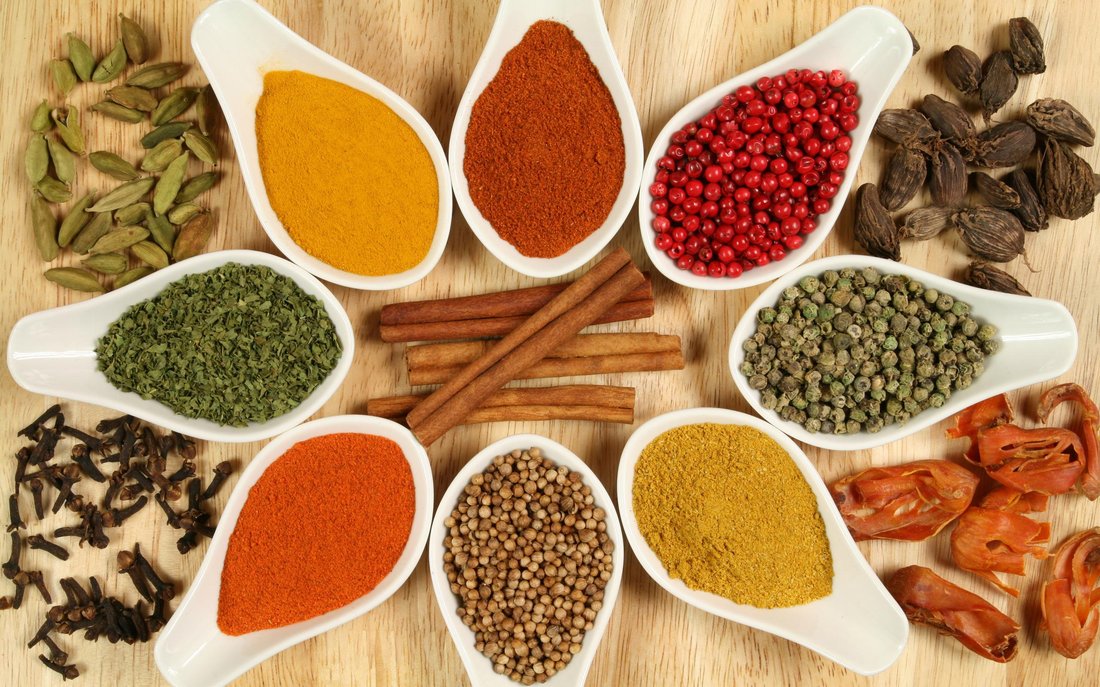
Dried oregano from the Mediterranean offers robust, slightly bitter notes for pizzas, pastas, and marinades. More potent than fresh, use half the amount. Essential in Greek salads, spaghetti sauce, or lemon-oregano chicken. Rub on lamb or mix into meatballs. Its antimicrobial properties aid immunity. Beginners: Crush leaves between fingers before adding to unlock oils. Versatile for herb blends like Italian seasoning.
Thyme: Subtle Earthiness
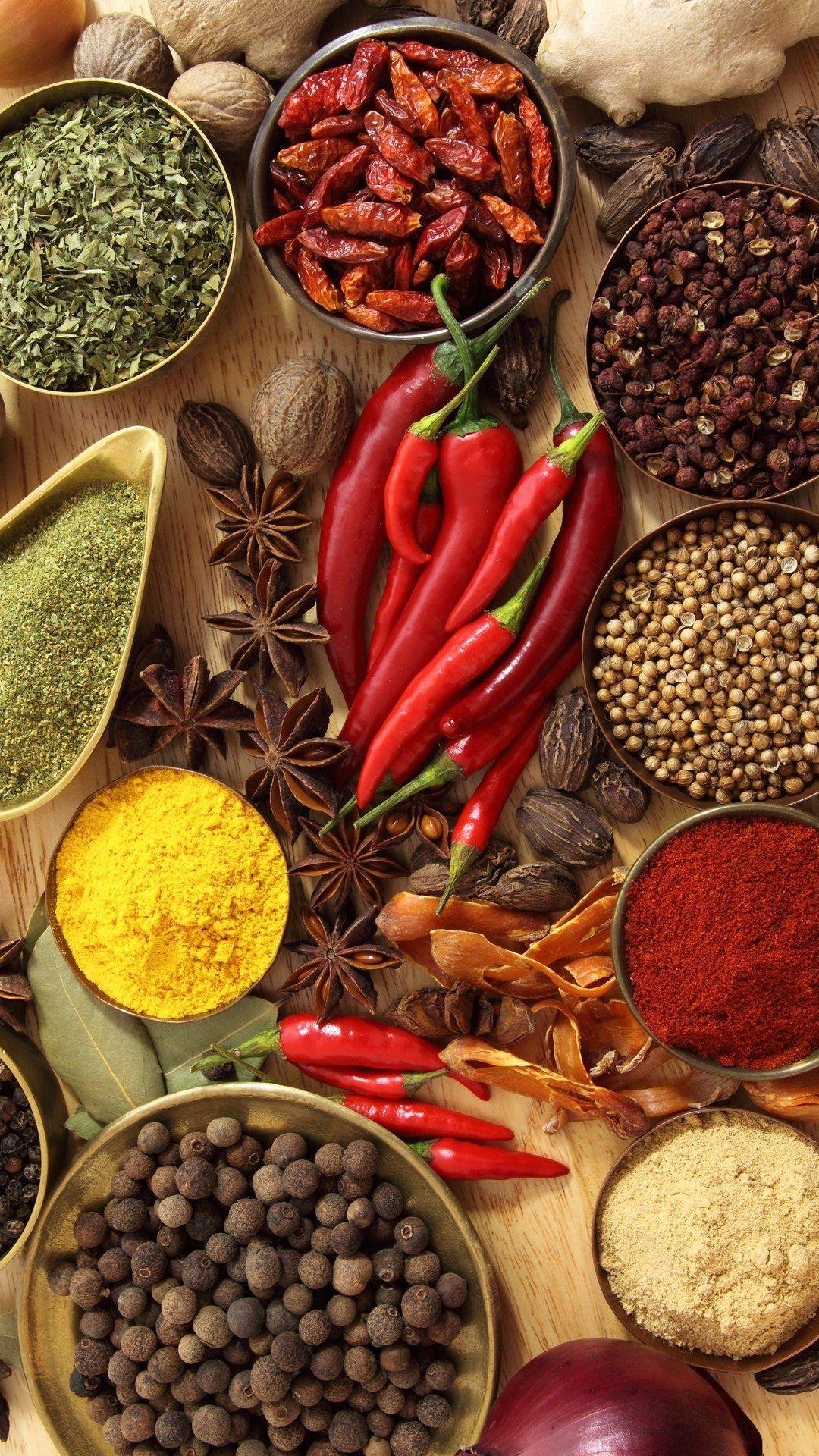
Thyme’s lemony, minty profile shines in French and Southern U.S. dishes. Dried leaves suit slow-cooked roasts, stews, and beans. Add to stuffing, soups, or herbed butter for steak. Strip leaves from stems for even distribution. Pairs with rosemary for poultry. Thymol provides antiseptic benefits. Use sparingly—1 teaspoon per 4 servings—to let other flavors shine.
Cinnamon: Sweet and Savory Star
Cinnamon bark from Sri Lanka warms sweets and savories alike. Ground for oatmeal, apple pie, or Moroccan tagines. In savory, add to curries or spiced meats. Beginners: Dust on lattes or yogurt. Blood sugar regulator. Use 1/4 teaspoon in baking to avoid overpowering.
Turmeric: Golden Anti-Inflammatory
Turmeric’s earthy bitterness and bright yellow hue define Indian curries. Pair with black pepper for absorption. Use in golden milk, rice, or scrambled eggs. Stains easily—use sparingly. Anti-inflammatory curcumin fights inflammation. Golden rule: 1/2 teaspoon per dish.
Ginger: Zesty Freshness
Ground ginger adds spicy sweetness to stir-fries, gingerbread, and teas. From Asia, it’s nausea-relieving. Use in Asian marinades or baked goods. 1/4 teaspoon equals 1 tablespoon fresh. Vibrant and versatile.
Building Your Spice Toolkit: Storage and Techniques
Store spices in cool, dark places in airtight glass jars—away from heat and light. Replace every 6-12 months for potency. Techniques: Toast whole spices, bloom in oil, layer flavors (build from base to finish). Start with pinches, taste iteratively. Create custom blends like curry powder.
Sample Recipes with Essential Spices
Try spice-rubbed chicken: Mix salt, pepper, paprika, cumin, garlic powder. Rub on chicken, bake. Or veggie stir-fry: Ginger, garlic powder, chili powder in oil. These showcase spice synergy.
Conclusion: Spice Up Your Cooking Journey
Mastering these essential spices empowers beginners to cook confidently across cuisines. Experiment, label jars, and track favorites. Your kitchen will buzz with aromas and flavors. For more “beginner’s guide to spices” tips, explore further. Happy cooking!