
5 Basic Plumbing Fixes Everyone Should Know How to Do
Knowing basic plumbing fixes can save homeowners time, money, and stress. Plumbing issues like leaky faucets, clogged drains, and running toilets are common household problems that don’t always require a professional plumber. With the right tools and a bit of know-how, you can tackle these DIY plumbing repairs yourself. This guide covers five essential plumbing fixes everyone should master, complete with step-by-step instructions, safety tips, and preventive advice. Whether you’re a first-time homeowner or just want to avoid emergency plumber calls at 2 a.m., these skills are invaluable. Not only do they empower you to handle minor issues promptly, but they also prevent small problems from escalating into costly water damage. Always remember to turn off the water supply before starting any repair, wear protective gloves, and have a bucket handy for spills. Let’s dive into these basic plumbing fixes and boost your home maintenance confidence.
How to Fix a Leaky Faucet: A Simple DIY Plumbing Repair
Feature Video
A dripping faucet is one of the most annoying and wasteful plumbing problems, wasting up to 3,000 gallons of water per year per faucet. Fixing a leaky faucet is a top basic plumbing fix that’s straightforward for beginners. First, identify the faucet type—compression, cartridge, or ball. For most standard fixtures, start by turning off the water supply valves under the sink.
Gather tools: adjustable wrench, screwdriver set, replacement washer or cartridge (match the model), plumber’s tape, and penetrating oil for stuck parts. Remove the handle by unscrewing the screw (often hidden under a cap). Expose the valve stem or cartridge. If it’s a worn washer, unscrew the packing nut, remove the stem, replace the washer and O-ring, then reassemble with plumber’s tape on threads for a watertight seal. For cartridge faucets, pull out the old one and insert the new matching cartridge.
Tighten everything snugly but avoid over-tightening to prevent cracks. Turn the water back on and test for leaks. If it persists, the seat might need resurfacing with a seat wrench or replacement. Pro tip: Apply penetrating oil to rusty parts beforehand. This fix typically takes 20-30 minutes and costs under $20. Regular maintenance like avoiding hard water buildup extends faucet life. Search terms like “how to fix dripping kitchen faucet” lead many to this essential repair, proving its popularity in DIY plumbing guides.
Unclogging a Sink Drain: Easy Steps for Clear Flow
Clogged sink drains from food scraps, grease, or hair are everyday nuisances. Learning to unclog a sink drain is a must-know basic plumbing fix. Begin with the plunger method: fill the sink with enough water to cover the plunger bell, plug the overflow hole with a wet rag, and plunge vigorously 10-15 times.
If unsuccessful, use a drain snake or zip-it tool for hair clogs—insert, twist, and pull out debris. For stubborn grease blockages, pour a mixture of 1/2 cup baking soda followed by 1/2 cup vinegar; let fizz for 15 minutes, then flush with boiling water. Avoid chemical drain cleaners if possible, as they damage pipes.
Disassemble the P-trap for deeper clogs: place a bucket underneath, unscrew the slip nuts, clean the trap, and check the tailpiece. Reassemble tightly. Tools needed: plunger, gloves, bucket, pipe brush, and plumber’s putty if needed. This DIY solution prevents backups into other drains. Prevent future clogs by using drain screens and avoiding pouring fats down the sink. Homeowners searching “unclog kitchen sink naturally” often find success with these methods, making it a cornerstone of basic plumbing fixes.
Fixing a Running Toilet: Stop the Phantom Flush

A running toilet, or “phantom flush,” wastes 200+ gallons daily due to a faulty flapper or fill valve. This is a critical basic plumbing fix that’s quick and inexpensive. Turn off the water at the shut-off valve behind the toilet.
Remove the tank lid and flush to empty the tank. Inspect the flapper (rubber seal at the tank bottom)—if warped or mineral-encrusted, replace it ($5-10). Unhook the chain, remove old flapper, and install new one, adjusting chain slack to 1/2 inch. Test by refilling the tank.
If the flapper is fine, check the fill valve. Adjust the float (arm or cup) to stop water 1 inch below overflow tube level. For worn valves, replace with a universal kit: shut off water, disconnect supply line, unscrew locknut, pull out old valve, insert new one, and reconnect. Tools: gloves, sponge, adjustable wrench, replacement parts. Realign the tank if needed with new bolts. This repair takes under an hour. Dye test for silent leaks: add food coloring to tank water; if bowl colors, replace flapper. Mastering “how to fix running toilet DIY” equips you for one of the most common household plumbing woes.
Unclogging a Toilet: Handle the Dreaded Blockage

Toilet clogs from excess paper or waste demand prompt action to avoid overflows. Unclogging a toilet is an essential basic plumbing fix using minimal tools. First, turn off water supply and use a flange plunger (with extension for deep seal).
Apply plunger over the drain hole, push down firmly to create suction, then pull up sharply—repeat 10-15 times. If no success, use an auger (toilet snake): insert flexible cable through the bowl flange, crank to break up clog, then retract. Wear gloves and protective eyewear.
For chemical-free options, try enzyme-based cleaners overnight. Avoid harsh acids on porcelain. If DIY fails, it’s time for a pro. Prevention: limit paper use, skip “flushable” wipes. Tools cost $20-50 total. This fix restores functionality fast, preventing water damage. SEO data shows “unclog toilet without plunger” as a high-volume query, highlighting its relevance in basic plumbing fixes tutorials.
Repairing a Dripping Showerhead: Restore Proper Pressure
Hard water minerals cause showerheads to drip and clog, reducing pressure. Fixing a dripping showerhead is a simple basic plumbing fix. Turn off water supply at the main or shut-off valve.
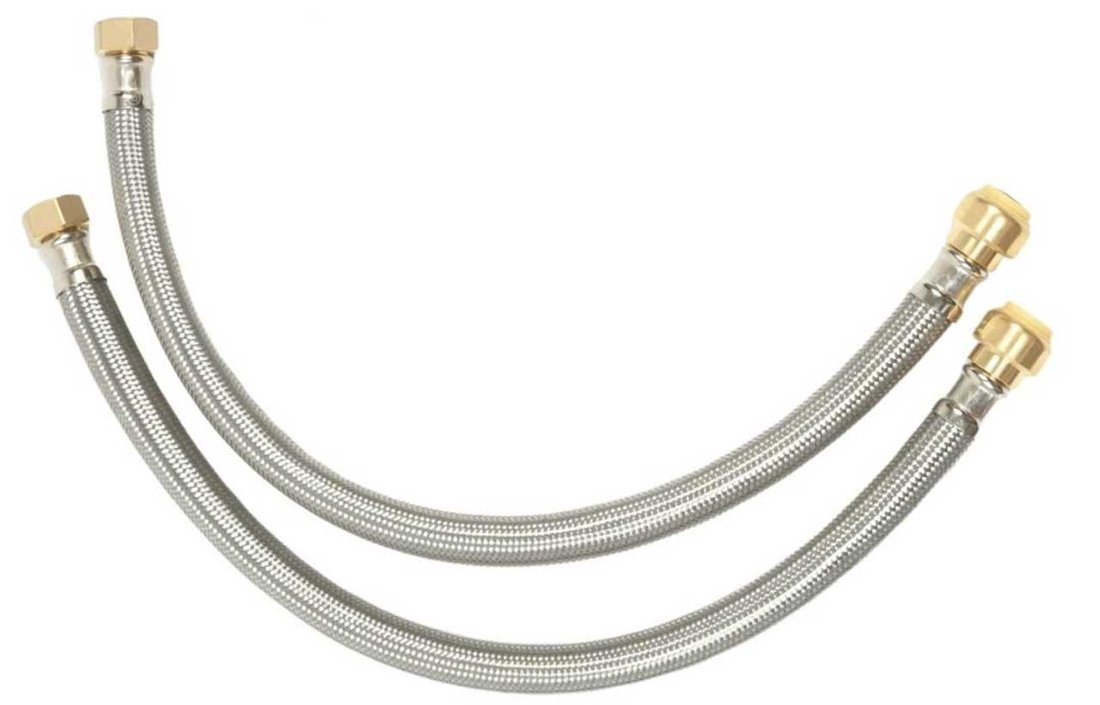
Wrap the showerhead with a rag and unscrew counterclockwise with pliers or channel locks—catch drips with a towel. Soak in vinegar for 30 minutes to dissolve buildup, scrub with a brush, rinse. Reapply plumber’s tape to threads (3-4 wraps clockwise), and screw back on hand-tight plus 1/4 turn.
For persistent drips, replace the washer inside or the entire showerhead ($15-30). Check the arm for leaks, tightening or taping as needed. Tools: vinegar, bag for soaking, tape, wrench. This 15-minute task improves water efficiency. Prevent by monthly vinegar soaks. Queries like “fix leaking shower head DIY” drive traffic to such guides, underscoring its practicality.
In conclusion, mastering these five basic plumbing fixes—leaky faucet, clogged sink, running toilet, clogged toilet, and dripping showerhead—empowers homeowners to handle 80% of common issues. Invest in a basic toolkit: plunger, wrench set, tape, snake, and parts. Regular inspections catch problems early. While these DIY plumbing repairs build skills, know your limits—call a licensed plumber for gas lines, major leaks, or sewage issues to avoid hazards. With these tips, you’ll save hundreds annually and maintain a leak-free home. Stay proactive, and your plumbing will thank you!