
X-Men Crash the MCU Party: Wolverine & Deadpool’s Wild Connection Exposed!
The Dawn of Mutants in the Marvel Cinematic Universe
Watch Related Video Coverage
The Marvel Cinematic Universe (MCU) has long been the gold standard for superhero storytelling, weaving an intricate tapestry of heroes, villains, and cosmic threats since Iron Man’s debut in 2008. However, one corner of the Marvel universe remained tantalizingly out of reach: the X-Men. For nearly two decades, these iconic mutants—led by powerhouses like Wolverine and Deadpool—thrived in their own separate cinematic sandbox under 20th Century Fox. That all changed with a seismic industry shift and the announcement of a film that bridges worlds like never before. The topic of the “X-Men MCU Debut: Wolverine and Deadpool Connection” isn’t just hype; it’s a pivotal moment signaling the full integration of Marvel’s mutants into the MCU’s ever-expanding Phase 5 and beyond. This informative deep dive explores the history, the merger, and the explosive partnership that’s set to redefine Marvel’s future.
A Brief History of X-Men on the Big Screen
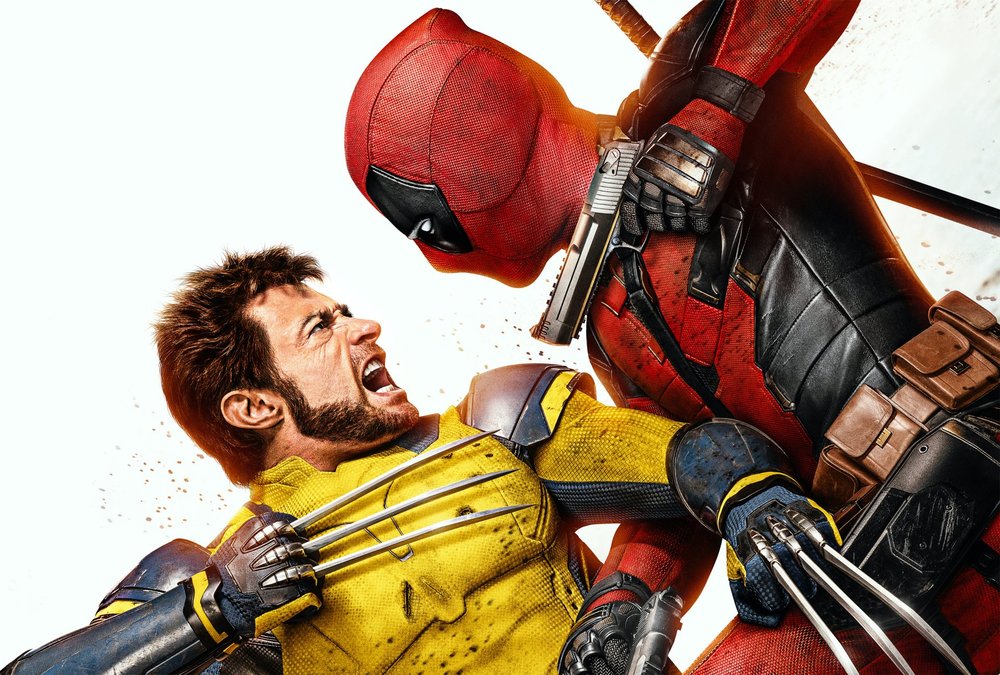
The X-Men franchise kicked off in 2000 with Bryan Singer’s X-Men, introducing audiences to Professor X, Magneto, Cyclops, Jean Grey, and, of course, Wolverine. Hugh Jackman, then a relative unknown in Hollywood, clawed his way into stardom as the gruff, adamantium-clawed Logan. Over the next 18 years, Fox produced a staggering 13 X-Men-related films, including trilogies, prequels like X-Men Origins: Wolverine (2009), and standouts like X-Men: Days of Future Past (2014) and Logan (2017). Logan, in particular, was a critical and commercial triumph, earning an Oscar nomination for Adapted Screenplay and grossing over $619 million worldwide.
Meanwhile, Deadpool emerged as a wildcard. Ryan Reynolds first donned the Merc with a Mouth in the maligned 2009 spin-off from X-Men Origins, but it wasn’t until 2016’s self-titled blockbuster that the character exploded. Deadpool shattered records as the highest-grossing R-rated film ever at the time ($783 million), followed by Deadpool 2 in 2018 ($785 million). These films’ irreverent humor, fourth-wall breaks, and unapologetic violence carved out a distinct identity, separate even from the main X-Men timeline due to multiverse shenanigans.
This Fox era was a mixed bag: groundbreaking visuals and character arcs alongside timeline inconsistencies and diminishing returns in films like Dark Phoenix (2019). Yet, it built a loyal fanbase hungry for more mutants in the MCU’s cohesive narrative.
The Game-Changer: Disney’s Acquisition of Fox
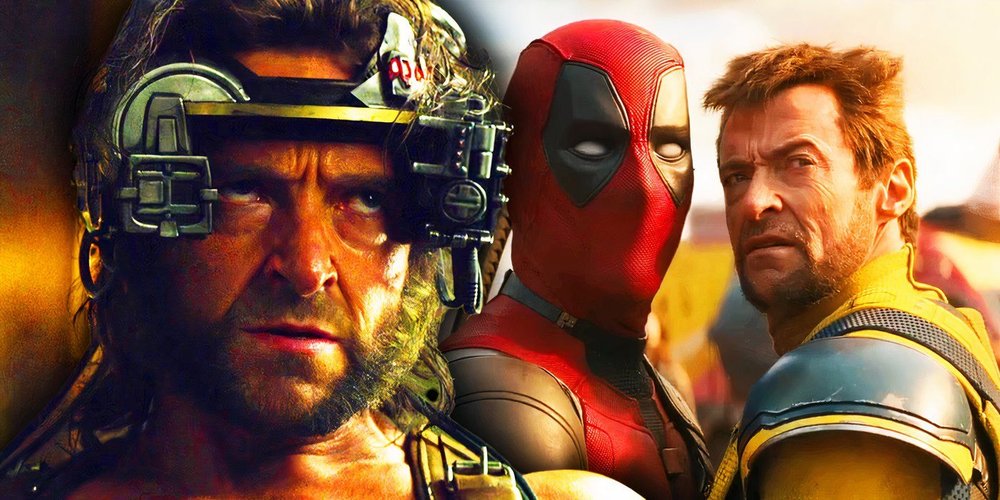
Everything shifted on March 20, 2019, when Disney finalized its $71.3 billion acquisition of 21st Century Fox. This deal handed Marvel Studios president Kevin Feige control over the X-Men, Fantastic Four, and Deadpool properties—rights previously locked away. Prior to the merger, MCU films like Deadpool couldn’t reference the Avengers or Infinity Stones without legal headaches. Post-merger, the floodgates opened.
Feige confirmed mutants’ arrival in a 2022 interview, teasing their role in the Multiverse Saga. The first concrete step? Deadpool & Wolverine, announced as “Deadpool 3” in 2022 but retitled to spotlight its dual leads. Slated for theatrical release on July 26, 2024, and directed by Shawn Levy (Free Guy, The Adam Project), it’s officially an MCU entry, complete with a post-credits tease in Deadpool 2 featuring Wolverine variants.
Wolverine and Deadpool: From Rivals to MCU Partners
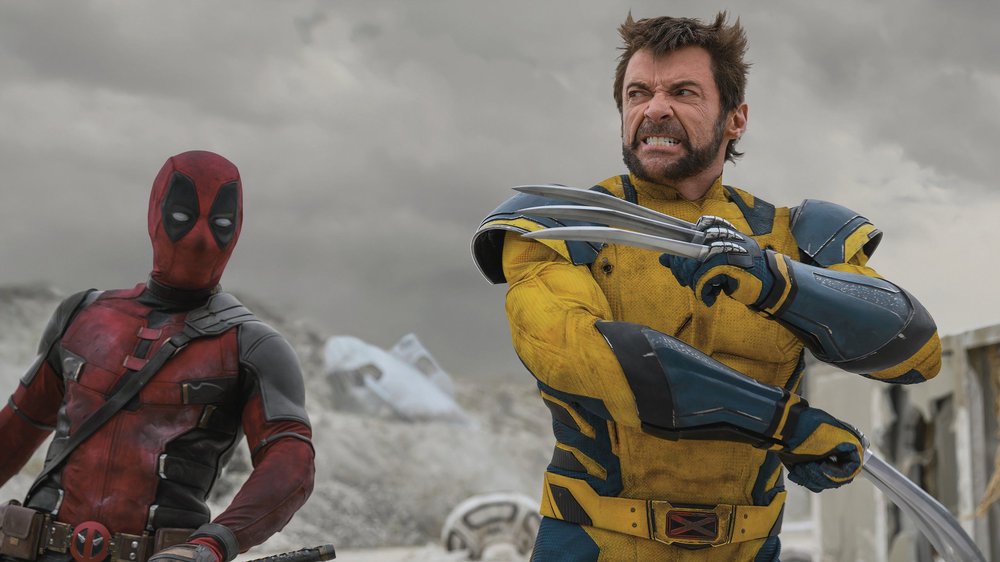
The connection between Wolverine and Deadpool is rooted in Marvel comics lore. Created by Chris Claremont and Frank Miller in Wolverine #1 (1982), their relationship spans frenemy dynamics, brutal fights, and uneasy alliances. Comics like Wolverine: Origins and Deadpool vs. Wolverine miniseries highlight their shared Weapon X history—Wolverine as Experiment X, Deadpool grafted with his healing factor.
In live-action, Jackman’s Wolverine retired after Logan‘s emotional send-off, but multiverse magic revives him as a variant. Reynolds’ Deadpool, ever the meta-commentator, pokes fun at Fox’s past flops while pulling Logan into MCU chaos. Trailers confirm cameos from Fox alumni like Dafne Keen (X-23) and teases from Doctor Strange in the Multiverse of Madness, like Blind Al (Leslie Uggams) and Vanessa (Morena Baccarin). New faces include Matthew Macfadyen as a mysterious agent, Emma Corrin as villain Cassandra Nova (Professor X’s evil twin), and Aaron Stanford reprising Pyro.
This duo’s MCU debut isn’t random. Deadpool’s irreverence contrasts Wolverine’s brooding intensity, promising box-office gold. Early buzz positions it as a $1 billion contender, blending R-rated edge with MCU spectacle.
How This Debut Signals Broader X-Men Integration
Deadpool & Wolverine serves as the X-Men’s MCU gateway. While not a traditional team-up like X-Men ’97 (Disney+’s animated hit echoing the 1990s series), it introduces mutant lore via multiverse incursions. Feige has hinted at more: rumors swirl of Ms. Marvel’s mutation confirmation in The Marvels (2023) paving the way, and upcoming films like Captain America: Brave New World (2025) and Thunderbolts* may feature mutants.
Long-term, expect a full X-Men reboot. Patrick Stewart’s Professor X appeared in Doctor Strange 2 (2022), and Kelsey Grammer’s Beast in The Marvels post-credits. Directors like Jake Schreier (Paper Towns) are attached to an X-Men movie, with Feige emphasizing fresh takes over Fox retreads. Avengers: Secret Wars (2027) could consolidate timelines, ushering mutants into the fray alongside Spider-Man, Fantastic Four, and more.
Why This Matters for Marvel Fans
The Wolverine-Deadpool connection transcends fan service. It honors 24 years of Fox films while injecting MCU polish—think higher stakes, VFX from Industrial Light & Magic, and crossovers impossible before. Economically, mutants boost a post-Endgame MCU facing superhero fatigue; Deadpool 2‘s $785 million proves R-rated viability in a PG-13 landscape.
Culturally, it spotlights themes of prejudice and identity central to X-Men comics by Stan Lee, Jack Kirby, and Chris Claremont. In today’s world, mutants as metaphors for marginalized groups resonate deeply, amplified by Reynolds’ social media savvy and Jackman’s enduring appeal.
Challenges and Expectations Ahead
Not without hurdles: Balancing tones—Deadpool’s crude humor vs. MCU’s heroism—risks alienating purists. SAG-AFTRA strikes delayed production, but reshoots wrapped swiftly. Critics praise test screenings for heart amid mayhem.
Merchandise mania underscores hype: Hot Toys figures, Funko Pops, and Xbox controllers themed around the film flood markets. Soundtrack rumors feature NSYNC reuniting, nodding to Deadpool 2‘s boy-band antics.
Conclusion: A New Era Dawns
The X-Men MCU debut via Wolverine and Deadpool’s connection isn’t just a movie; it’s a revolution. From Fox’s gritty origins to MCU’s infinite possibilities, this partnership claws open doors for Cyclops, Storm, Rogue, and Gambit. As fans count down to July 26, 2024, one thing’s certain: the MCU just got a whole lot more savage. Whether you’re a die-hard comic reader or casual viewer, buckle up—mutants are here, and they’re ready to rumble.
(Word count: 1,056)