
Negotiating Your Salary: A Step-by-Step Script with Examples
Negotiating your salary is one of the most critical moments in your career. Whether you’re accepting a new job offer or seeking a raise in your current role, mastering salary negotiation can significantly boost your earning potential over time. Studies show that failing to negotiate can cost you hundreds of thousands of dollars over a lifetime. This comprehensive guide provides a step-by-step script for salary negotiation, complete with real-world examples, to help you approach the conversation confidently and professionally. By following these strategies, you’ll learn how to negotiate salary effectively, handle objections, and secure the compensation you deserve.
Why Salary Negotiation Matters
Feature Video
Salary negotiation isn’t just about the immediate paycheck—it’s an investment in your future. According to a Glassdoor survey, 59% of workers don’t negotiate their salary, leaving money on the table. Successful negotiation demonstrates your value to the employer and sets the tone for future raises and promotions. It also builds your confidence in advocating for yourself. Before diving into the script, preparation is key. Research shows that prepared negotiators earn up to 10% more than those who wing it. This article breaks down the process into actionable steps with a ready-to-use salary negotiation script.
Step 1: Research Your Market Value
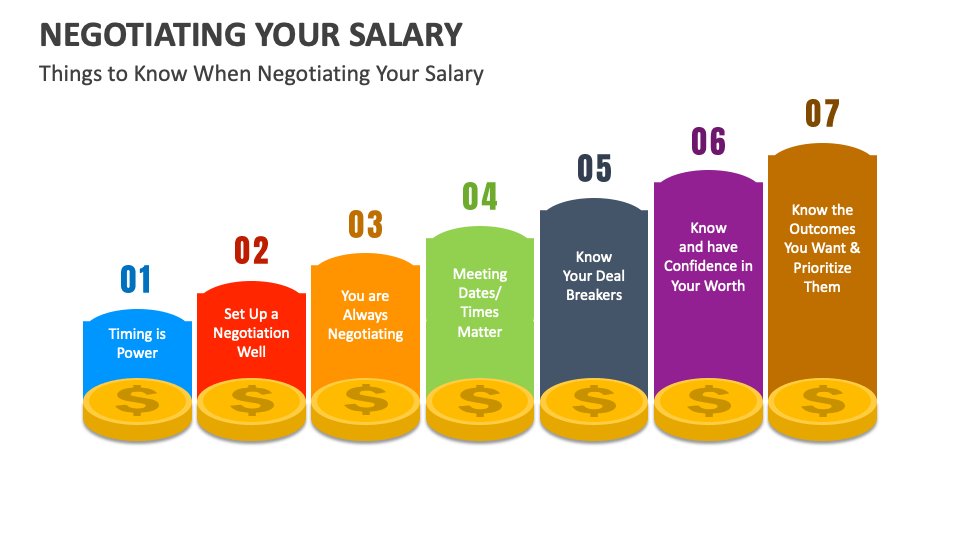
The foundation of any strong salary negotiation is data. Start by determining your market value using reliable sources like Glassdoor, Salary.com, Payscale, and LinkedIn Salary. Input your location, experience level, industry, and job title to get a realistic range. For example, a software engineer with 5 years of experience in San Francisco might see salaries ranging from $120,000 to $160,000 annually.
Consider the full compensation package: base salary, bonuses, equity, benefits, and perks like remote work or professional development stipends. Factor in your unique value—highlight achievements like “increased team productivity by 30%” or “managed a $2M project successfully.” Aim for the top of your researched range but be flexible. Document everything in a personal “value proposition” sheet to reference during the discussion. This preparation turns negotiating salary from a guessing game into a data-driven conversation.
Step 2: Choose the Right Timing

Timing can make or break your negotiation. For new jobs, wait until you receive a formal offer in writing—never negotiate verbally before this point. For internal raises, schedule after a performance review or major win, like completing a high-impact project. Avoid Fridays, end-of-day meetings, or during company crises. Propose a dedicated meeting: “I’d love to discuss my compensation in light of my recent contributions. Are you available next week?” This shows professionalism and gives them time to prepare.
Step 3: Prepare Your Mindset and Rehearsal
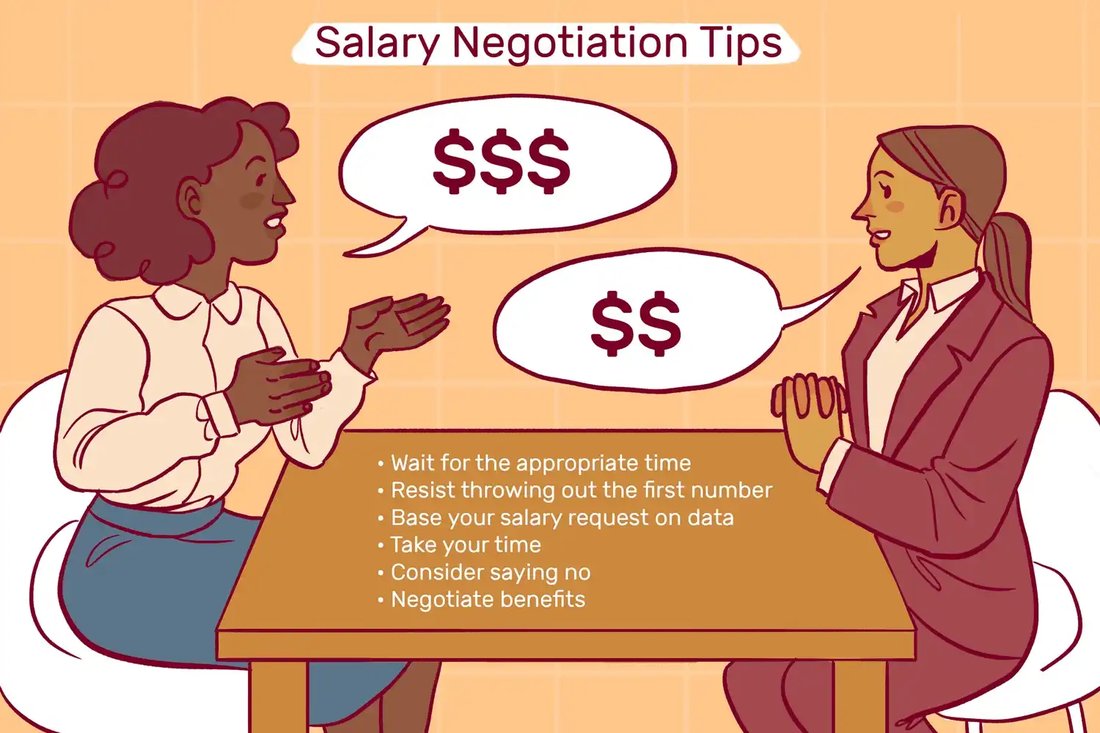
Approach negotiation as a collaboration, not confrontation. Adopt a positive, enthusiastic tone—employers want team players. Practice your script with a friend or mirror, recording yourself to refine delivery. Visualize success and prepare for pushback. Remember, silence is powerful; after stating your ask, pause and let them respond. This mental preparation ensures you stay calm under pressure during the actual salary negotiation script.
The Step-by-Step Salary Negotiation Script with Examples
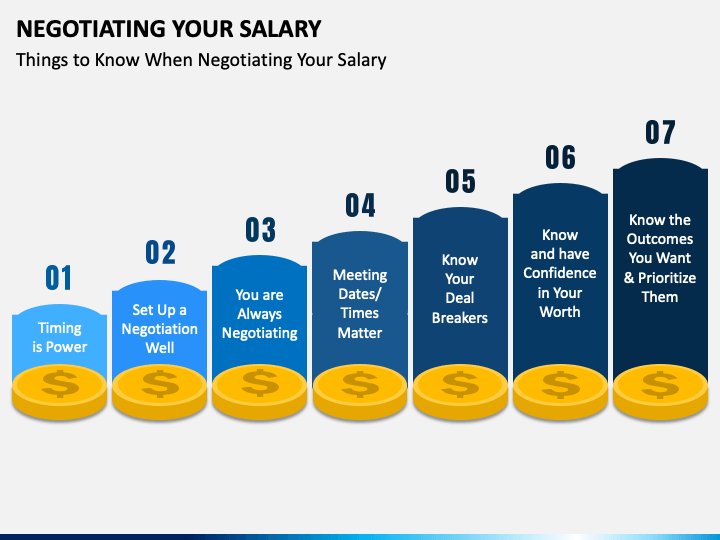
Here’s a proven salary negotiation script tailored for a new job offer. Adapt it for raises by referencing performance. Use this verbatim or tweak for your situation.
Opening: Express Enthusiasm
“Thank you so much for the offer—I’m thrilled about the opportunity to join [Company] and contribute to [specific team/project]. I’ve been looking forward to this.”
Example: “I’m excited about leading the marketing initiatives at XYZ Corp and building on my success in growing revenue at my last role.”
Step 1: Anchor High with Your Research
“I’ve reviewed the offer and appreciate the base salary of $X. Based on my research from Glassdoor and Payscale, similar roles with my [X years experience/skills] in [location/industry] typically range from $Y to $Z. Given my track record of [achievement 1] and [achievement 2], I’m targeting $Z.”
Example: “The $110,000 base is solid, but market data shows senior account managers here average $130,000-$150,000. With my history of closing $5M in deals annually, I’d like to discuss $145,000.”
Step 2: Justify with Value
“To give context, in my current role, I [specific accomplishment, e.g., ‘reduced churn by 25% through targeted campaigns’]. I’m confident I can deliver similar results here from day one.”
This builds your case without sounding demanding.
Step 3: Make the Ask and Pause
“Would you be open to adjusting the base to $Z, or perhaps enhancing the package with [bonus/equity] to reach that total value?” [Pause for 10-15 seconds.]
Example: “Can we move to $145,000 base, or add a $10,000 signing bonus?” Silence invites their counter.
Step 4: Handle the Counteroffer Gracefully
If they say, “Our budget is fixed at $X,” respond: “I understand budgets are tight. What flexibility is there for [perks like PTO, remote days, or performance bonus] to bridge the gap?”
Example Dialogue:
Them: “We can’t go above $120,000.”
You: “Fair enough. Could we include 15% performance bonus potential and 4 extra PTO days? That would make it a great fit for me.”
Step 5: Close Positively
“Thank you for considering this. I’m very enthusiastic about the role and flexible on how we structure the package.”
This script typically takes 10-15 minutes and has helped professionals secure 5-20% increases. Practice it multiple times for natural delivery.
Handling Common Objections in Salary Negotiation
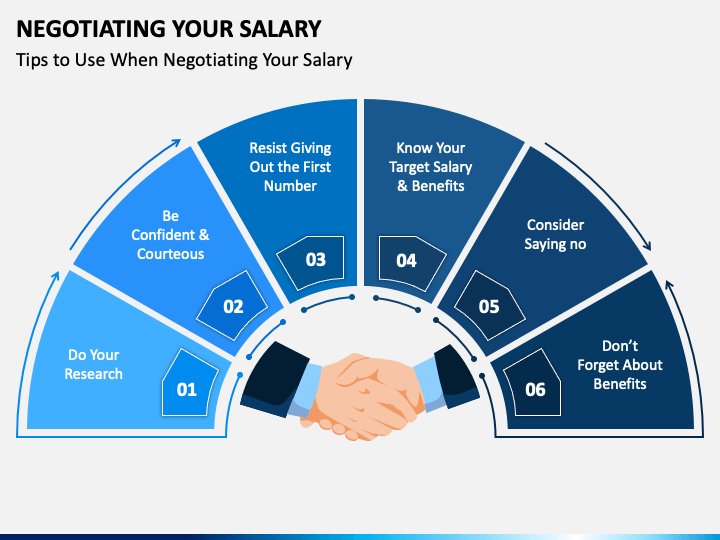
Employers may push back with “That’s above our range” or “We’re a startup with limited funds.” Counter with questions: “What would it take to get to that level?” or “How does the total compensation compare to market?” Never accept immediately—sleep on it and follow up via email summarizing agreements. If they won’t budge, evaluate if the opportunity outweighs the salary gap.
Follow-Up After the Negotiation

Send a thank-you email recapping the discussion: “Thank you for our talk today. To confirm, we’re aligning on $Z base with [details]. Excited to move forward!” Get everything in writing before signing. If no response in 48 hours, politely follow up.
Common Mistakes to Avoid in Salary Negotiation
Don’t apologize (“Sorry to ask, but…”), reveal your current salary, or negotiate too early. Avoid ultimatums like “Take it or leave it”—they damage relationships. Finally, don’t forget non-salary items; total comp often matters more.
Conclusion: Empower Your Career with Confident Negotiation
Mastering salary negotiation scripts empowers you to claim your worth. By researching thoroughly, using this step-by-step guide, and practicing, you’ll turn offers into optimal packages. Start small if needed, but always negotiate—your future self will thank you. Implement these tips today for long-term financial growth. For more career strategies, explore resources like Harvard Business Review or negotiate with a mentor.
(Word count: 1215)