
How to Build an Emergency Fund (Even on a Tight Budget)
Building an emergency fund is one of the smartest financial moves you can make, especially when living on a tight budget. Life is unpredictable—job loss, medical emergencies, or car repairs can strike at any moment. Without a safety net, you might resort to high-interest debt like credit cards. The good news? You don’t need a high income to start. This guide shows you practical steps to build an emergency fund, even if you’re scraping by. We’ll cover assessing your finances, cutting costs, boosting income, and more, optimized for anyone starting from zero.
Why an Emergency Fund is Essential
Feature Video
An emergency fund acts as your financial buffer, covering 3-6 months of living expenses. For those on tight budgets, even 1,000 dollars can prevent debt spirals. According to financial experts like Dave Ramsey, this fund should be in a liquid, accessible account—not your checking or retirement savings.
Imagine your car breaks down costing 500 dollars. Without savings, you’re borrowing at 20% interest. With an emergency fund, you pay cash and move on. Studies from the Federal Reserve show nearly 40% of Americans can’t cover a 400-dollar emergency, highlighting the urgency. Starting small builds discipline and peace of mind, reducing stress and improving financial health.
Step 1: Assess Your Current Financial Situation

Before saving, know where your money goes. Track every expense for one month using apps like Mint or a simple spreadsheet. Categorize into needs (rent, food, utilities) and wants (dining out, subscriptions).
Calculate your net income minus essentials. If you’re in the red, prioritize debt payoff first—but allocate 5-10% to emergencies anyway. On a tight budget, say 2,500 dollars monthly income with 2,200 in bills, you have 300 dollars wiggle room. Aim to save 50-100 dollars initially. This audit reveals leaks like unused gym memberships or daily coffees adding up to 100 dollars monthly.
Pro tip: Use the 50/30/20 rule adapted for tight budgets—50% needs, 30% wants (trimmed), 20% savings/debt. Adjust to 60/20/20 if needed. Honesty here sets the foundation.
Step 2: Set Realistic Savings Goals

Don’t aim for 10,000 dollars overnight. Start with 1,000 dollars, then build to one month’s expenses (e.g., 2,000 dollars). Break it into milestones: 100 dollars in week one, 250 in month one.
For tight budgets, calculate mini-goals. If saving 25 dollars weekly, you’ll hit 1,000 in under a year. Use visual trackers like jars or apps (YNAB—You Need A Budget) for motivation. Make it specific: “Save 500 dollars by June for car repairs.” Realistic goals prevent burnout and celebrate wins, like treating yourself to a 5-dollar coffee upon hitting 250 dollars.
Step 3: Cut Unnecessary Expenses Without Sacrificing Joy
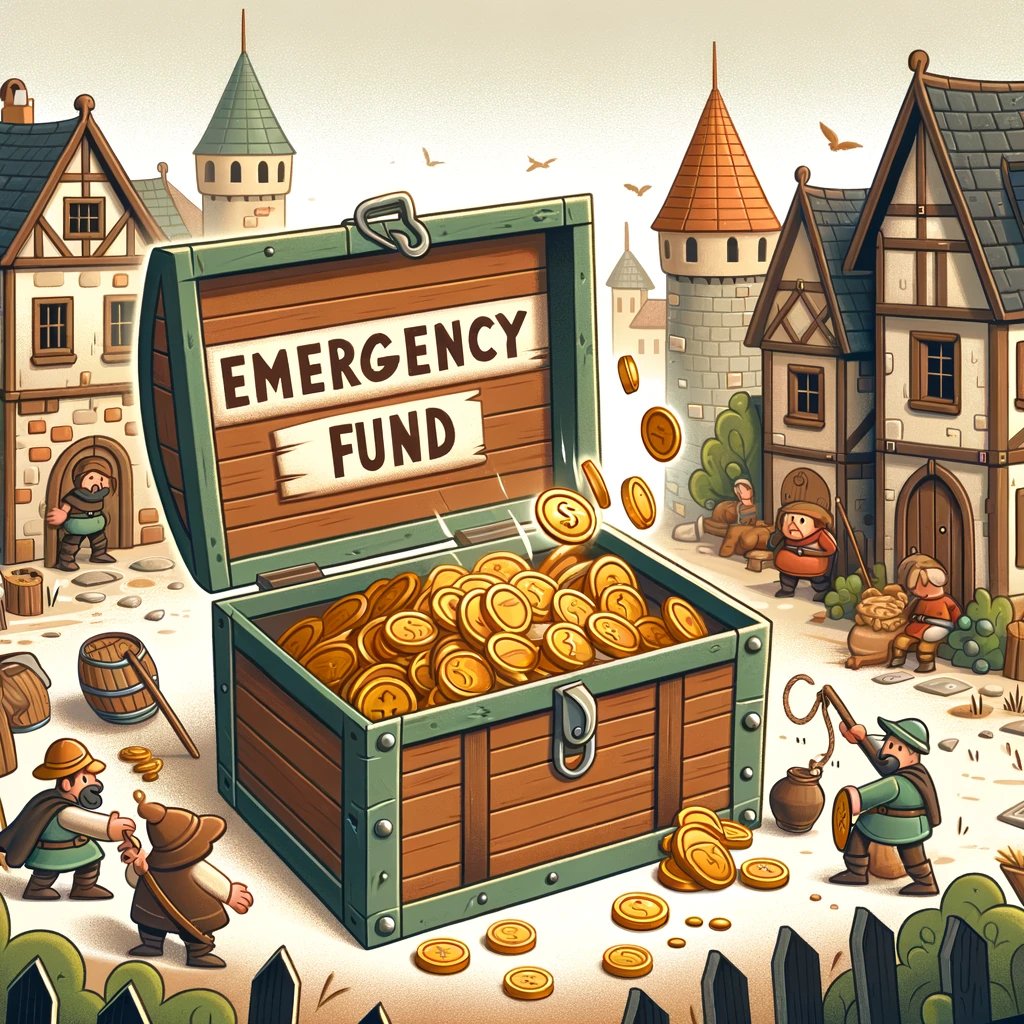
Trimming fat is key on tight budgets. Review your audit: Cancel unused subscriptions (Netflix if rarely watched—save 15 dollars/month). Cook at home—meal prep saves 200 dollars monthly vs. takeout.
Shop smarter: Buy generics, use coupons via Ibotta or Flipp apps. Switch to cheaper phone plans (e.g., Mint Mobile at 15 dollars/month). Energy hacks like LED bulbs and unplugging devices cut utilities by 20-50 dollars.
Entertainment? Free libraries, parks, or YouTube over paid streaming. Impulse buys? Implement 48-hour rules. These tweaks free 100-300 dollars monthly without feeling deprived. Track savings to see progress—many find they can save 10-20% more than thought.
Step 4: Boost Your Income with Side Hustles

Savings alone might not cut it—earn extra. Gig economy shines here: Drive for Uber Eats (20-50 dollars/night), freelance on Upwork (writing, graphic design if skilled), or sell items on Facebook Marketplace.
Low-effort options: Surveys via Swagbucks (5-10 dollars/hour), pet sitting on Rover, or yard sales. Rent out space—Airbnb a room or park spot via SpotHero. Tutoring online pays 20 dollars/hour. Dedicate 100% of side income to emergencies. Even 200 dollars extra monthly accelerates your fund twofold.
Long-term: Negotiate raises or job-hop for 10-20% bumps. Upskill free via Coursera for better-paying roles. Consistency turns hustles into habits.
Step 5: Automate Your Savings for Effortless Growth
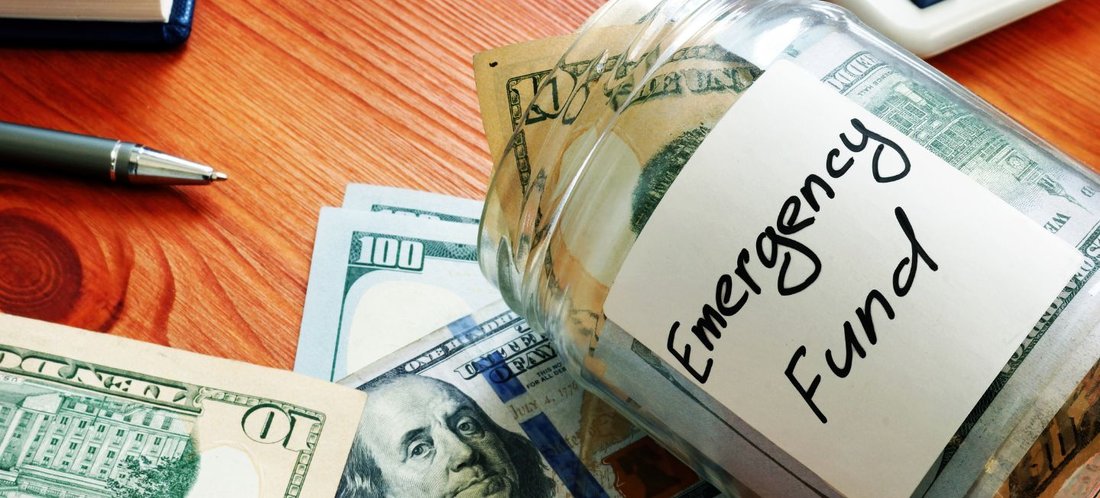
Out of sight, out of mind. Set auto-transfers post-payday: 25 dollars to a high-yield savings account (HYSA) like Ally (4%+ APY). Banks round up purchases (Acorns app invests change).
Paycheck splitting: Direct deposit 90% to checking, 10% to savings. Windfalls like tax refunds or bonuses go straight there—no touching. Automation builds the fund passively; many forget it’s growing.
Step 6: Choose the Right Account for Your Fund
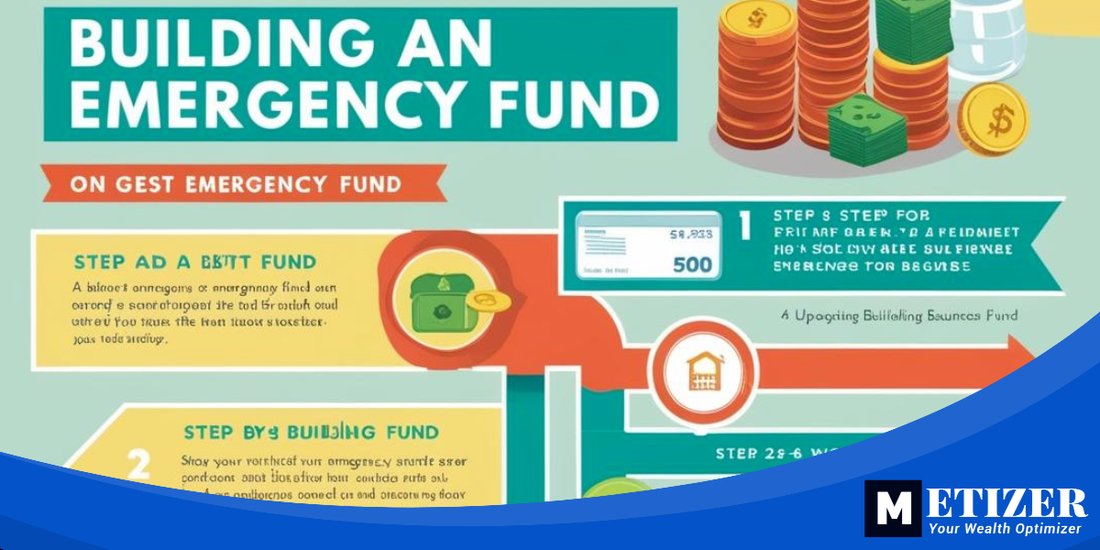
Keep it accessible yet separate. HYSAs offer better rates than checking (0.01% vs. 4-5%). Options: Capital One 360, Marcus by Goldman Sachs—FDIC-insured, no fees.
Avoid stocks; liquidity matters. For tight budgets, no minimums help. Ladder CDs if rates lock in, but prioritize access. Online banks beat brick-and-mortar yields, compounding your savings faster.
Step 7: Track Progress and Stay Motivated

Monthly reviews: Check balance vs. goal. Apps like Personal Capital visualize net worth. Share with accountability partners—spouses or friends.
Rewards: Non-spending ones like a walk after milestones. Adjust as life changes (e.g., raise goal post-promotion). Consistency over perfection; missing a month? Resume without guilt.
Common Mistakes to Avoid When Building on a Tight Budget
Dip into the fund for non-emergencies—groceries aren’t emergencies. Lifestyle inflation: Raises go to savings, not splurges. Ignoring inflation—aim higher over time.
No tracking leads to leaks. Borrowing against fund (credit builder loans) defeats purpose. Start too big, quit early—micro-savings work best initially.
Real-Life Success Stories
Take Sarah, a single mom earning 30,000 yearly. She cut cable (save 100 dollars), gigged weekends (150 dollars), saved 50 dollars biweekly. Hit 2,000 in 18 months—covered job loss seamlessly. Or Mike, who audited and found 80 dollars in forgotten subs, automating to Ally. Now at 5,000 dollars.
These prove it’s doable. Tailor to your life; persistence pays.
In conclusion, building an emergency fund on a tight budget demands intention, not wealth. Assess, goal-set, cut, earn, automate, track—repeat. Start today with 10 dollars; compound interest and habits grow it. Financial security is within reach, shielding you from chaos. What’s your first step? Comment below!
(Word count: 1,248)